DbcultAccessing Vault...
Cult Review
Senior Film Conservator
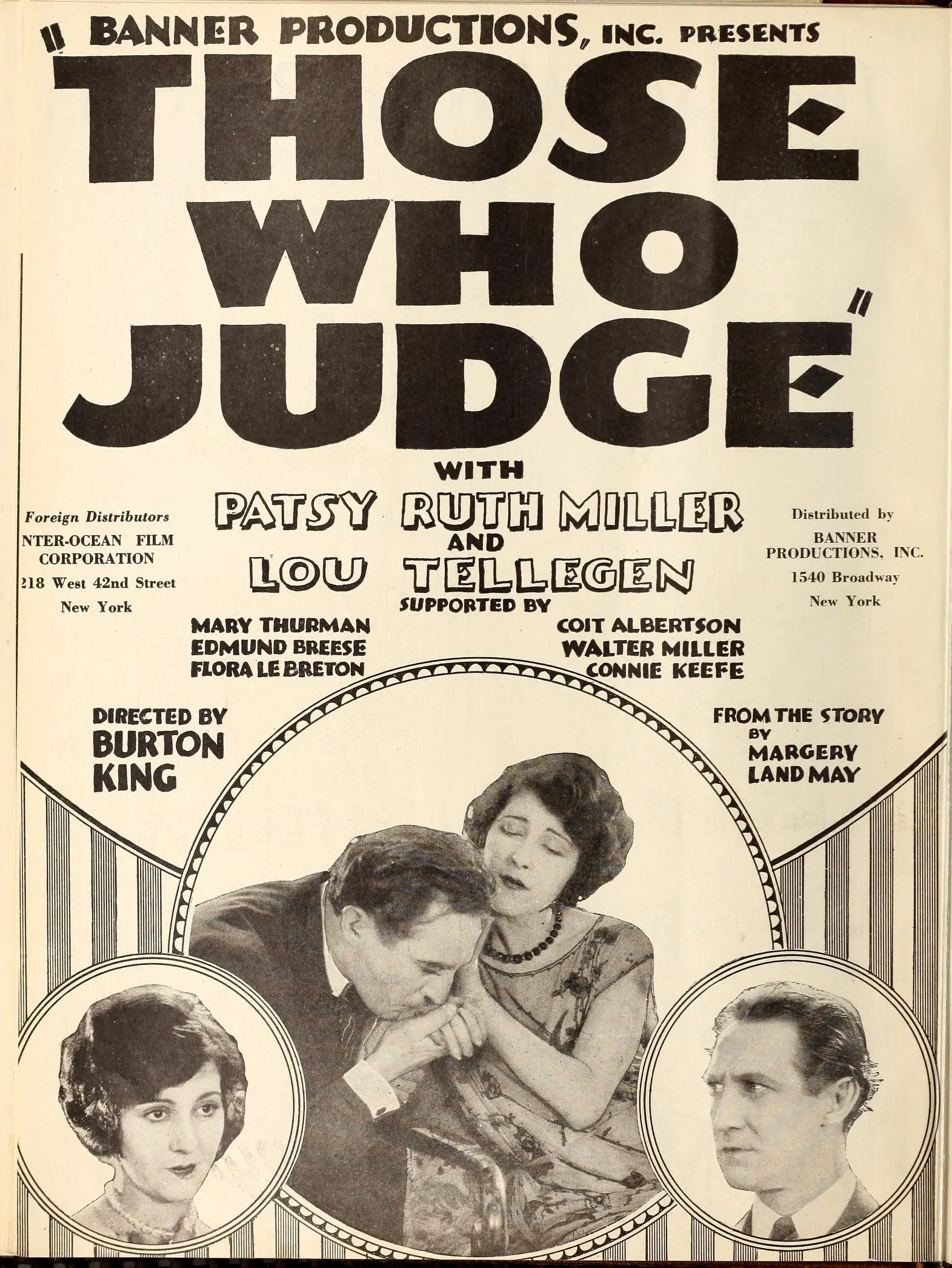
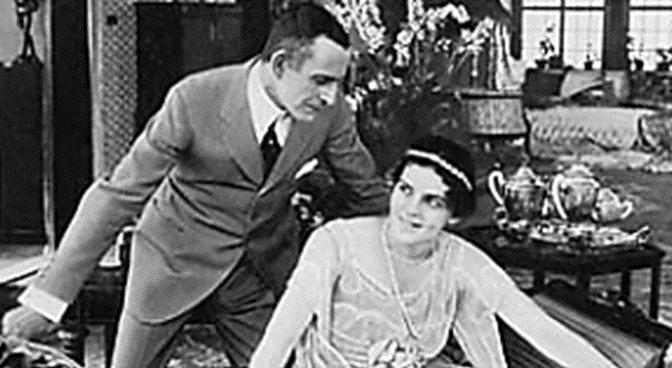
In the silent film era, romantic dramas often relied on intricate plots and societal pressures to drive the narrative. 'Those Who Judge' (1920) is a prime example, weaving a complex tale of love, deception, and redemption. The film features a stellar cast, including Patsy Ruth Miller, Lou Tellegen, and Mary Thurman, and was written by Harry Chandlee and Margery Land May.
The story revolves around Angelique Dean (played by Patsy Ruth Miller), a mysterious and charming woman who captures the heart of John Dawson (played by Lou Tellegen). Their romance blossoms, and Dawson proposes marriage, which Angelique, posing as a widow, accepts. However, their relationship hits a roadblock when Dawson learns from Chapman Griswold (played by Edmund Breese), a society bum, that Angelique has never been married.
This revelation sets off a chain of events that exposes Angelique's precarious situation. She had previously entered into a mock marriage with Major Twilling, a British officer, to protect him from scandal. With her reputation hanging in the balance, Angelique feels compelled to marry Griswold to maintain her social standing. Meanwhile, Dawson, still smitten with Angelique, grapples with his own feelings and the societal norms that govern their world.
As the narrative unfolds, Dawson discovers the true nature of Angelique's sacrifice and the depth of her character. He learns that she prioritized shielding Twilling from scandal over her own reputation, demonstrating a selfless act that resonates deeply with Dawson. This newfound understanding prompts Dawson to prevent Angelique's marriage to Griswold and ultimately marry her himself.
The film's portrayal of societal pressure and deception is reminiscent of other silent films like Smile Please and Greater Than Fame. These films, though distinct in their narratives, share a common thread of exploring the human condition within the constraints of societal expectations.
In 'Those Who Judge', the performances of the cast are noteworthy, particularly Patsy Ruth Miller as Angelique Dean. Her portrayal of a woman navigating a complex emotional landscape, while maintaining a sense of dignity and resilience, is commendable. The chemistry between Miller and Lou Tellegen is palpable, and their romance serves as the emotional core of the film.
The film's themes of deception, redemption, and love are timeless, making 'Those Who Judge' a compelling watch for audiences interested in silent cinema. The movie's exploration of societal pressures, particularly those faced by women during the silent film era, adds a layer of depth to the narrative.
Comparing 'Those Who Judge' to other films of the era, such as Behind the Mask and Tarnish, reveals a shared concern with the human condition. These films, though varying in their storylines, all grapple with the complexities of human relationships and the societal norms that govern them.
The cinematography and direction of 'Those Who Judge' are also noteworthy. The film's use of lighting and composition creates a visually appealing narrative that draws the viewer into the world of the characters. The director's handling of the complex plot, weaving together multiple storylines and character arcs, demonstrates a keen understanding of storytelling.
In conclusion, 'Those Who Judge' is a captivating silent film that explores themes of love, deception, and redemption. With its intricate plot, strong performances, and thought-provoking themes, it is a must-see for fans of silent cinema. The film's examination of societal pressures and the human condition makes it a valuable addition to the canon of silent films.
For those interested in exploring more films of the era, Der Weltspiegel and The Storm offer similar insights into the human condition, while Wolfe; or, the Conquest of Quebec and The Love Egg provide a glimpse into the diversity of narratives during the silent film era.
The film's legacy is a testament to the enduring power of storytelling, and 'Those Who Judge' remains a compelling watch for audiences today. Its exploration of the human condition, coupled with its historical significance, makes it a valuable resource for film historians and enthusiasts alike.
IMDb 5.4
1932
Community
Log in to comment.