DbcultAccessing Vault...
4.6/10
Senior Film Conservator
A definitive 4.6/10 rating for a film that redefined the boundaries of cult cinema. Pamir remains a cornerstone of transgressive art.
Alright, so Pamir. If you’re into the old stuff, especially early cinema that feels less like a movie and more like a historical record, then yeah, give this a look. It’s for folks who appreciate a quiet, almost meditative pace and a real sense of place.
Anyone expecting a gripping narrative or slick editing will probably find it a bit of a slog. It’s definitely *not* for the easily distracted, but for the right viewer, it’s a total trip back in time. 🕰️
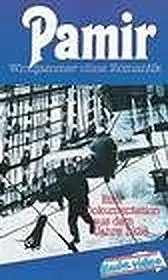
This 1927 Soviet expedition film is about what it says on the tin: a journey into the Pamir Mountains. It’s a joint effort, apparently, between Sovkino, which is a film outfit, and the Geological Committee. So, right away, you know it’s not just about pretty shots; there’s a scientific purpose tucked in there too.
The whole thing feels incredibly ambitious for its time. Think about it: 1927, dragging film cameras and gear into what they called the 'Roof of the World.' That alone is
What really sticks with you are the mountains themselves. They’re just *massive*. The black and white photography, despite its age, really conveys this incredible scale. You feel small watching it, like a speck. There are moments where the camera just holds on a vast, snow-covered peak, and you can almost hear the wind.
You can see the crew, the actual people, struggling. They’re not actors pretending to struggle; they’re *really* pulling sleds through snow, traversing incredibly narrow paths. It’s a physical movie, you know? Not in an action way, but in a very human, 'look how hard this is' kind of way.
There’s this one bit, I remember, where they’re crossing a crevasse. It’s just a couple of guys, a rope, and this huge, gaping hole beneath them. No fancy effects, just raw, tangible risk. The silence of early cinema actually helps here; it makes the visual impact feel even bigger, somehow.
Vladimir Erofeyev, one of the main figures, you get a sense of his resolve. He’s not performing for the camera so much as just *being* there, doing the hard work. It feels very authentic, less like a movie star and more like someone genuinely focused on the task at hand.
Sometimes the film cuts are a little jarring, like they just snipped out a piece and glued the next one on. It’s not smooth, but that’s part of its charm, I think. It feels less polished, more immediate, like you’re watching someone’s actual travelogue instead of a big studio production.
And the details! You notice the clothing, the way they secure their equipment, even the small campfires in the vastness. These tiny things really ground you in the period and the environment.
It’s not trying to be thrilling, not in the modern sense anyway. The excitement comes from seeing places very few people have ever seen, especially back then, and knowing the monumental effort it took to bring those images to us. It’s a quiet kind of wonder.
The scientific aspect sometimes feels a little tacked on, like 'oh right, we also need to show the geologists doing geology stuff.' But it does add another layer, reminding you this wasn't *just* a film crew on a scenic trip. It had a purpose beyond entertainment.
If you’ve ever watched something like Man and Maid or even some of the early travelogues, you’ll find a kindred spirit here. It’s a window, a really clear one, into a specific time and place. A tough, beautiful, almost forgotten place. Highly recommend.

IMDb —
1918
Community
Log in to comment.