DbcultAccessing Vault...
Cult Review
Senior Film Conservator
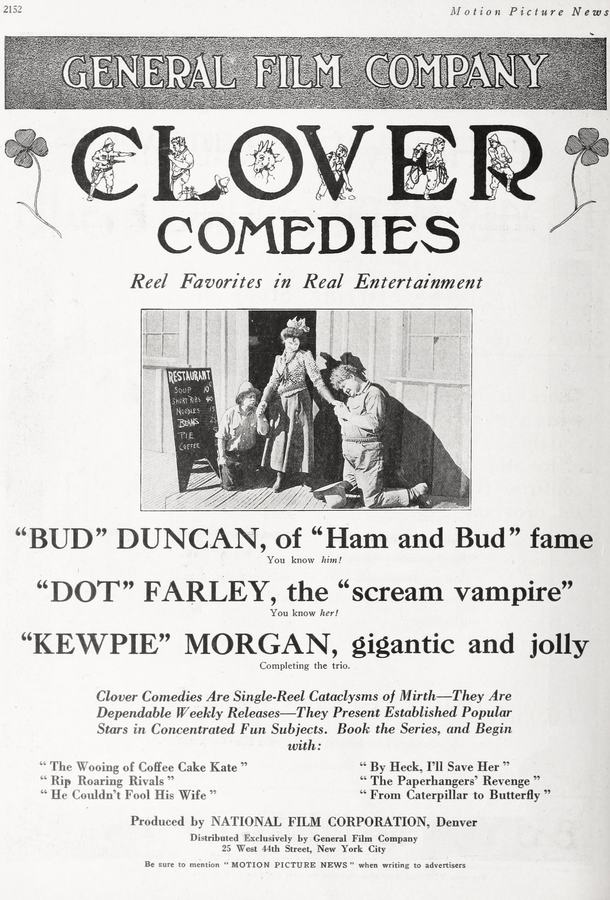
The silent era, often mistakenly viewed through the monochromatic lens of nostalgia, was a period of astonishing cinematic innovation and profound storytelling. Among its myriad gems, a film like 'From Caterpillar to Butterfly' stands as a testament to the period's capacity for nuanced character study and allegorical depth. It is a work that, even a century after its inception, resonates with an almost startling contemporaneity, exploring themes of identity, societal perception, and the formidable journey of self-actualization. This isn't just a historical artifact; it's a vibrant, pulsating narrative that speaks to the timeless human yearning for transformation.
At its core, the film is an intimate portrait of Eloise, portrayed with an exquisite blend of vulnerability and burgeoning strength by the incomparable Dot Farley. Farley, a stalwart of early cinema, often found herself in roles that leaned into the comedic or the melodramatic, yet here, her performance transcends genre. She crafts a character so utterly believable in her initial timidity that her subsequent blossoming feels earned, organic, and deeply moving. We are introduced to Eloise as a fixture in a bustling metropolitan tailor shop, a seamstress whose meticulous stitches mirror the constrained, precise boundaries of her own life. Her world is one of muted tones, both literally in the film's visual palette and figuratively in her emotional landscape. She is, to all appearances, invisible, a background player in the grand drama of urban existence. The camera, in its early scenes, often frames her amidst towering stacks of fabric or obscured by the more flamboyant figures of the shop's clientele, visually reinforcing her perceived insignificance.
The genius of the narrative, however, lies in its refusal to wallow in Eloise's initial despair. Instead, it subtly introduces the catalyst for change, a gentle ripple that eventually becomes a tidal wave of self-discovery. This catalyst arrives in the form of Professor Armitage, an eccentric, yet perceptive, artist-philosopher (played with understated gravitas by an uncredited actor, whose presence, nonetheless, anchors this pivotal shift). Armitage, unlike others, sees beyond Eloise's plain exterior, recognizing a latent spark, an untapped wellspring of creativity and spirit. His mentorship, initially focused on a shared appreciation for the intricate patterns of nature—specifically, the life cycle of the butterfly—becomes a metaphor for Eloise's own impending metamorphosis. It’s a beautifully rendered sequence, devoid of overt exposition, relying instead on the expressive power of visual storytelling and Farley’s remarkable ability to convey internal shifts through subtle gesture and facial expression.
The film truly excels in depicting the incremental nature of Eloise's transformation. It isn't an overnight Cinderella story, but a painstaking, often challenging journey. We witness her tentative steps: a newfound interest in vibrant fabrics, a daring alteration to her drab wardrobe, a quiet confidence emerging in her posture. These moments are meticulously crafted, each a small victory against the entrenched self-doubt and the dismissive attitudes of those around her. Kewpie Morgan and
The film's visual language is particularly noteworthy. The cinematography, while constrained by the technology of its era, uses light and shadow with exceptional artistry to underscore Eloise's internal state. In her 'caterpillar' phase, she is often shrouded in shadow, her features softened, almost indistinct. As she begins to transform, the lighting shifts, gradually illuminating her face, highlighting her eyes, which begin to sparkle with newfound resolve. The intertitles, often a weak point in less sophisticated silent films, here serve as poetic commentaries, guiding the audience through Eloise's emotional landscape without resorting to heavy-handed exposition. They are often lyrical, almost philosophical, enhancing the film's allegorical quality rather than merely advancing the plot.
The central metaphor of the caterpillar's metamorphosis is handled with an exquisite delicacy. It’s never forced or overly didactic. Instead, it provides a powerful, universally understood framework for Eloise’s personal evolution. Her journey is not merely about physical attractiveness, but about discovering and embracing her inherent worth, her intellectual curiosity, and her creative spirit. This emphasis on internal transformation over superficial change is what elevates 'From Caterpillar to Butterfly' beyond a simple feel-good story into something far more profound. It’s a celebration of the human spirit’s capacity for resilience and self-reinvention, a theme that resonates deeply in any generation.
Comparing this film to other works of the era reveals its unique strengths. While films like The Kid masterfully explored the innocence and resilience of childhood against hardship, 'From Caterpillar to Butterfly' delves into the adult journey of self-discovery, showing that even mature individuals can undergo radical personal growth. Similarly, while Scandal tackled societal hypocrisy and female agency through dramatic confrontation, Eloise’s triumph is a quieter, more internal revolution, demonstrating that profound change doesn't always require grand gestures. The nuanced portrayal of societal pressures and the protagonist's quiet defiance might also draw parallels with the underlying social commentary found in films like The Power of Decision or Garden of Lies, though 'From Caterpillar to Butterfly' approaches these themes with a distinct focus on individual psychological transformation rather than purely external moral dilemmas.
The climax of the film is not a dramatic confrontation, but a powerful, understated assertion of Eloise’s transformed self. It’s a moment where her inner radiance finally eclipses the shadow of her former self, compelling recognition from even her most cynical detractors. Dot Farley’s performance here is a masterclass in silent acting, conveying a complex array of emotions—triumph, quiet dignity, and a profound sense of peace—without a single spoken word. Her eyes, once downcast and hesitant, now meet the gaze of others with unwavering confidence. This isn't a story of revenge, but of self-affirmation, a demonstration that true power lies not in external validation, but in internal conviction.
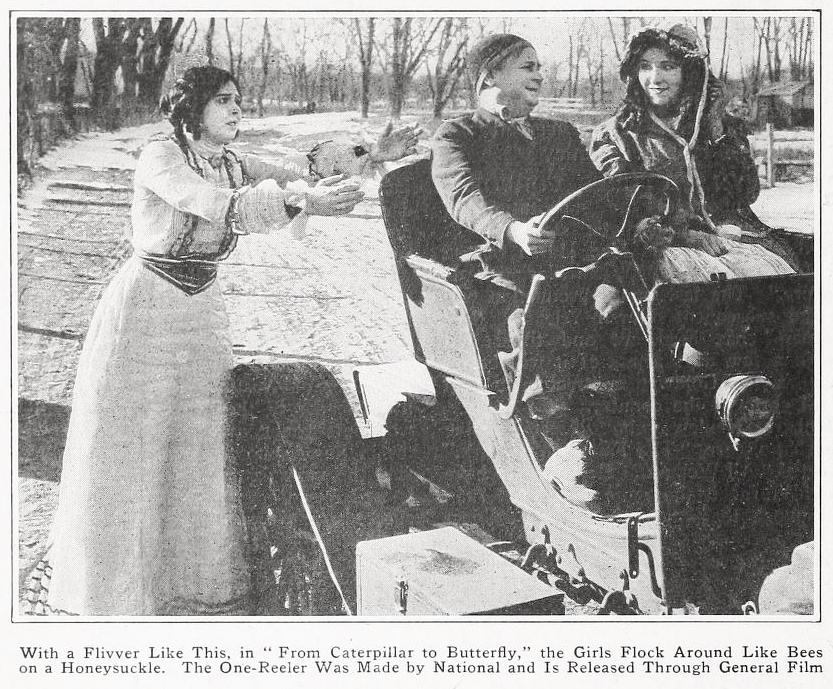
The film’s enduring relevance lies in its universal message. In an age saturated with external pressures to conform, to fit into predefined molds, 'From Caterpillar to Butterfly' serves as a timeless reminder of the importance of authenticity and the courage it takes to become one's true self. It challenges the viewer to look beyond superficial appearances and to recognize the potential for greatness that often lies hidden beneath unassuming exteriors. It champions the quiet revolution of personal growth, proving that the most dramatic transformations are often those that occur within.
The contributions of Kewpie Morgan and Bud Duncan, while secondary to Farley's central performance, are integral to the film's texture. Their portrayals of the mundane, often unthinking obstacles in Eloise's path provide crucial dramatic tension and highlight the societal context against which her transformation unfolds. Morgan's bluster and Duncan's sneering condescension are not merely caricature; they represent the prevalent attitudes of an era grappling with evolving social norms and the burgeoning independence of women. Their eventual, albeit grudging, acknowledgment of Eloise’s metamorphosis speaks volumes about the power of individual change to alter collective perception.
The film's direction, while uncredited in many historical accounts, exhibits a sophisticated understanding of visual storytelling. The use of close-ups to capture the subtle shifts in Farley's expressions, the long shots that emphasize Eloise's isolation or her eventual integration into a more vibrant social sphere, and the rhythmic pacing that mirrors the ebb and flow of her emotional journey—all contribute to a cohesive and compelling cinematic experience. The subtle symbolism, such as the gradual introduction of more colorful props and costumes around Eloise as she transforms, is handled with a delicate touch, never overshadowing the human drama.
In retrospect, 'From Caterpillar to Butterfly' is more than just a poignant character study; it is a profound commentary on the human condition. It explores the societal constructs that often limit individual potential and celebrates the inherent strength required to break free from those constraints. It reminds us that true beauty lies not in outward perfection, but in the courage to embrace one's authentic self, to shed the skin of expectation, and to unfurl the wings of one's own unique spirit. The film's message, delivered through the powerful, wordless performances of its cast and the evocative beauty of its cinematography, remains as relevant and inspiring today as it was in the nascent days of cinema. It is a timeless cinematic poem about finding one's light in a world that often prefers shadows, a truly captivating and enduring piece of early film artistry.
The thematic resonance of personal growth and overcoming adversity is a recurring motif in cinema, but 'From Caterpillar to Butterfly' distinguishes itself by focusing on an internal, almost spiritual, evolution rather than external events. While films like Warning! The S.O.S. Call of Humanity might address grander social ills, or Pawn of Fate explore the harsh realities of destiny, Eloise’s narrative is intensely personal, yet universally relatable. It’s a testament to the power of the individual to forge their own path, regardless of the initial limitations. The film’s quiet dignity in portraying this struggle is what truly sets it apart, making it a powerful statement on human resilience.
Furthermore, the film’s subtle critique of superficiality and its celebration of inner beauty align it with the more progressive narratives emerging from the silent era, even if not as overtly political as some. It suggests that true worth is not dictated by social standing or physical appearance, but by character, intellect, and the courage to live authentically. This nuanced perspective, conveyed through the expressive medium of silent film, speaks volumes. It’s a testament to the fact that profound philosophical ideas could be explored with elegance and emotional depth long before the advent of spoken dialogue.
The legacy of 'From Caterpillar to Butterfly', though perhaps not as widely known as some of its contemporaries, lies in its quiet power to inspire. It’s a film that encourages introspection, urging viewers to consider their own 'caterpillar' moments and the potential for their own 'butterfly' emergence. The artistry of Dot Farley, the careful construction of the narrative, and the timelessness of its central message combine to create a cinematic experience that transcends its historical context, offering a beacon of hope and a celebration of the transformative power of the human spirit. It's a film that reminds us that within every seemingly ordinary life, there lies the potential for extraordinary beauty and profound change, waiting to be unleashed.
The film's intricate dance between personal aspiration and societal constraint makes it a compelling study. It navigates the delicate balance of individual desires against the backdrop of communal expectations, a theme echoed in various forms across the cinematic landscape, from the more dramatic struggles in By Right of Possession to the nuanced social dynamics in The Girl with the Champagne Eyes. Yet, 'From Caterpillar to Butterfly' finds its unique voice in its optimistic, almost poetic, approach to these challenges. It’s not about succumbing to fate or fighting against insurmountable odds with overt aggression, but about a quiet, determined unfolding of self. This inner strength, meticulously portrayed by Farley, is the true heart of the film, making it an enduring classic for those who appreciate cinema that delves into the profound depths of human experience with grace and insight.
IMDb 6.6
1932
Community
Log in to comment.