DbcultAccessing Vault...
3.6/10
Senior Film Conservator
A definitive 3.6/10 rating for a film that redefined the boundaries of cult cinema. Those Who Dare remains a cornerstone of transgressive art.
In the pantheon of silent films, Those Who Dare (1924) occupies a distinctive niche, weaving a complex narrative that defies straightforward categorization. Directed by William Nigh and starring Sheldon Lewis as Captain Manning, this maritime drama plunges viewers into a world of mutiny, superstition, and redemption, set against the stark, unforgiving backdrop of the high seas.
The film's central figure, Captain Manning, is an enigmatic, world-weary sailor, whose storied past is gradually revealed through a series of non-linear flashbacks. These recollections, presented in a fragmented, almost impressionistic manner, serve to illuminate Manning's character, while also underscoring the film's thematic preoccupations with power, psychological manipulation, and the human condition.
Manning's odyssey begins with his tenure as first mate on a luxurious yacht, where he encounters the beleaguered schooner, Swallow. The vessel, it seems, has been overrun by a mutinous crew, who are terrorized by their leader's voodoo rituals, conducted in the ship's hold. This scenario serves as a catalyst for Manning's intervention, which is facilitated by the presence of his employer's troubled, drug-addicted son.
The turning point in the narrative occurs when Manning, accompanied by the young man, boards the Swallow, and through a calculated display of psychological warfare, humiliates the mutineers' leader. This strategic victory enables Manning to assert control, navigate the Swallow to safety, and eventually marry the captain's daughter.
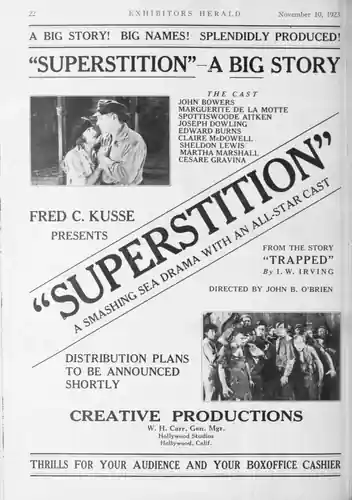
Throughout the film, the character of Captain Manning is skillfully developed, revealing a complex interplay of motivations, emotions, and psychological nuances. His portrayal, imbued with a sense of gravitas and introspection, serves as a counterpoint to the more histrionic performances of his contemporaries.
The film's use of visual motifs, particularly in the depiction of the Swallow, serves to underscore the themes of isolation, confinement, and the claustrophobic effects of fear. The ship, a microcosm of society, becomes a pressure cooker, in which the tensions between Manning, the mutineers, and the crew are expertly manipulated, culminating in a cathartic release of pent-up emotions.
In comparison to other films of the era, Those Who Dare shares certain affinities with The Volunteer (1924), in its exploration of masculine identity, and the tensions between authority and rebellion. Similarly, the film's maritime setting and themes of mutiny evoke The Red Lane (1925), although the tone and narrative focus differ significantly.
The cinematography, while occasionally hampered by the limitations of the silent era, nonetheless conveys a palpable sense of atmosphere, particularly in the depiction of the Swallow, tossed about on the turbulent seas. The camerawork, often employing a mix of long takes and montage sequences, serves to heighten the sense of tension, underscoring the narrative's central conflicts.
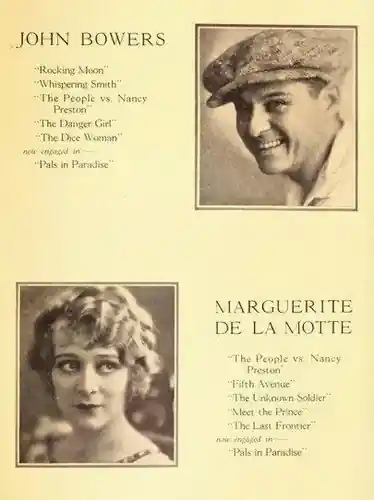
In terms of narrative structure, Those Who Dare employs a non-linear approach, fragmented and impressionistic, which serves to mirror the disjointed, often surreal quality of Manning's memories. This stylistic choice, while occasionally challenging for modern viewers, adds to the film's dreamlike, almost mythological quality, underscoring the themes of memory, nostalgia, and the fragility of human perception.
The performances, largely effective, are augmented by the presence of a talented supporting cast, including J. Farrell MacDonald, Claire McDowell, and Grace Gordon. Their portrayals, while not always uniformly nuanced, serve to add depth and texture to the narrative, fleshing out the world of the film.
Ultimately, Those Who Dare (1924) emerges as a significant, if underappreciated, work of the silent era, offering a richly textured exploration of human psychology, power dynamics, and the complex interplay between fate, free will, and circumstance. While certain aspects of the film may appear dated, its thematic preoccupations, coupled with its narrative complexity, ensure that it remains a compelling, thought-provoking viewing experience, even for contemporary audiences.
In conclusion, Those Who Dare is a film that rewards close attention, offering a dense, multilayered narrative that repays repeated viewings. Its exploration of the human condition, coupled with its historical significance, make it an essential addition to the canon of silent cinema, and a must-see for fans of classic film.

IMDb —
1918
Community
Log in to comment.