DbcultAccessing Vault...
7/10
Senior Film Conservator
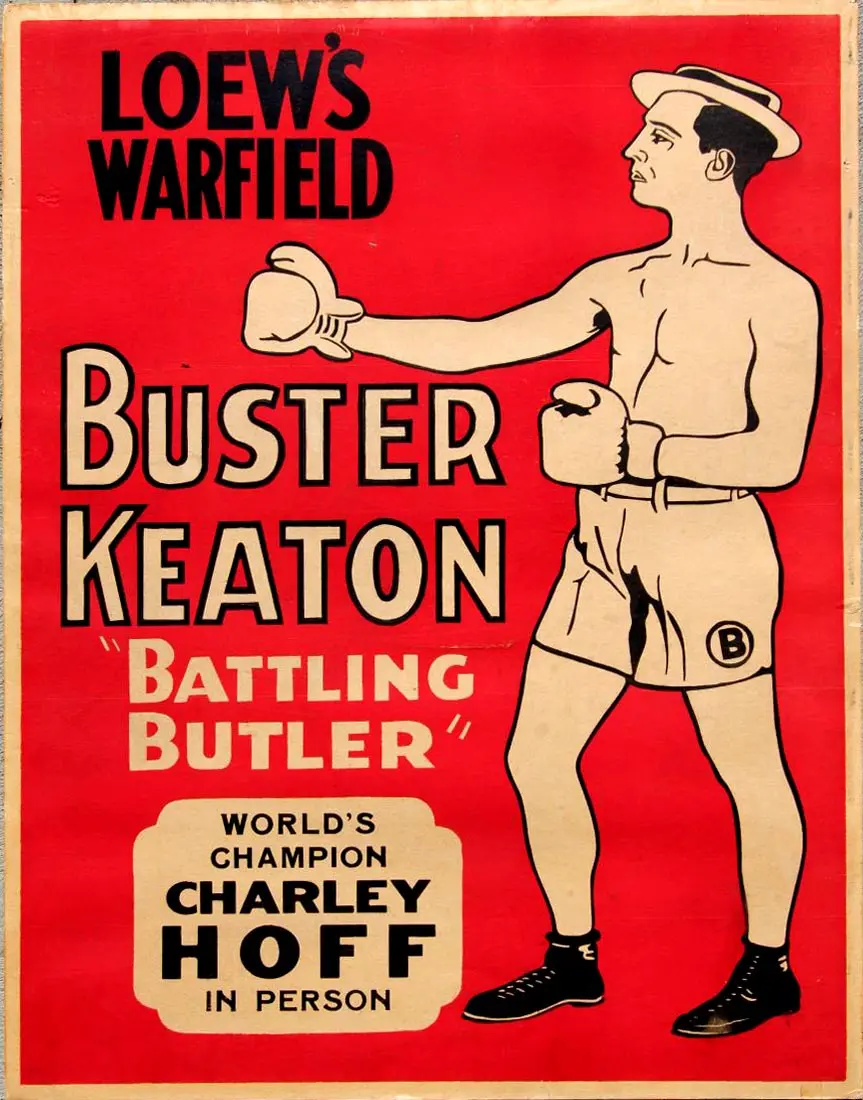
A definitive 7/10 rating for a film that redefined the boundaries of cult cinema. Battling Butler remains a cornerstone of transgressive art.
Should you watch Battling Butler today? Short answer: Yes, but it is a psychological character study disguised as a slapstick comedy, and you must be prepared for a slower burn than your typical silent film.
This film is for viewers who appreciate the nuance of physical acting and the 'Great Stone Face' at his most vulnerable; it is not for those looking for the high-octane, death-defying stunts found in The General or Sherlock Jr.
1) This film works because it grounds its comedy in a relatable sense of social anxiety and the desperate need for validation.
2) This film fails because the middle act leans too heavily on the repetitive 'training' gags that feel slightly dated compared to Keaton's more inventive work.
3) You should watch it if you want to see the missing link between silent slapstick and the modern character-driven sports comedy.
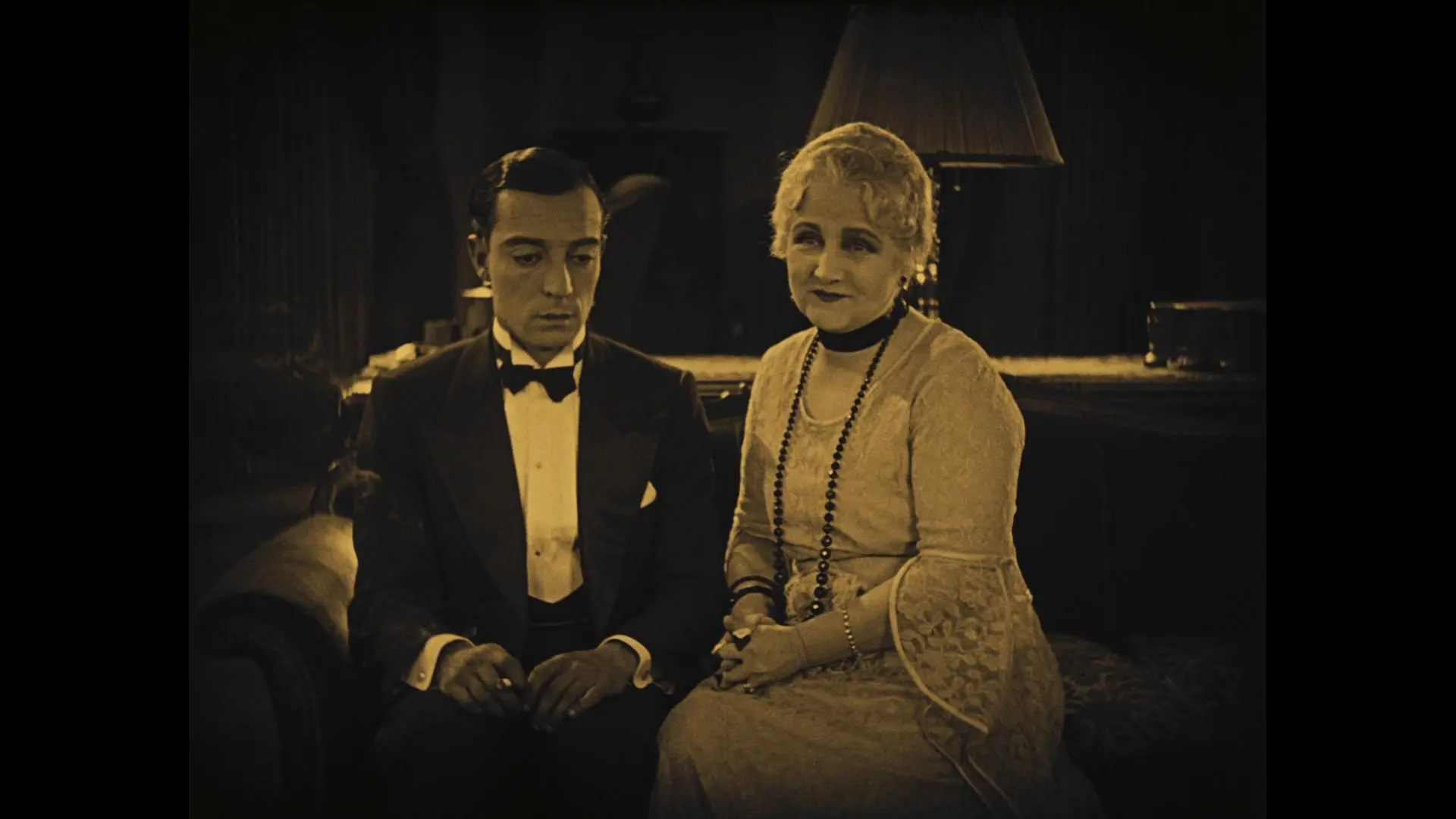
In the pantheon of Buster Keaton’s filmography, Battling Butler occupies a strange, often overlooked position. Despite being one of his most commercially successful films during its initial release, it lacks the 'big' stunt that usually defines a Keaton picture. There is no collapsing house, no runaway train, and no sinking ship. Instead, we have Alfred Butler, a man so disconnected from reality that he goes hunting in a tuxedo and brings a silver tea service to the woods. It works. But it’s flawed.
The film’s strength lies in the subversion of Keaton’s own persona. Usually, Keaton is the underdog who uses his environment to overcome obstacles. Here, he is the obstacle. His wealth and incompetence are the primary antagonists. When he falls in love with Sally O'Neil's character, he isn't fighting a villain; he is fighting the version of himself that his valet, played with weary brilliance by Snitz Edwards, has invented. It is a fascinating look at the performance of masculinity.
Consider the scene where Alfred first attempts to 'train' for the fight. He isn't just bad at boxing; he is fundamentally confused by the concept of physical exertion. The way Keaton uses his body—limp, reactive, and utterly out of place among the sweating brutes of the gym—is a masterclass in physical characterization. He doesn't need a falling building to be funny; he just needs a pair of boxing gloves that feel like they weigh fifty pounds each.
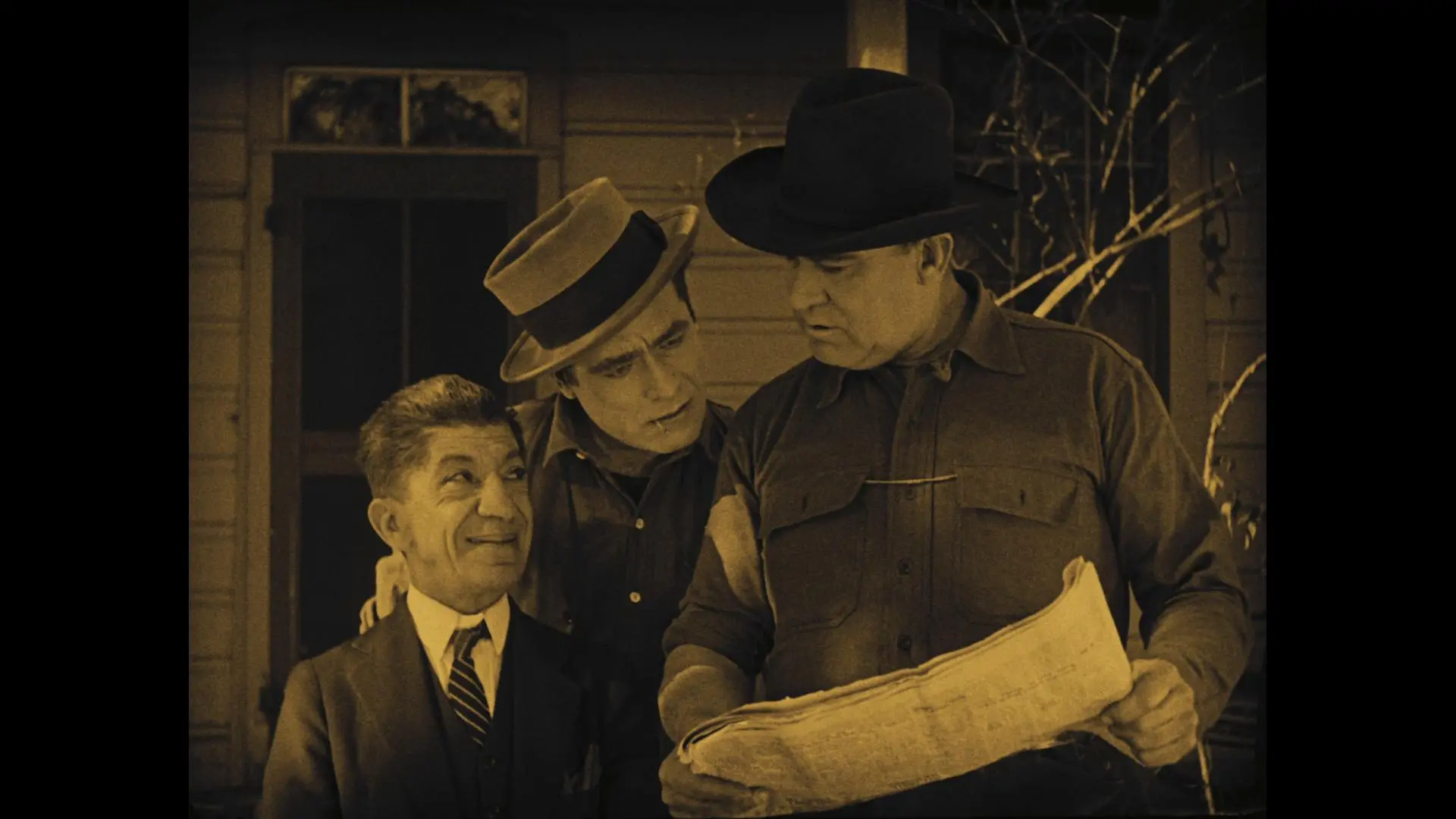
While Keaton is the star, Snitz Edwards is the engine that drives Battling Butler. His performance as the valet is one of the great unsung supporting turns of the silent era. Edwards acts as the bridge between Alfred’s fantasy world and the harsh reality of the boxing ring. He is the one who weaves the web of lies, and his face—a map of wrinkles and perpetual anxiety—provides the perfect foil to Keaton’s stoicism.

Their chemistry is reminiscent of other silent era pairings, though it feels more grounded than the work seen in The Tenderfoot. Where other films of the period might have played the valet for broad laughs, Edwards plays it with a sense of duty that makes the stakes feel real. When he realizes that Alfred actually has to fight the 'real' Battling Butler (Francis McDonald), the look of pure dread on his face is more effective than any title card could ever be.
This relationship anchors the film. Without the valet’s intervention, Alfred would simply be a spoiled brat. With it, he becomes a victim of a lie that he is too polite to correct. It is a comedy of manners that slowly, painfully, transforms into a sports drama. This transition is jarring, but it is exactly what makes the film stand out in the 1926 landscape.
Many critics of the era were surprised by the lack of 'Keaton-esque' set pieces. If you compare this to Going Up or other physically demanding comedies, Battling Butler feels almost claustrophobic. Much of the action takes place in cramped training camps or locker rooms. This was a deliberate choice. Keaton was moving toward a more narrative-focused style of filmmaking, one where the gags served the story rather than the other way around.
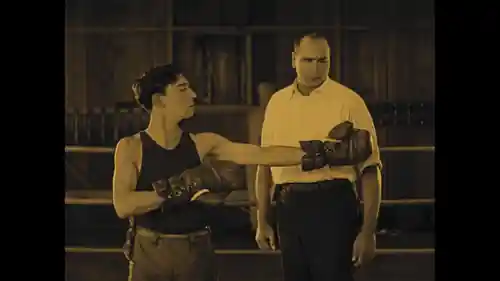
The cinematography by Dev Jennings reflects this. The lighting in the boxing gym is harsh and utilitarian, contrasting sharply with the soft, diffused light of Alfred’s estate. There is a specific shot where Alfred is standing in the ring, dwarfed by the 'real' champion, where the camera stays low, making the opponent look like a literal giant. It’s a simple trick, but it communicates Alfred’s internal terror perfectly. This isn't the whimsical world of The Unbeliever; this is a world where bones actually break.
The pacing, however, is where the film stumbles. The second act, which involves Alfred hiding out in a training camp, feels stretched. There are only so many ways you can show a man being hit with a medicine ball before the joke loses its punch. Keaton seems to realize this, as he eventually shifts the tone entirely for the final twenty minutes.
The most surprising observation one can make about Battling Butler is that the final fight isn't funny. It is actually quite uncomfortable to watch. Unlike the choreographed ballets of his other films, this fight feels messy and desperate. Alfred isn't winning through cleverness or gadgets; he is surviving through sheer, terrifying willpower. He gets beaten. Badly.

This is a strong, debatable opinion: the final locker room fight is the most 'real' moment in all of silent comedy. When Alfred finally snaps and fights back, it isn't a triumphant hero moment. It is the explosion of a man who has been humiliated for seventy minutes. The violence is visceral. It lacks the safety net of the 'gag.' This shift into darkness is what elevates the film above standard genre fare like Brigadier Gerard.
It’s a gutsy move. Most comedians would have ended with a fluke victory or a slapstick accident. Keaton chooses to show us the cost of the lie. When he finally wins, he doesn't look like a champion; he looks like a man who has seen too much. It is a haunting image that lingers long after the credits roll.
Yes, Battling Butler is absolutely worth watching, but you must adjust your expectations. If you go in expecting the logic-defying brilliance of a man riding a motorcycle from the handlebars, you will be disappointed. However, if you want to see a master filmmaker experiment with tone, class satire, and the psychological weight of a lie, this is a essential viewing.
The film serves as a fascinating bridge in cinema history. It shows a comedian realizing that his audience cares as much about his character's heart as they do about his stunts. It is a more mature, if less spectacular, outing for the Great Stone Face.
Pros:
Cons:
Battling Butler is a fascinating anomaly. It is Buster Keaton’s most successful film, yet it is arguably his least 'Keaton-esque.' By stripping away the grand spectacles, Keaton forced himself to rely on narrative and character, resulting in a film that feels surprisingly modern. The humor is dry, the stakes are personal, and the ending is unexpectedly heavy. It isn't his most perfect work, but it is perhaps his most human. It proves that even without a train to catch or a house to fall on him, Keaton was a titan of the frame. It’s a knockout, even if it takes a few rounds to get there.
IMDb —
1935
Community
Log in to comment.