DbcultAccessing Vault...
5.4/10
Senior Film Conservator
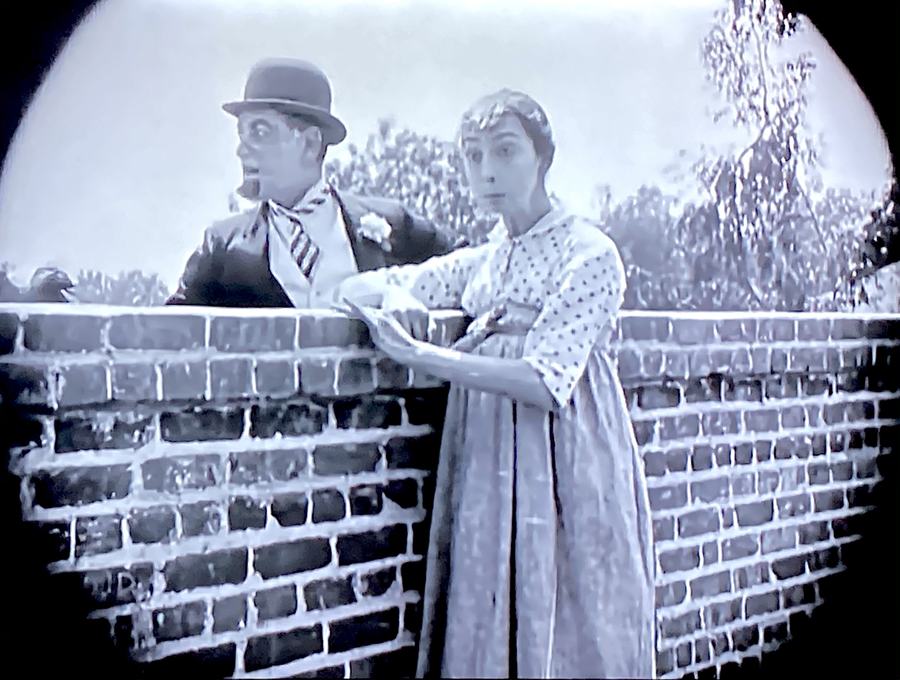
A definitive 5.4/10 rating for a film that redefined the boundaries of cult cinema. Pants remains a cornerstone of transgressive art.
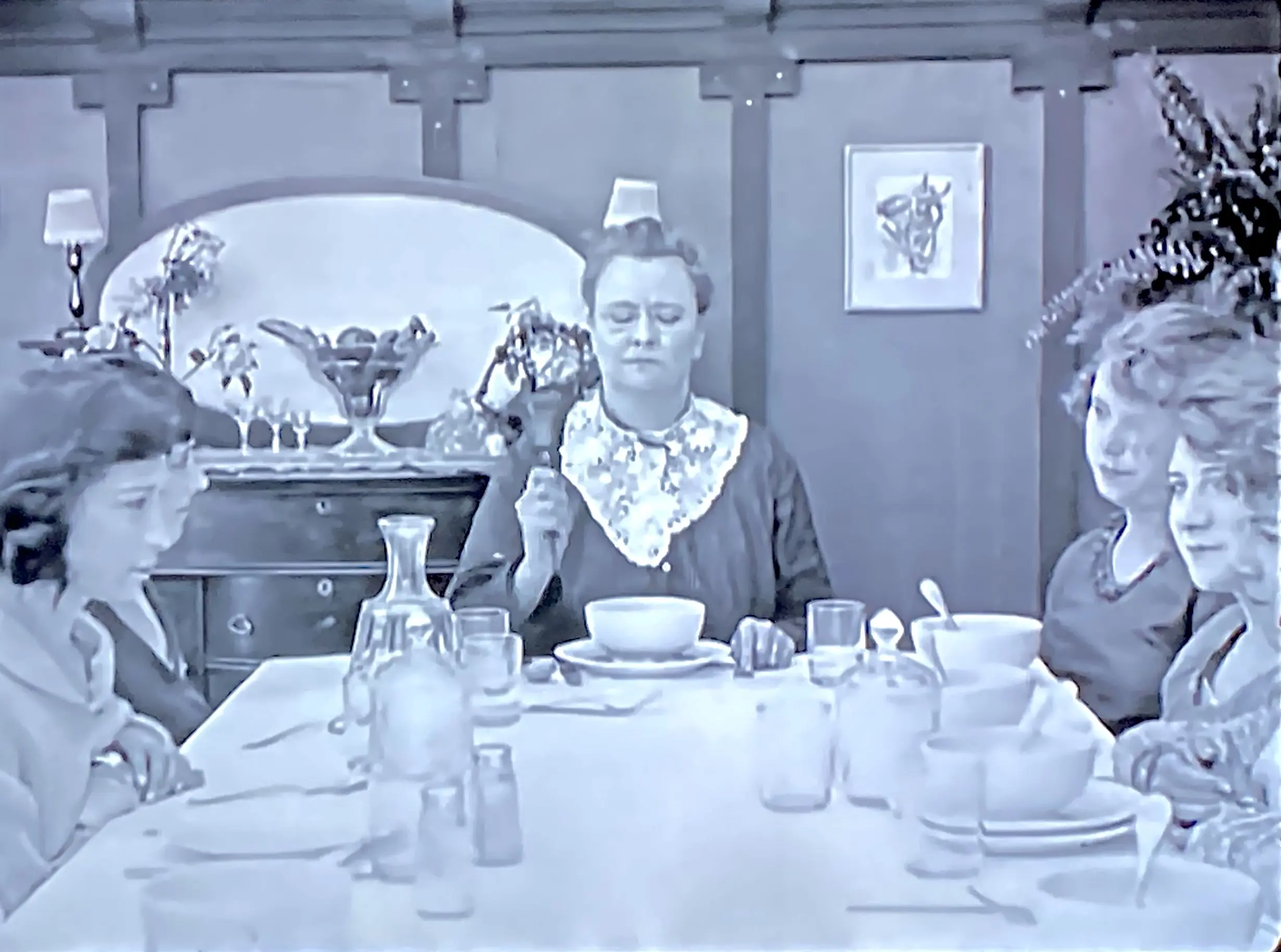
The 1919 silent comedy Pants arrives like a gust of mischievous wind through the ivy‑clad walls of an early‑twentieth‑century academy, delivering a narrative that is as much about the absurdity of domestic labor as it is about the tender emergence of love across institutional divides. Gale Henry, whose expressive face carries the weight of slap‑slap‑slap comedy, is thrust into the role of culinary caretaker for a troupe of prim, primped girls, each demanding a delicacy that she cannot possibly conjure without a series of spectacular blunders.
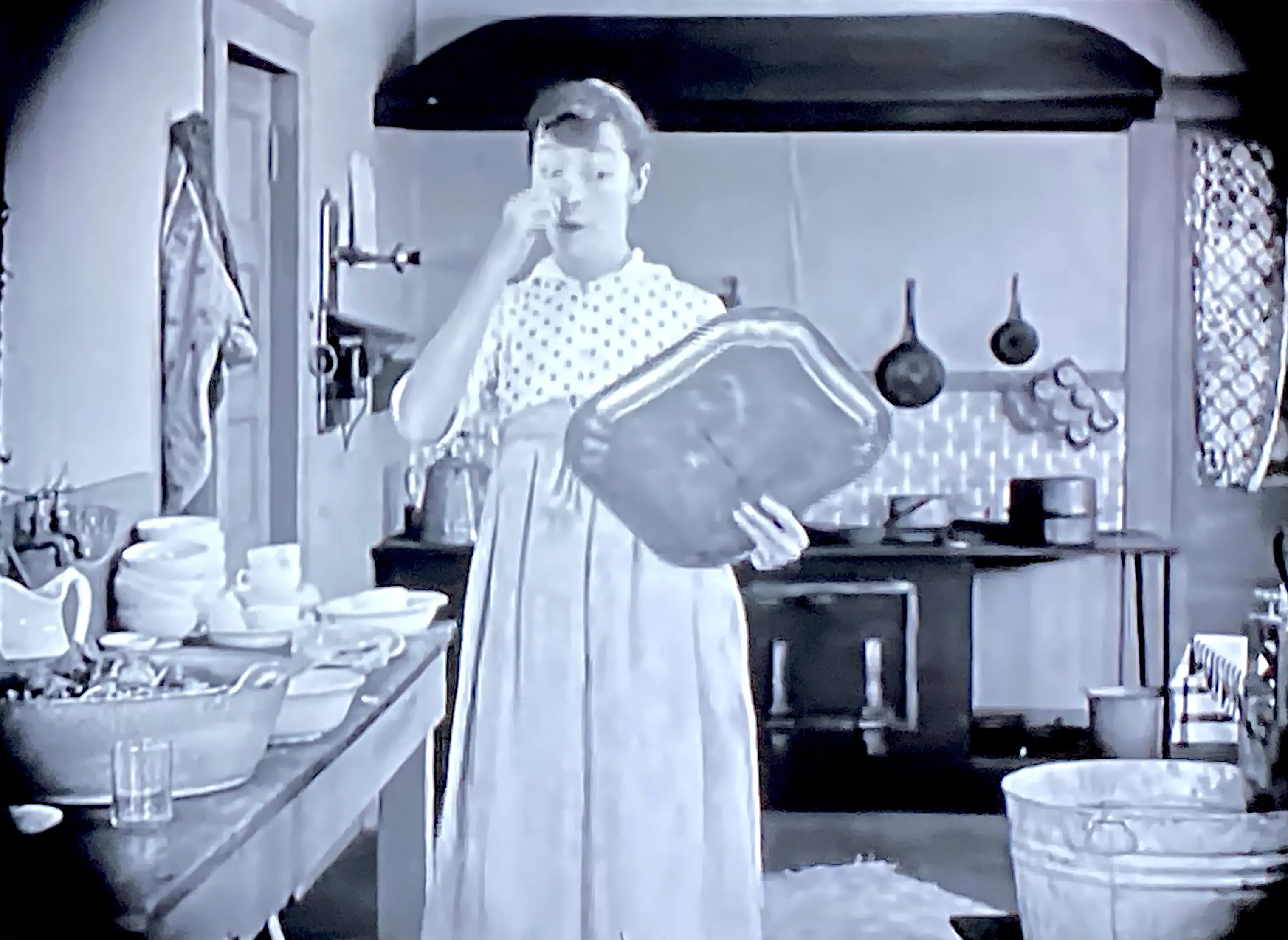
From the opening tableau, where Gale is seen lugging an over‑stuffed sack of flour into a cramped galley, the film establishes a visual motif: the kitchen as a battlefield of miscommunication. The mise‑en‑scene, bathed in the chiaroscuro of the black‑screen era, accentuates the contrast between Gale’s earnest optimism and the austere expectations of the academy’s matronly headmistress. Each mis‑measured spoonful, each overturned pot, becomes a metonym for the broader social expectations placed upon women to perfect the domestic sphere without complaint.
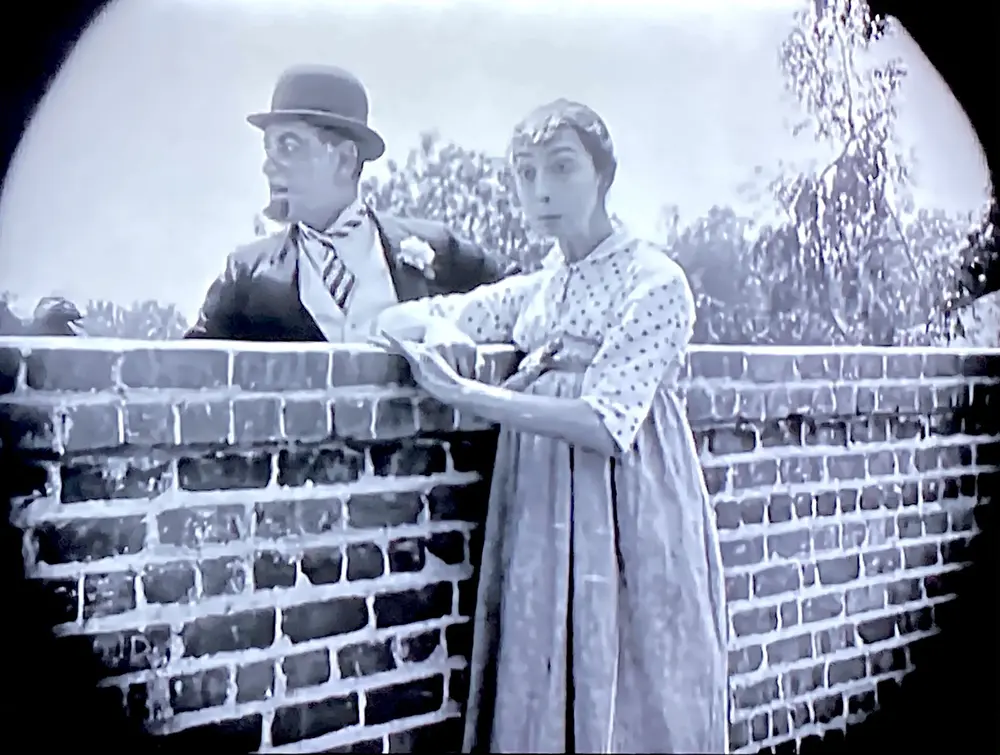
Enter the janitor, a stoic figure from the neighboring boys' college, whose presence is introduced through a series of intercut shots: a wrench in his hand, a gentle smile as he watches Gale’s frantic flurries. Their chemistry unfolds not through dialogue—silent film relies on gesture—but through a choreography of shared glances and the occasional, clumsy hand‑to‑hand exchange of a burnt biscuit. This romance, while understated, offers a subversive commentary on class and gender hierarchies, echoing the tender yet rebellious spirit found in The Master Cracksman’s own flirtations with authority.
The central conflict reaches its apex when two students, a rebellious senior and a shy sophomore, resolve to marry in secret, defying the rigid codes of their respective institutions. Gale’s decision to serve as their witness is both a narrative pivot and a thematic fulcrum. Her earnest desire to be useful propels her into the heart of the ceremony’s logistical nightmare—mis‑delivered invitations, a mis‑read schedule, and a kitchen fire that threatens to consume the very altar of the students’ love.
The fire sequence, rendered with practical effects that still manage to flicker with a palpable intensity, serves as a visual metaphor for the burning passions that simmer beneath the veneer of propriety. Gale’s frantic dousing of flames, using a bucket of water she mistakenly fills with soup, underscores her clumsy heroism. The scene is reminiscent of the frantic, yet comically timed, chase in Lost on Dress Parade, where physical comedy is leveraged to expose deeper emotional stakes.
Gale Henry’s performance is a masterclass in silent-era pantomime. Her eyebrows arch with a precision that conveys exasperation, her hands flutter with a nervous energy that suggests both competence and chaos. The subtlety of her timing—pausing just long enough for the audience to anticipate a mishap before delivering it—demonstrates a seasoned understanding of comedic rhythm. In contrast, Hap Ward’s portrayal of the janitor is grounded, his movements deliberate, providing a calming counterbalance to Henry’s whirlwind.
The supporting ensemble—Milburn Morante as the stern headmistress, Eddie Baker as the bumbling dean, and Ray Hampton as the mischievous senior—each add layers of texture. Morante’s stern gaze, often framed in a tight close‑up, reinforces the oppressive expectations placed upon Gale. Baker’s comedic timing, particularly in the scene where he mistakenly serves a tray of raw vegetables to a room full of starving students, evokes the slapstick sensibility of early Buster Keaton shorts.
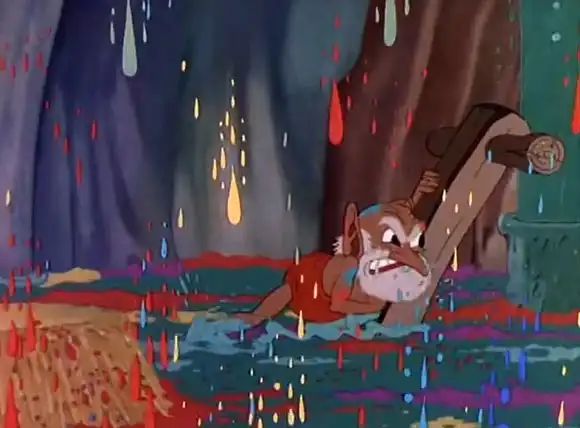
Though the film is black‑and‑white, the director’s use of lighting creates a palette that could be described in modern terms as “dark orange” shadows against “sea‑blue” highlights, with occasional “yellow” glints on polished copper pots. These tonal choices imbue the mise‑en‑scene with an emotional resonance that mirrors Gale’s fluctuating fortunes: the warm amber of hope, the cool blue of despair, and the bright gold of fleeting triumph.
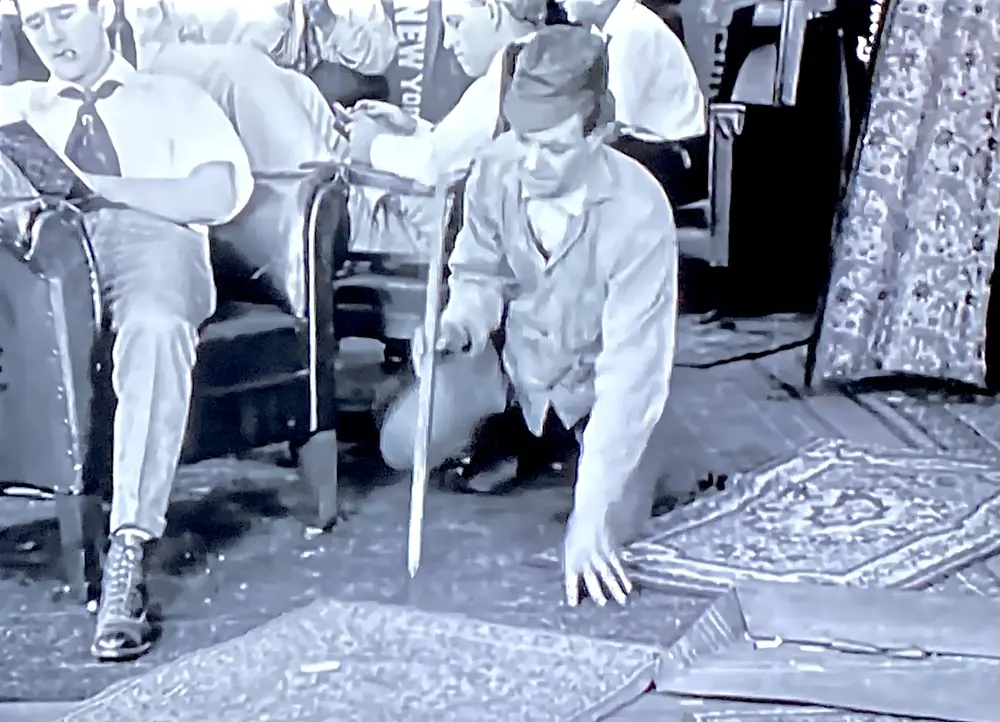
The screenplay, though ostensibly simple, employs a three‑act structure that feels both familiar and inventive. Act one establishes the domestic battlefield; act two deepens the romantic subplot while escalating the culinary chaos; act three converges the two arcs in the climactic fire‑and‑wedding sequence. The pacing accelerates deliberately, with each comedic mishap serving as a beat that propels the story forward, never allowing the audience’s attention to wane.
Beyond its surface levity, Pants interrogates the gendered expectations of labor. Gale’s role as a cook is not merely a plot device; it is a commentary on the limited avenues available to women seeking agency within patriarchal institutions. Her eventual competence—demonstrated when she successfully averts the kitchen fire—signifies a reclamation of power. This thematic undercurrent aligns with the feminist subtexts found in Such a Little Queen, where female protagonists navigate and subvert restrictive societal norms.
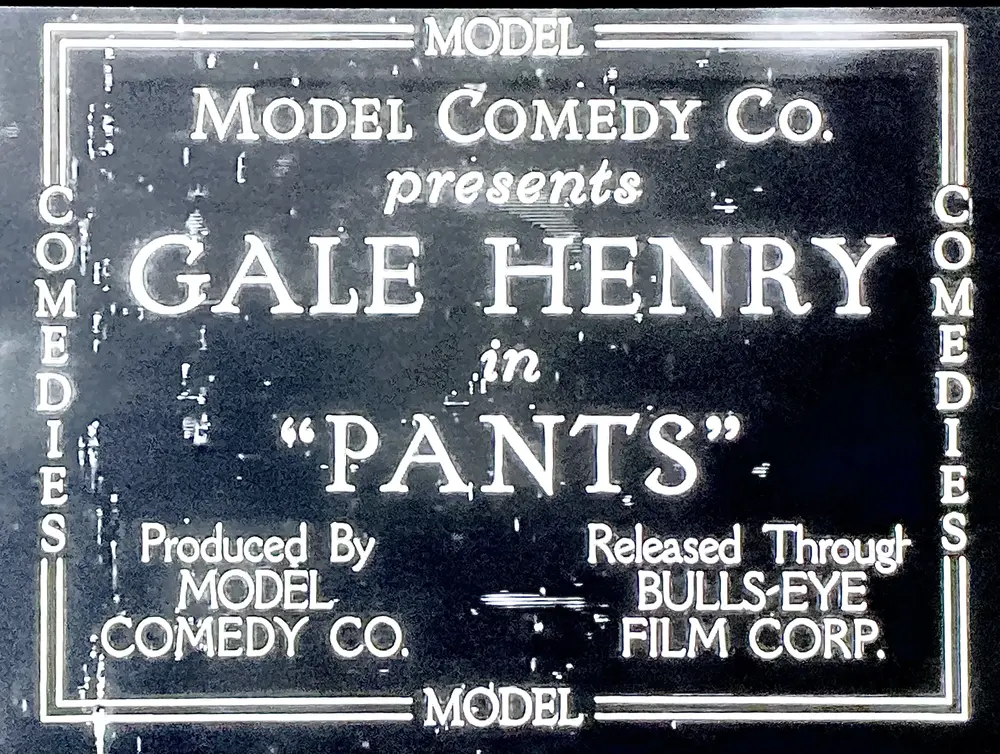
When juxtaposed with contemporaneous works such as McVeagh of the South Seas, which explores exotic adventure through a masculine lens, Pants offers a domestic adventure that is intimate yet universally resonant. Its comedic tone also shares DNA with the farcical elements of Blind Husbands, though the latter leans heavily into melodrama. In contrast, Pants maintains a buoyant, almost breezy optimism that never descends into pathos.
Though largely eclipsed by more celebrated silent comedies, Pants endures as a testament to the era’s capacity for nuanced storytelling within a comedic framework. Its exploration of class disparity, gendered labor, and the subversive power of love remains pertinent. Modern audiences, accustomed to rapid-fire dialogue, may find the film’s reliance on visual storytelling a refreshing departure, inviting viewers to engage more actively with the narrative’s physicality.
In sum, Pants is a richly textured piece of cinema that marries slapstick exuberance with thoughtful social commentary. Its performances, particularly Gale Henry’s effervescent portrayal, its deft cinematography, and its layered thematic concerns coalesce into a work that deserves renewed scholarly attention and audience appreciation. For those seeking a silent film that balances humor with heart, Pants offers a delectable feast—served, perhaps, with a side of burnt toast, but ultimately satisfying.
IMDb —
1925
Community
Log in to comment.