DbcultAccessing Vault...
7.1/10
Senior Film Conservator
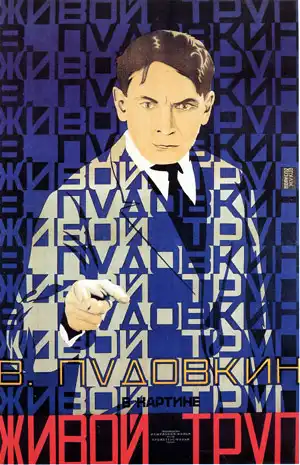
A definitive 7.1/10 rating for a film that redefined the boundaries of cult cinema. The Living Corpse remains a cornerstone of transgressive art.
Right off the bat, if you’re looking for something fast-paced or, you know, a happy ending, The Living Corpse isn’t it. This one is for the folks who appreciate a deeply felt, *very* old-school tragedy, especially if you’re into the kind of moral quandaries only classic literature — here, Tolstoy’s play — can really serve up. If you just want to relax after a long day, you might wanna pick something else. 💔
The whole premise feels ripped from a novel, which, well, it is. We meet Fjodor Protassow, a man just absolutely stuck. He loves his wife, Liza, but he sees she’s got eyes for another guy, Victor. And he wants her to be happy. So far, so simple, right?
But here’s the kicker: the church, back then, just said *nope* to divorce. Not happening. So Fjodor, in a moment of pure, almost desperate, sacrifice, decides to do the unthinkable. He fakes his own death. To free her. It’s a bold, **a really drastic,** move. You can almost feel the movie trying to convince you this moment matters.
The film doesn't rush this decision. You feel the weight of it, the quiet despair in Vladimir Uralskiy’s eyes. There’s a scene where he's just... *staring* into nothing, slumped in a chair, and you almost want to reach through the screen and tell him not to. It lingers, that shot.
Then we get into the "living corpse" part. And this is where it gets interesting, but also, kind of bleak. Fjodor isn't exactly living a glamorous new life. He’s wandering, associating with, let's call them, *less reputable* crowds. He’s a ghost in his own life, a man without a name, without a place. The way the film shows his descent, or maybe just his drift, it’s quite something.
The movie really lets you sit with this. His existence becomes this drawn-out, lonely thing. There’s a moment, I think, it’s just a glance, where he sees Liza and Victor together, maybe from across a crowded street, and it’s **devastating**. Not in a dramatic, sobbing way, but just a quiet, *aching* kind of devastation. You see the cost of his "freedom." The crowd scenes have this oddly empty feeling, like half the extras wandered off, making his isolation even more pronounced.
Meanwhile, Liza and Victor try to move on. They do get married, eventually. But the shadow of Fjodor, or rather, the *idea* of him, hangs over everything. The church’s strict rules caused all this mess, really. It’s a very pointed observation about societal constraints, actually.
The film, being from its era
IMDb —
1921
Community
Log in to comment.