DbcultAccessing Vault...
2.3/10
Senior Film Conservator
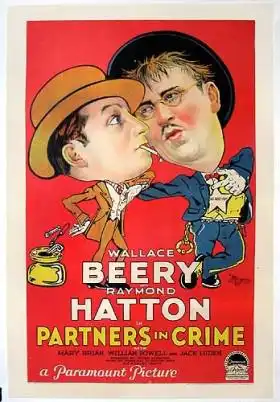
A definitive 2.3/10 rating for a film that redefined the boundaries of cult cinema. Partners in Crime remains a cornerstone of transgressive art.
I don’t know if anyone actually watches 1928 silent parodies for the plot, but if you do, you’re going to be disappointed by Partners in Crime. It’s worth watching today only if you’re a completionist for the Beery and Hatton comedy duo, or if you want to see William Powell before he became the world's most sophisticated man. People who like tight, logical storytelling will probably hate this. It’s a mess, but it’s a specific kind of late-silent-era mess that has its own weird energy.
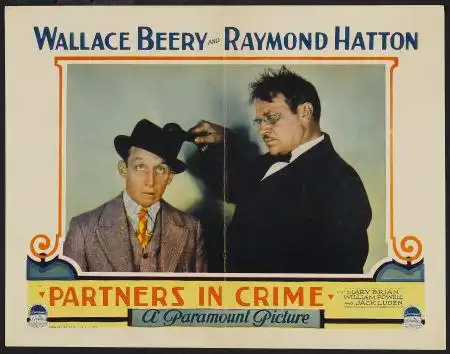
The whole thing is supposed to be a 'burlesque' of the movie Underworld, which was a huge deal back then. But the parody is pretty thin. Half the time, it feels like they forgot they were making a comedy and just started filming a regular gangster movie, then remembered they needed a joke and had Wallace Beery fall over something. Beery plays Mike Doolan, this amateur PI, and he spends a lot of the movie looking like he’s about to burst out of his suit. There’s this one scene where he’s trying to be stealthy, and his physicality is so huge and clumsy that it actually becomes the only funny thing in the frame. He’s not subtle.
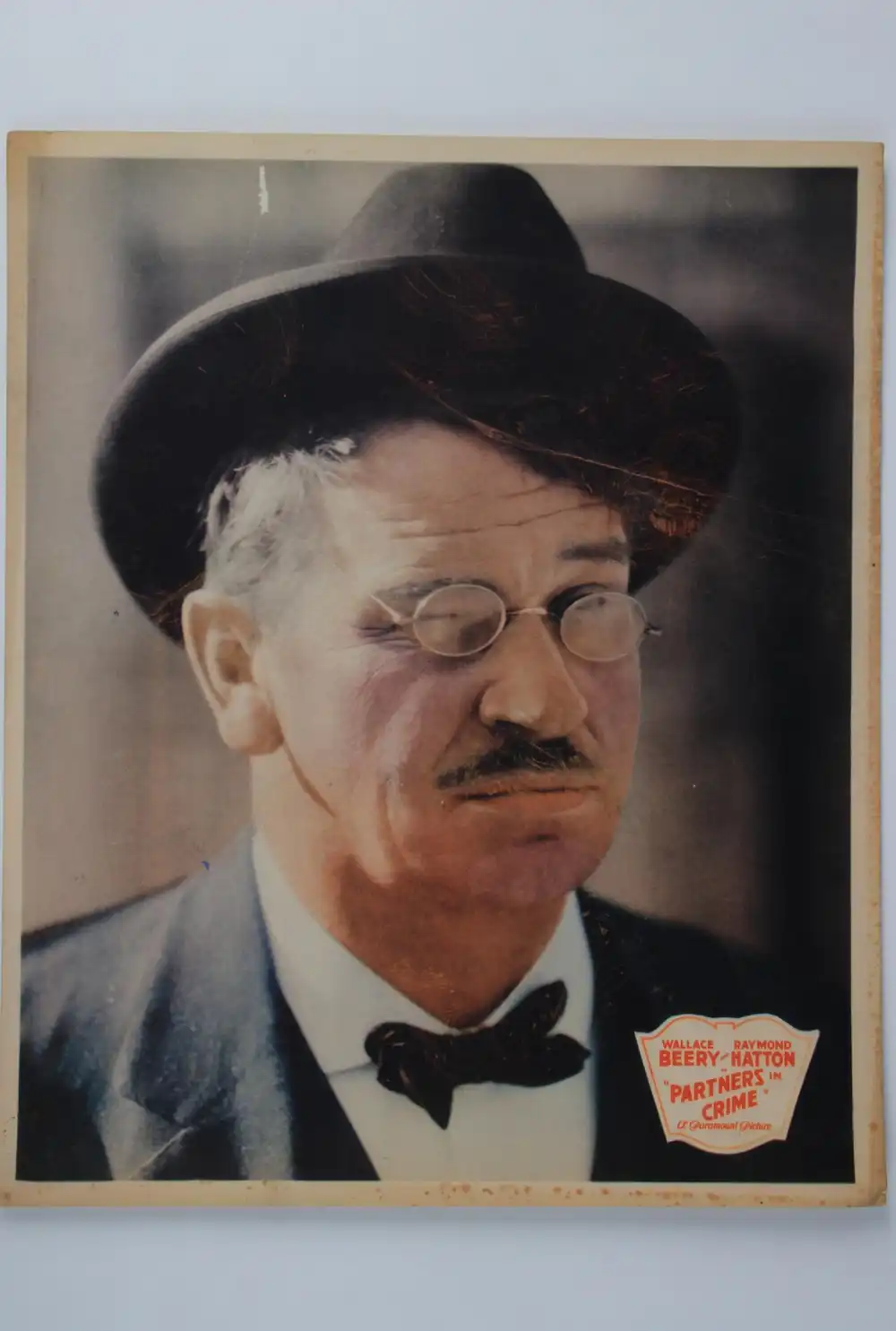
Then you’ve got Raymond Hatton playing 'Scoops' McGee. The movie relies entirely on the fact that Scoops looks exactly like a gang leader. It’s a trope as old as time, and they don’t do anything particularly new with it here. There’s a scene where the two 'doubles' are supposed to be in the same orbit, and the editing gets noticeably choppy. You can tell they were struggling with the split-screen or the body doubles. One shot of the back of a head is clearly a different guy with a different haircut. It’s those little technical hiccups that make these old movies feel more human to me than the polished stuff we get now.
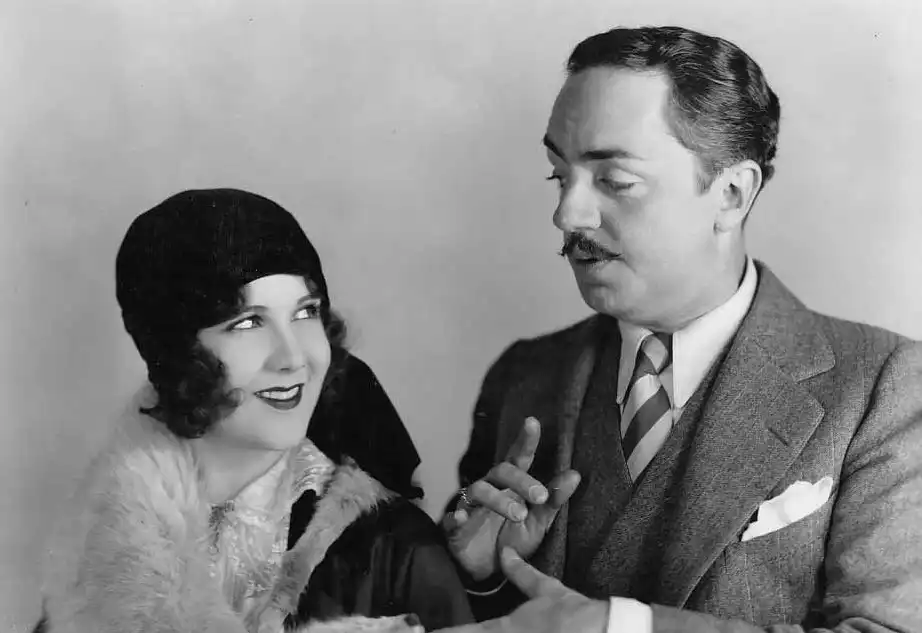
William Powell is the best thing in this, which isn't a surprise. He plays Smith, and even in a silly parody, he has this stillness that makes everyone else look like they’re overacting. He’s got this pencil-thin mustache and eyes that seem to be judging the rest of the cast for being in such a goofy movie. He’s doing a 'heavy' role here, similar to what you might see in something like The Show, but with a bit more of a wink to the audience. Every time he’s on screen, the movie feels about 20% more professional.
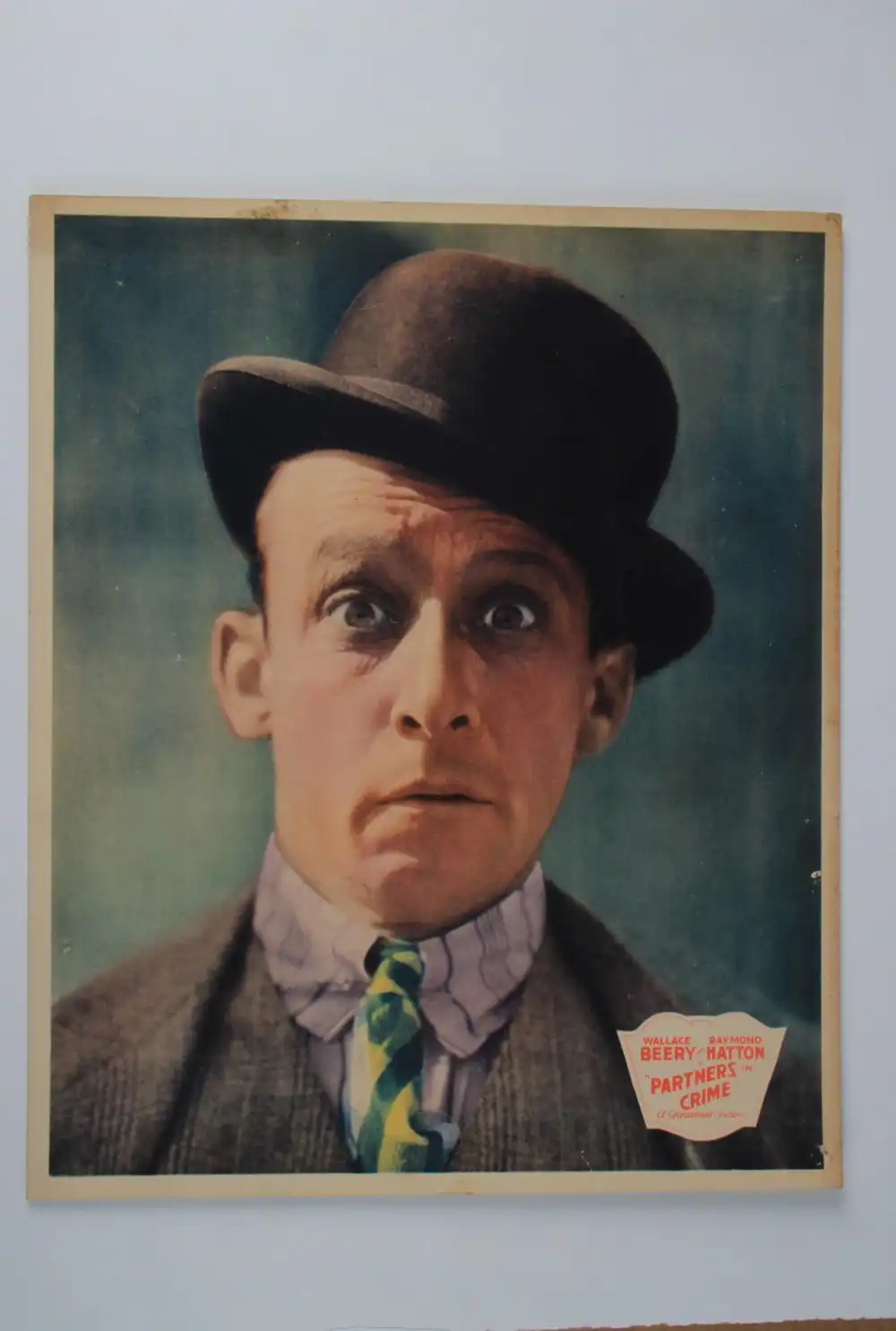
The pacing is where it really falls apart. There’s a long stretch in the middle where they’re just hanging out in the gang hideout, and the intertitles start getting really wordy. I found myself checking how much time was left. It lacks the atmospheric tension of The City That Never Sleeps, which handled the urban crime vibe much better, even if that one wasn't trying to be a comedy. Here, the 'turf war' feels like a bunch of kids arguing over a sandcastle. The extras in the background of the club scenes look like they were told to 'act busy' but weren't given any props, so they’re just sort of waving their hands around and nodding aggressively at nothing.
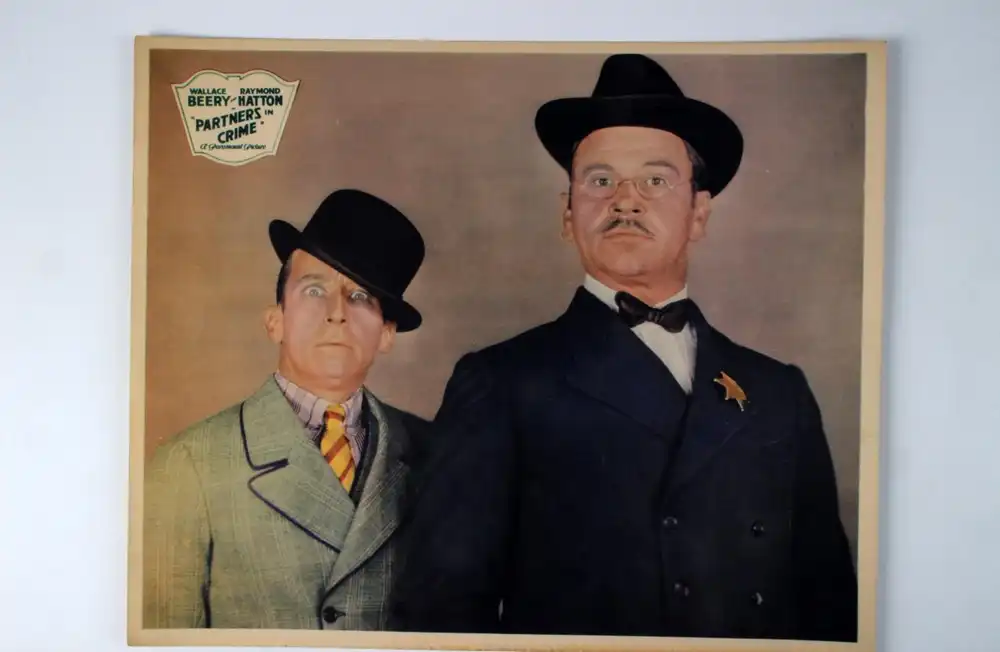
There’s this one weirdly specific moment where a character is lighting a cigar, and the camera just stays on him for an uncomfortably long time. He strikes the match, it goes out. He strikes another one. He finally gets it lit. He puffs. He looks at the cigar. It goes on for like fifteen seconds too long. It’s not a joke, and it’s not character development. It just feels like the editor went to get a sandwich and forgot to cut the film. I kind of loved it for how awkward it was.
Mary Brian is there too, playing the girl, but she doesn't have much to do besides look worried and wear hats that look slightly too big for her head. Her chemistry with the leads is... non-existent? She feels like she’s in a different movie entirely, maybe a straight romance like Crying for Love, while Beery and Hatton are doing a vaudeville routine three feet away from her.
The ending shootout is a chaotic jumble of smoke and people falling over. It’s supposed to be the big climax, but the geography of the room is so confusing that I couldn't tell who was shooting at who. It’s just a lot of flailing. But then, right at the end, there’s a small reaction shot from Hatton that actually landed a genuine laugh from me—just a look of pure, exhausted confusion. It’s those tiny moments that keep you watching.
Is it a classic? Absolutely not. It’s a disposable piece of 1920s entertainment that survived by accident. But if you want to see the DNA of the buddy-cop genre before it was even a thing, or if you just want to see William Powell being effortlessly cool in a room full of idiots, it’s worth a look. Just don't expect it to make much sense.
IMDb 6
1919
Community
Log in to comment.