DbcultAccessing Vault...
Cult Review
Senior Film Conservator
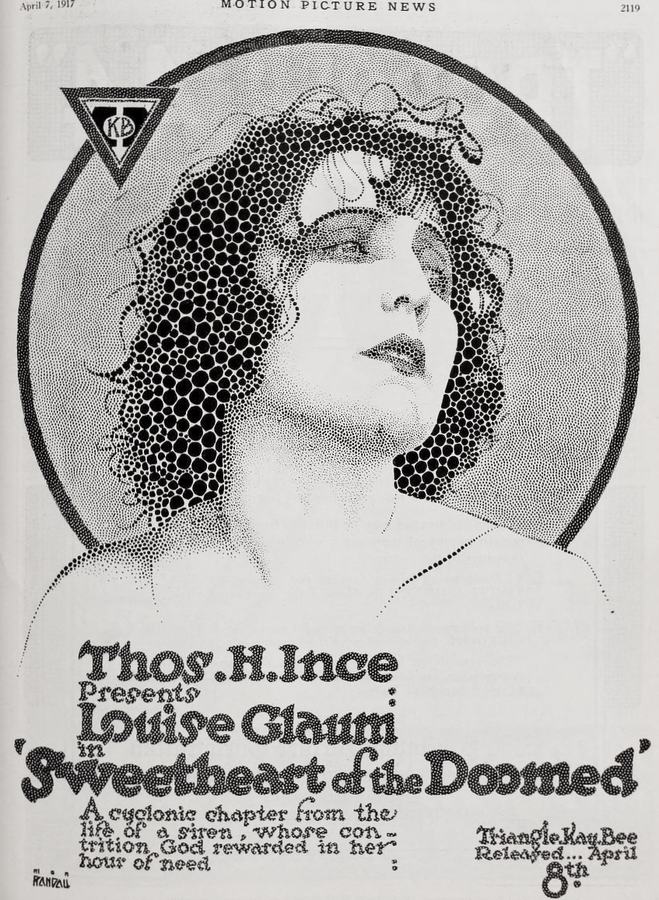
Ah, the silent era. A time when melodrama reigned supreme, when exaggerated gestures conveyed the deepest anguish or the most profound joy, and when the very air in the darkened theater crackled with unspoken narratives. Among the myriad cinematic gems of this period, some shine with a particular, almost defiant luminescence. One such film, often overlooked in mainstream retrospectives, yet undeniably potent in its thematic execution, is the 1916 drama, Sweetheart of the Doomed. This picture, starring the mesmerizing Louise Glaum, plunges the viewer into a vortex of betrayal, vengeance, and the unexpected, transformative power of burgeoning affection. It is a testament to the era's capacity for intricate emotional storytelling, even without the luxury of spoken dialogue.
At its core, Sweetheart of the Doomed is a character study, a deep dive into the psyche of Honore, a woman whose life trajectory is irrevocably altered by a foundational act of masculine deceit. We are introduced to her not as a villain, but as a victim, a young girl whose innocence is ruthlessly shattered by a man's betrayal. This pivotal trauma does not merely wound her; it reshapes her very being, forging a steely resolve and a profound, all-encompassing hatred for the male gender. It’s a compelling, albeit tragic, origin story that immediately draws the audience into her plight, even as her subsequent actions become increasingly morally ambiguous. One cannot help but empathize with the initial injury, even if the resulting path is fraught with ethical complexities. This isn't merely a tale of a woman scorned; it's a narrative of a soul meticulously reconstructed around the edifice of vengeance.
Louise Glaum, a name perhaps less widely celebrated today than some of her contemporaries, delivers a performance that is nothing short of captivating. Her Honore is not a one-dimensional caricature of bitterness. Instead, Glaum imbues her with a simmering intensity, a controlled fury that occasionally flares into devastating displays of emotion. Her eyes, often shadowed with a melancholic determination, speak volumes. Every tilt of her head, every subtle shift in her posture, communicates the heavy burden of her past and the relentless drive of her present mission. It's a masterclass in silent film acting, where the absence of dialogue necessitates a heightened physicality and an almost telepathic connection with the audience. Her portrayal elevates Honore beyond a simple archetype, making her a complex, albeit flawed, heroine whose journey, however dark, remains compelling.
Honore's revenge is not a spontaneous eruption of anger; it is a carefully orchestrated campaign, a series of calculated conquests designed to inflict the same emotional devastation she herself endured. Each man she ensnares becomes a proxy for her original betrayer, a pawn in her grand, destructive game. This methodical approach to vengeance is what gives the film a psychological depth that transcends simple melodrama. It forces the audience to consider the long-term psychological impact of trauma and the insidious ways in which pain can metastasize into a consuming obsession. Her targets are not random; they are chosen with a cold, precise logic, each encounter reinforcing her conviction that all men are inherently untrustworthy, deserving of her wrath.
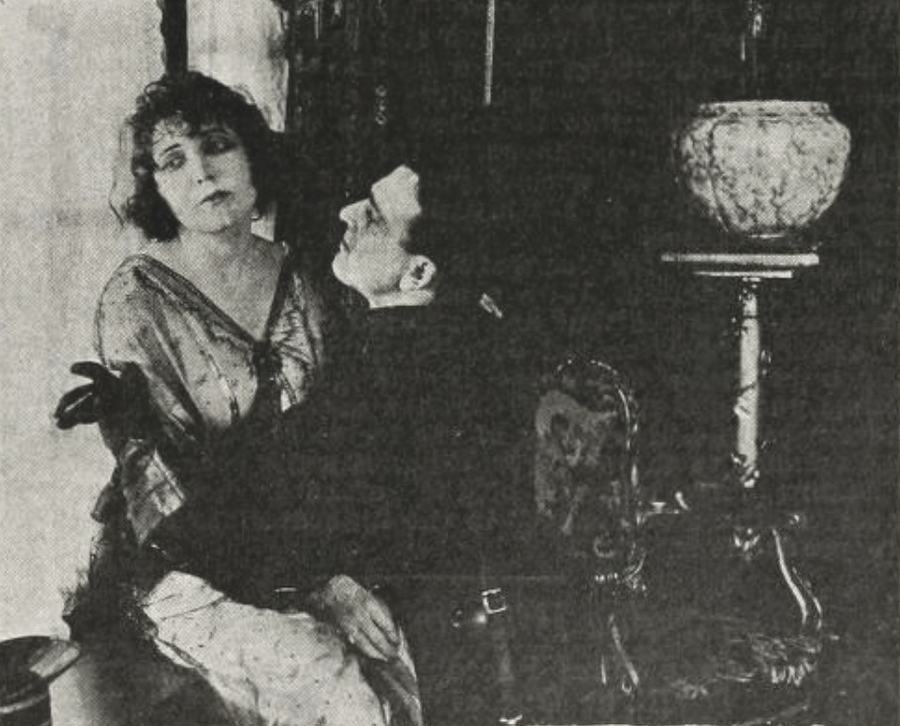
The narrative truly ignites when Honore sets her sights on General Durand, portrayed with a dignified gravitas by Tom Guise. Durand is not just another man; he is the uncle of her betrayer, a direct link to the source of her suffering. For Honore, ruining Durand is not merely an act of personal vengeance; it is a seismic blow against the entire family, a comprehensive dismantling of their prestige and emotional well-being. Her plan is audacious: to seduce the General, to accept his proposal of marriage, and then, at the zenith of her triumph, to expose her true motives, leaving him utterly humiliated and his family irrevocably tarnished. The stakes are incredibly high, and the tension builds palpably as Honore navigates the treacherous waters of feigned affection, all while her true intentions remain veiled beneath a veneer of charm and desirability.
The dynamic between Honore and General Durand is a fascinating study in manipulation and genuine emotion. Durand, a man of stature and experience, is utterly blindsided by Honore's allure. He sees in her what he desires to see: beauty, grace, and an apparent tenderness. His unsuspecting adoration only fuels Honore's resolve, making her ultimate act of betrayal seem all the more devastating. The film skillfully portrays this slow burn of attraction and deception, allowing the audience to witness the cruel irony of Durand falling deeply in love with the very person orchestrating his downfall. It’s a psychological chess match, with Honore consistently several moves ahead, her every gesture and glance a calculated step towards her ultimate goal.
This intricate plot of calculated revenge shares thematic echoes with other films of the era that explored the darker facets of human nature and societal strictures. One might draw parallels to the complex female protagonists found in films like The Divorcee, where women navigate oppressive social landscapes, often resorting to unconventional or morally ambiguous means to assert their agency. While Honore's path is distinctly more destructive, the underlying drive for control and self-determination resonates. Similarly, the dramatic tension inherent in a woman operating under a false pretense, as seen in parts of The Marriage of Kitty, albeit with entirely different motivations, highlights the era's fascination with identity and deception in romantic entanglements.
Just as Honore's meticulously crafted plan approaches its terrifying fruition, a wrench is thrown into her gears, one that she neither anticipated nor could have possibly controlled: love. She meets a young French soldier, portrayed by Charles Gunn, a man utterly untainted by her past, unaware of the deep scars that drive her. This soldier represents everything Honore has consciously rejected: innocence, genuine affection, and the possibility of a future untainted by bitterness. His presence introduces a profound moral dilemma, forcing Honore to confront the very humanity she has suppressed for so long. Her heart, once a fortress of resentment, begins to show cracks, allowing the insidious warmth of affection to seep in.
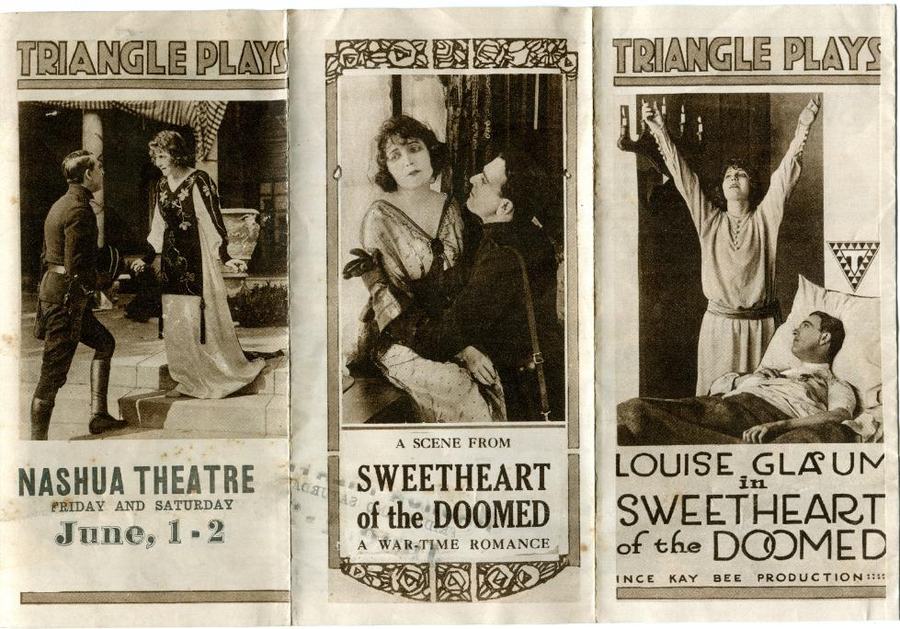
This unexpected romance is where the film truly transcends its melodramatic roots and delves into deeper psychological territory. It’s a classic narrative device, certainly, but in Glaum's hands, it feels fresh and agonizingly real. The internal conflict that Honore experiences is palpable. How can she reconcile her burning desire for vengeance with this burgeoning, tender emotion? Is redemption possible for a soul so consumed by hatred? The film doesn't offer easy answers, instead allowing the audience to witness the excruciating struggle within Honore as she grapples with these opposing forces. This internal battle is conveyed through subtle shifts in her expressions, moments of hesitation, and the conflict evident in her interactions with both men. It's a powerful portrayal of a woman caught between her past wounds and a potential future of healing.
The brilliance of silent cinema, particularly in a film like Sweetheart of the Doomed, lies in its ability to communicate complex emotional states without a single spoken word. The director, along with the astute work of writers Monte M. Katterjohn and Jerome N. Wilson, leverages every tool at their disposal: facial expressions, body language, intertitles, and even the stark contrasts of light and shadow. The close-ups on Glaum's face, in particular, are incredibly effective, allowing the audience to peer into the depths of Honore’s turmoil. The cinematography, while perhaps not as overtly experimental as some later silent films, serves the narrative with a directness and clarity that is often breathtaking. The framing of scenes, the use of props, and the overall mise-en-scène all contribute to a rich tapestry of visual storytelling that is both impactful and remarkably nuanced.
The contrast between the harsh, almost cynical world Honore has constructed and the gentle, hopeful world offered by the young soldier is visually reinforced. Scenes with Durand might be bathed in more formal, perhaps even stark, lighting, emphasizing the calculated nature of their interactions. Conversely, moments with the soldier might employ softer lighting, creating an atmosphere of intimacy and vulnerability. This deliberate use of visual language underscores the central thematic conflict of the film, adding layers of meaning to an already compelling narrative. This kind of nuanced visual storytelling is a hallmark of the era, and films like The Glory of Yolanda similarly excelled at conveying intricate emotional landscapes through purely visual means.
Beyond the surface narrative of revenge, Sweetheart of the Doomed delves into profound themes of redemption, the nature of forgiveness, and female agency in a patriarchal society. Honore's journey forces the audience to question whether true healing can come from inflicting pain on others, or if it requires a more profound internal shift. Her initial motivation, while understandable given her past, ultimately traps her in a cycle of negativity. The arrival of the young soldier, and the love he awakens within her, offers a potential escape from this self-imposed prison. It suggests that even the most hardened hearts can be softened, and that the capacity for love and forgiveness remains, however dormant, within us all.
Furthermore, the film, through Honore's character, subtly explores the limited avenues available to women seeking agency in the early 20th century. Betrayed and disempowered, Honore’s chosen path of revenge, however destructive, is a desperate attempt to reclaim control over her life and her narrative. She refuses to be a passive victim. While her methods are extreme, her underlying desire for self-determination resonates. This aspect of the film links it to a broader conversation within silent cinema about the evolving role of women, a theme also powerfully explored in films such as Lady Barnacle or even the more overtly political For the Queen's Honor, where female characters often defy societal expectations in pursuit of their own destinies.
In an age dominated by CGI and multi-sensory experiences, it is easy to dismiss silent films as antiquated relics. However, Sweetheart of the Doomed stands as a powerful rebuttal to such an oversight. Its narrative complexity, the nuanced performances, and its exploration of universal human emotions demonstrate the enduring power of storytelling, irrespective of technological advancements. The film’s ability to evoke such strong emotional responses, to immerse the viewer completely in Honore’s internal struggle, is a testament to the artistry of its creators. It reminds us that the essence of cinema lies not in sound or special effects, but in its capacity to connect with the human condition, to explore the depths of our joys and sorrows, our triumphs and our failures.
The film’s legacy, while perhaps not as widely discussed as some canonical works, is significant for its portrayal of a strong, albeit morally compromised, female lead. Louise Glaum's Honore is a character who leaves an indelible mark, challenging audiences to look beyond simple good and evil, and to grapple with the complexities of human motivation. It's a film that deserves to be rediscovered, studied, and appreciated for its intricate narrative, its powerful performances, and its profound thematic resonance. It’s a silent film that speaks volumes, echoing through the decades with a message about the corrosive nature of vengeance and the redemptive power of an open heart.
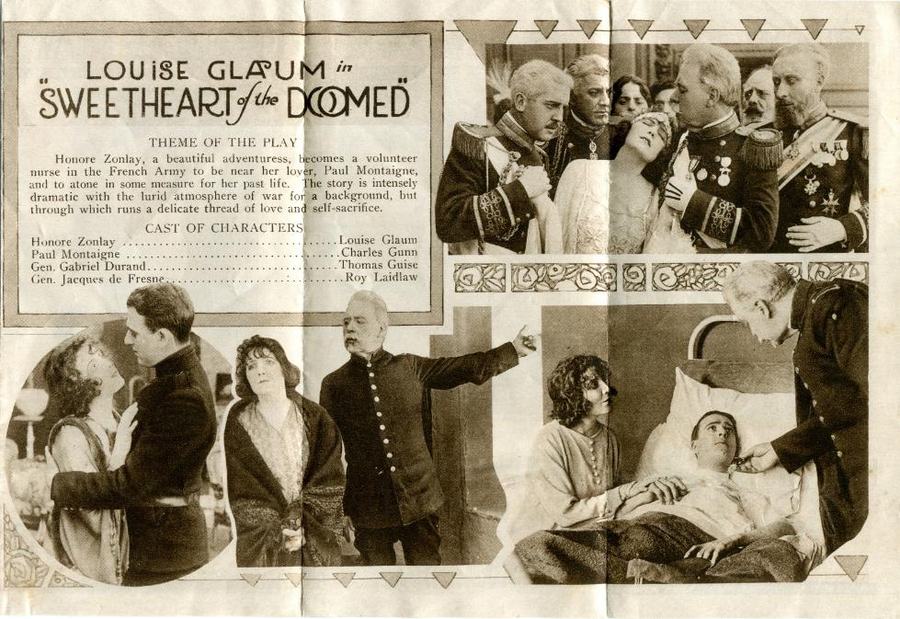
The collaborative efforts of Monte M. Katterjohn and Jerome N. Wilson, as writers, crafted a narrative that is both intricate and emotionally resonant. Their script provides the sturdy framework upon which Glaum's powerful performance and the director's vision are built. The supporting cast, including Roy Laidlaw, also contributes to the film's overall authenticity and dramatic impact, creating a believable world for Honore's tumultuous journey. Each character, however minor, serves a purpose in advancing the plot and highlighting Honore's internal and external conflicts. This meticulous attention to character and narrative structure ensures that the film remains engaging from its opening frames to its poignant conclusion.
Ultimately, Sweetheart of the Doomed is more than just a historical curiosity; it is a profound cinematic experience that continues to resonate with contemporary audiences. Its exploration of betrayal, revenge, and the arduous path to redemption is timeless. It’s a compelling reminder of the rich tapestry of early cinema and the powerful stories it was capable of weaving. Do yourself a favor and seek out this forgotten gem; it’s a journey into the heart of darkness and the glimmer of hope that can still shine through.
IMDb 5.9
1923
Community
Log in to comment.