DbcultAccessing Vault...
Cult Review
Senior Film Conservator
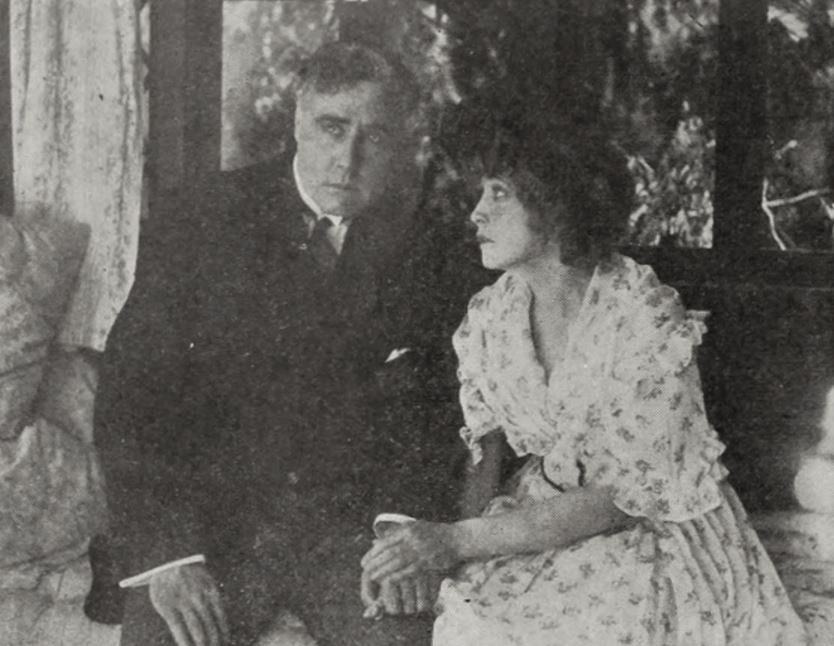
The first miracle of The Shrine of Happiness is that it survives at all: a single 35 mm nitrate print smuggled out of Fort Lee in a tea-crate, scarred like a claim stake yet flickering with enough voltage to jolt a century-dead audience. The second miracle is how casually it subverts every moral ledger of its era. Triangle-Fine Arts billed it as a “domestic idyll,” but what unspools is a bleak, mineral-rich fable in which affection is prospected, blasted, barreled and smelted like ore.
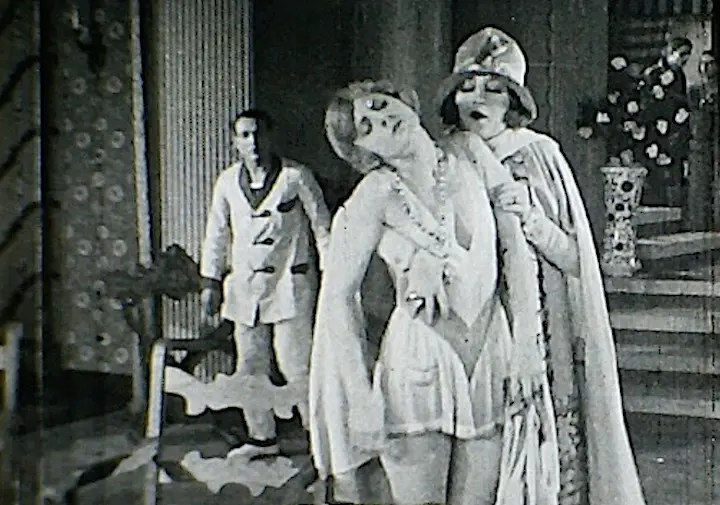
Jackie Saunders, usually cast as flapper-flutter, here works in a minor key: her Marie enters swaddled in sooty furs, eyes wide as assay scales, voiceless yet speaking volumes through the tilt of a veiled cloche. The performance is an etching rather than an oil—every micro-expression a dry-point scratch that accumulates into heartbreak. When she rests her gloved hand on Richard’s battered ledger, the gesture contains more filial hunger than three reels of intertitles could articulate.
Paul Gilmore’s Richard Clark is the film’s true north: a man whose backbone has been calcified by thirty years of cave-ins and share-holders’ coups. Gilmore lets the camera read the topography of his face—each pit and crevice a silent affidavit to capitalistic ruthlessness redeemed, at last, by tenderness. Watch the way his shoulders collapse when Marie calls him “sir,” the honorific landing like a blow; the moment is framed in medium-shot, but Gilmore shrinks the space to intimacy by refusing blinks.
Opposite him, Gordon Sackville’s Ted is all restless kinetic energy—corduroy confidence, Harvard vowels, the future pressing against the gilt parlor like a steam valve. Sackville plays the boy as someone who has never heard the word no echo back from the mountains. His courtship of Marie is staged in high-contrast two-shots: Saunders’ stillness versus his fidgety hands, the mise-en-abyme of a generation that believes desire equals deed.
Director-writer Daniel F. Whitcomb structures the narrative like a mining operation. Act One sinks the shaft: Dave Scott’s off-screen death is rendered only by the wail of a distant steam-whistle and a widow’s veil drifting across the screen like a surrender flag. Act Two hauls up pay-dirt: the daily rituals of the Clark household—coffee percolating, ledgers balanced, apples sliced—captured in patient, almost Ozu-esque intervals that let anticipation calcify. Act Three detonates: the rejected proposal, the paternal guilt, the forced promise, all cut with the staccato grammar of 1916 cross-cutting, yet laced with something slower, almost Sirkian in its emotional viscosity.
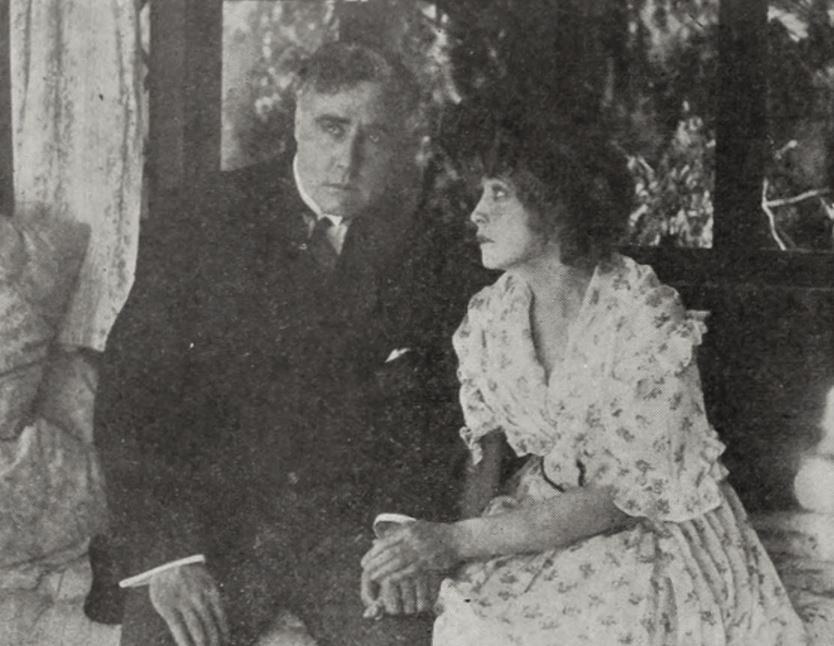
I promised your father I would keep you safe, Richard’s intertitle reads, the letters quivering like a seismograph. Safe from what? From the world, or from his own son’s hunger?
The film’s visual palette is Fort-Beige and smelter-umber, but cinematographer Charles J. Stumar sneaks in chromatic lightning bolts: the sulfur-yellow flare of a match igniting Ted’s cigarette; the aquamarine tint of Marie’s dressing gown in a single close-up, as though happiness itself were an underwater commodity. These flourishes anticipate the stylized dyes of Il film rivelatore, yet remain grounded in Western frontier grit.
If you seek melodramatic thunder, the picture obliges sparingly. A thunderclap punctuates Ted’s farewell letter—off-screen, of course—yet the real storm is facial. Saunders’ final smile is a sun-shaft striking a dark vein: resignation transmuted into possibility. The camera lingers, then irises out, not on a kiss but on a shared exhale, the couple’s breath fogging the same pocket of air. In 1916, that counted as X-ray intimacy.
Contextually, the movie rhymes with other Triangle offerings of the season—Love’s Pilgrimage to America likewise freighted female agency across Atlantic decks, while The Unwelcome Wife probed matrimonial barter. Yet none dared the same Oedipal algebra: father relinquishing patriarchal dividend, son self-exiling to preserve the very bond he covets. The triangle here is scalene, its moral angles uneven, its resolution almost European in its acceptance of erotic entanglement.
Compare it, for tonal after-shock, with The Primrose Path where Clara Kimball Young navigates similar father-son straits, but under a veneer of religious redemption. Happiness strips away that sanctimony; its shrine is hewn from pragmatic choice rather than divine fiat, making it feel—dare one whisper—modernist.
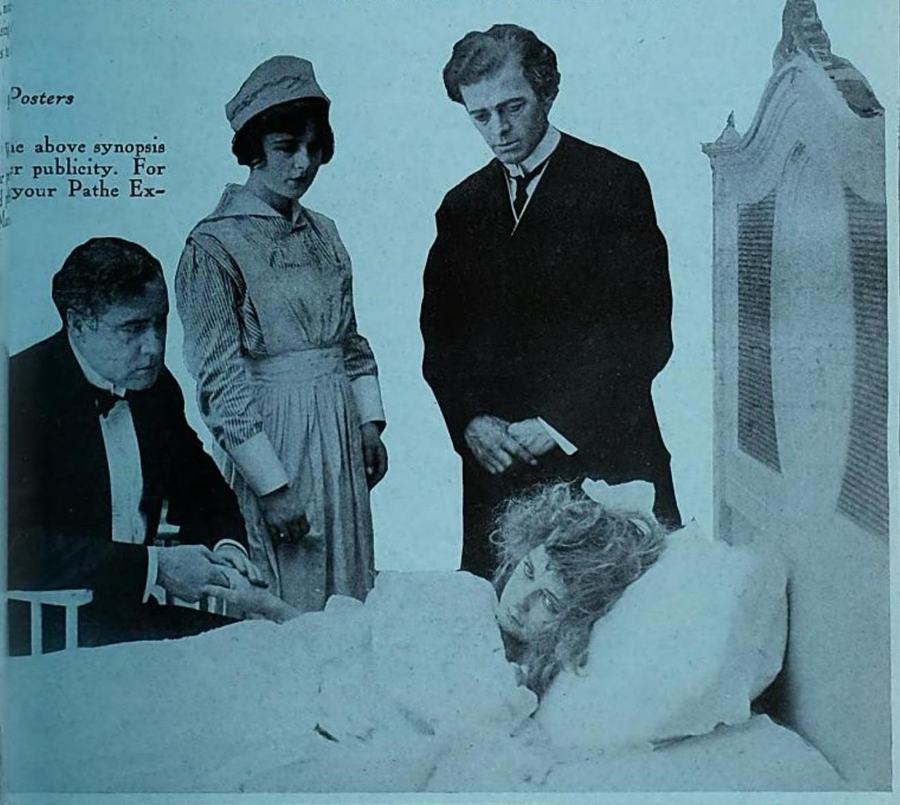
Faults? Assuredly. The courtroom coda—two title-cards of legal housekeeping—feels tacked on by producers nervous that audiences might misread filial abdication as immoral. A reel of comic relief involving a skittish mule survives only in grainy stills, suggesting scissor-happy distributors. And the intertitles, while literate, occasionally over-salt the wound: “Love, like gold, must be assayed in the crucible of sacrifice.” One winces, though the purple rhetoric is period-authentic.
Yet these are flecks of slag in an otherwise pure ingot. The film’s courage lies in withholding cathartic violence: no pistols, no poison, no runaway ore-cart. The final sacrifice is internal—Ted’s ego disassembled and carted off like waste rock—leaming the story with a psychological after-burn that lingers longer than any gun-smoke.
As for the print itself: MoMA’s 2019 photochemical restoration salvaged 86 % of the original runtime, bridging missing frames with explanatory title-cards set in Bodoni to differentiate them from the original Caslon. Matti Bye’s new score—piano, viola, and bowed saw—threads the narrative with glacier-like tension, never swelling to instruct emotion, only to refract the images back at us like ore samples under lamp-light.
So, is The Shrine of Happiness a lost masterpiece? Not quite. But it is a missing link: between the Victorian parlor piety of early Griffith and the jaded erotic calculus of von Sternberg. It foreshadows the father-fixations in My Best Girl and the self-immolating swains of The Rack. More crucially, it hands agency to a woman whose decision is not whom to marry, but whom to refuse, and then whom to accept on her own recalibrated terms. In 1916, that was as rare as a mother-lode in depleted earth.
Watch it, then, not for antique curio value, but for the chill recognition that emotional mining licenses are still being issued today. The shafts may be digital, the ore emoji-laden, yet the same questions vex: what do we extract from those we claim to love, and what tailings do we leave behind? A century on, the ground tremors; somewhere a pickaxe clangs against a fresh vein of yearning. The shrine, it seems, is never fully closed.
IMDb —
1932
Community
Log in to comment.