DbcultAccessing Vault...
Cult Review
Senior Film Conservator
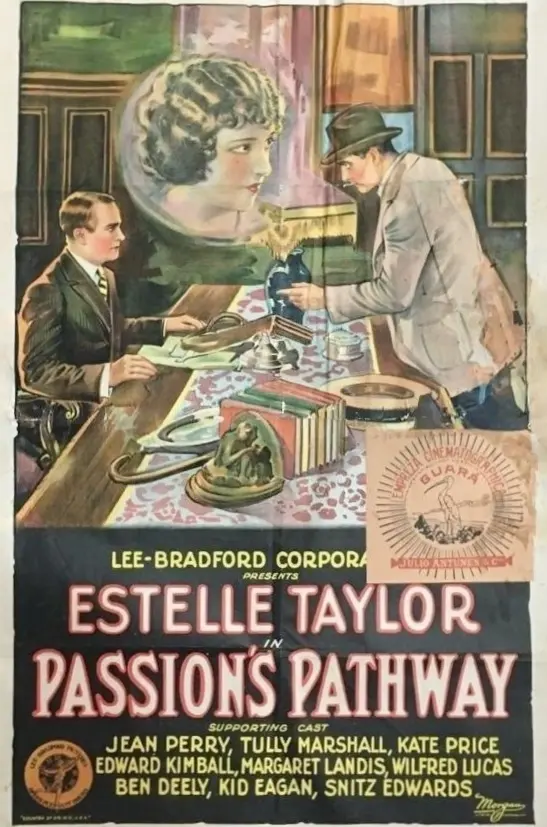
In the gritty, sun-baked landscapes of Mexico and the industrial might of the U.S., 'Passion's Pathway' unfolds a tale of courage, betrayal, and the unyielding human spirit. The film centers around Hugh Kenyon, a mine protector whose valor in defending his post against a gang of gringo outlaws is a testament to his unwavering dedication and bravery. His journey, however, takes a poignant turn as he returns to the United States, his arm injured and his heart heavy with the weight of his family's needs.
Upon his return, Hugh finds himself unemployed and at the mercy of the very system he once served. The employer who once recognized his worth is now swayed by a false accusation, fueled by a former suitor of his wife, who claims Hugh has been dishonest in his dealings. This betrayal leaves Hugh with no choice but to confront his former employer, a wealthy man whose opulent mansion stands in stark contrast to the destitution Hugh now faces. With a gun in hand, Hugh storms into the man's home, demanding not just financial assistance, but a reaffirmation of his value to society. This confrontation is not merely a physical act of desperation, but a symbolic stand against the injustice that has befallen him.
The narrative takes a dramatic shift as the employer, moved by Hugh's sincerity and honesty, begins to reconsider his previous judgment. This pivotal moment serves as a catalyst for a broader examination of truth, loyalty, and the complexities of human nature. The film delves into the moral dilemmas faced by individuals in times of crisis, highlighting the importance of integrity and the redemptive power of genuine conviction. Through Hugh's journey, the audience is invited to reflect on the values that define us and the choices that shape our destinies.
The ensemble cast, led by Estelle Taylor, brings depth and nuance to their roles. Taylor's portrayal of Hugh's wife, a woman who stands by him through thick and thin, is a poignant reminder of the strength found in familial bonds. Margaret Landis and Jean Perry add layers of complexity to the narrative, their characters serving as foils to Hugh's journey, each with their own moral compass and set of choices.
The film's visual design is a blend of stark realism and evocative symbolism. The contrast between the rugged terrain of Mexico and the opulence of the American mansion serves as a visual metaphor for the chasm between Hugh's past and present. The cinematography effectively captures the emotional weight of each scene, from the tense standoff at the mansion to the quiet moments of reflection that underscore Hugh's inner turmoil. The use of lighting and color palette is particularly noteworthy, with scenes in Mexico often bathed in warm, natural light, while the American scenes are illuminated by the cold, artificial glow of urban life, highlighting the psychological transformation that Hugh undergoes.
Compared to contemporaries like 'Pace That Kills' and 'Man by the Roadside,' 'Passion's Pathway' stands out for its thoughtful exploration of moral themes. While 'Pace That Kills' focuses on the harsh realities of industrial labor, and 'Man by the Roadside' delves into the complexities of rural life, 'Passion's Pathway' offers a more intimate, personal narrative that resonates with universal human experiences. The film's pacing is deliberate, allowing the audience to immerse themselves in Hugh's journey and the emotional stakes of his actions. This measured approach adds depth to the narrative, making the eventual resolution all the more satisfying.
In terms of the supporting cast, actors like Edward Kimball and Wilfred Lucas bring a certain gravitas to their roles, their performances adding weight to the moral dilemmas presented. Snitz Edwards, Ben Deeley, and Tully Marshall, in smaller but impactful roles, contribute to the rich tapestry of characters that make up the film's narrative. Kate Price and Kenneth Gibson, while not as prominently featured, add their own unique flavors to the story, enhancing the overall emotional landscape of the film.
The screenplay, penned by [writers], is a masterclass in storytelling. The dialogue is sharp and crisp, each line carefully crafted to advance the plot and reveal character. The script balances humor with pathos, creating a narrative that is both entertaining and thought-provoking. The script's ability to weave in subtle social commentary without detracting from the central story is a testament to its skillful construction.
'Passion's Pathway' is not just a film about a man's struggle for survival; it is a poignant exploration of the human condition. The film challenges viewers to consider the nature of deception, the importance of honesty, and the redemptive power of integrity. It invites reflection on the choices we make and the impact they have on our lives and the lives of those around us. In an era where such themes are ever more relevant, 'Passion's Pathway' offers a powerful and timeless story that resonates with audiences across generations.
In conclusion, 'Passion's Pathway' is a beautifully crafted film that balances action, drama, and introspection. Its compelling narrative, strong performances, and thoughtful exploration of moral themes make it a must-watch for anyone seeking a deeply moving cinematic experience. While it may not be as overtly dramatic as some of its contemporaries, it offers a nuanced and rewarding journey that is both emotionally resonant and intellectually stimulating.

IMDb 5.5
1918
Community
Log in to comment.