DbcultAccessing Vault...
Cult Review
Senior Film Conservator
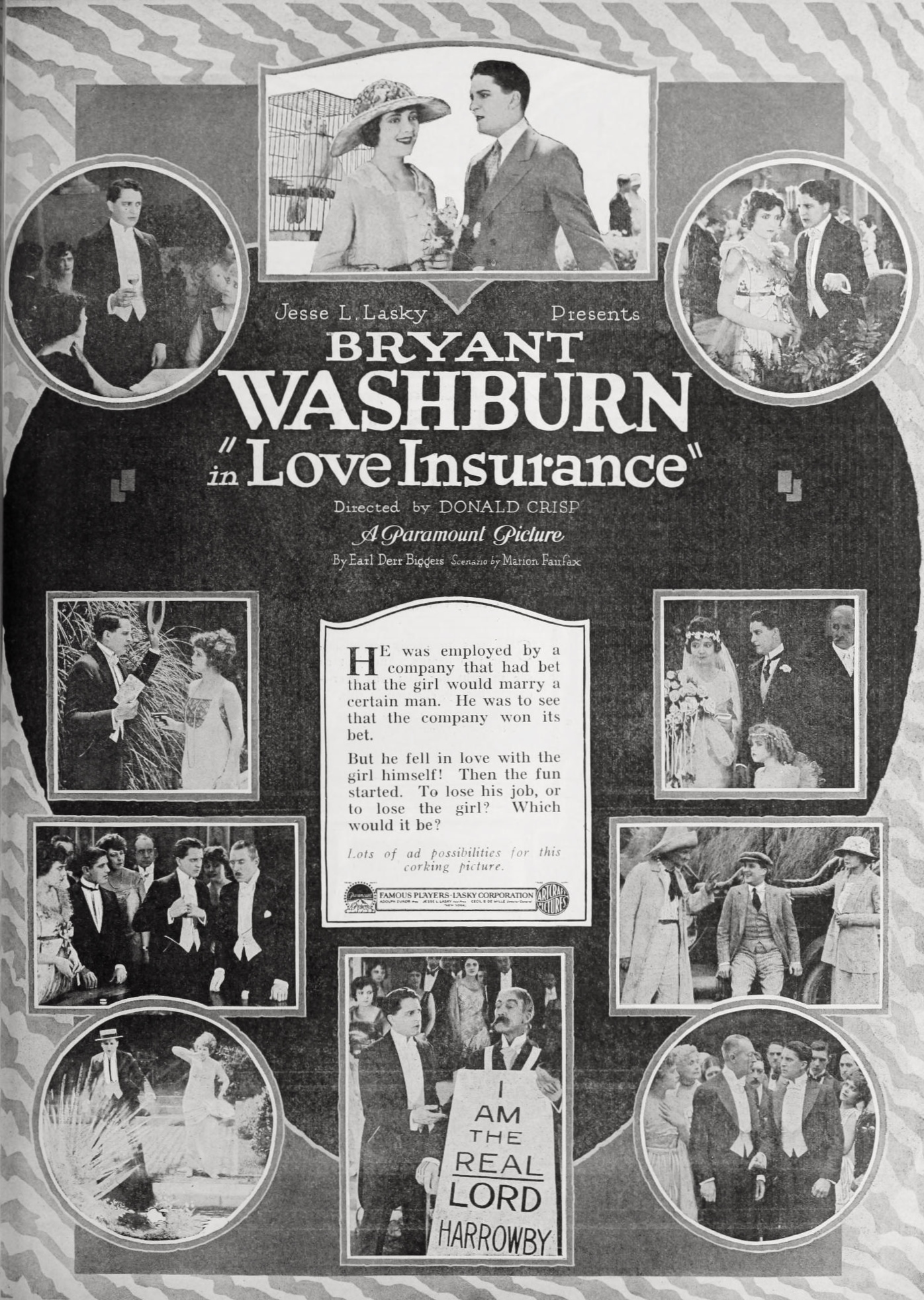
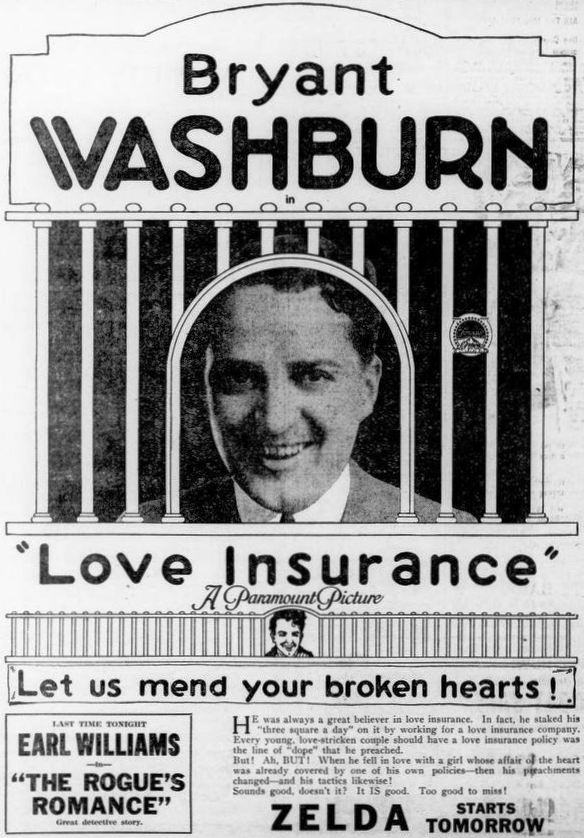
In an era when the very concept of insurance was expanding beyond mere material possessions, the 1919 cinematic offering Love Insurance dares to ask a truly audacious question: can one insure the heart? Or, more precisely, can one insure the successful execution of a marriage? This silent film, penned by the inventive minds of Marion Fairfax and Earl Derr Biggers, plunges into a narrative rich with comedic irony, mistaken identities, and a surprisingly poignant exploration of genuine affection emerging from a quagmire of calculated arrangements. It’s a testament to the enduring appeal of human foibles and the unpredictable nature of love, even a century after its initial release.
The film commences with a premise so delightfully absurd, it immediately captures the imagination. Allan Harrowby, a man of questionable nobility but undeniable financial shrewdness, takes out an insurance policy with the venerable Lloyd's of London. The object of this policy? His upcoming marriage. This isn't merely a quaint plot device; it's a brilliant narrative catalyst that sets in motion a chain of events far more intricate than Harrowby, or indeed Lloyd's, could have ever anticipated. It introduces a fascinating tension between the cold, calculating world of finance and the volatile, emotional landscape of human relationships. Can love, or at least the commitment to it, truly be quantified and indemnified against disruption?
Enter Dick Minot, portrayed with a compelling blend of professionalism and burgeoning romanticism by Bryant Washburn. As Lloyd's assistant manager in the U.S., Minot is dispatched to San Marcos, Florida, with a singular, rather unusual mission: to ensure the wedding proceeds without a hitch. His professional integrity demands he eliminate any threat to the union, yet fate, in its infinite jest, immediately throws a wrench into his carefully constructed objectivity. This initial setup is a masterclass in dramatic irony, foreshadowing the personal sacrifices and ethical dilemmas Minot will soon face. It establishes a narrative framework reminiscent of some of the era's more intricate comedies of manners, where societal expectations clash with individual desires, much like the intricate social dances explored in films such as The Key to Yesterday, where hidden identities and responsibilities often dictate romantic outcomes.
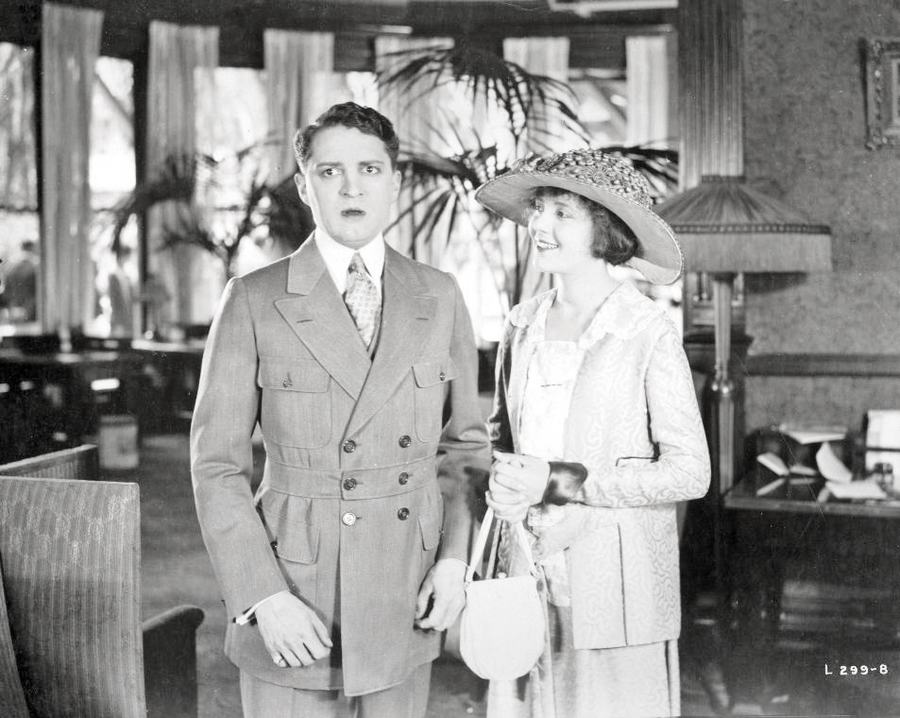
The heart of the film's romantic entanglement ignites on a train, a classic cinematic setting for chance encounters and burgeoning affections. Minot's journey is interrupted by the captivating presence of Cynthia Meyrick, brought to life with vivacity by Lois Wilson. Their connection is immediate, palpable, a testament to the spontaneous combustion of genuine attraction. The audience, much like Minot, is drawn into this nascent romance, only to have it cruelly dashed by the revelation that Cynthia is none other than Allan Harrowby's fiancée. This dramatic pivot forces Minot into an agonizing position: his professional duty to secure Harrowby's marriage now directly conflicts with his burgeoning personal desires. The poignancy of his struggle to subdue his feelings is a central emotional anchor of the film, highlighting the often-unseen battles waged between obligation and passion.
As if the romantic dilemma weren't enough, the plot thickens with a delicious layer of deceit and mistaken identity. A blackmailing valet, seeing an opportunity to elevate his own station, audaciously claims to be Harrowby's older brother and rightful heir. This bold imposture injects a thrilling element of suspense and comedic chaos into the proceedings. The film masterfully juggles these multiple narrative threads, demonstrating a sophisticated understanding of dramatic pacing. Just as the audience grapples with this new layer of deception, the true older brother and heir, George Harrowby, makes his grand entrance, skillfully portrayed by Theodore Roberts. George's arrival is not merely a plot device to expose the valet's fraud; it's a character introduction that subverts expectations.
George Harrowby is not the stuffy, entitled aristocrat one might anticipate. His accusation against the valet for stealing his yacht, delivered with a certain weary pragmatism, immediately establishes him as a man more concerned with tangible losses than abstract titles. This unexpected portrayal of nobility adds considerable depth to the ensemble. It’s a clever inversion of the traditional aristocratic trope, echoing the societal shifts and questioning of old money values prevalent in the post-World War I era, a theme subtly touched upon in other contemporary films like No Money, No Fun, which often explored the practicalities and absurdities of wealth.
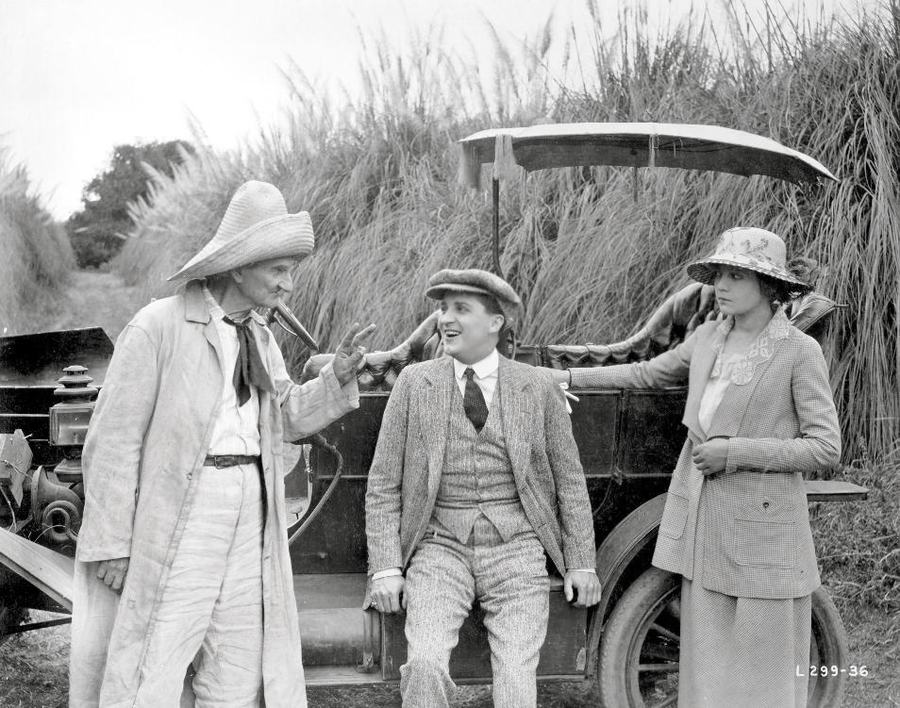
The unfolding chaos initially leads Cynthia's father to forbid the marriage, a natural reaction given the scandal brewing around Allan Harrowby. Yet, George Harrowby once again emerges as the unexpected voice of reason and humility. His declaration that his children in Chicago would simply "laugh at him" if he were to adopt a lordly title is a moment of pure, delightful wit that grounds the aristocratic melodrama in relatable, modern sensibilities. He resigns his title in favor of Allan, a gesture that, while seemingly resolving the immediate crisis, inadvertently sets the stage for the true emotional climax. This act of renunciation speaks volumes about shifting social values, where the practicalities of American life were starting to overshadow the perceived prestige of European aristocracy.
However, the meticulously constructed peace is shattered not by external forces, but by an internal moral reckoning. Cynthia, upon learning of the insurance policy taken out on her marriage, is rightfully indignant. Her reaction is a powerful statement on female agency and the inherent dignity of love. To be an insured commodity, a mere object whose compliance is financially guaranteed, is an insult she cannot abide. She calls off the wedding, a defiant act that reclaims her autonomy. Furthermore, her fury extends to Dick Minot, whom she spurns for his part in this transactional arrangement. This moment is crucial; it elevates Cynthia beyond a mere romantic interest to a character of principle and strength, refusing to be a pawn in a game of financial guarantees and social climbing. Her indignation is a powerful thematic statement, questioning the very notion of commodifying human relationships, a theme that resonates even today when discussing prenuptial agreements or arranged marriages for financial gain.
The narrative arc of Love Insurance culminates in a satisfying and thematically resonant resolution. Dick Minot and Cynthia Meyrick meet once again on a train – a symbolic return to their initial encounter, but now stripped of the deceptive layers and contractual obligations that previously marred their connection. This second meeting allows their love to blossom naturally, unburdened by the cynical machinations of an insurance policy or the complexities of mistaken identities. It’s a powerful affirmation that true love cannot be bought, sold, or guaranteed; it must emerge organically from mutual respect and genuine affection.
The film, through its clever plotting and engaging characters, effectively argues that while one might insure against financial loss or property damage, the human heart operates on an entirely different set of principles. The best policy for love, it suggests, is sincerity, honesty, and mutual attraction, rather than a contract with Lloyd's. This final resolution is not merely a happy ending; it’s a philosophical statement, delivered with charm and wit, about the inherent value and autonomy of human relationships. The journey of Dick and Cynthia, from professional obligation to genuine romantic entanglement, is both entertaining and insightful, offering a timeless commentary on the complexities of the human heart.
While a silent film, the performances in Love Insurance are far from muted. Bryant Washburn, as Dick Minot, carries the emotional weight of the narrative with a nuanced portrayal of a man torn between duty and desire. His expressions convey the internal conflict with remarkable clarity, a hallmark of excellent silent film acting. Lois Wilson's Cynthia Meyrick is equally compelling, embodying intelligence, charm, and a fiery independence that truly shines when she rejects the indignity of the insurance policy. Theodore Roberts, as the pragmatic George Harrowby, steals scenes with his understated humor and surprisingly grounded portrayal of nobility. The entire ensemble, including Edwin Stevens, P. Dempsey Tabler, and Fred E. Wright, contributes to a cohesive and engaging cinematic experience, bringing the richly detailed script to life through exaggerated yet effective gestures and facial expressions.
The direction, while uncredited in specific records for a general director, likely benefited from Marion Fairfax's strong hand as a writer, who was also a director and producer. The pacing is brisk, the comedic timing sharp, and the dramatic beats are well-executed. The film makes excellent use of its limited settings, particularly the symbolic train journeys that frame the beginning and end of Dick and Cynthia's relationship. The visual storytelling, characteristic of the era, relies on clear intertitles and expressive acting to convey the intricate plot, ensuring that even without dialogue, the audience is fully immersed in the unfolding drama and humor. The seamless integration of plot twists and character development speaks volumes about the craftsmanship involved in early Hollywood productions.
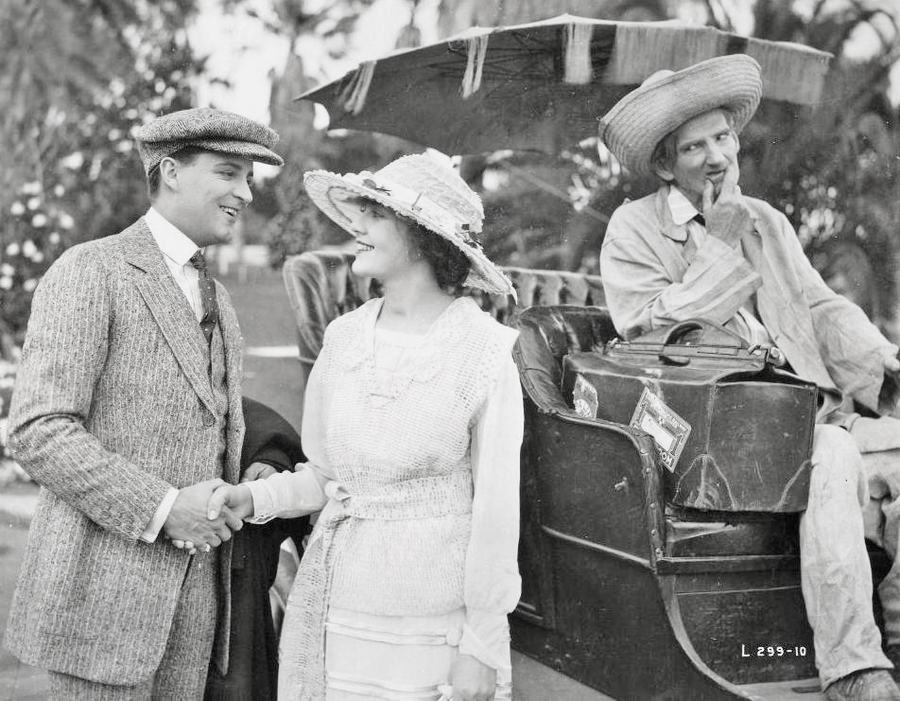
Love Insurance stands as a charming example of early 20th-century romantic comedy, demonstrating the genre's capacity for both lighthearted amusement and insightful social commentary. Its exploration of themes like the commodification of relationships, the clash between social status and genuine character, and the triumph of authentic love over superficial arrangements remains remarkably relevant. While it might not be as widely known as some of its contemporaries, it certainly holds its own against films like The Little Dutch Girl or Paradisfågeln in terms of its compelling narrative and engaging character dynamics. The film reminds us that even in an era of silent cinema, complex human emotions and intricate plots could be conveyed with remarkable clarity and impact.
The ingenuity of Marion Fairfax and Earl Derr Biggers in crafting such a multifaceted narrative from a simple, yet provocative, premise cannot be overstated. They managed to weave together elements of farce, romance, and social critique into a cohesive and entertaining whole. The film's enduring appeal lies in its ability to tap into universal human experiences: the desire for love, the struggle with duty, and the often-humorous absurdity of life's unexpected turns. It's a delightful cinematic journey that proves some things, like true affection, are simply uninsurable, and all the more valuable for it. The narrative’s careful construction, where each twist serves to peel back a layer of artifice, ultimately reveals a core truth about human connection that transcends its historical context.
Moreover, the film's subtle commentary on the shifting landscape of class and identity, particularly through the character of George Harrowby, offers a glimpse into the evolving societal values of the time. The transition from rigid aristocratic structures to a more meritocratic, or at least less title-obsessed, society is a fascinating undercurrent. This makes Love Insurance not just a romantic comedy, but also a valuable historical document, reflecting the anxieties and aspirations of an age grappling with modernity. The resolution, where love triumphs over both financial contracts and social expectations, provides a comforting and timeless message, making it a film worth revisiting for both its historical significance and its pure entertainment value.
IMDb 6.7
1930
Community
Log in to comment.