DbcultAccessing Vault...
7.4/10
Senior Film Conservator
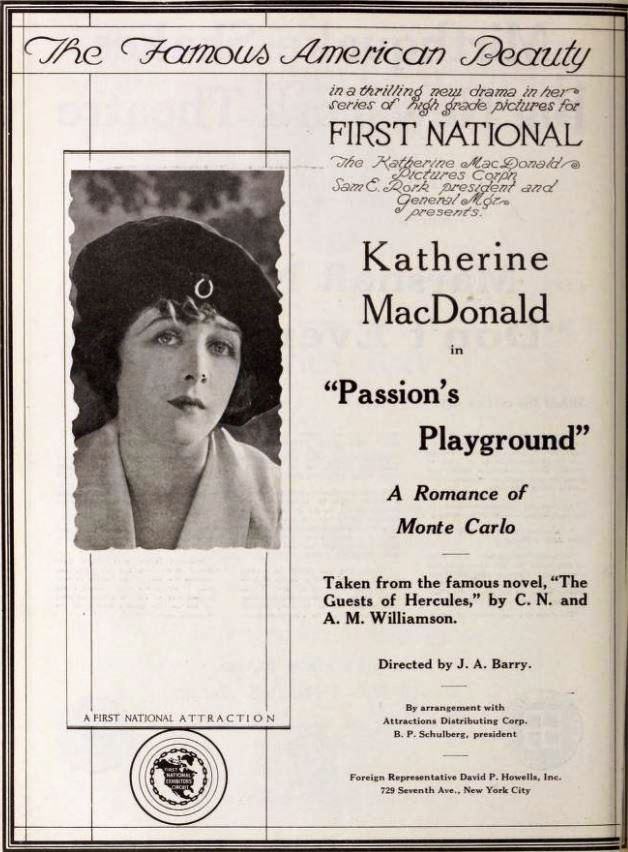
A definitive 7.4/10 rating for a film that redefined the boundaries of cult cinema. Passion's Playground remains a cornerstone of transgressive art.
In the pantheon of silent cinema, few locales offered as much narrative fertility as the sun-drenched, morally ambiguous shores of Monte Carlo. Passion's Playground, a 1920 production based on the prose of A.M. and C.N. Williamson, serves as a quintessential example of how the era’s filmmakers utilized the European high-society backdrop to explore themes of virtue, sacrifice, and the corrosive nature of gossip. Starring Katherine MacDonald—the legendary 'American Beauty'—the film is a fascinating artifact that balances the asceticism of a convent upbringing against the sybaritic excesses of the casino floor.
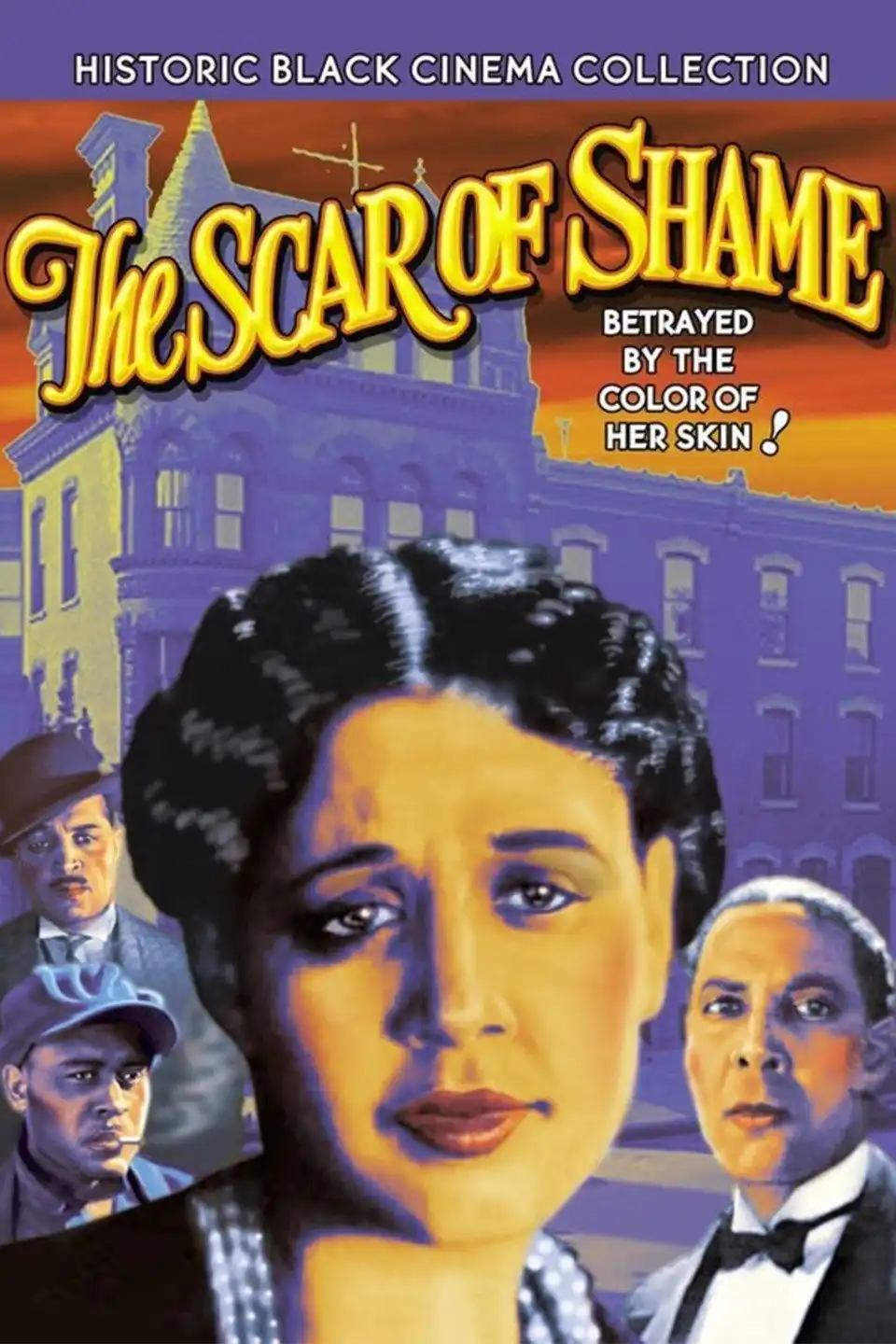
The story’s engine is fueled by a classic case of mistaken identity, a trope that silent cinema refined to an art form. When Mary Grant (MacDonald) leaves the sanctuary of her convent, her arrival in Monte Carlo is marked by a meteoric rise at the gaming tables. This sudden wealth, while liberating, acts as a beacon for both genuine affection and predatory interest. It is here that the film’s visual language truly shines, contrasting the diaphanous, ethereal costumes of MacDonald with the sharp, almost shark-like tailoring of the Mediterranean elite. Unlike the more grounded dramas found in The Winding Trail, this film leans heavily into the escapist opulence that 1920s audiences craved.
Katherine MacDonald’s performance is a masterclass in silent restraint. In an era often criticized for histrionic overacting, MacDonald brings a statuesque dignity to Mary Grant. Her ability to convey internal conflict—specifically the sacrificial silence she maintains for her friend Marie—is the film’s emotional anchor. This theme of self-immolation for the sake of another’s reputation is a recurring motif in early 20th-century melodrama, echoing the tragic undercurrents seen in Madame Butterfly, though here the resolution is far more sanguine.
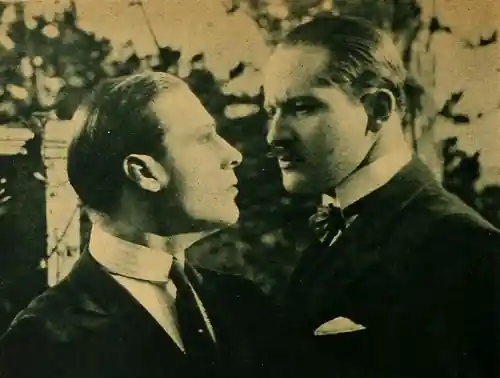
Of course, modern viewers will inevitably gravitate toward the supporting cast, which features a young Rudolph Valentino as Prince Angelo Della Robbia. While he had not yet ascended to the heights of 'The Sheik,' his screen presence is already undeniable. Valentino possesses a magnetism that threatens to upstage the primary romance between Mary and Prince Vanno (Norman Kerry). His Prince Angelo is a figure of transition—a bridge between the Victorian gentleman and the modern Latin Lover. The propinquity between MacDonald and Valentino creates a cinematic friction that elevates the film beyond its pulp origins.
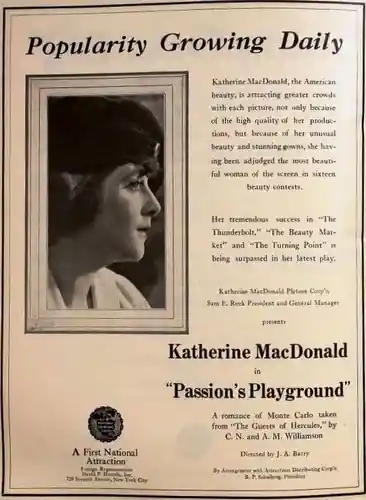
The narrative pivot occurs when Marie Grant, Mary’s wayward schoolmate, enters the fray. Marie’s past—an elopement with a married man—is the ticking clock that threatens to explode Mary’s new life. When the vindictive Idina Bland (Virginia Ainsworth) uncovers the scandal, the film shifts from a romance into a psychological thriller. The confusion between the two 'Mary Grants' is handled with a sophistication that rivals the identity shifts in The Two Sergeants. It forces the audience to confront the unfairness of a social code that punishes the innocent for the sins of the guilty.
The character of Idina Bland is particularly noteworthy. She represents the 'vamp' archetype, but with a layer of social desperation that makes her more than a mere caricature. Her rage at Prince Angelo’s marriage is the catalyst for the film's second-act climax. In many ways, Passion's Playground functions as a critique of the idle rich, whose primary occupation seems to be the demolition of reputations. This cynical view of high society is a stark departure from the more idealistic portrayals seen in A Coney Island Princess.
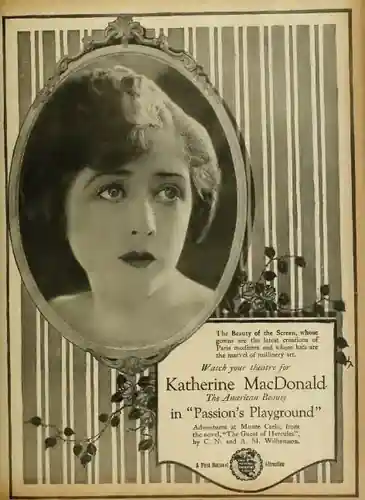
Technically, the film is a marvel of its time. The cinematography captures the shimmering light of the French Riviera with a clarity that must have been breathtaking in 1920. The use of chiaroscuro in the casino scenes creates a sense of danger and uncertainty, mirroring Mary’s own internal state. The editing, while slower by modern standards, allows the tension to simmer, particularly during the scenes where Marie Grant falsely asserts her innocence at Mary’s expense. This deliberate pacing is reminiscent of the atmospheric tension found in The Mystery of St. Martin's Bridge.
The final act, involving a chase and a rescue from adventurers seeking to plunder Mary’s wealth, adds a layer of physical peril that balances the preceding social drama. Prince Vanno’s pursuit of the innocent Mary is a classic heroic beat, yet it feels earned because of the emotional gauntlet the characters have traversed. The resolution avoids the saccharine pitfalls of many contemporary films, such as Twin Kiddies, opting instead for a sense of hard-won redemption.
To understand Passion's Playground, one must view it through the lens of post-World War I anxiety. The world was changing, and the old European aristocracies were being challenged by American wealth and vitality. Mary Grant is the personification of this new American spirit—innocent yet capable, virtuous yet adaptable. Her struggle against the calcified prejudices of Monte Carlo society reflects the broader cultural shifts of the era. This thematic depth is what separates the film from more frivolous fare like Sands of the Desert.
Furthermore, the film’s exploration of moral consequences echoes the somber tones of As a Man Sows. Both films deal with the inescapable nature of one's past, though Passion's Playground offers a more optimistic view of the possibility of being saved by truth. The intervention of Molly Maxwell (Nell Craig) as the truth-bearer is a vital narrative device, reminding us that in the world of silent melodrama, silence may be golden, but the truth is ultimately the only currency that matters.
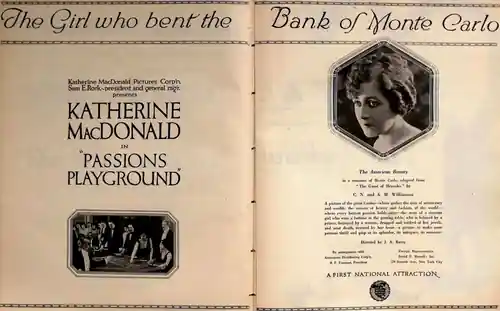
Katherine MacDonald’s legacy as a producer-star is often overshadowed by her male contemporaries, yet Passion's Playground serves as a potent reminder of her influence. She understood her brand perfectly, utilizing her physical beauty as a canvas upon which complex moral tales could be painted. This film, with its lush settings and intricate plot, was the perfect vehicle for her. It lacks the gritty realism of El block-house de alta luz, but it replaces that grit with a polished, aspirational glamour that remains captivating a century later.
Even the minor characters, like the ones portrayed by Edwin Stevens and Walt Whitman, are imbued with a sense of place and history. The film feels populated by real people with real histories, not just archetypes. This level of detail is something often missing from more commercial efforts like Washington's Sky Patrol. Passion's Playground is a sophisticated, multi-layered drama that deserves more than its current status as a footnote in Valentino’s filmography.
As we look back at the silent era, it is easy to dismiss these films as relics of a simpler time. However, a close reading of Passion's Playground reveals a narrative complexity that is anything but simple. It is a film about the power of the female gaze, the danger of the spoken word, and the ultimate triumph of integrity over opportunism. It stands alongside classics like The Dividend in its exploration of how wealth can both corrupt and clarify the human spirit.
For the cinephile, the film offers a wealth of riches. From the early glimpses of Valentino’s charisma to the masterful performance of Katherine MacDonald, there is much to admire. The screenplay by the Williamsons provides a solid foundation, ensuring that the melodrama never feels unearned. It is a journey from the quietude of the convent to the roar of the Riviera, a journey that mirrors the transition of the film industry itself from its infancy into a mature, powerful medium of expression. In the end, Passion's Playground is not just a title; it is a description of the human condition—a place where chance and choice collide, and where only the pure of heart can hope to win the ultimate prize.
While it may not have the comedic flair of The Magnificent Meddler or the historical weight of Colonel Carter of Cartersville, it possesses a unique elegance. It is a film that rewards patient viewing, allowing its intricate web of lies and love to slowly unfold. For those who appreciate the artistry of the silent screen, this is a playground well worth visiting.
IMDb —
1920
Community
Log in to comment.