DbcultAccessing Vault...
6.8/10
Senior Film Conservator
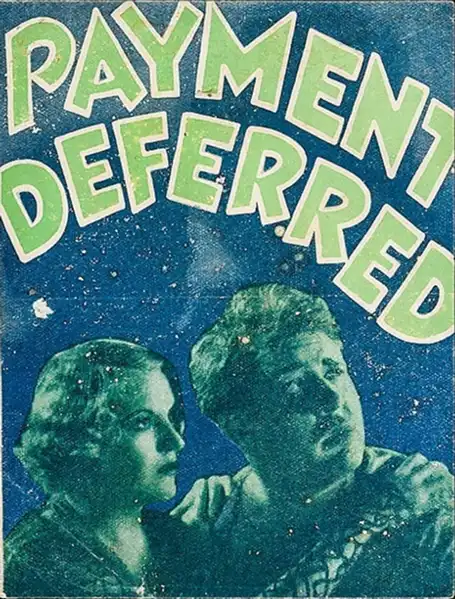
A definitive 6.8/10 rating for a film that redefined the boundaries of cult cinema. Payment Deferred remains a cornerstone of transgressive art.
Alright, so if you’re looking for a breezy night in, Payment Deferred probably isn’t it. But if you’ve got a soft spot for classic, *intense* psychological dramas, especially ones that really dig into a single character's mind, then yeah, this one’s worth a look. People who appreciate the raw power of early talkies and actors really sinking their teeth into a role will find something here. Folks wanting explosions or a clear-cut hero? Probably give it a miss. This is a film that takes its time, and it asks you to do the same. 🕰️
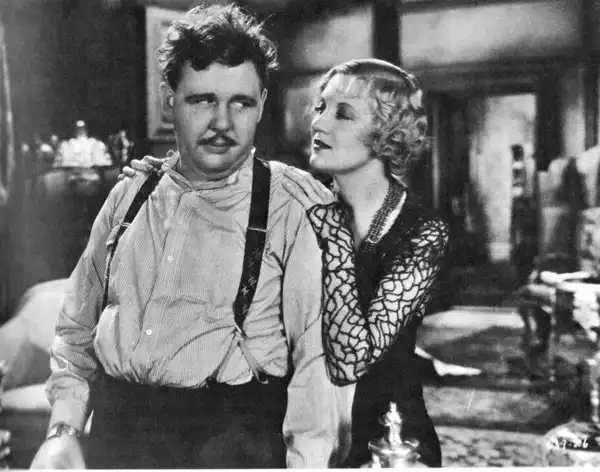
Right from the jump, you feel the squeeze on William Marble, played by the truly phenomenal Charles Laughton. He’s a bank clerk, just drowning in debt. The movie doesn't waste time on a long setup; you understand his desperation almost immediately. And then, he does something *terrible*. He poisons his nephew for money. It's not shown in a splashy way, just this quiet, chilling decision that hangs heavy in the air. 🍸
What really sticks with you isn't the act itself, but the way it eats at Marble. Laughton’s performance is just… everything. You see the guilt start to bloom on his face, a slow, ugly thing. His eyes, man, they betray so much. He tries to act normal, tries to put on a brave face for his wife, but every little twitch, every hesitation, tells a different story. It's like watching a wound that just won’t heal, getting infected from the inside out.
The pacing is deliberate, almost agonizingly so in parts. But it serves a purpose. It makes you feel the same slow dread that Marble is experiencing. There are scenes where he’s just sitting there, not saying much, and you can almost *feel* the thoughts swirling in his head. The silence becomes a character all its own, full of unspoken accusations.

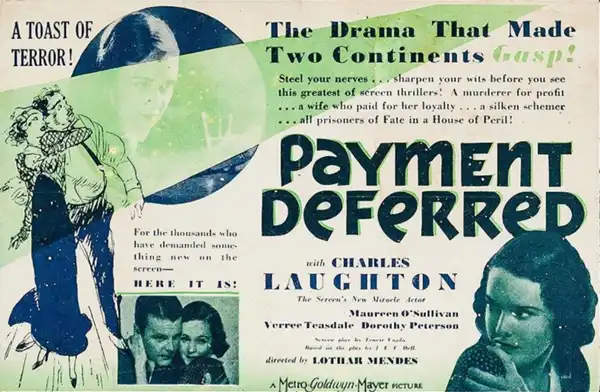
Maureen O’Sullivan plays his daughter, and she’s got this youthful innocence that somehow makes Marble’s situation even more tragic. Her presence is a constant reminder of what he's sacrificed, and who he's hurting. There's this one shot of her laughing, completely unaware, and it just *cuts*.

The film doesn't rely on big twists or shocking reveals. It’s all about the slow, subtle creep of suspicion and paranoia. His wife, played by Verree Teasdale, starts to notice things. Small things, you know? A slip of the tongue, a strange look. She doesn’t scream or accuse, but her eyes do the talking. It’s not about grand drama, but the quiet, unbearable tension in their home. You can practically hear the floorboards creaking with unspoken dread. 🤫
One scene, I remember, involves him fumbling with some papers, and it's just a tiny moment. But the way Laughton makes his hands tremble, the way he avoids eye contact… it says more than pages of dialogue could. It’s these small, detailed choices that make his performance so powerful, and make the film so effective.
You can almost feel the movie trying to convince you this secret *will* come out. It’s not a question of if, but when and how ugly it will be. The whole thing feels very contained, almost like a stage play, which makes the character study even more focused. You're stuck in this house with these people, watching them slowly unravel.
Sure, some moments might feel a bit dated now, the dialogue a little formal, but the core human struggle? That’s timeless. Laughton's descent into madness, or at least extreme psychological torment, is still absolutely gripping. It’s less about the plot and more about watching a man destroy himself from the inside.
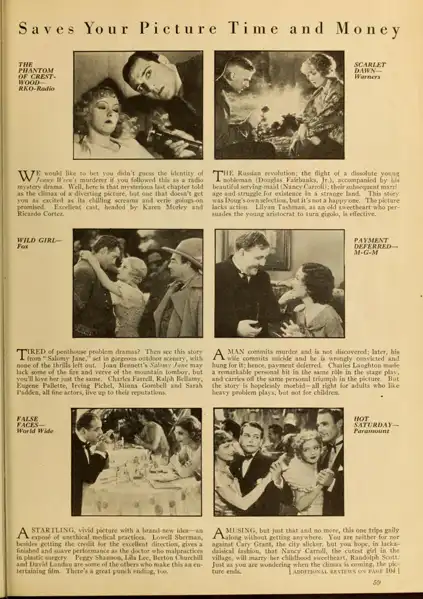
If you're into films that linger, that make you think about the consequences of desperation, then give Payment Deferred a shot. It's not flashy, but it gets under your skin. And Laughton? He's just something else. 🎭
IMDb 6.8
1927
Community
Log in to comment.