DbcultAccessing Vault...
6.6/10
Senior Film Conservator
A definitive 6.6/10 rating for a film that redefined the boundaries of cult cinema. Pêcheur d'Islande remains a cornerstone of transgressive art.
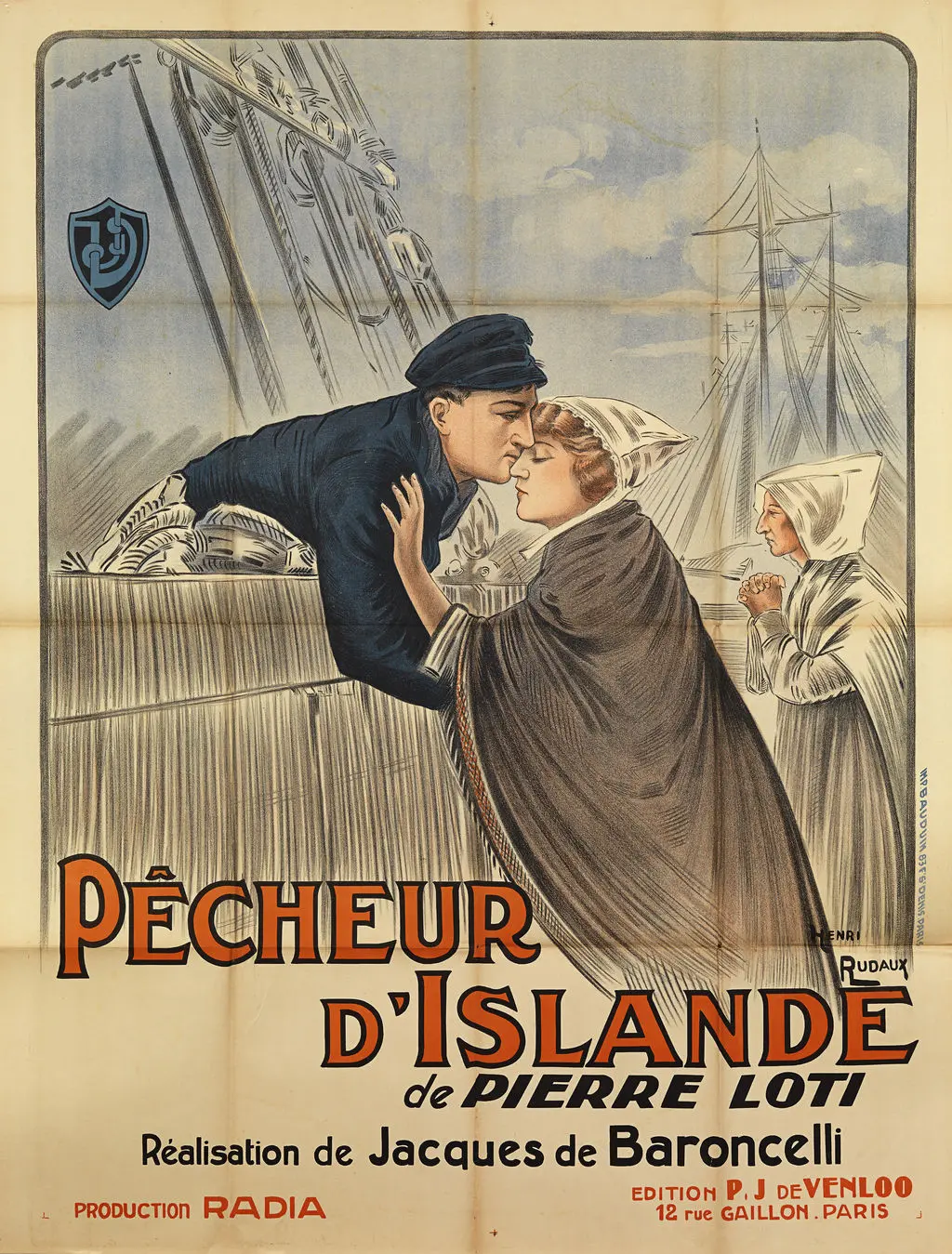
There are films that merely tell a story, and then there are those that transport you, immersing you entirely in a world, a culture, and a human struggle so profound it feels etched into the very fabric of existence. Jacques de Baroncelli’s 1924 adaptation of Pierre Loti’s seminal novel, Pêcheur d'Islande, unequivocally belongs to the latter category. This silent epic is far more than a simple narrative; it is a meticulously crafted ethnography of Breton fisherfolk, a poignant exploration of love's endurance against an elemental antagonist, and a visual poem dedicated to the sea's insatiable hunger. From its opening frames, the film establishes a tone of somber authenticity, a commitment to portraying the arduous realities of life lived perpetually on the precipice of the vast, indifferent ocean.
Loti’s novel, a cornerstone of French literature, found in Baroncelli a director capable of translating its deeply observed naturalism and emotional intensity onto the cinematic canvas. The faithfulness to the source material is striking, not just in plot points, but in capturing the spirit of stoicism and fatalism that defines the lives of these coastal communities. The screenplay, co-penned by Loti himself and Baroncelli, demonstrates an intimate understanding of the novel’s nuances, ensuring that the film resonates with the same melancholic beauty and raw power that captivated generations of readers. It’s a delicate balance, preserving the literary essence while forging a distinct visual language, and Baroncelli achieves it with masterful precision.

At the heart of this narrative tempest is the compelling figure of Yann Gaos, brought to life with understated power by Thomy Bourdelle. Yann is not merely a man; he is an embodiment of the Breton spirit, a soul forged in the crucible of the sea. His gaze, often distant and contemplative, speaks volumes about his profound connection to the ocean, a bond that transcends mere profession and borders on the spiritual. Bourdelle’s performance is a masterclass in silent acting, conveying immense internal conflict and unwavering resolve through subtle gestures and expressive eyes. He is a man torn, not by external forces, but by the very essence of his being: his love for Gaud versus his inexplicable, almost primal devotion to the sea, which he perceives as both provider and demanding mistress.
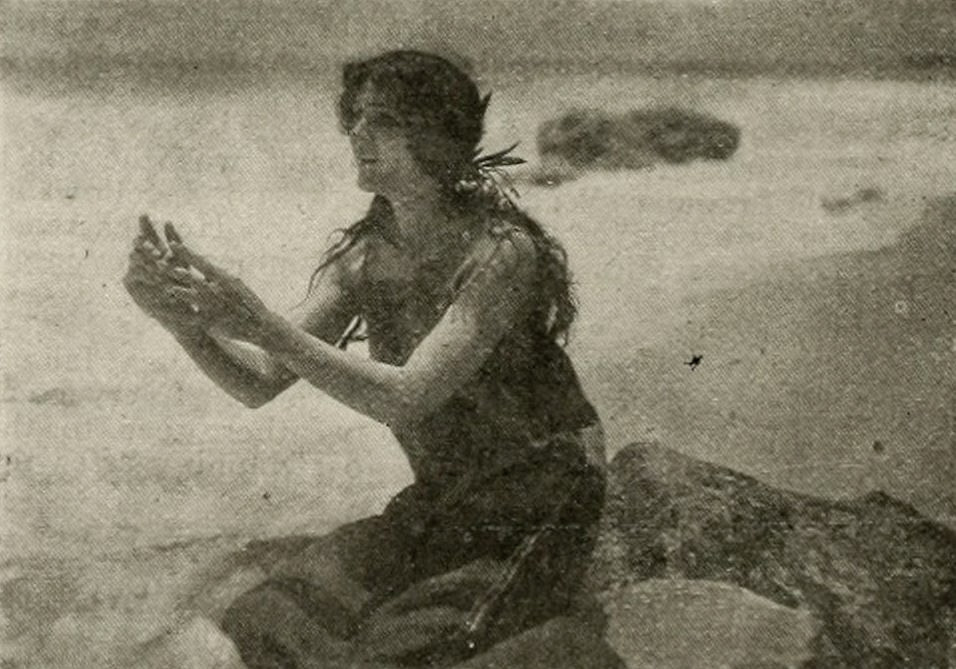
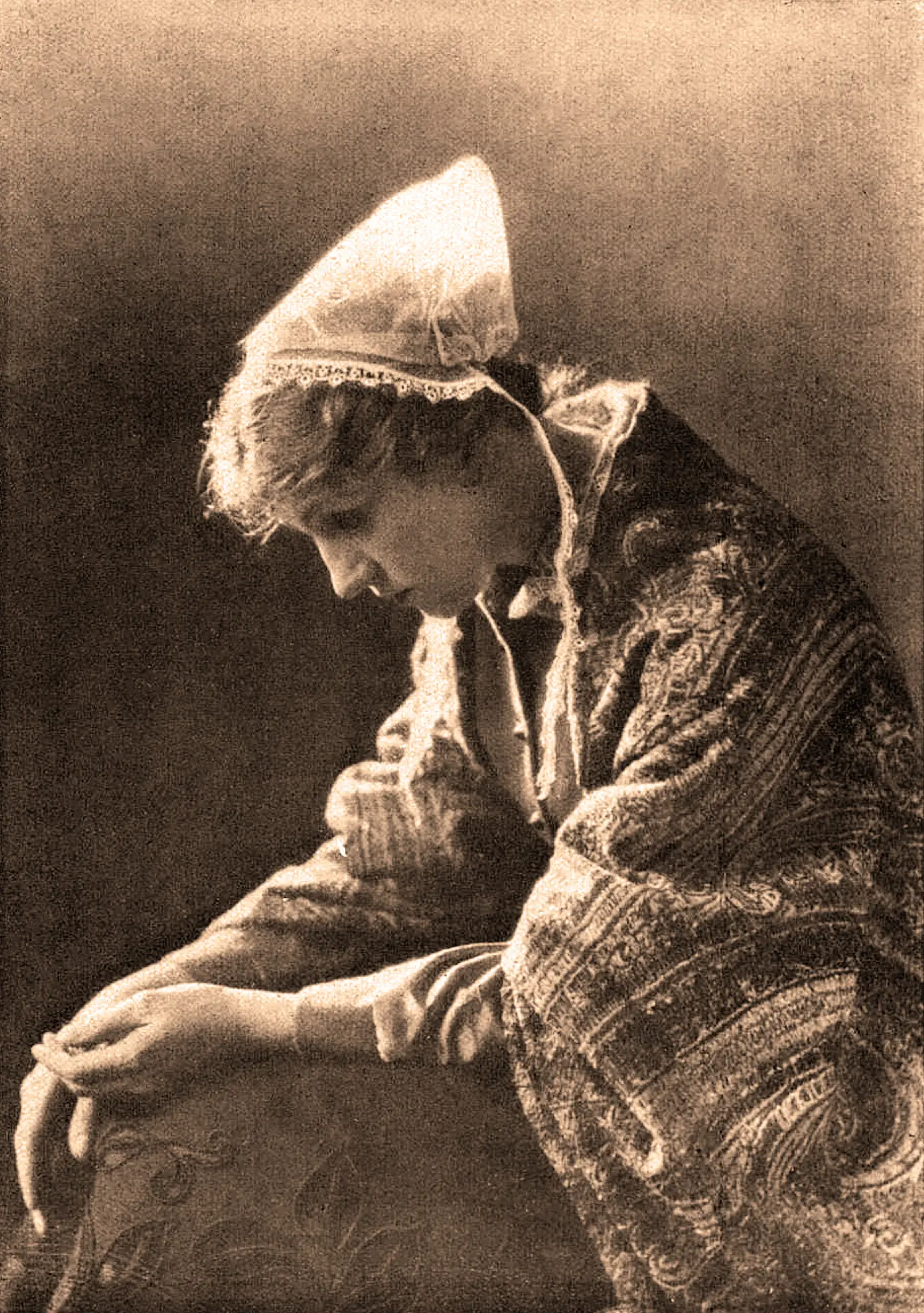
Opposite him stands Gaud Mével, portrayed with captivating grace and fierce determination by Sandra Milovanoff. Gaud is the anchor, the terrestrial force grounding Yann, yet her love is constantly tested by the ocean's relentless pull on his heart. Milovanoff imbues Gaud with a quiet strength, a resilience that allows her to withstand the emotional vicissitudes of loving a man whose true allegiance seems to lie elsewhere. Her expressions of yearning, frustration, and ultimately, profound sorrow, are exquisitely rendered, creating a character whose inner turmoil is palpable. The unspoken dialogue between Yann and Gaud, the glances exchanged across crowded rooms or windswept beaches, are charged with an emotional electricity that transcends the absence of spoken words.
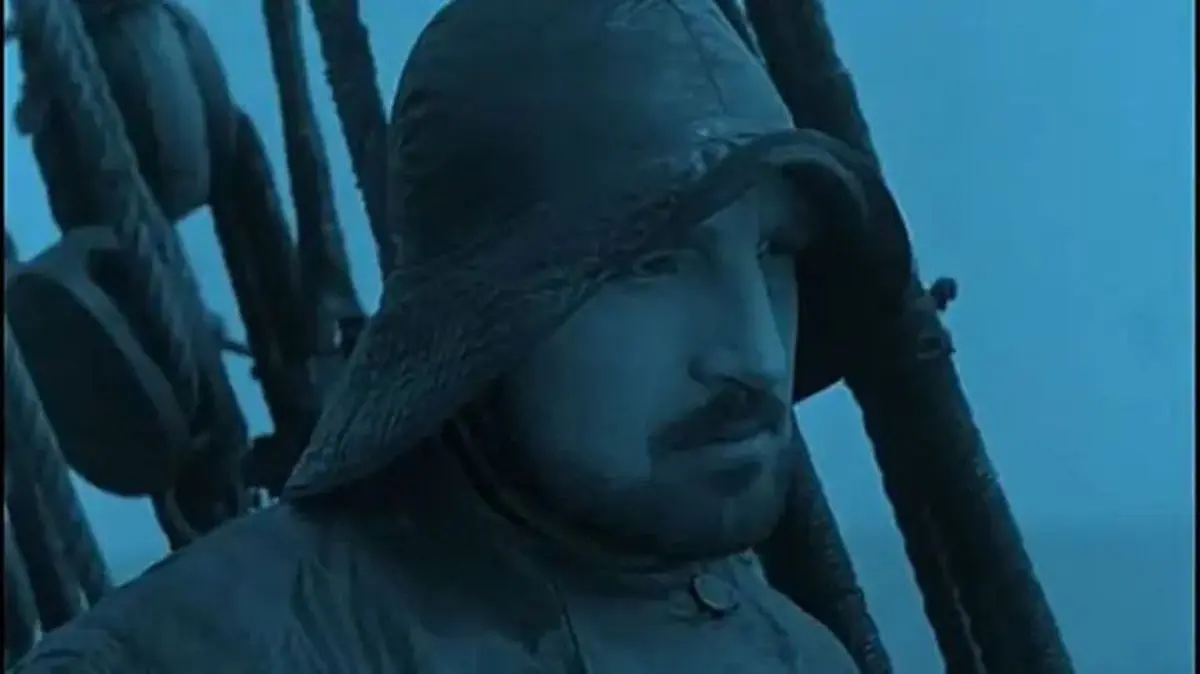
The supporting cast further enriches this vivid tapestry. Charles Vanel, even in his earlier career, demonstrates the powerful screen presence that would define his later work, adding layers of authenticity to the ensemble. Abel Sovet, Jean Wells, Claire Darcas, Félix Mounet, Noémi Seize, Léo Joannon, Madame Boyer, and Roger San Juana all contribute to a rich ensemble, painting a comprehensive picture of a community bound by shared hardships and unwavering solidarity. Each face tells a story, each weathered hand speaks of a lifetime battling the elements, contributing to the film's profound sense of verisimilitude. Their collective portrayal of the fisherfolk is not romanticized; it is raw, honest, and deeply respectful of their challenging existence.
Baroncelli's direction is characterized by a stark realism, particularly in his depiction of the brutal fishing expeditions. The cinematography, though of its era, captures the immensity and danger of the open sea with breathtaking scope. Shots of the tiny fishing vessels battling colossal waves are genuinely harrowing, evoking a visceral sense of peril. These sequences are not mere spectacle; they are integral to understanding Yann’s internal conflict and the constant threat that looms over every family in these coastal villages. The director masterfully uses the vastness of the landscape to emphasize the insignificance of human life against nature’s grandeur, yet simultaneously highlights the immense courage required to confront it daily.
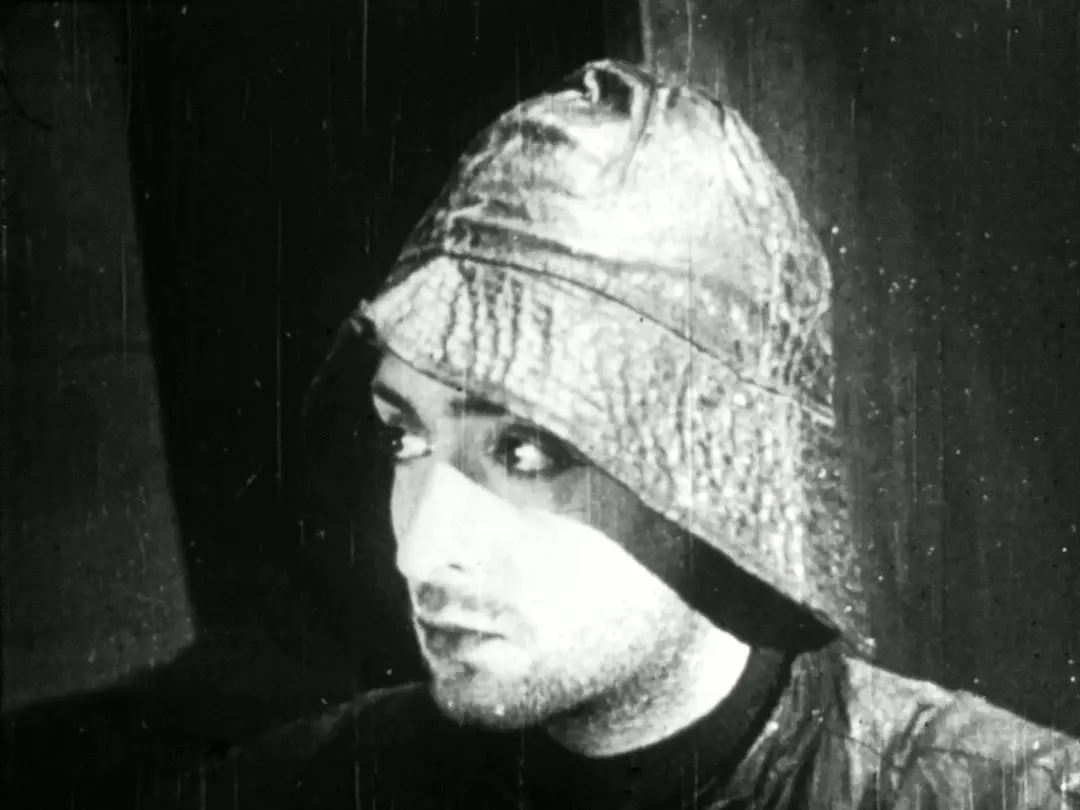
Beyond the physical dangers, the film delves deep into the psychological landscape of its characters. Yann's initial reluctance to commit to Gaud is a complex interplay of inherited duty, a fatalistic acceptance of his destiny, and perhaps a fear of domesticity that seems trivial compared to the grand adventure and peril of the sea. It's a male archetype deeply rooted in maritime cultures, where the ocean is not just a workplace but a rival for affection, a demanding lover that often claims its devotees. The film doesn't judge Yann; rather, it seeks to understand the profound, almost spiritual grip the sea holds over him, a force that ultimately proves stronger than even the deepest human love.
The narrative arc, while seemingly straightforward, is imbued with a pervasive sense of impending tragedy. Even when Yann finally yields to Gaud’s unwavering love and the promise of a life ashore, there’s a lingering apprehension, a quiet dread that permeates their brief moments of happiness. This foreboding atmosphere is expertly crafted through visual cues, the constant presence of the sea, and the somber expressions of the community members who understand the precariousness of their existence. It's a testament to Baroncelli's storytelling prowess that this emotional weight is conveyed so effectively without a single spoken word, relying instead on the power of imagery, music, and the actors' profound expressiveness.
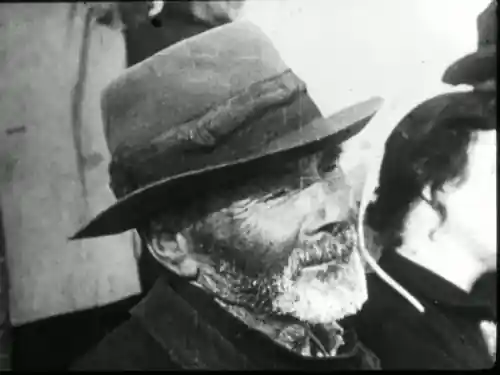
One of the film's most enduring qualities is its status as a historical document. It offers a window into a way of life that, while perhaps romanticized in literature, is depicted here with an almost documentary-like precision. The customs, the attire, the architecture of the Breton villages, and the primitive yet effective methods of fishing are all rendered with meticulous attention to detail. For audiences of its time, it was a glimpse into a world both familiar and exotic, and for contemporary viewers, it serves as an invaluable record of a bygone era, preserving the memory of a culture deeply intertwined with its environment.
Comparing Pêcheur d'Islande to other silent films of its period, one finds its unique blend of epic scope and intimate human drama particularly compelling. While films like Michael Strogoff (also a French production from a literary source) might focus on grand adventures and political intrigue, Baroncelli’s work grounds its epic aspirations in the raw, visceral reality of human struggle against nature. It shares a thematic resonance with films that depict individuals battling harsh, unforgiving environments, evoking a primal sense of human perseverance that transcends cultural boundaries. The film's poetic realism distinguishes it from more melodramatic or purely adventurous silent features, placing it firmly in the tradition of early cinematic art that sought to capture the essence of human experience.
The film's pacing, characteristic of the silent era, allows for moments of quiet contemplation, permitting the audience to absorb the emotional weight of each scene. It’s a rhythm that encourages empathy, drawing viewers into the characters’ inner lives rather than rushing through plot points. The use of intertitles is judicious, providing necessary exposition without interrupting the visual flow, allowing the powerful imagery to speak for itself. The visual storytelling is paramount, with every frame meticulously composed to convey atmosphere, emotion, and narrative progression.
Ultimately, Pêcheur d'Islande is a powerful testament to the enduring human spirit in the face of overwhelming natural forces. It is a story of love, sacrifice, and the relentless, often tragic, dance between humanity and the environment that shapes its destiny. Baroncelli’s film is not just an adaptation; it is a reinterpretation, a visual symphony that honors Loti’s literary legacy while carving its own indelible mark on cinematic history. It leaves an impression that lingers long after the final frame, a poignant reminder of the sea’s eternal power and the fragile, yet indomitable, nature of human affection.
The film’s legacy lies not only in its artistic merits but also in its profound cultural impact. It helped solidify the reputation of French cinema for its thoughtful adaptations and its willingness to explore themes of social realism and human drama. It’s a work that challenges the audience to look beyond the surface, to understand the deeper currents of tradition, duty, and longing that define its characters. The performances, particularly from Bourdelle and Milovanoff, remain compelling, their silent portrayals echoing the profound quietude of the Breton landscape and the vast, often lonely, expanse of the ocean. This is a film that demands to be seen, experienced, and reflected upon, a timeless masterpiece that continues to resonate with its exploration of universal human themes against a stunningly rendered, specific cultural backdrop.
In an era dominated by technological spectacle, Pêcheur d'Islande serves as a powerful reminder of cinema's foundational ability to tell deeply human stories with elegance and emotional depth, even without the benefit of spoken dialogue or advanced special effects. Its enduring power comes from its authenticity, its respect for its characters, and its unflinching portrayal of a life lived on the edge. It's a film that speaks to the heart, a silent elegy to a way of life, and a timeless narrative of love's struggle against the ultimate rival: the boundless, untamed sea.

IMDb 5.7
1931
Community
Log in to comment.