DbcultAccessing Vault...
Cult Review
Senior Film Conservator
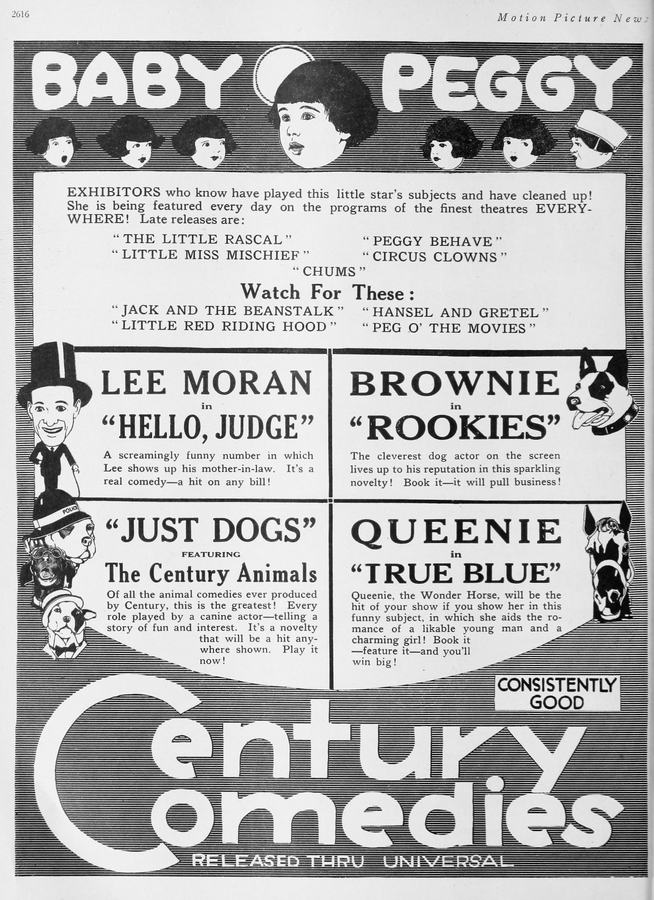
There are certain films that, even a century after their creation, retain an effervescent charm, a kinetic energy that transcends the passage of time and the absence of spoken dialogue. Arvid E. Gillstrom's "Peggy, Behave!" is undoubtedly one such cinematic gem, a vibrant testament to the enduring power of physical comedy and the magnetic presence of its pint-sized star, Baby Peggy. Watching this film today isn't merely an exercise in historical appreciation; it's an immersion into a world where a child's imagination, given free rein, can orchestrate both delightful chaos and unexpected heroism.
From the very first frame, Baby Peggy explodes onto the screen, a whirlwind of dimples and determination. Her portrayal of young Peggy, a character whose internal world is an endless wellspring of invention and mischief, is nothing short of phenomenal. She doesn't just act; she embodies the very essence of childhood curiosity and its often-unforeseen repercussions. The plot, as simple as it is effective, revolves around Peggy's earnest, if misguided, attempts to 'train' the family's placid dog, Fido. What makes this premise so compelling is not just the slapstick potential, but the genuine empathy Baby Peggy elicits. We understand her motives, even as we brace for the inevitable comedic fallout. Her wide-eyed innocence, coupled with an uncanny ability to command the screen, makes her a force of nature, much like the equally precocious child star in Susan Rocks the Boat, though Peggy's antics here feel imbued with an even greater sense of spontaneous, unadulterated joy.
Gillstrom's direction is a masterclass in silent comedy pacing. He understands that the visual gag is paramount, allowing Baby Peggy ample room to develop her physical comedy, from exaggerated expressions to perfectly timed pratfalls. The camera work, while seemingly straightforward, is keenly attuned to capturing every nuance of Peggy's performance, ensuring that no gesture, no glance, is lost. The film deftly builds comedic tension, particularly in the lead-up to the ill-fated tea party. The meticulous preparations of Peggy's mother, contrasted with Peggy's increasingly elaborate dog-training regimen, create a delicious sense of impending doom that culminates in a truly memorable sequence of escalating pandemonium. It's a testament to Gillstrom's keen eye for comedic timing that even without a spoken word, the audience is fully invested in the unfolding drama.
The genius of "Peggy, Behave!" lies not just in its individual comedic moments but in how it weaves them into a cohesive, escalating narrative. The 'training' scenes with Fido are particularly noteworthy. Peggy's earnest commands and Fido's bewildered responses create a delightful dynamic, culminating in the dog's accidental heroism. This twist, where chaos inadvertently leads to a positive outcome, is a classic trope of silent comedy, executed here with remarkable finesse. It's a theme that echoes in other films of the era, such as Non Skid Love, which also explored unexpected turns of fortune born from chaotic circumstances, though perhaps with less emphasis on a child's perspective.
Baby Peggy, born Diana Serra Cary, was one of the most prolific and beloved child stars of the silent era, and "Peggy, Behave!" showcases precisely why. Her natural charisma is undeniable; she possesses an innate understanding of how to connect with an audience, drawing them into her world with an infectious enthusiasm. Her expressions are wonderfully elastic, shifting from mischievous glee to feigned innocence with astonishing speed. It's a performance that feels entirely unforced, a testament to her prodigious talent at such a tender age. One can't help but draw parallels to the raw, untamed energy seen in child performers of later eras, yet Peggy's work here stands unique for its historical context and the sheer volume of her output during this formative period of cinema.
The film also serves as a fascinating window into the societal norms and domestic life of the early 20th century. The meticulously arranged tea party, the mother's anxieties about social standing, and the quaint household setting all provide a rich backdrop for Peggy's modern, untamed spirit. It highlights the clash between the structured adult world and the boundless, often disruptive, energy of childhood. This juxtaposition is a recurring motif in many films of the era, from lighthearted comedies to more dramatic fare, offering a glimpse into evolving family dynamics. While not as overtly political as The Great Victory, Wilson or the Kaiser? The Fall of the Hohenzollerns, it implicitly reflects a changing cultural landscape where traditional roles were subtly being challenged, even by a child's escapades.
Arvid E. Gillstrom, as both writer and director, demonstrates a profound understanding of the silent comedy genre. His narrative construction is tight, economical, and focused squarely on maximizing the comedic potential of each scene. There's an elegance to the simplicity of the plot, allowing the performances and visual gags to shine without unnecessary exposition. His work here feels less about grand pronouncements and more about crafting perfectly executed moments of levity. This approach is reminiscent of the straightforward, effective storytelling seen in films like A Wee Bit o' Scotch, where the focus remained squarely on character and situational humor rather than intricate plot machinations.
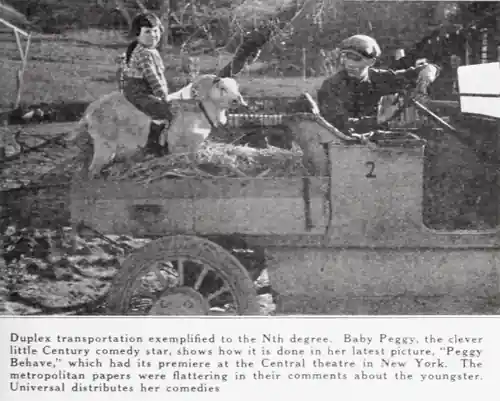
The climax of the film, with the tea party devolving into a delightful melee, is a testament to the collective efforts of the cast and crew. The reactions of the various guests, from stunned disbelief to horrified indignation, are perfectly calibrated, providing a comedic counterpoint to Peggy's oblivious joy. And then, the unexpected turn: the arrival of the burglar, whose nefarious plans are unwittingly thwarted by Fido, now 'trained' to protect the household in the most unconventional manner. It's a brilliant narrative pivot, transforming what could have been mere slapstick into a genuinely satisfying conclusion where Peggy’s chaos is ultimately vindicated.
One cannot discuss "Peggy, Behave!" without acknowledging the broader context of silent cinema. This film, like many of its contemporaries, served as pure entertainment, a delightful escape from the often-harsh realities of the early 20th century. It provided audiences with laughter and a sense of wonder, showcasing the nascent power of moving images to tell stories and evoke emotions without spoken words. The reliance on visual storytelling, exaggerated expressions, and physical comedy required a particular kind of performer, and Baby Peggy was undoubtedly among the very best. Her ability to convey complex emotions and intentions through gesture alone is a lost art, making films like this invaluable historical documents as well as entertaining features.
Comparing "Peggy, Behave!" to other films of its era reveals its unique strengths. While not as overtly dramatic as The Last Days of Pompeii or as socially incisive as The Clever Mrs. Carfax, it carves its own niche as a quintessential child-centered comedy. It shares a certain lighthearted spirit with films like A Petticoat Pilot, which also centered on spirited female characters challenging expectations, albeit in a more adult context. The film's charm lies in its simplicity and its unwavering focus on the comedic potential of its star.
In an age where cinematic experiences are often defined by special effects and intricate narratives, there's something profoundly refreshing about the unpretentious joy of "Peggy, Behave!". It's a reminder of the foundational elements of storytelling and entertainment, stripped down to their most essential forms. Baby Peggy's performance remains a dazzling display of raw talent, a testament to her iconic status. The film's lasting appeal is a tribute to the timeless nature of laughter, the universal experience of childhood mischief, and the unexpected ways in which order can emerge from the most delightful chaos. It's a film that genuinely makes you smile, a small but significant piece of cinematic history that continues to enchant audiences with its enduring spirit and brilliant comedic execution.
The visual language of the film, with its reliance on intertitles and expressive acting, creates a unique viewing experience. The humor is often broad, yet never descends into mere silliness; there's always an underlying intelligence to Gillstrom's comedic construction. The way Peggy's mother reacts to the unfolding disaster, her initial shock gradually giving way to exasperated resignation, is particularly well-observed. It adds a layer of relatable human emotion to the otherwise farcical proceedings. This nuanced character work, even in a short comedy, elevates the film beyond simple gags. It demonstrates a thoughtful approach to character interaction, even among the background players, which is often crucial for the success of silent-era comedies.
The film's legacy is also significant in understanding the trajectory of child stars in Hollywood. Baby Peggy was not just a cute face; she was a performer of considerable skill, capable of carrying an entire film on her tiny shoulders. Her work in "Peggy, Behave!" stands as a prime example of her abilities, showcasing her range from innocent playfulness to determined mischief. Her impact on early cinema, though often overshadowed by later child stars, was immense, influencing how studios perceived and utilized young talent. One might even draw a line from her unbridled energy to the more structured performances of child actors in later decades, seeing her as a foundational figure in the development of child performance on screen.
In conclusion, "Peggy, Behave!" is more than just a historical artifact; it's a vibrant, laugh-out-loud comedy that speaks to universal themes of childhood, family, and the unpredictable nature of life. Baby Peggy's performance is a tour de force, cementing her status as a true pioneer of screen acting. Arvid E. Gillstrom's direction is sharp and effective, orchestrating a symphony of gags and heartfelt moments. For anyone interested in the roots of cinematic comedy, the enduring appeal of silent film, or simply in enjoying a truly delightful and expertly crafted piece of entertainment, "Peggy, Behave!" is an absolute must-see. It's a film that reminds us that sometimes, the most profound joy can be found in the simplest, most boisterous of moments, especially when a small child is at the helm of the chaos.
IMDb 5.9
1925
Community
Log in to comment.