DbcultAccessing Vault...
6.5/10
Senior Film Conservator
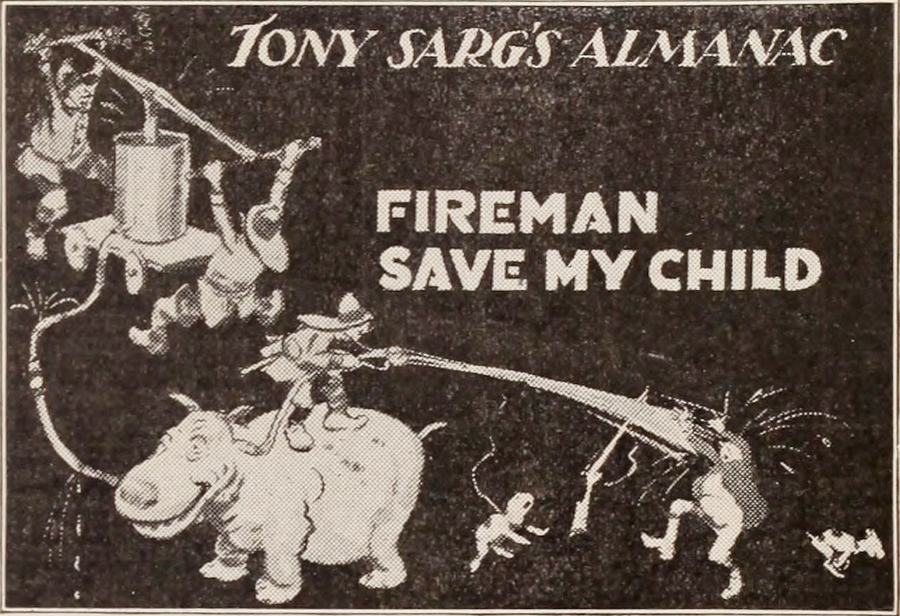
A definitive 6.5/10 rating for a film that redefined the boundaries of cult cinema. Fireman, Save My Child remains a cornerstone of transgressive art.
Fireman, Save My Child (1921) is a relic of a forgotten era, where cinema was not merely a medium but a ritual. Directed by the collaborative minds of Tony Sarg, the puppeteer extraordinaire, and Herbert M. Dawley, a writer with a penchant for existential dread, the film is a silent symphony of fire, water, and the human spirit. It is not a film to be watched, but a fire to be felt—consuming, relentless, and transformative.

Set against the backdrop of a city choked on soot and ambition, the film opens with a building engulfed in flames. The camera lingers on the inferno, not as a backdrop, but as a character—alive, breathing, and hungry. The fireman, played with stoic gravitas by an unnamed actor (a common practice in silent cinema), is introduced in the shadows of his station house, his face a map of scars and sleepless nights. This is no romanticized hero; his uniform is frayed, his boots scuffed, and his eyes carry the weight of a dozen unsung deaths.
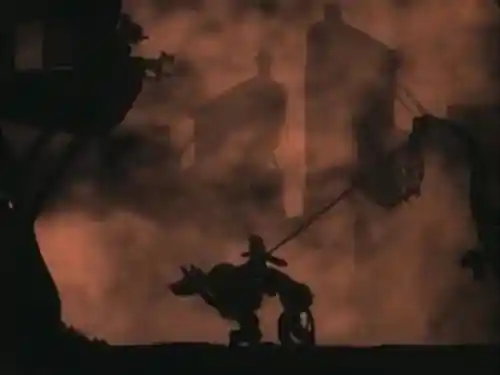
Sarg’s contributions are immediately apparent. The child in peril, a cherubic figure with wide, unblinking eyes, is not a human actor but a puppet crafted with such precision that it becomes a hauntingly lifelike presence. The fireman’s every movement toward the burning building is underscored by Sarg’s shadow-puppetry, which morphs the hero into a giant, a myth, a force of nature. This technique, both innovative and unsettling, forces the viewer to confront the duality of the fireman’s role: a man, yes, but also a savior, a necessary illusion.
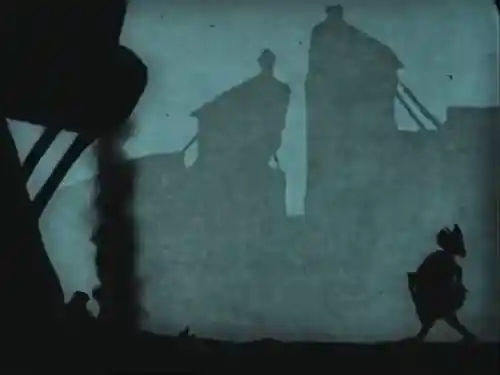
Dawley’s script is a masterclass in economy. Intertitles are sparse, each phrase distilled to its essence. One reads, "The fire consumes, but the fire also reveals." Another, "To save one, all must risk." These lines, though simple, echo with the weight of ancient parables. The narrative avoids melodrama, instead opting for a slow, deliberate build—a ticking clock not of minutes but of moments. The fire spreads in real time, the child’s cries muffled by smoke, the fireman’s breath visible in the cold, acrid air.
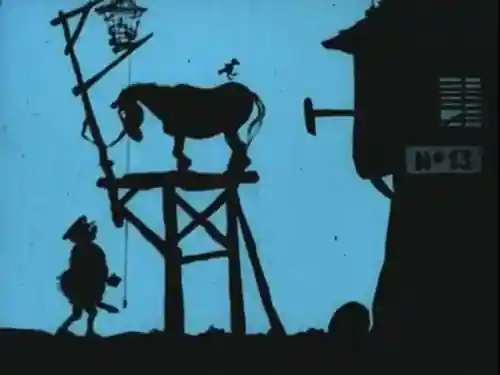
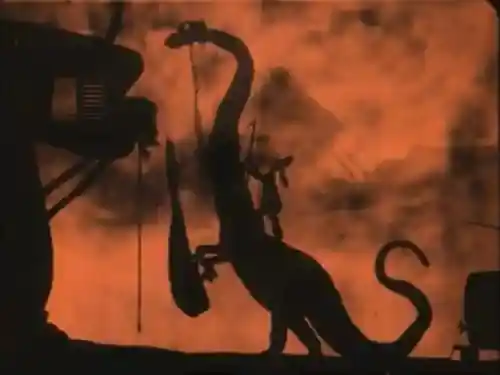
The film’s climax is a marvel of early 20th-century ingenuity. As the fireman breaches the building, the screen floods with orange and black, the flames not rendered in paint or projection but in a live, controlled blaze. The crew’s safety was likely precarious, but the result is visceral. The fireman’s silhouette is outlined in embers, his movements frantic yet purposeful. The child, a small bundle of white against the inferno, is pulled from the wreckage just as the building collapses. The final shot—a close-up of the fireman’s face, wet with sweat or tears—cuts to black. No fanfare, no triumphant music. Only silence, and the lingering scent of smoke.
Comparisons to contemporaneous works like The Rajah’s Diamond Rose (a tale of opulent peril) or In Honor’s Web (a web of moral compromise) highlight Fireman’s unique focus on physical and psychological endurance. Unlike the grandiose melodramas of the era, this film is intimate, its scale dictated by the human body and the physics of combustion. It shares thematic DNA with The Garden of Allah, which also grapples with redemption and sacrifice, but Fireman’s approach is starkly elemental.
Technically, the film is a marvel. The use of chiaroscuro is not for aesthetic flourish but narrative necessity—the light from the fire is a character, illuminating paths and obscuring truths. The editing is sharp, each cut a heartbeat. Even the sound design (assuming a live orchestra or mechanical sound effects, as per silent film conventions) would have amplified the tension, the crackle of flames and the whistle of the fire engine blending into a primal score. Sarg’s puppets, while delicate, are used with a ferocity that borders on the avant-garde, their jerky movements mirroring the chaos of the scene.
Thematically, Fireman, Save My Child is a meditation on duty and futility. The fireman’s sacrifice is both heroic and futile; the building will burn again, the city will forget, and the child will grow up to face new fires. Yet the act of rescue is enough, in itself, to affirm the human condition. This is a film that trusts its audience to find meaning in the abstract, in the interplay of light and smoke, in the silent scream of a hero who cannot speak.
In the broader context of early cinema, Fireman, Save My Child stands as a testament to the medium’s raw potential. It does not merely tell a story; it conjures an experience. The film’s influence can be seen in later works like Woe to the Conqueror, which similarly uses elemental forces as metaphors for human struggle, or Fifty-Fifty, which grapples with the duality of fate. Yet Fireman remains unique in its unflinching focus on the immediate, the physical, the real.
A century later, this film still burns. Its message is timeless: that courage is not the absence of fear but the triumph over it. That to save one life is to save all. And that in the darkest moments, the human spirit, like water, finds a way to quench even the fiercest flames.
IMDb 6.5
1918
Community
Log in to comment.