DbcultAccessing Vault...
Cult Review
Senior Film Conservator
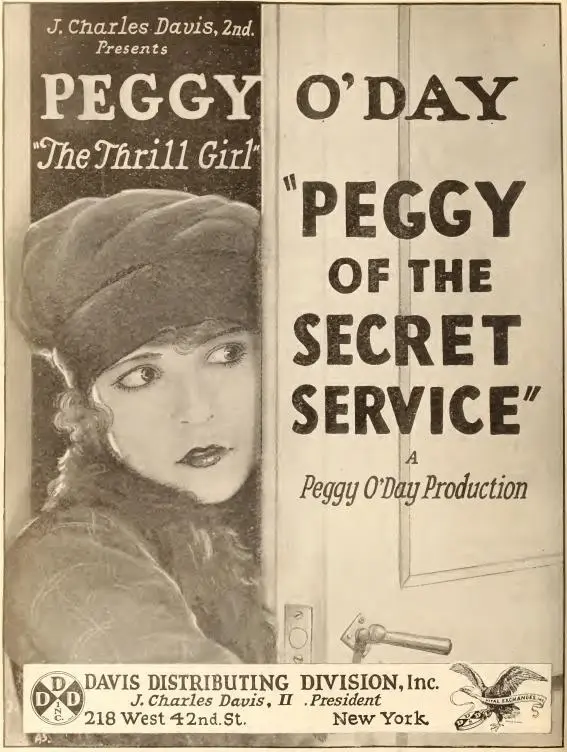
Is Peggy of the Secret Service still worth watching today? Short answer: yes, but with significant caveats that speak to its age and the conventions of its era. This silent spy caper is a fascinating historical artifact, offering a glimpse into early cinematic storytelling and the nascent genre of espionage thrillers. It is unequivocally for enthusiasts of silent film, those interested in the evolution of action heroines, and viewers who appreciate the charm of early 20th-century cinema. Conversely, it is decidedly not for audiences seeking modern pacing, complex character arcs, or high-fidelity production values.
This film works because of its surprisingly dynamic lead performance by Peggy O'Day and the audacious, globe-trotting premise that, even a century later, retains a certain pulp appeal. Its narrative, while straightforward, is propelled by a series of escalating predicaments that keep the viewer engaged. The sheer novelty of a female operative taking charge in a genre often dominated by men is also a significant draw, showcasing a proto-feminist streak that is quite ahead of its time.
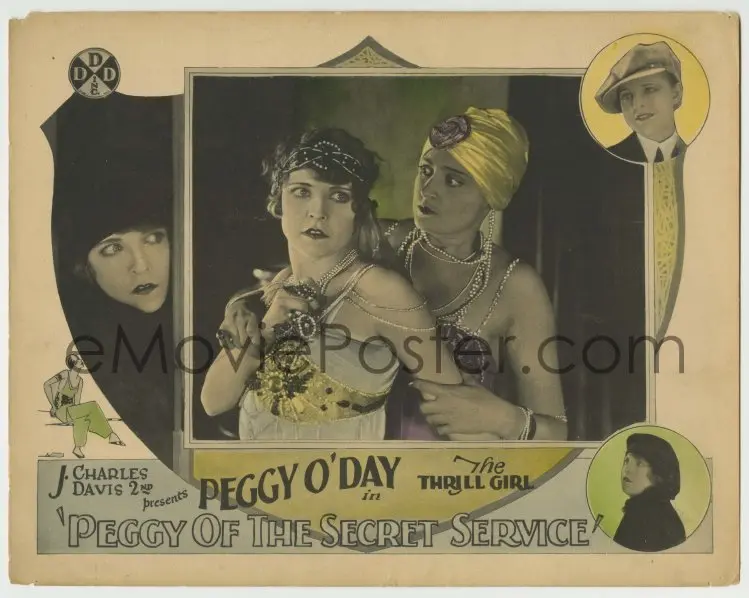
However, Peggy of the Secret Service fails because its execution is often rudimentary, a product of its early 1920s production. The plot, while exciting on paper, frequently relies on convenient coincidences and lacks the layered intrigue we expect from spy narratives today. Character development is minimal, and the supporting cast, while competent, rarely rises above archetypal representations. Furthermore, the film's visual language, while effective for its period, can feel simplistic to a contemporary eye, sometimes struggling to convey complex emotions or intricate action sequences without relying heavily on intertitles.
You should watch it if you are a film historian, a silent film aficionado, or someone curious about the foundational elements of the spy genre. It's a prime example of how early cinema experimented with popular tropes and built the framework for future blockbusters. If you approach it with an appreciation for its historical context and a willingness to engage with its unique storytelling rhythm, there's genuine enjoyment to be found.
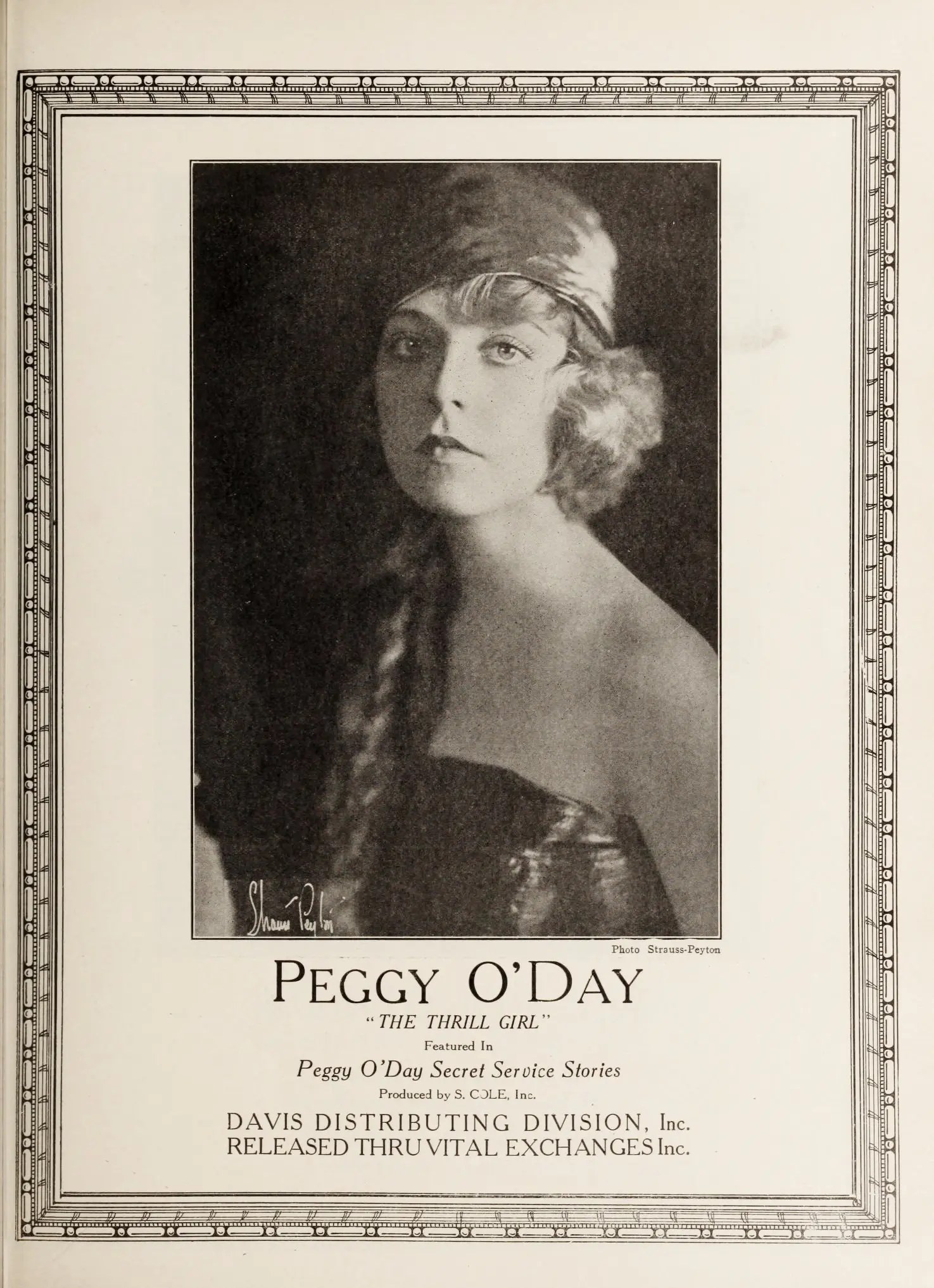
At its core, Peggy of the Secret Service plunges us into a world of international intrigue, triggered by the audacious flight of Abdullah, the Algerian Sultan's brother. He's not just a rogue royal; he's a thief, absconding with the royal harem and a king's ransom in jewels to the United States. This sets the stage for a classic chase narrative, but with a crucial twist: the Chief of the Secret Service entrusts this high-stakes recovery to Peggy, his most reliable feminine operative. The premise itself is a delightful blend of exoticism and early 20th-century geopolitical fantasy, reflecting a fascination with foreign lands and hidden dangers that permeated popular culture of the time.
The film quickly establishes Peggy's competence, presenting her as an agent of considerable skill and resourcefulness. Her initial attempt to apprehend Abdullah is a whirlwind of action, unexpectedly complicated by the appearance of her sweetheart, newspaperman Hal Tracy. It’s here that the film introduces a fascinating conflict between duty and personal affection. When Hal is thrown overboard during the scuffle, Peggy, in a moment of startling humanity, abandons her mission to rescue him. This isn't just a plot point; it's a critical character beat, revealing a vulnerability and emotional depth that elevates Peggy beyond a mere action figure. It’s a bold choice for a silent film heroine, suggesting a nascent understanding of character complexity that many contemporary films struggled to achieve.
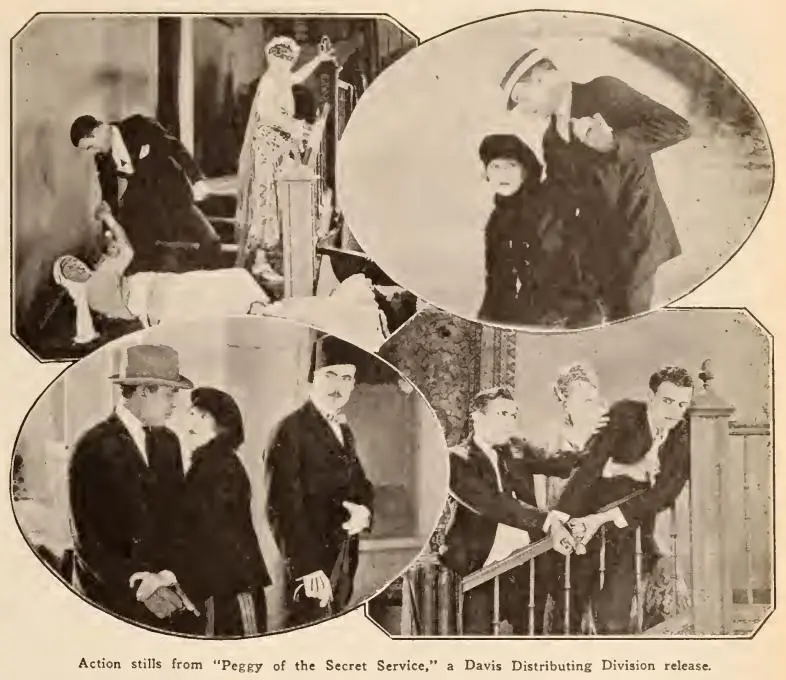
The pursuit then leads Peggy to Abdullah's mountain hideout, a setting that conjures images of remote danger and hidden secrets. Her infiltration of the harem, disguised as an Algerian woman, is a particularly potent sequence, relying on visual storytelling and Peggy O'Day's expressive performance to convey the mounting tension. The film plays with themes of disguise, deception, and the inherent dangers faced by a woman operating alone in a hostile, culturally alien environment. Each night, Peggy's position becomes more precarious, building to a dramatic climax where she finds herself in a desperate struggle with Abdullah, only to be saved by the timely arrival of Hal and his reinforcements. The resolution is swift, with Abdullah arrested and the jewels recovered, but the final twist—Peggy and Hal being denied marriage due to another urgent assignment—underscores the relentless nature of her profession and, perhaps, the film's commitment to its intrepid heroine's independence. It leaves the audience with a sense of Peggy's ongoing adventures, a smart move for potential sequels, even if none materialized.
The success of any silent film hinges significantly on the expressiveness of its cast, and Peggy of the Secret Service is no exception. Peggy O'Day, in the titular role, carries the film with an impressive blend of physical agility and emotional clarity. Her portrayal of Peggy isn't just about daring stunts; it’s about conveying determination, vulnerability, and quick wit through gestures and facial expressions. Consider the scene where she dives overboard for Hal; O'Day's frantic movements and wide-eyed concern communicate a profound shift from professional duty to personal anguish,

IMDb 5.3
1932
Community
Log in to comment.