DbcultAccessing Vault...
5.5/10
Senior Film Conservator
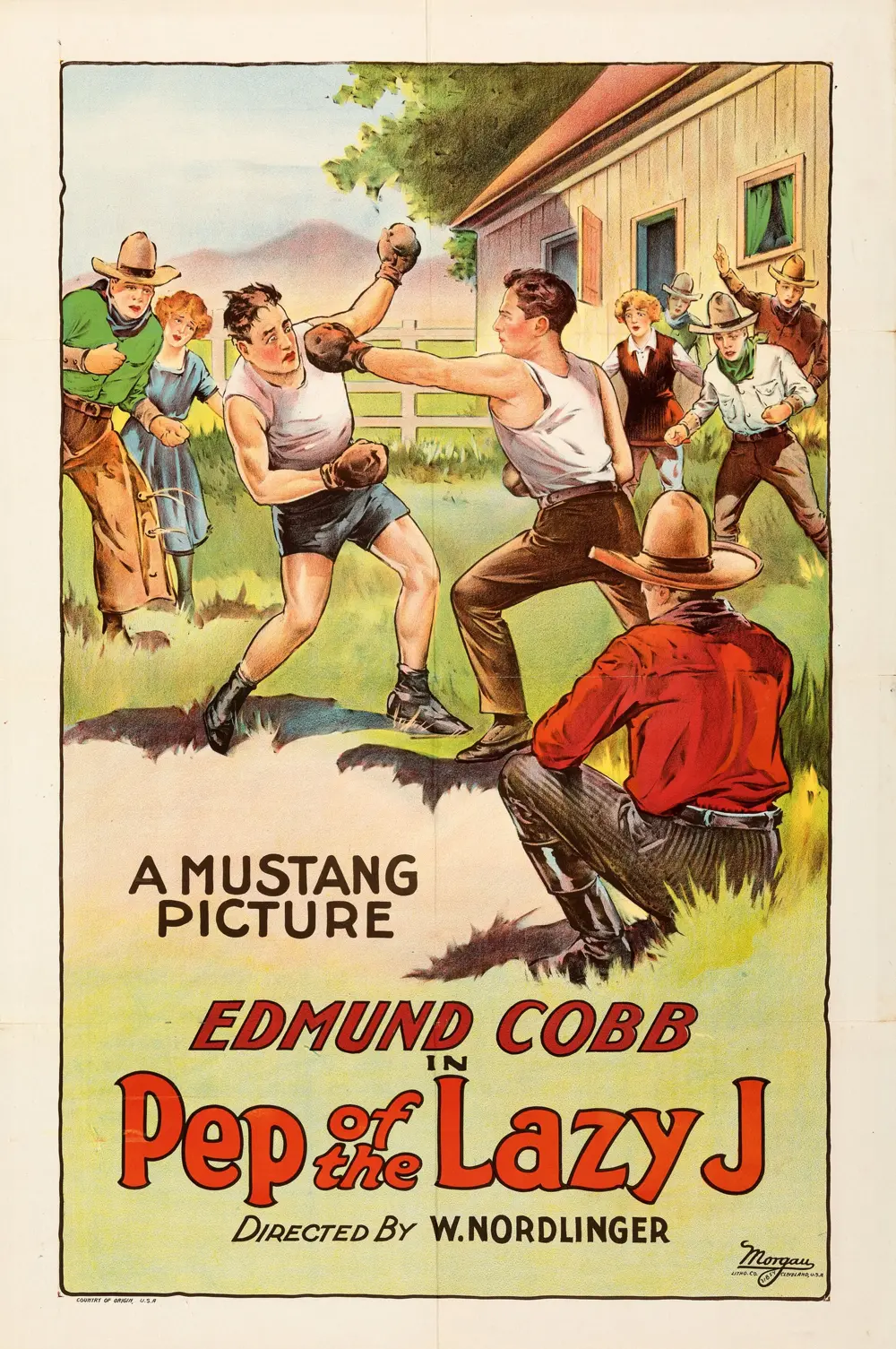
A definitive 5.5/10 rating for a film that redefined the boundaries of cult cinema. Pep of the Lazy J remains a cornerstone of transgressive art.
Is Pep of the Lazy J worth your time in the age of hyper-realistic digital cinema? Short answer: Yes, but only if you appreciate the raw, unpolished skeleton of the American Western before it became a polished myth.
This film is for the cinematic archaeologist and the silent film enthusiast who wants to see the genre's tropes in their infancy. It is decidedly NOT for those who require complex dialogue, high-octane pacing, or a plot that deviates from the 'underdog wins the day' formula.
This film works because it strips the Western down to its most basic, primal elements of labor and physical merit.
This film fails because its binary morality leaves little room for character nuance, making the outcome feel inevitable from the first frame.
You should watch it if you want to see a pre-superstardom Janet Gaynor or if you are tracking the evolution of the B-Western hero through Edmund Cobb.
The premise of Pep of the Lazy J is deceptively simple. Pep wants a job. To get it, he has to beat up the office bully. While modern audiences might find this HR policy questionable, in 1926, it served as a perfect metaphor for the Darwinian nature of the West.
Edmund Cobb brings a physical groundedness to the role of Pep. Unlike the flamboyant stars of the era, Cobb feels like a man who has actually spent time in a saddle. There is a specific scene early on where Pep eyes the ranch—not with wonder, but with the calculating gaze of a man looking for a paycheck.
The antagonist, Buck Donnelly, played with a delightful sneer by Ted Oliver, is the perfect foil. He represents the institutionalized bullying that often goes unchecked in isolated communities. When they finally clash, the choreography is surprisingly stiff yet impactful. It lacks the grace of modern stunt work, which actually makes it feel more like a real, desperate scuffle.
Director Leigh Jason, who would later find success in the sound era, shows an early knack for visual storytelling here. He doesn't rely heavily on title cards to explain the tension. Instead, he uses framing to isolate Pep against the vastness of the Lazy J, emphasizing his status as an outsider.
The pacing is brisk, as was common for these two-reelers. There is no fat on this narrative. Every scene serves the singular goal of moving Pep toward his confrontation with Donnelly. However, this brevity comes at a cost. We don't get much insight into why the ranch owner enjoys watching his employees fight for sport.
Compared to more expansive works like The Border Legion, Pep of the Lazy J feels intimate, almost claustrophobic. It’s a chamber piece set in the middle of a desert. The dust isn't just a prop; it’s a character that underscores the grit of the production.
For many modern viewers, the primary draw will be Janet Gaynor. This was filmed just before she became the first-ever Best Actress Oscar winner. Even in this minor role, her screen presence is undeniable. She has a way of reacting to the violence that adds a layer of stakes the script doesn't explicitly provide.
There is a moment where she watches Pep from a distance, and her expression shifts from skepticism to a subtle form of respect. It’s a masterclass in silent acting. She elevates the material, turning a standard Western into something that feels like it has a soul. It makes you wonder how many other 'disposable' Westerns were saved by performers of her caliber.
If you are looking for a foundational piece of Western history, the answer is yes. It captures a specific moment in 1926 when the genre was transitioning from short-form entertainment to the epic storytelling seen in films like Tennessee's Pardner. It is a lean, mean, and functional piece of cinema.
However, if you struggle with the silence and the lack of moral ambiguity, you might find it tedious. It doesn't subvert expectations. It meets them with a firm handshake and a punch to the jaw. It works. But it's flawed.
The film’s greatest strength is its lack of pretension. It knows exactly what it is: a vehicle for Edmund Cobb to show off his ruggedness. The cinematography by the uncredited cameramen captures the harsh sunlight of the California locations with a starkness that feels authentic. It doesn't look like a set; it looks like a workplace.
The secondary characters are essentially cardboard cutouts. Virginia Bradford is given very little to do other than look concerned. Furthermore, the central conflict—the fight—is resolved so quickly that it almost feels like an afterthought. After forty minutes of build-up, the climax is over in a flash.
Here is a debatable take: Pep of the Lazy J is actually a proto-noir. If you remove the horses and the hats, the story of a man having to commit an act of violence just to enter a corrupt labor market is the stuff of 1940s crime fiction. Pep isn't a hero; he's a victim of a system that forces him to be a gladiator for a paycheck. We should stop viewing these early Westerns as simple 'good vs. evil' stories and start seeing them as the desperate economic fables they actually were.
Pep of the Lazy J is a sturdy, if unremarkable, brick in the wall of Western cinema. It serves as a fascinating time capsule of a world where jobs were won with fists and Janet Gaynor was just another face in the crowd. It’s not a masterpiece, but it’s a vital piece of the puzzle for anyone serious about film history. It provides a more honest look at the 'Old West' than many of the big-budget spectacles that followed it. It's rough. It's dusty. It's real enough to matter.
IMDb —
1920
Community
Log in to comment.