DbcultAccessing Vault...
Cult Review
Senior Film Conservator
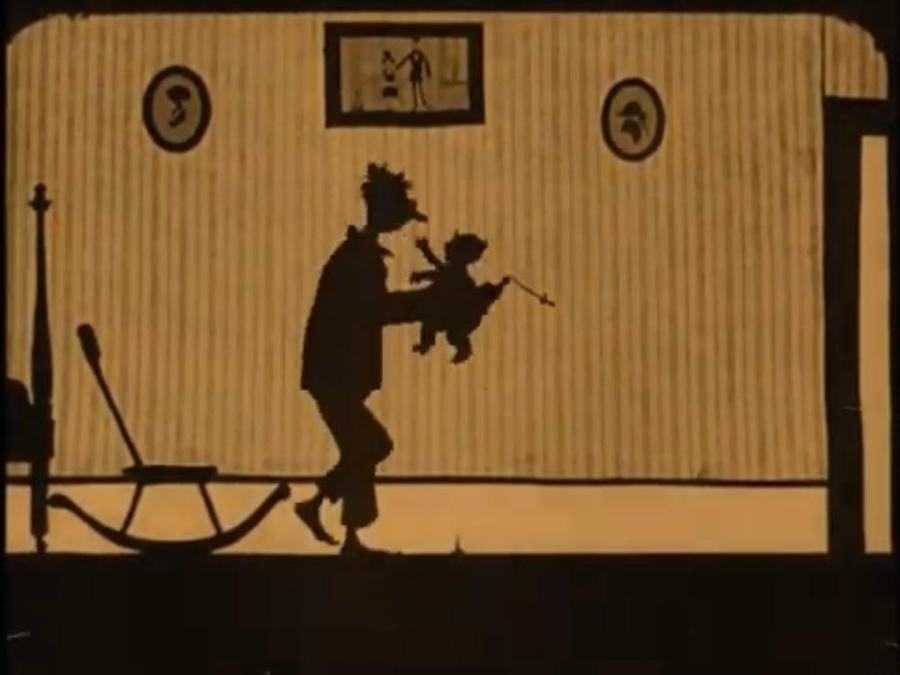
The cinematic landscape of Why Adam Walked the Floor is a vast and wondrous place, full of dark orange hues and yellow sunsets, each one a poignant reminder of the beauty and fragility of human life. As we embark on this journey, we are introduced to a cast of characters, each one a complex and multifaceted individual, full of contradictions and paradoxes. The writers, Herbert M. Dawley and Tony Sarg, have crafted a narrative that is at once deeply personal and universally relatable, a true masterpiece of storytelling that lingers in the mind long after the credits roll.
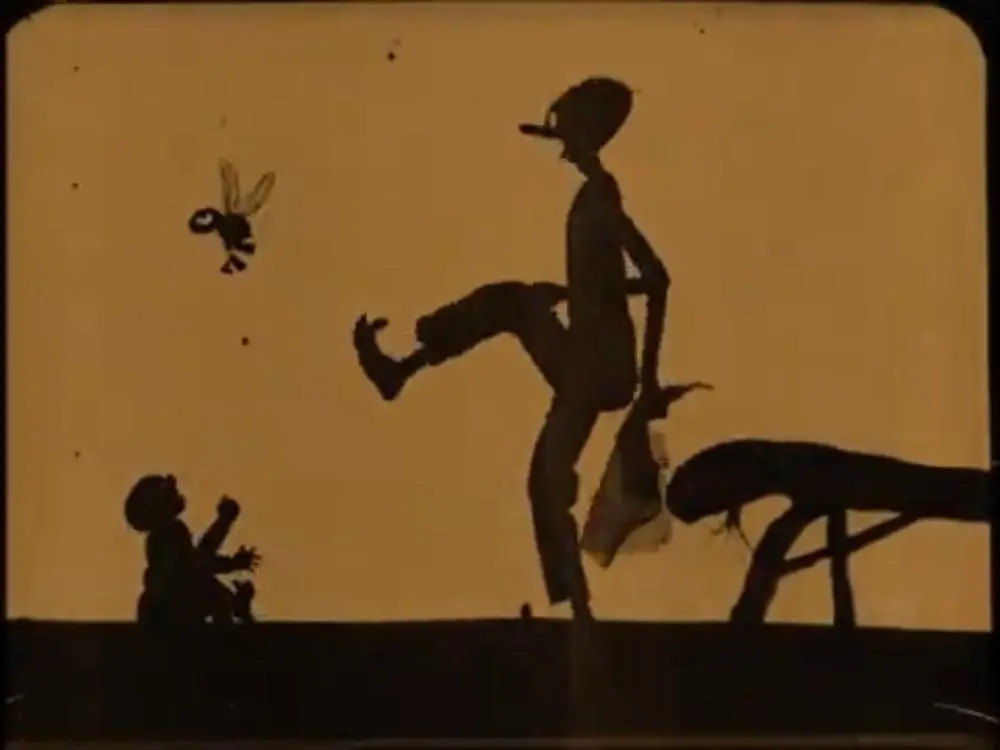
One of the most striking aspects of Why Adam Walked the Floor is its use of sea blue tones, which evoke a sense of melancholy and longing. This is a film that wears its heart on its sleeve, unafraid to confront the darker aspects of human nature, yet ultimately emerging as a testament to the power of hope and resilience. In this sense, it is reminiscent of other films, such as If Women Only Knew and A Man in the Open, which also explore the complexities of human relationships and the search for meaning.
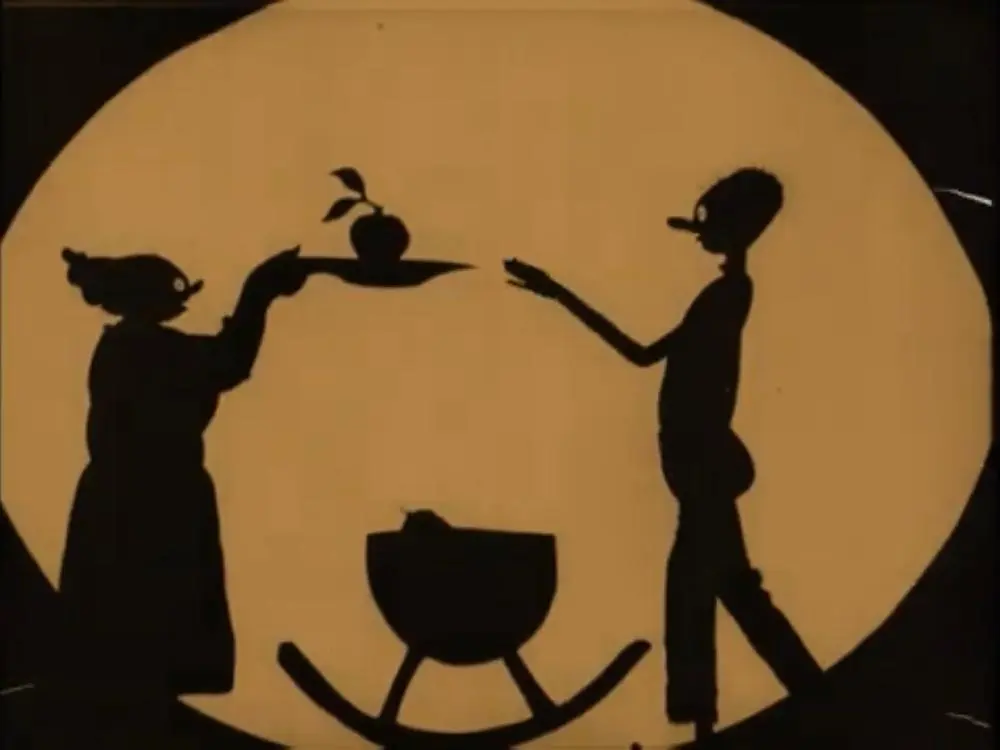
As we delve deeper into the world of Why Adam Walked the Floor, we begin to notice the subtle ways in which the characters interact with one another, their body language and dialogue revealing hidden depths and complexities. This is a film that rewards close attention, inviting viewers to puzzle over the mysteries of the human heart and the intricacies of human connection. In this sense, it is similar to films like The Sawdust Trail and Roped, which also explore the complexities of human relationships and the search for identity.

Despite its many complexities, Why Adam Walked the Floor is ultimately a film about simplicity, about stripping away the extraneous and revealing the raw, unvarnished truth of human emotion. This is a film that will resonate with viewers on a deep and profound level, a true masterpiece of cinematic storytelling that will linger in the mind long after the credits roll. In this sense, it is similar to films like Social Briars and Somebody Lied, which also explore the complexities of human relationships and the search for truth.

The themes of Why Adam Walked the Floor are timeless and universal, speaking to fundamental aspects of the human experience. This is a film that will resonate with viewers from all walks of life, a true masterpiece of cinematic storytelling that transcends boundaries of time and place. In this sense, it is similar to films like Heart of Gold and The Blue Bird, which also explore the complexities of human relationships and the search for meaning.
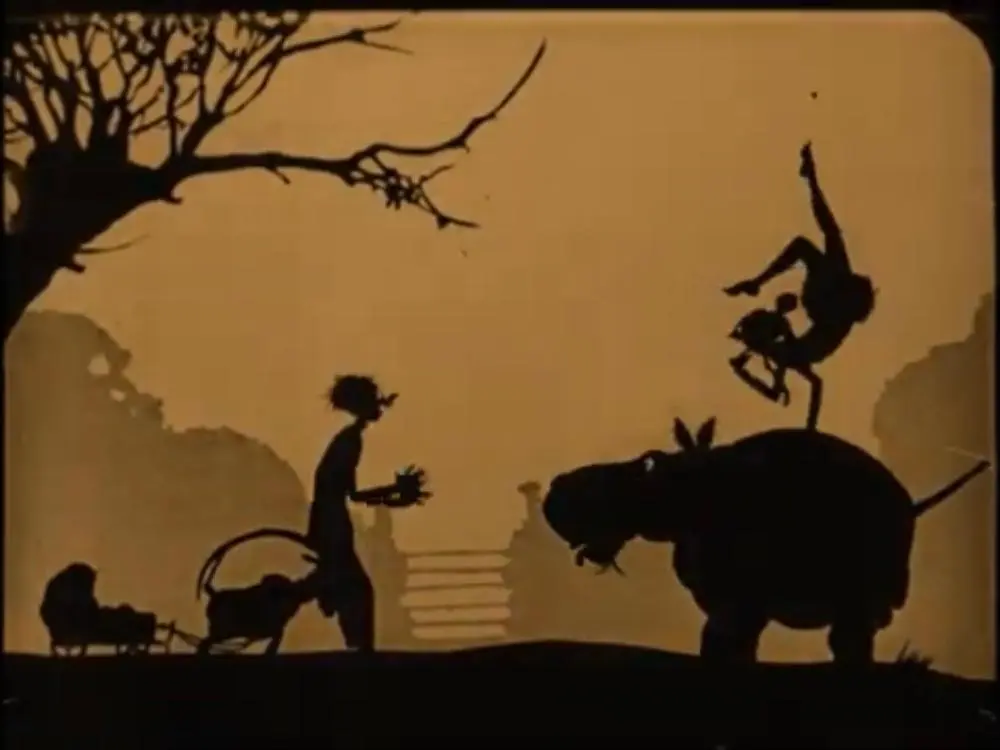
As we reflect on the many complexities of Why Adam Walked the Floor, we begin to appreciate the subtle ways in which the film's themes and motifs are woven together. This is a film that rewards close attention, inviting viewers to puzzle over the mysteries of the human heart and the intricacies of human connection. In this sense, it is similar to films like The Eyes of the Mummy and Morals, which also explore the complexities of human relationships and the search for identity.
The cinematic language of Why Adam Walked the Floor is rich and expressive, full of dark orange hues and yellow sunsets, each one a poignant reminder of the beauty and fragility of human life. As we embark on this journey, we are introduced to a cast of characters, each one a complex and multifaceted individual, full of contradictions and paradoxes. The writers, Herbert M. Dawley and Tony Sarg, have crafted a narrative that is at once deeply personal and universally relatable, a true masterpiece of storytelling that lingers in the mind long after the credits roll.
In the end, Why Adam Walked the Floor is a film that will leave viewers with much to think about, a true masterpiece of cinematic storytelling that invites us to ponder the mysteries of the human heart and the intricacies of human connection. In this sense, it is similar to films like The Woman in Politics and Little Miss Grown-Up, which also explore the complexities of human relationships and the search for meaning. As we reflect on the many complexities of this film, we begin to appreciate the subtle ways in which its themes and motifs are woven together, a true testament to the power of cinematic storytelling to capture the essence of the human experience.
The world of Why Adam Walked the Floor is a complex and multifaceted one, full of sea blue tones and dark orange hues, each one a poignant reminder of the beauty and fragility of human life. As we embark on this journey, we are introduced to a cast of characters, each one a complex and multifaceted individual, full of contradictions and paradoxes. The writers, Herbert M. Dawley and Tony Sarg, have crafted a narrative that is at once deeply personal and universally relatable, a true masterpiece of storytelling that lingers in the mind long after the credits roll. In this sense, it is similar to films like Roving Thomas on an Aeroplane and Such Is Life Among the Children of France, which also explore the complexities of human relationships and the search for identity.
As we delve deeper into the world of Why Adam Walked the Floor, we begin to notice the subtle ways in which the characters interact with one another, their body language and dialogue revealing hidden depths and complexities. This is a film that rewards close attention, inviting viewers to puzzle over the mysteries of the human heart and the intricacies of human connection. In this sense, it is similar to films like Love's Law, which also explores the complexities of human relationships and the search for truth. The cinematic language of Why Adam Walked the Floor is rich and expressive, full of yellow sunsets and sea blue tones, each one a poignant reminder of the beauty and fragility of human life.
IMDb 6.4
1921
Community
Log in to comment.