DbcultAccessing Vault...
Cult Review
Senior Film Conservator
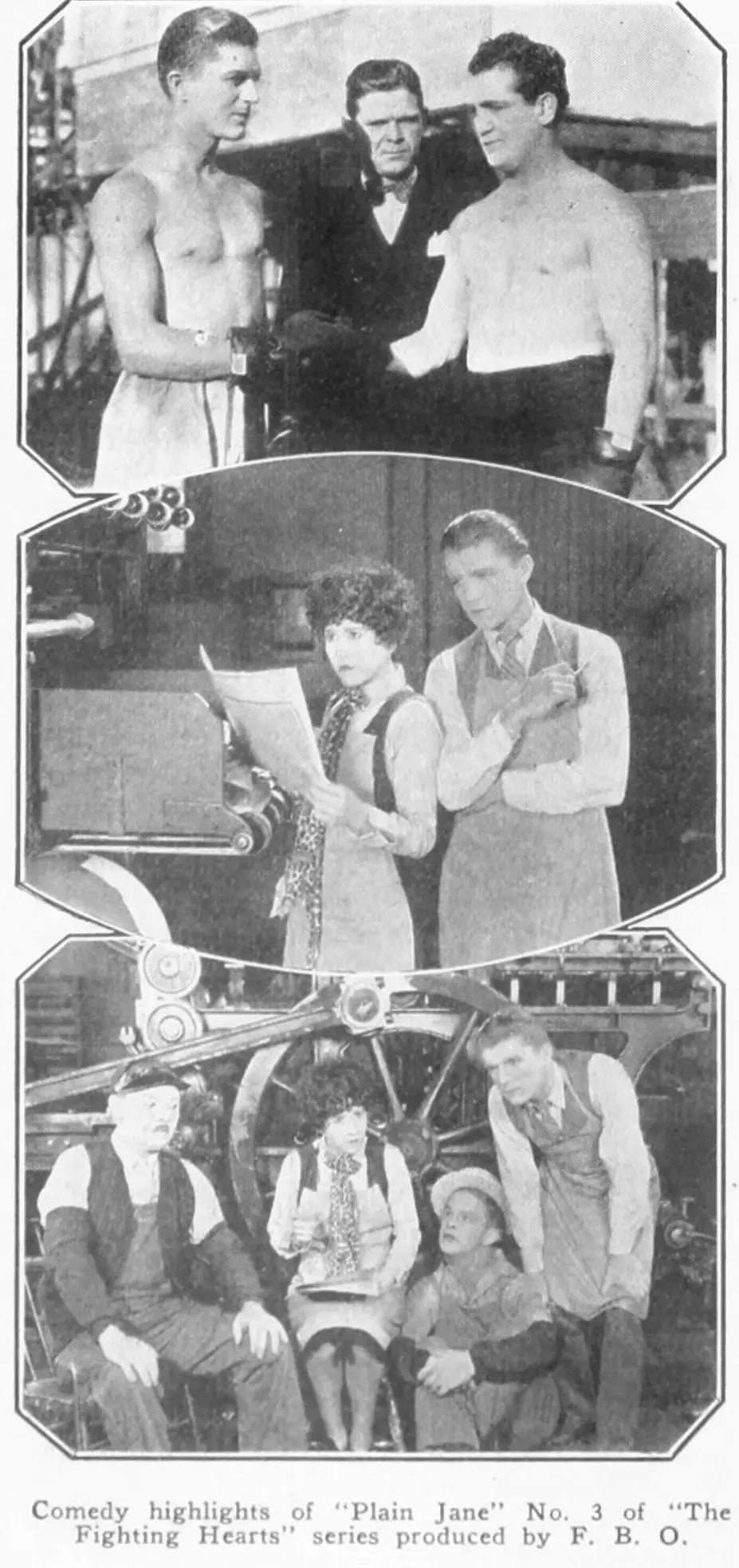
Is 'Plane Jane' a film worth revisiting in the modern era? Short answer: yes, but with significant caveats that ground its flight path. This early cinematic offering is best suited for dedicated cinephiles and historians keen on the nascent stages of narrative film, but it will likely prove a challenging watch for casual viewers accustomed to contemporary pacing and production values.
This film works because of its surprisingly nuanced character portrayals for the period, offering a glimpse into the emotional complexities possible even in silent cinema. It fails because its narrative structure, while ambitious, occasionally trips over its own feet, leading to moments of genuine confusion or prolonged exposition. You should watch it if you appreciate the foundational artistry of early Hollywood and are willing to engage with a film on its own historical terms, rather than expecting a modern blockbuster.
Released in an era when cinema was still defining its language, 'Plane Jane' emerges as a fascinating artifact. It captures the public's burgeoning fascination with aviation, a world of daring pilots and mechanical marvels that symbolized progress and adventure. The film, starring Larry Kent and Alberta Vaughn, isn't just a story; it's a time capsule, reflecting the dreams and anxieties of a generation captivated by the sky.
What truly anchors 'Plane Jane' in the annals of early cinema is its ambition. It doesn't shy away from exploring themes of independence, risk, and the complicated dance between personal aspiration and romantic entanglement. While many films of its time focused on simpler, more melodramatic narratives, 'Plane Jane' attempts a more complex emotional tapestry, a feat that, while not always perfectly executed, is commendable for its period.
The film’s historical significance also extends to its technical daring. Practical effects for aerial sequences were rudimentary, yet the filmmakers managed to convey a genuine sense of peril and exhilaration. This commitment to spectacle, combined with a surprisingly intimate character study, sets it apart from many of its contemporaries, even those with grander budgets like The Star Rover, which often prioritized philosophical depth over immediate visceral impact.
Sam Hellman, primarily known for his prolific writing, stepped into the director's chair for 'Plane Jane' with a clear, if occasionally uneven, vision. Directing a silent film presented unique challenges, demanding storytelling through visuals, performance, and the judicious use of intertitles. Hellman’s approach here is a blend of conventional silent film techniques and some surprisingly forward-thinking choices.
He often favors medium shots and close-ups to capture the emotional nuances of his actors, a smart move given the reliance on facial expressions in silent cinema. For instance, the tight framing on Alberta Vaughn’s face as she makes a crucial decision before a storm-ridden flight conveys more tension than any grander, more distant shot could. This intimate perspective allows the audience to connect directly with Jane’s internal struggle.
However, Hellman’s pacing sometimes falters. There are moments of genuine narrative propulsion, particularly during the aerial sequences, where the editing creates a palpable sense of urgency. Yet, these are often interspersed with longer, more static scenes of exposition or emotional reaction that, while necessary for the period, can test the patience of a modern viewer. It’s a rhythmic challenge inherent to the era, but one that Hellman doesn't always navigate with consistent grace.
Sam Hellman, despite his prolific output, never quite received the critical due for his innovative approaches to silent film narrative, and 'Plane Jane' stands as a quiet argument for his underappreciated skill. His willingness to experiment, even within the confines of commercial cinema, is evident here.
The strength of 'Plane Jane' largely rests on the shoulders of its two leads, Alberta Vaughn and Larry Kent. Silent film acting demanded a delicate balance: expressive enough for the audience to understand, yet restrained enough to avoid outright melodrama. Both actors, for the most part, walk this tightrope with impressive skill.
Alberta Vaughn, as the eponymous Jane, delivers a performance that transcends the often-stilted conventions of the era. Her subtle shifts from wide-eyed optimism to steely resolve, particularly in the scene where she confronts a skeptical mechanic (a brief but memorable turn by an uncredited actor), speak volumes without a single intertitle. Vaughn’s ability to convey defiance and vulnerability simultaneously is remarkable, creating a character far more complex than the typical ingenue. Her performance here is arguably one of the most underrated in early Hollywood, often overshadowed by her more famous contemporaries.
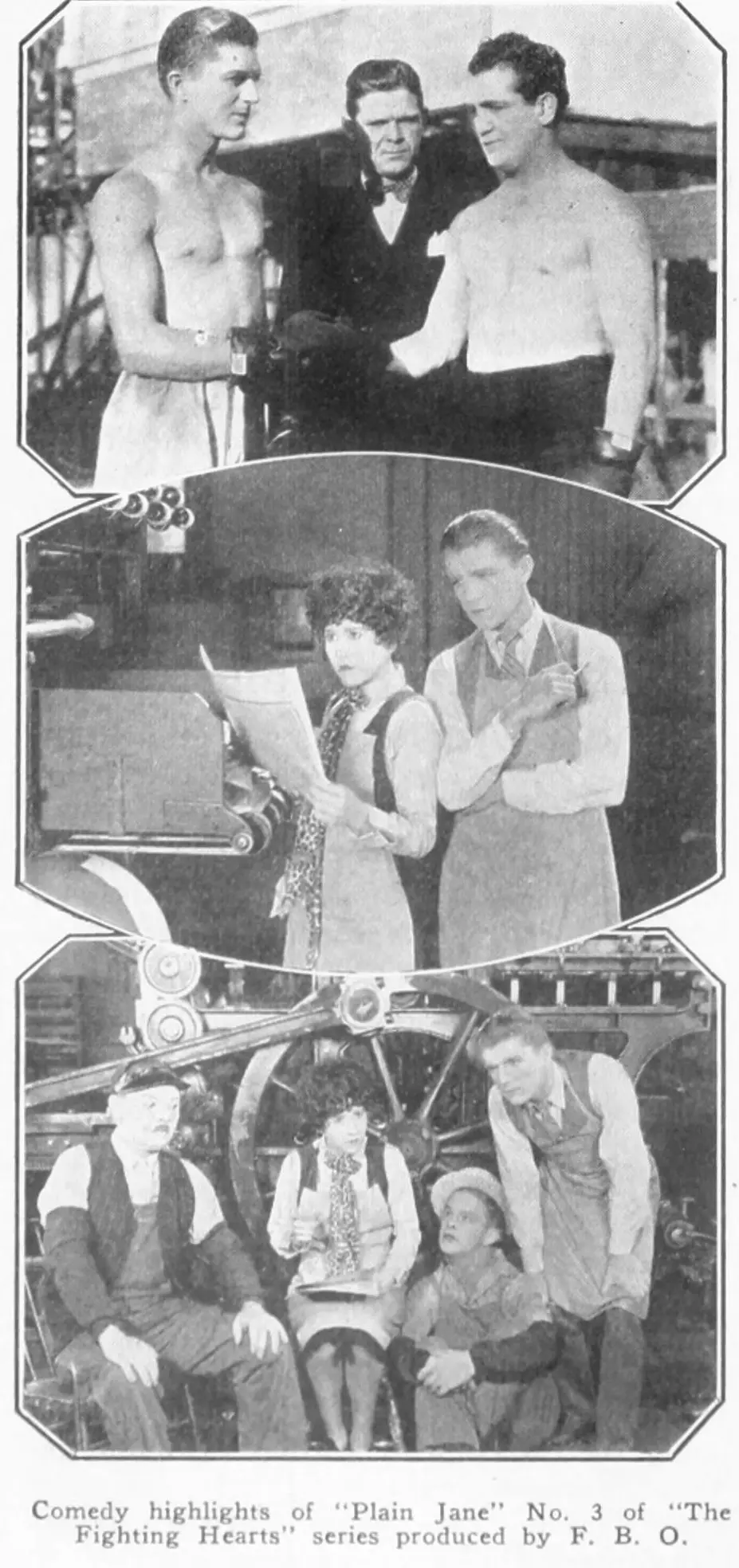
Larry Kent, while perhaps leaning more into the era's heroic archetype, brings a necessary groundedness. His concerned glances at Vaughn during their shared flights betray a depth beyond simple derring-do, suggesting a protective instinct that evolves into something more profound. His chemistry with Vaughn, though subtle, is believable, adding a layer of romantic tension that feels earned rather than forced. It's an earnestness in his portrayal that one might also recognize in the straightforward, honest performances seen in films like Are Parents People?.
The film’s cinematography, while constrained by the technology of the late 1920s, often achieves moments of striking beauty. The black and white palette is utilized effectively, playing with light and shadow to create mood and emphasize narrative beats. Close-ups are often bathed in soft, diffused light, highlighting the actors' expressions, while broader scenes of the airfield use starker contrasts to convey the industrial grit of the setting.
The practical effects for the aviation sequences, though simple, are surprisingly effective. The use of miniatures, forced perspective, and actual stunt flying (where feasible) creates a sense of scale and danger. The low-angle shots of biplanes soaring against a vast, undifferentiated sky are particularly evocative, conveying both the majesty and the isolation of early flight. There’s a particular sequence featuring a sunset over a dusty airfield, where the silhouettes of the planes and figures create a painterly composition that lingers long after the scene passes, proving that even with limited tools, impactful visual storytelling was paramount.
Perhaps the most surprising element isn't the aerial stunts, but how effectively the film conveys the sheer boredom that must have accompanied early long-distance flights, a stark contrast to the romanticized danger. Long, unbroken shots of the plane flying, while challenging for modern attention spans, subtly underline the vast emptiness and the mental fortitude required of these early aviators.
The narrative flow of 'Plane Jane' is, admittedly, a product of its time. Modern audiences might find the rhythm jarring, with sudden bursts of action punctuated by extended sequences of character reaction shots or explanatory intertitles. This can lead to a feeling of stop-start momentum, demanding a different kind of engagement from the viewer. However, this deliberate pacing allows for a deeper immersion into the emotional states of the characters, particularly during the quieter moments of reflection before a perilous flight.
The film's tone oscillates effectively between thrilling adventure and poignant romantic drama, a balance that films like The Splendid Sinner often struggled to maintain, frequently tipping too far into pure melodrama. 'Plane Jane' manages to integrate its romantic elements naturally into the high-stakes world of aviation, making the personal stakes feel as significant as the physical ones. It works. But it’s flawed.
The reliance on intertitles, while a necessary convention of silent film, occasionally breaks the immersive quality of the visuals. Some feel redundant, merely stating what the actors' expressions or the scene's action already convey. Yet, others are poetic and succinct, providing crucial insights into the characters' inner thoughts or the broader societal context. It’s a mixed bag, reflecting the evolving grammar of film storytelling.
Absolutely, for specific audiences. This film offers a unique window into early cinematic ambition. It showcases pioneering acting and directorial choices. It’s a historical artifact that still entertains. However, it demands patience and an appreciation for its context. It's not a casual watch for those new to silent films.
If you are a student of film history, an aviation enthusiast, or simply curious about the foundational elements of storytelling on screen, 'Plane Jane' provides rich material for study and enjoyment. It challenges you to look beyond modern conventions and appreciate the ingenuity of early filmmakers working with nascent technology.
Ultimately, 'Plane Jane' is more than just a relic; it's a testament to the foundational artistry of a bygone era. It demands a particular kind of engagement, one that rewards patience with genuine insight into the birth of cinematic storytelling. While it won't be everyone's cup of tea, for those willing to embark on its journey, it offers a fascinating and often surprisingly moving flight into the past.
It’s a film that reminds us how far cinema has come, yet also how much of its core appeal – compelling characters, dramatic stakes, and visual poetry – was present from its earliest days. 'Plane Jane' isn't perfect, but its imperfections are part of its charm, offering a raw, unpolished glimpse into a pivotal moment in film history. It’s a journey worth taking, provided you pack the right expectations.
IMDb —
1919
Community
Log in to comment.