DbcultAccessing Vault...
Cult Review
Senior Film Conservator
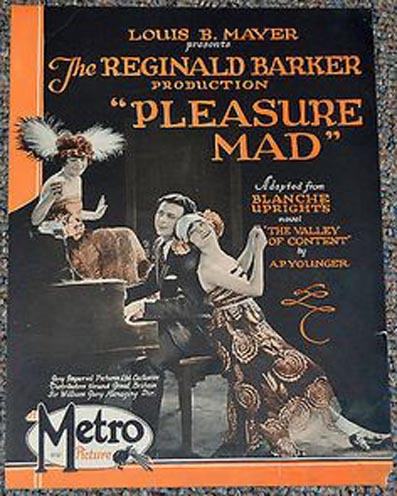
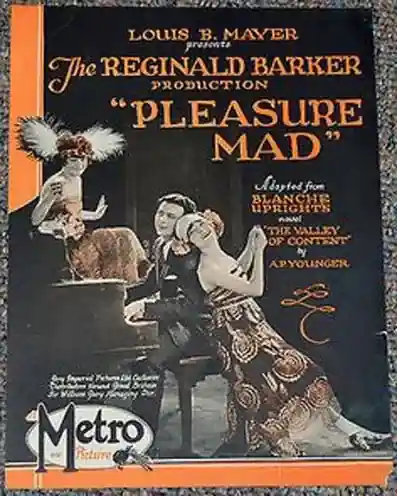
In the annals of early cinematic storytelling, Pleasure Mad emerges as a poignant, if at times melodramatic, examination of aspiration, moral compromise, and the elusive nature of true happiness. Directed with a keen eye for the burgeoning social anxieties of its era, the film lays bare the transformative, often destructive, power of wealth and urban migration on the human spirit. Hugh Benton, portrayed by Huntley Gordon with a compelling blend of ambition and eventual remorse, represents a figure emblematic of an age captivated by the promise of upward mobility. His initial drive, rooted in a desire to provide, inexorably morphs into a relentless pursuit of a superficial grandeur, a common narrative thread found in many films of the period, not unlike the societal critiques subtly woven into the fabric of Human Hearts, which also explored the moral quandaries of the common man.
Benton’s decision to uproot his family from what one presumes to be a more bucolic, perhaps simpler, existence to the glittering, tumultuous heart of the city serves as the primary catalyst for the unfolding drama. The city, in this context, is not merely a backdrop but an active antagonist, an siren call promising liberation and excitement while subtly eroding the foundations of familial bonds and personal integrity. This urban migration, a phenomenon gripping the Western world at the time, is depicted as both a crucible of opportunity and a forge of moral decay. The sheer scale of the city, its anonymous crowds and myriad temptations, overwhelm the traditional values that once anchored the Benton household, setting the stage for a spectacular fall from grace.

Central to the film’s emotional core is the figure of Hugh’s wife, a character brought to life with understated power by Mary Alden. Her portrayal is a masterclass in silent suffering, a testament to the quiet strength and unwavering loyalty that so often defined female roles in early cinema. As Hugh ascends the social ladder, his gaze fixed firmly on the glittering prizes of his new urban existence, his wife remains a steadfast, if increasingly marginalized, presence. Her loyalty, however, is not merely passive endurance; it is an active, profound commitment that ultimately stands in stark contrast to Hugh’s escalating infidelity and his casual dismissal of their shared history. This juxtaposition of fidelity against fleeting passion forms the dramatic tension that underpins much of the narrative, a theme echoed in the trials and tribulations of relationships depicted in films like The Call of the Dance, where societal pressures similarly test marital bonds.
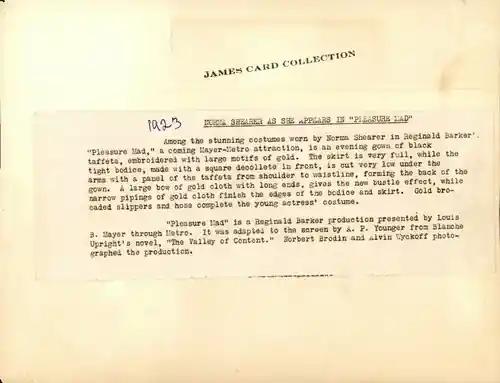
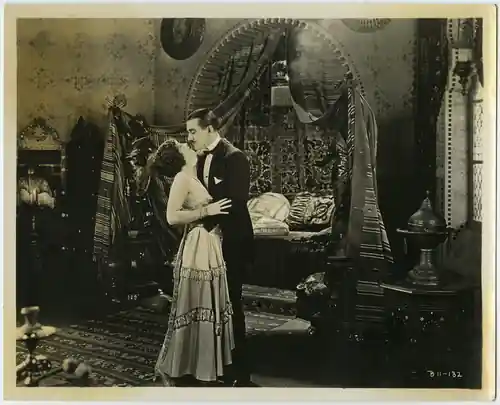
The introduction of a younger woman into Hugh’s life marks a critical turning point, signifying not just a marital betrayal but a deeper abandonment of self. This relationship, ostensibly offering the excitement and novelty that Hugh perceives as missing from his established domesticity, is revealed to be hollow, superficial, and ultimately destructive. The film skillfully uses this affair to illustrate the perils of prioritizing transient gratification over enduring commitment. It’s a narrative choice that resonates with the moralistic undertones prevalent in much of the era's storytelling, where transgressions almost invariably led to a reckoning. The script, penned by Andrew Percival Younger and Blanche Upright, navigates these delicate moral waters with a nuanced understanding of human frailty, allowing Hugh’s character to be flawed but not irredeemable.
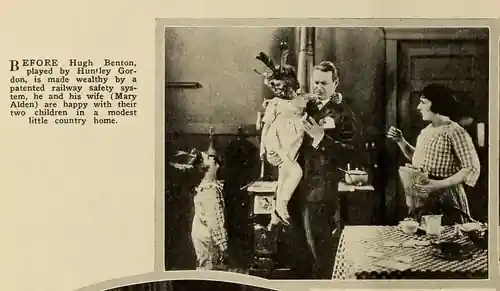
With his marriage fractured and his moral compass spinning wildly, Hugh’s influence extends perniciously to his children. His encouragement for them to leave home, to seek their own unencumbered paths, can be read as both a reflection of his own newfound libertinism and a desperate attempt to shed the responsibilities that tether him to his past. This act of familial disengagement is particularly heartbreaking, showcasing the ripple effect of one man's choices across an entire household. The children, perhaps initially drawn to the promise of independence their father now champions, are ultimately set adrift, deprived of the very anchors their father so carelessly cast off. The film subtly explores the generational impact of parental choices, a theme that, while not explicitly the focus, adds depth to the overall tragedy unfolding.
The narrative’s trajectory, while seemingly leading Hugh down an irreversible path of self-destruction, pivots dramatically with his involvement in a shooting incident. This violent climax is not merely a plot device but a symbolic shattering of Hugh’s carefully constructed illusion of invincibility and pleasure. It is a moment of stark, brutal reality that forces him to confront the hollowness of his choices and the precariousness of his new life. The shooting serves as a powerful metaphor for the ultimate fragility of a life built on superficiality and moral compromise. In the chaos and fear of this moment, the triviality of his recent pursuits becomes painfully clear, paving the way for a profound re-evaluation of his values. One might draw parallels to the sudden, jarring revelations found in films like The Shooting of Dan McGrew, where violence acts as a stark catalyst for moral awakening.
It is in the aftermath of this traumatic event that Hugh's epiphany takes root. Stripped bare of his illusions, he finally perceives the true value of his abandoned wife’s loyalty. Her unwavering presence, her quiet dignity, and her steadfast affection, which he once took for granted, now shine as beacons against the darkness of his own making. This realization is the film’s emotional crescendo, a testament to the enduring power of genuine human connection over fleeting desires. The journey back to her is not merely a physical return but a spiritual one, a poignant acknowledgment of his profound errors and a desperate plea for redemption. The film, in this sense, offers a conservative moral message: that true happiness and stability are found not in external trappings but in the enduring
IMDb 5.3
1923
Community
Log in to comment.