DbcultAccessing Vault...
Cult Review
Senior Film Conservator
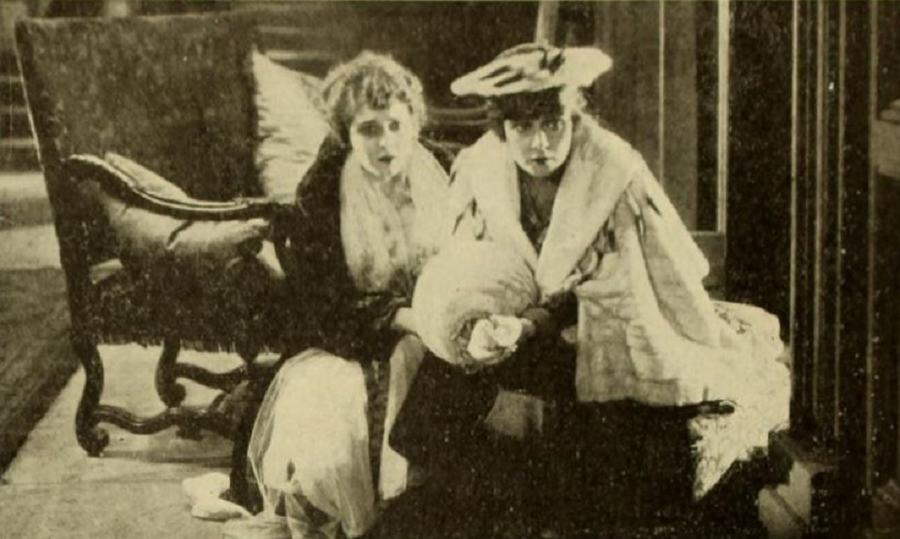
The early twentieth century, a period often dismissed as cinematically nascent, frequently gifted audiences with profound narrative tapestries, rich in emotional resonance and moral quandaries. Among these, The Lie, a 1918 silent drama, emerges as a particularly potent example, a film that, despite its age, continues to resonate with an almost uncomfortable contemporary relevance. Directed by J. Searle Dawley and adapted from Henry Arthur Jones's powerful play by Charles Maigne, this cinematic offering is far more than a mere historical curiosity; it is a searing examination of familial duty, devastating betrayal, and the crushing weight of self-sacrifice. It challenges its viewers to ponder the true cost of virtue in a world perpetually teetering on the precipice of moral compromise, leaving an indelible mark long after the final fade to black.
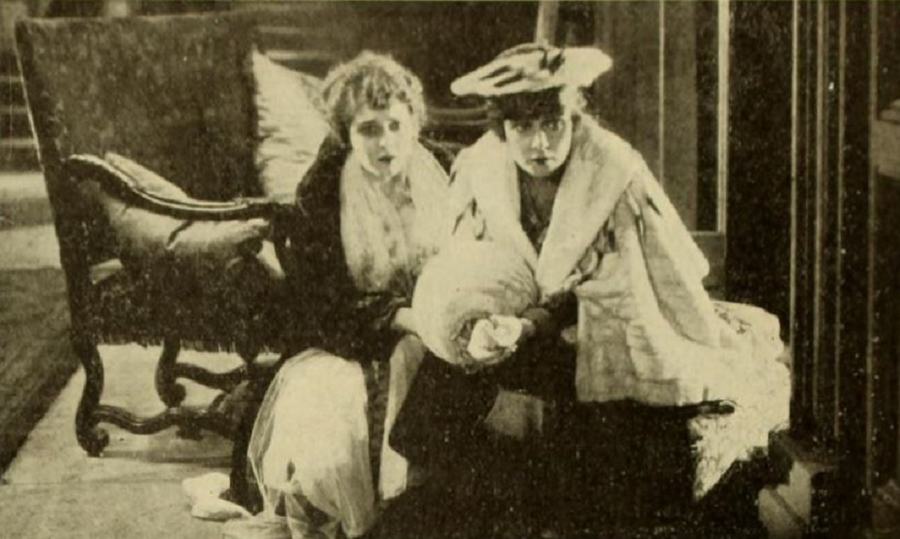
At its core, The Lie presents a narrative arc steeped in classic melodramatic tropes, yet executed with an earnestness that elevates it beyond mere sensationalism. The story centers on Elinor Shale, portrayed with heartbreaking vulnerability by Elsie Ferguson, a woman whose serene existence is abruptly shattered. Engaged to the ostensibly honorable Gerald Forster (David Powell), Elinor's future seems secure, bright with the promise of domestic contentment. This idyllic vision, however, proves tragically ephemeral. The sudden, unannounced arrival of her younger sister, Lucy (Betty Howe), introduces an immediate discord. Lucy, pregnant out of wedlock, embodies a societal scandal, a pariah in the making. In an act of staggering altruism, Elinor chooses to shield her sister from the unforgiving judgment of their community. She orchestrates their seclusion, a quiet retreat where Lucy can deliver her illegitimate child away from prying eyes and wagging tongues. This initial act of selflessness sets the tragic trajectory for Elinor, a path paved with good intentions that ultimately leads to profound personal suffering.
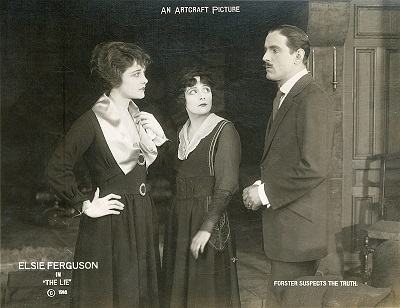
Following the clandestine birth, Elinor’s dedication remains unwavering. She takes upon herself the onerous task of finding a suitable foster home for the infant, a desperate attempt to restore some semblance of normalcy and respectability to Lucy’s life. Yet, as so often happens in tales of unchecked ambition, Lucy's gratitude is fleeting, quickly overshadowed by a gnawing envy. Her gaze, once fixed on her own predicament, now drifts towards Elinor's fiancé, Gerald. A sinister plot begins to coalesce in Lucy's mind: to usurp Elinor's position and claim Gerald for herself. With a chilling calculatedness, Lucy spins a deceitful web, implanting in Gerald’s mind the insidious notion that Elinor, the paragon of virtue, is in fact the child's true mother. This audacious fabrication, delivered with feigned distress, effectively severs the bond between Elinor and Gerald, leaving Elinor bewildered and heartbroken, her reputation irrevocably tarnished by a lie she could never have conceived.
The tragic irony deepens as Lucy, having successfully manipulated Gerald, marries him, building her happiness upon the ruins of her sister's life. The revelation of Lucy's perfidy eventually reaches Elinor, a truth that must have felt like a physical blow. Consumed by a righteous indignation, Elinor resolves to expose Lucy and reclaim her honor, to lay bare the truth before Gerald. Yet, in a moment of profound, almost unbearable pathos, upon witnessing the apparent domestic felicity of Gerald and Lucy, Elinor’s resolve crumbles. The sight of their happiness, however ill-gotten, inspires in her a final, agonizing act of self-abnegation. She chooses silence, preferring to bear her sorrow privately rather than shatter the fragile illusion of their contentment. She retreats, once again, into her solitude, leaving the audience to grapple with the moral complexities of her choice. It is in this crucible of quiet suffering that Nol Dibdin (Percy Marmont), a discerning family friend, enters the narrative, recognizing Elinor’s extraordinary spirit and offering her a path towards a happiness built on shared understanding and genuine admiration.
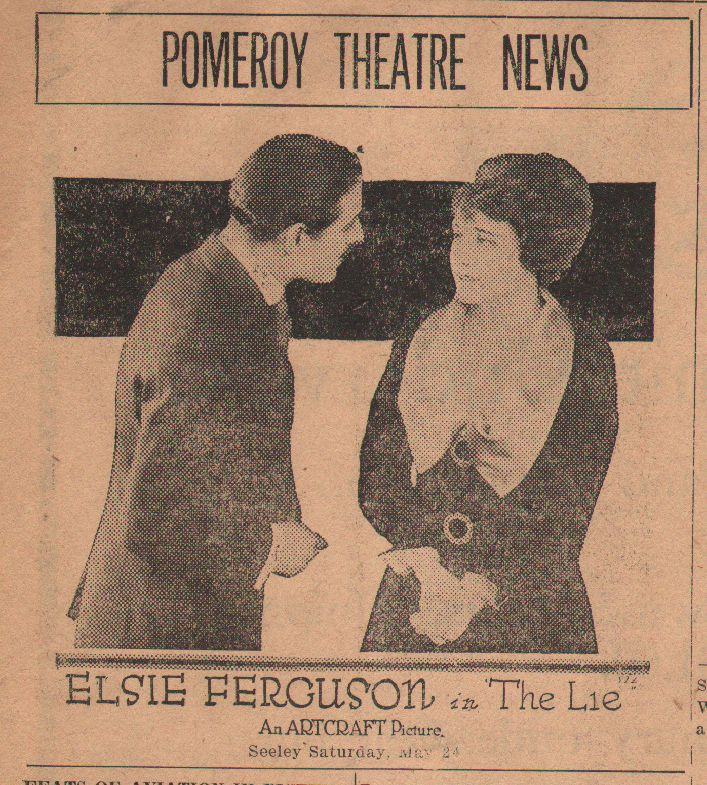
The success of The Lie hinges almost entirely on the nuanced performances of its lead actors, particularly Elsie Ferguson as Elinor Shale. Ferguson, a prominent stage actress who transitioned to silent film, brings a remarkable depth and gravitas to her portrayal. Her Elinor is not merely a victim; she is a woman of immense inner strength, her every gesture, every subtle shift in expression, conveying a world of unspoken pain and unwavering resolve. She masterfully navigates the emotional landscape of her character, from the initial radiant joy of engagement to the quiet despair of betrayal and the ultimate, heart-wrenching sacrifice. One can almost feel the weight of her burden, the silent screams of her soul, as she chooses to protect her sister's fragile happiness at the expense of her own. Her performance is a masterclass in silent film acting, demonstrating how much can be conveyed without a single spoken word, relying instead on the expressive power of the human face and body.
Betty Howe’s portrayal of Lucy is equally compelling, albeit in a starkly contrasting manner. Howe imbues Lucy with a serpentine charm, a veneer of vulnerability that masks a ruthless ambition. Her transformation from a desperate, repentant sister to a calculating, self-serving manipulator is chillingly effective. The audience is left to despise her actions, yet compelled to acknowledge the psychological complexity of a character driven by fear, envy, and a desperate desire for social acceptance. David Powell, as Gerald Forster, embodies the archetypal romantic lead, somewhat naive and easily swayed, yet not entirely unsympathetic. His performance effectively captures the confusion and eventual conviction of a man misled by a cleverly crafted deception. The supporting cast, including Charles Sutton, Maude Turner Gordon, Bertha Kent, and John L. Shine, provide solid foundations for the central drama, each contributing to the rich tapestry of the film's world. Percy Marmont as Nol Dibdin offers a beacon of hope, a character whose quiet understanding and steadfast admiration for Elinor provide a much-needed counterpoint to the pervasive deceit, hinting at the possibility of genuine connection and redemption.
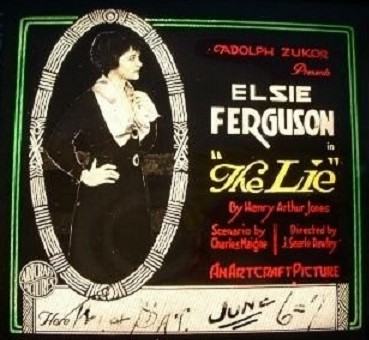
The thematic richness of The Lie is arguably its greatest strength. At its heart lies a profound exploration of sacrifice, particularly the self-immolating kind. Elinor's actions throughout the film are a testament to an almost superhuman capacity for selflessness, a willingness to endure personal suffering for the perceived well-being of others. This theme resonates deeply, prompting viewers to consider the boundaries of familial obligation and the true meaning of unconditional love. Her choice to remain silent, to protect the fragile happiness of her betrayer and the man she loves, is a particularly poignant moment, a silent scream that echoes with the weight of her profound moral rectitude. This type of quiet, internal struggle differentiates it from more overtly rebellious narratives of the era, such as Clover's Rebellion, where characters actively fight against their circumstances rather than internalizing them.
Conversely, the film delves into the corrosive nature of betrayal. Lucy's actions are not merely misguided; they are a calculated act of cruelty, born from envy and a desperate desire for social standing. Her lie, a single, toxic seed, blossoms into a tangled vine that chokes the life out of Elinor's happiness. This portrayal of deceit, its origins and its devastating consequences, serves as a powerful cautionary tale, reminding us that the most profound wounds are often inflicted by those closest to us. The film implicitly critiques the societal pressures of the era, where a woman's reputation, especially concerning illegitimacy, could dictate her entire future. Lucy's desperation, while not excusing her actions, provides a glimpse into the unforgiving social landscape that could drive individuals to such extreme measures. This stark portrayal of societal judgment and its impact on personal choices finds parallels in other contemporary dramas exploring moral dilemmas, such as The Cost of Hatred or even the more sensationalized Forbidden Fruit, though The Lie maintains a more grounded, psychological realism.
The exploration of love, both romantic and familial, is another cornerstone of the narrative. Elinor's love for Gerald is profound, yet her love for her sister, flawed as Lucy may be, proves even stronger, ultimately dictating her choices. The film suggests that true love, in its highest form, may demand profound personal sacrifice. The eventual emergence of Nol Dibdin as a potential partner for Elinor offers a glimmer of hope, a suggestion that genuine connection, built on respect and understanding rather than superficial appearances or deceit, is ultimately attainable. This nuanced portrayal of relationships and their inherent complexities elevates The Lie beyond a simple melodrama, imbuing it with a timeless resonance.
From a technical perspective, The Lie exemplifies the growing sophistication of silent cinema in the late 1910s. While lacking the elaborate set pieces or revolutionary camera work of later silent epics, its direction by J. Searle Dawley is commendably restrained and effective. Dawley understands the power of close-ups to convey emotion, allowing Elsie Ferguson's expressive face to carry much of the narrative weight. The pacing is deliberate, allowing the emotional beats to land with maximum impact, a stark contrast to the rapid-fire editing that would become more prevalent in the ensuing decades. The cinematography, though basic by today's standards, effectively establishes mood and setting, drawing the audience into Elinor's increasingly isolated world. The use of intertitles is judicious, never overwhelming the visual storytelling but providing necessary exposition and dialogue that reinforces the dramatic tension. This careful balance between visual performance and textual explanation is a hallmark of well-crafted silent films.
The film's enduring legacy lies in its ability to transcend its historical context. While the specific social mores surrounding illegitimacy may have evolved, the universal themes of sacrifice, betrayal, and the search for authentic happiness remain deeply resonant. The Lie serves as a powerful reminder of the human capacity for both profound good and profound evil, and the often-painful choices individuals are forced to make when confronted with moral dilemmas. It stands as a testament to the power of narrative to explore the darkest corners of the human heart and the most luminous aspects of the human spirit. Its quiet intensity and the depth of its emotional landscape continue to captivate audiences who are willing to look beyond the absence of sound and embrace the rich artistry of early cinema. It invites comparison not only to other contemporary American dramas like Love Watches but also to European melodramas such as Graziella, which similarly delved into the intricacies of personal sacrifice within societal constraints. The film's psychological depth, particularly in its portrayal of Elinor's internal conflict, foreshadows more complex character studies that would emerge in later cinematic periods.
In a cinematic landscape often dominated by spectacle, The Lie offers a refreshing counterpoint: a drama of profound intimacy, where the greatest battles are fought within the soul. It reminds us that sometimes, the most heroic acts are not those of grand defiance, but of quiet, agonizing acceptance. The writers, Henry Arthur Jones and Charles Maigne, crafted a narrative that, while rooted in the sensibilities of its time, speaks to universal truths about human nature. It's a film that asks us to consider the true meaning of integrity, forgiveness, and the silent strength required to navigate a world where truth is often obscured by the shadows of deceit. Its quiet power echoes the emotional gravitas found in other character-driven dramas of the era, such as Who Is to Blame? or even the more socially conscious The New York Peacock, all of which sought to examine the complexities of human relationships and societal expectations.
Ultimately, The Lie is a testament to the enduring power of silent cinema to explore the depths of human emotion without uttering a single word. It is a film that challenges its audience, not with grand narratives of war or adventure, but with the quiet, internal struggles of a woman caught in a web of familial duty and devastating betrayal. Elsie Ferguson's performance remains a beacon, a masterclass in conveying the unspoken, and the film's narrative, though seemingly simple, unravels with a psychological complexity that belies its age. It forces us to confront uncomfortable questions about morality, the nature of sacrifice, and the often-blurry lines between love and resentment. Far from being a mere relic, The Lie stands as a compelling piece of cinematic art, its themes as relevant today as they were over a century ago, offering a poignant reflection on the enduring human condition. It is a film that demands to be seen, pondered, and felt, a silent scream that resonates across generations, urging us to consider the true cost of hidden truths and the profound weight of selfless love.
IMDb —
1936
Community
Log in to comment.