DbcultAccessing Vault...
Cult Review
Senior Film Conservator
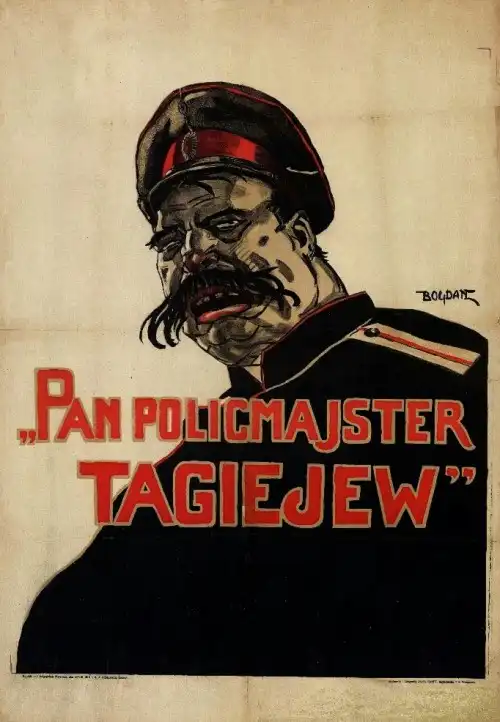
Alright, so Policmajster Tagiejew isn't exactly a Saturday night popcorn flick. If you’re into older Polish cinema or want a stark look at historical oppression, you should absolutely check it out. Anyone hoping for lighthearted drama or a swift pace? Probably skip this one. It's for those who appreciate a slow, deliberate build of unease. 😬
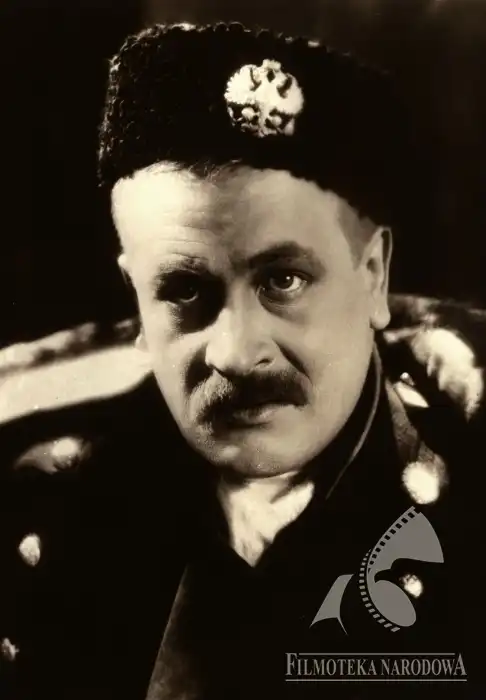
The film drops us into a small Polish town, just living under Russian rule. And man, it feels heavy from the start. The whole atmosphere is just *suffocating*, mostly because of Boguslaw Samborski's performance as Tageyev. He’s not a grand villain, but a petty, spiteful bureaucrat.
There's this one scene early on where Tageyev just *stares* at a group of villagers. No words, just this long, cold gaze. You can feel the fear radiating off the extras. It really sets the tone for everything that follows.
The townsfolk, bless their hearts, are just trying to get by. Lili Romska, as one of the women trying to gather support for a complaint, brings this quiet strength. You see it in her eyes, even when she’s not speaking much. That flicker of defiance.
It’s not about huge battles or grand speeches. It’s the small, everyday indignities. The way Tageyev dismisses people, the casual cruelty in his voice when he talks to the local priest. He knows he has power, and he absolutely *revels* in it. It’s almost sickening to watch sometimes.
When the idea of sending a complaint to the governor starts circulating, you can almost *feel* the hesitant hope in the air. It's so fragile. And you just know it’s going to go sideways. Because this is Tageyev we’re talking about.
Boguslaw Samborski truly *becomes* Tageyev. He has this way of puffing himself up, making himself seem bigger than he is, even when he’s just sitting at his desk. His little sneer when he thinks he’s outsmarted someone? Perfectly awful.
The pacing is… deliberate. Let’s say that. Sometimes a scene goes on just a beat too long, letting the silence hang. But it works, it really does. It makes you feel the slow, grinding nature of their lives, the lack of quick escapes.
There’s a part where Tageyev gets this letter, and you see his face just *change*. From smug to frantic in an instant. It’s a subtle thing, but it shows how truly vulnerable he is, despite all his bluster. He's not some grand mastermind, just a scared man holding onto his turf.
Adolf Dymsza provides a bit of a counterpoint. Not a hero, but a more sympathetic figure amongst the oppressed. His reactions feel very genuine. He doesn’t try to be anything more than a man caught in a bad situation.
The film does a really good job of showing how corruption spreads. It’s not just Tageyev; it’s the people around him who benefit, who look the other way, or who are just too scared to speak up. That pervasive fear is a character in itself.
I found myself really rooting for the villagers, even knowing how these stories often go. That sense of collective helplessness but also a simmering defiance, it’s powerful. You see it in the way they whisper to each other, the way they exchange glances.
The ending isn't neat. It's not a tidy wrap-up. And that's exactly what makes it so impactful. Life under such regimes rarely offers clean resolutions. It just… continues. A bleak truth, but one delivered with quiet force.
Policmajster Tagiejew isn't an easy film, but it’s an important one. It doesn’t scream its message; it just lets you feel the weight of it. A solid watch if you're prepared for something that might leave you feeling a bit heavy, but definitely thoughtful.
IMDb 7.8
1930
Community
Log in to comment.