DbcultAccessing Vault...
5/10
Senior Film Conservator
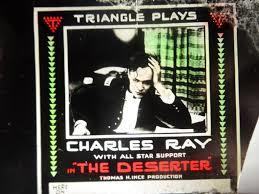
A definitive 5/10 rating for a film that redefined the boundaries of cult cinema. The Deserter remains a cornerstone of transgressive art.
The early cinematic landscape of the American West was a fertile ground for exploring the nascent nation’s myths, anxieties, and aspirations. Among the countless flickering narratives that emerged from this period, The Deserter stands as a compelling, if somewhat conventional, examination of personal honor, love, and the brutal crucible of frontier life. This film, a product of the prolific Thomas H. Ince and Richard V. Spencer, delves into the moral quagmire of a man undone by rejection and presented with a stark path to atonement. It’s a narrative that, despite its age, still resonates with timeless themes of human fallibility and the relentless pursuit of redemption.
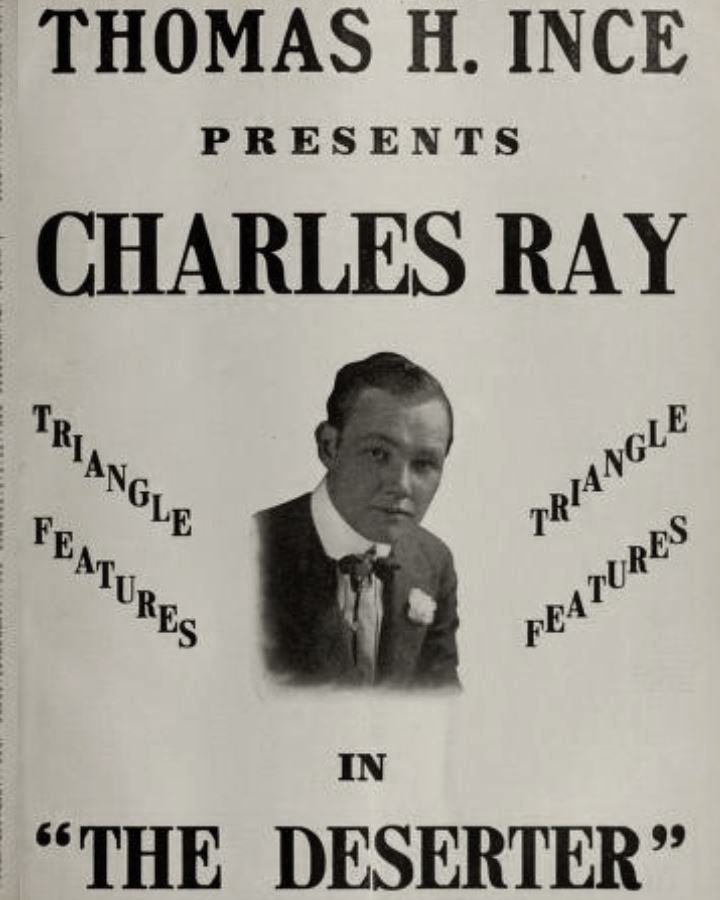
At its core, The Deserter is a character study wrapped in the familiar iconography of the Western. Lieutenant Parker, portrayed with a compelling blend of youthful ardor and simmering vulnerability by Charles Ray, is initially presented as a man of duty, albeit one whose emotional landscape is about to be violently reshaped. His infatuation with Barbara Taylor, the daughter of his commanding officer, is not merely a subplot; it is the catalyst for his entire tragic trajectory. Rita Stanwood imbues Barbara with a subtle agency, her rejection of Parker not a cruel whim, but a decisive act that underscores the rigid social structures and personal codes governing relationships in such isolated military outposts. The initial scenes establish a world where decorum and military hierarchy reign supreme, only to have them violently disrupted by the raw, untamed forces of human emotion and external threat.
Parker’s subsequent desertion, born from a desperate fight and profound humiliation, is depicted not just as a breach of military code, but as a profound moral capitulation. It’s a moment of weakness that defines him, stripping away his uniform and, with it, his identity. The film masterfully uses this act to plunge Parker into a personal wilderness that mirrors the literal wilderness surrounding him. This internal struggle, the psychological torment of a man who has abandoned his post and his honor, is where the film finds its true dramatic weight. Charles Ray’s performance, particularly in conveying this internal turmoil without the benefit of dialogue, is a testament to the power of silent acting. He communicates a deep sense of shame and regret, making Parker’s subsequent actions all the more impactful.
The narrative arc, though seemingly straightforward, is imbued with a palpable tension that keeps the audience engaged. The impending Indian attack is not just an external threat; it is an existential one, forcing Parker to confront his own cowardice and the very meaning of his existence. This is where The Deserter transcends simple melodrama and enters the realm of profound moral drama. The opportunity for redemption is not a gentle invitation but a brutal imperative, demanding ultimate sacrifice. It’s a theme explored in other period pieces, such as Woe to the Conqueror; or, The Law of War, which similarly grapples with the harsh realities and ethical dilemmas inherent in military conflict and its aftermath. Both films probe the boundaries of law, honor, and individual conscience when faced with overwhelming circumstances.
The direction, likely under the watchful eye of Thomas H. Ince, known for his meticulous production methods and strong narrative control, utilizes the Western landscape not merely as a backdrop but as an active participant in the drama. The vast, untamed expanses emphasize Parker's isolation and the formidable challenges he faces. The outpost itself, a fragile bastion of civilization against the wilderness, becomes a symbol of the order Parker has forsaken. The cinematography, while rudimentary by modern standards, effectively conveys the scale of the conflict and the desperation of the characters. One can almost feel the dust and the tension of the frontier, a hallmark of well-executed early Westerns. This attention to environmental detail grounds the more melodramatic elements of the plot, lending them a gritty authenticity.
The supporting cast, including Joseph J. Dowling, Wedgwood Nowell, Hazel Belford, Charles K. French, and Belle Bennett, contribute to the film’s robust portrayal of military life. While Charles Ray and Rita Stanwood carry the central emotional weight, the ensemble helps to build a believable world, populated by characters facing their own challenges and upholding their own codes. The commanding officer, in particular, embodies the stern but fair authority figure essential to such narratives, representing the institutional honor that Parker has betrayed. His silent disapproval and eventual recognition of Parker’s atonement are powerful moments, spoken through gesture and expression rather than words.
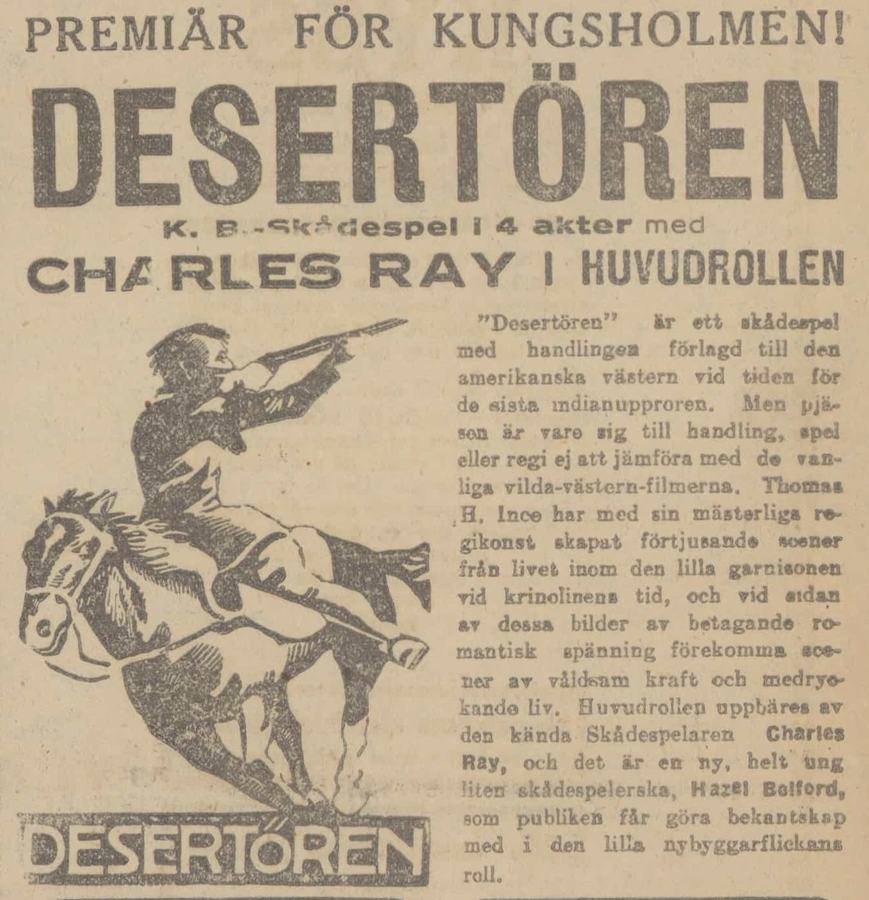
The screenwriters, Thomas H. Ince and Richard V. Spencer, craft a narrative that, for its era, is surprisingly nuanced in its exploration of character psychology. While the broad strokes of good versus evil are present, Parker’s journey is far from simplistic. His desertion is not an act of pure villainy but a desperate, flawed response to personal pain. This complexity elevates the film beyond a mere action spectacle. It shares a thematic kinship with films like The Ploughshare, which often explored how individuals grapple with personal failings and seek meaning or redemption within a larger, often unforgiving, societal or natural context. Both films understand that true heroism often emerges from profound internal struggle, not just external prowess.
Comparing The Deserter to other films of its time reveals both its conventionality and its unique strengths. Unlike the episodic, cliffhanger-driven excitement of serials like The Perils of Pauline or the straightforward heroics found in something like Neal of the Navy, The Deserter prioritizes a more introspective and moral journey. While it contains action, the core drama is internal. Parker's 'double nature,' as explored in films like Die Doppelnatur, is central here – the conflict between the honorable soldier and the humiliated man, between duty and self-preservation. This internal schism makes his eventual redemption all the more poignant and hard-won. It's not a facile victory but a profound reckoning.
The film also touches upon the societal anxieties of the time, particularly regarding military service and the 'Indian question.' While the depiction of Native Americans might appear stereotypical through a modern lens, it reflects the prevailing attitudes and narrative conventions of early 20th-century Westerns. The 'Indian attack' serves as a narrative device, a force of nature that tests the moral fiber of the characters. However, the film's focus remains squarely on Parker's personal journey, using the external conflict as a crucible for his internal transformation. This is a common trope, yet in The Deserter, it feels less like a simple plot device and more like an inevitable force shaping the protagonist's destiny.
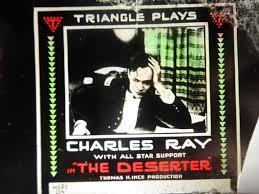
The journey Through the Valley of Shadows, as it were, that Parker undertakes is both literal and metaphorical. His physical desertion leads him into the harsh, unforgiving landscape, but his moral desertion plunges him into a deeper, more treacherous internal terrain. The film suggests that true honor is not merely about adhering to rules, but about the courage to face one's own failings and act selflessly when the moment demands it. This resonates with the idea of finding redemption outside conventional structures, much like characters might in a film such as The Circus Man, where individuals often find their true calling or moral compass in unexpected places, away from the judgmental gaze of established society.
Ince’s influence on the nascent film industry cannot be overstated, and The Deserter exemplifies his knack for crafting tightly structured, emotionally resonant narratives. He understood the power of visual storytelling and the importance of strong character arcs, even within the constraints of silent cinema. The film’s pacing, building from quiet character drama to intense action, is a testament to the sophisticated understanding of narrative rhythm that Ince and his team possessed. It’s a compelling example of how early filmmakers were already experimenting with and mastering the language of cinema, laying the groundwork for future generations.
Ultimately, The Deserter is more than just a historical artifact; it is a potent exploration of human nature under duress. It asks profound questions about what constitutes honor, the nature of love, and the possibility of redemption in the face of grave error. Charles Ray delivers a performance that anchors the film, making Parker’s fall and eventual rise genuinely moving. While its historical context informs its presentation, the core themes remain universally resonant. It stands as a powerful testament to the enduring appeal of the Western genre and its capacity to explore the deepest facets of the human condition, solidifying its place as a noteworthy entry in the annals of early American cinema. It’s a film that, even today, encourages us to reflect on the choices we make and the paths we take towards absolution.
The film's strength lies not just in its dramatic tension but in its profound understanding of the psychological toll of dishonor. Parker's journey is not simply about physical survival but about the arduous task of reclaiming his moral standing. The final act, where he confronts his past and embraces a dangerous future, is a powerful statement on the human capacity for change and the relentless pursuit of self-worth. It reminds us that even in the darkest valleys of despair, there lies a potential for light, a chance to rewrite one’s narrative through courageous action. This enduring message, delivered with the raw power of early cinema, ensures The Deserter maintains its grip on the imagination, inviting contemporary audiences to consider its timeless questions about duty, sacrifice, and the complex path to redemption.

IMDb —
1932
Community
Log in to comment.