DbcultAccessing Vault...
6.8/10
Senior Film Conservator
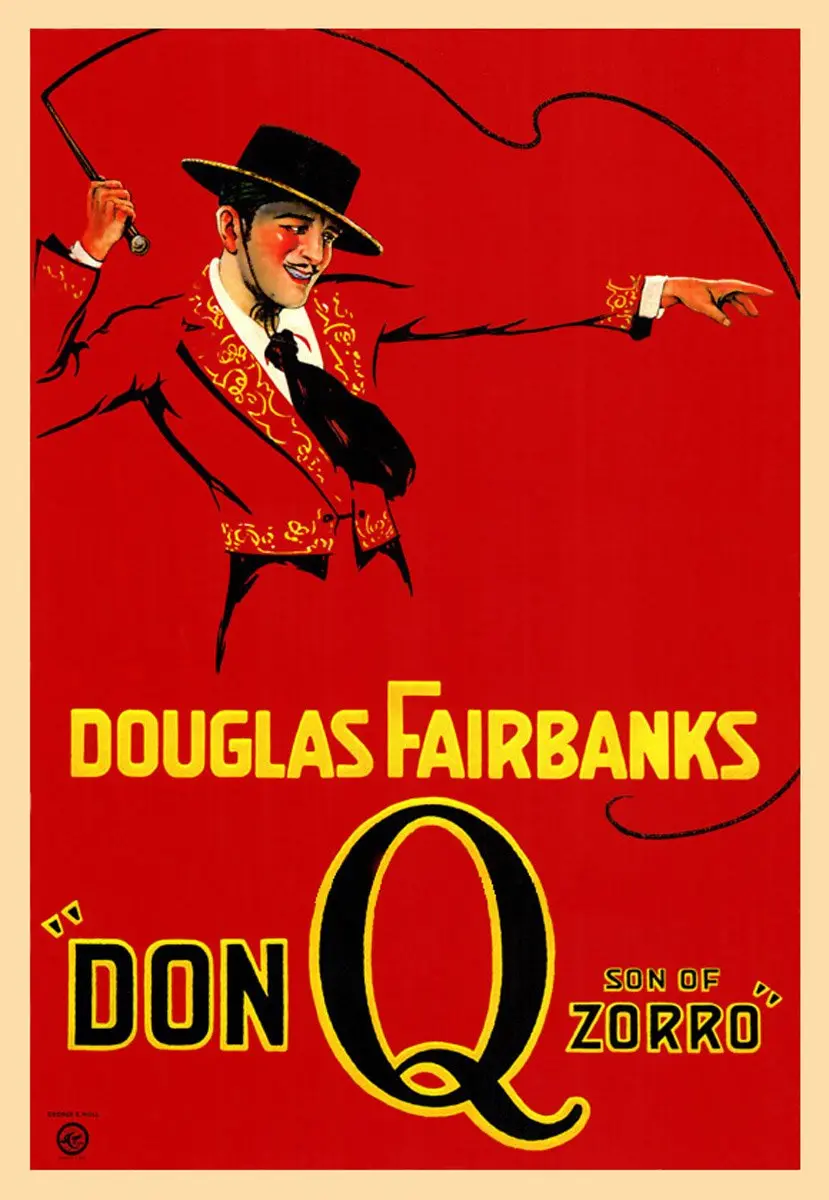
A definitive 6.8/10 rating for a film that redefined the boundaries of cult cinema. Don Q Son of Zorro remains a cornerstone of transgressive art.
In the rarefied realm of silent cinema, Don Q Son of Zorro stands as a testament to the enduring allure of swashbuckling adventure and romantic intrigue. Directed by Jack Cunningham and starring Douglas Fairbanks, this 1926 masterpiece weaves a complex tapestry of mistaken identities, clandestine affairs, and high-stakes swordfights, all set against the picturesque backdrop of Spanish high society.
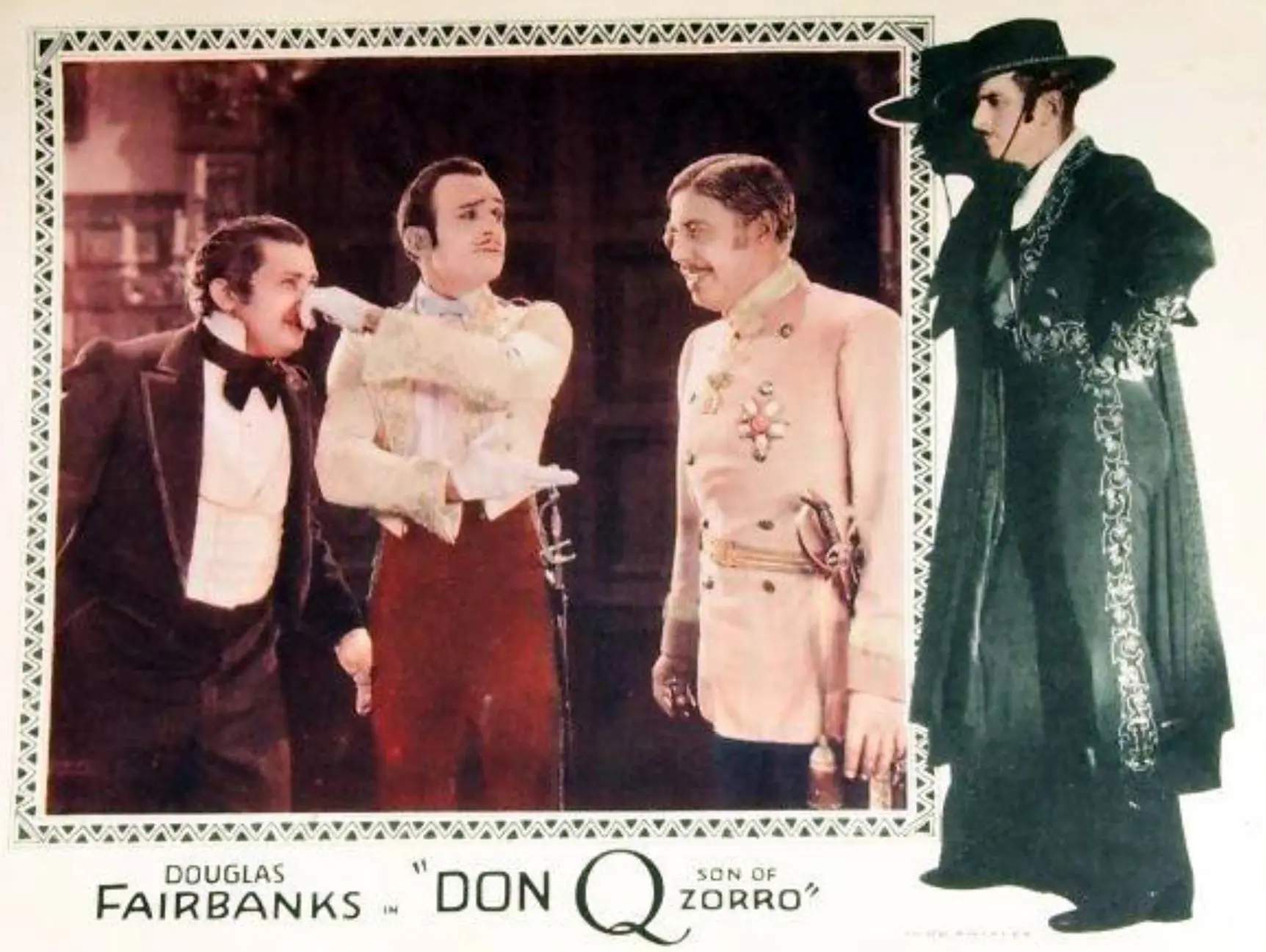
The film's narrative is a tour de force of plotting, as Don Cesar, the scion of the legendary Zorro, finds himself falsely accused of murder during a visit to Spain. This perfidious turn of events sets in motion a chain reaction of events that compels Don Cesar to assume the mantle of the enigmatic outlaw Don Q, a character he had previously satirized in a jest.
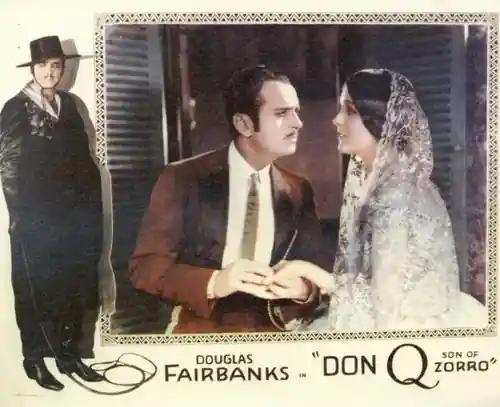
As Don Q, Fairbanks brings a panache and élan to the role, effortlessly conveying the character's tortured psyche as he navigates a labyrinthine world of deceit and subterfuge. The film's central conflict is expertly foreshadowed through a series of cleverly staged set pieces, including a thrilling bullfight sequence and a rarefied masquerade ball.
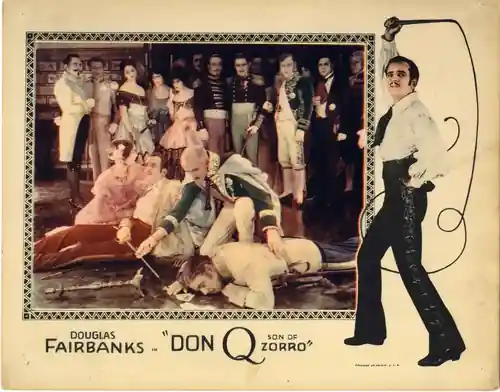
The female leads, Ellinor Vanderveer and Juliette Belanger, bring a welcomed sense of gravitas to the film, their characters' intricately intertwined storylines adding an extra layer of dramatic tension to the narrative. The supporting cast, including Jack McDonald and Warner Oland, provide able foils to Fairbanks' dashing hero.
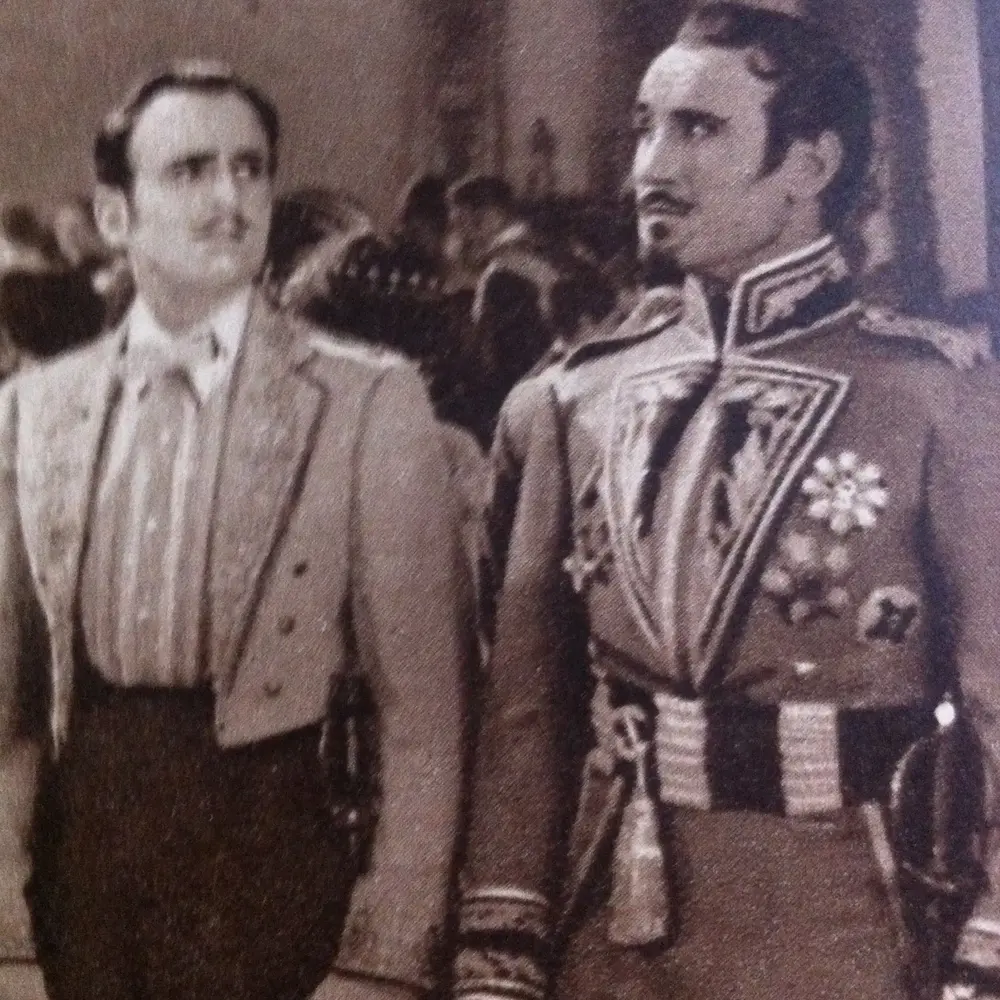
In terms of cinematic craftsmanship, Don Q Son of Zorro is a tour de force, with innovative uses of camera angles, lighting, and editing techniques that heighten the overall sense of tension and suspense. The film's iconic swordfight sequences, choreographed by the indefatigable Douglas Fairbanks himself, remain some of the most influential in the history of cinema.
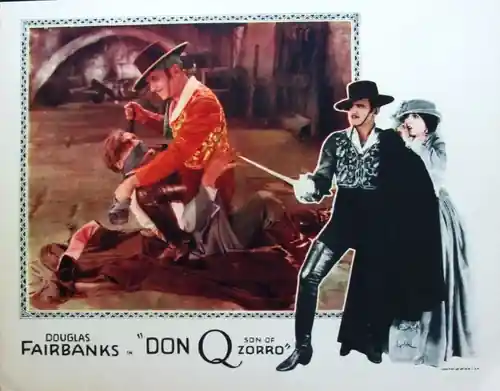
A critical analysis of Don Q Son of Zorro reveals a film that is both a product of its time and a timeless classic. Released during the Roaring Twenties, the film's themes of social class, identity, and redemption resonated deeply with audiences of the era. In this sense, Don Q Son of Zorro can be seen as a cultural artifact, reflecting the zeitgeist of the 1920s while also transcending its historical context.
For fans of silent cinema, Don Q Son of Zorro is an essential viewing experience, offering a thrilling ride through the bygone era of swashbuckling adventure and romantic intrigue. Viewers familiar with other films of the era, such as Footlights and The Heart of Jennifer, will appreciate the similarities in tone and style, while also marveling at the unique aspects of Don Q Son of Zorro.
In conclusion, Don Q Son of Zorro is a masterpiece of silent cinema, offering a rich and immersive viewing experience that will leave audiences spellbound. With its dashing hero, intricate plot, and timeless themes, this 1926 classic remains an enduring testament to the enduring power of cinema.
Additional films that may be of interest to fans of Don Q Son of Zorro include Man's Plaything, Why Elephants Leave Home, and Terror Trail, all of which share elements of action, adventure, and romance.
IMDb 6.4
1932
Community
Log in to comment.