DbcultAccessing Vault...
6.1/10
Senior Film Conservator
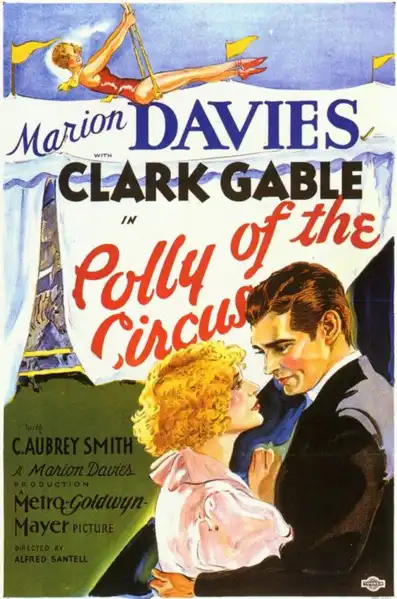
A definitive 6.1/10 rating for a film that redefined the boundaries of cult cinema. Polly of the Circus remains a cornerstone of transgressive art.
Alright, so Polly of the Circus (1932) isn't exactly a must-see for everyone today. If you're into early talkies, or just curious about what Marion Davies and a very young Clark Gable were doing before their biggest hits, then yeah, give it a shot. Otherwise, if you're looking for a smooth, fast-paced romance, you might find yourself checking your watch. It's got some genuine sparks, but it also feels very much a product of its time, sometimes awkwardly so. 😬
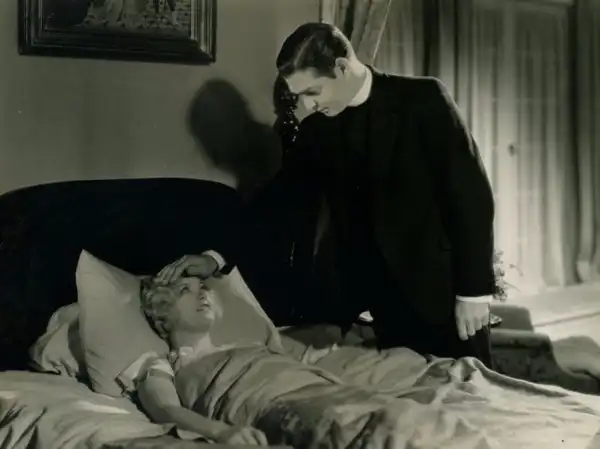
The whole setup is pretty classic: Polly (Davies) is a star trapeze artist, all glitter and daring. Then, boom, an accident. She lands in the home of Reverend John Hartley (Gable), a minister who, let's just say, lives a *very* different life. It's the old 'two worlds collide' story, played out with a fair bit of dramatic flair.
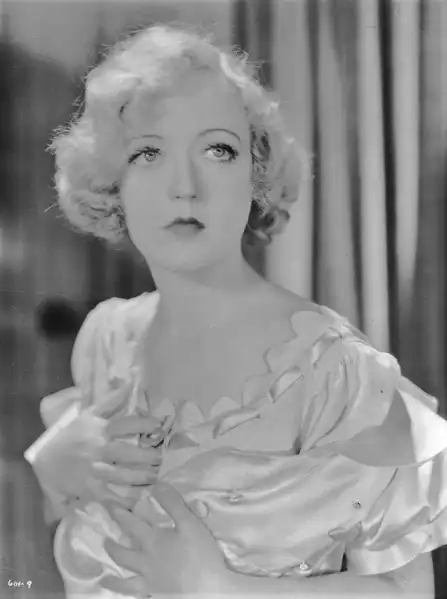
Marion Davies, honestly, she's got a real charm. She lights up the screen in the circus scenes, all vivacious and just a little bit mischievous. You can see why she was a star. There’s this one moment, early on, where she’s just casually balancing on a wire backstage. It's not a big stunt, just a quiet bit of character, and it works.
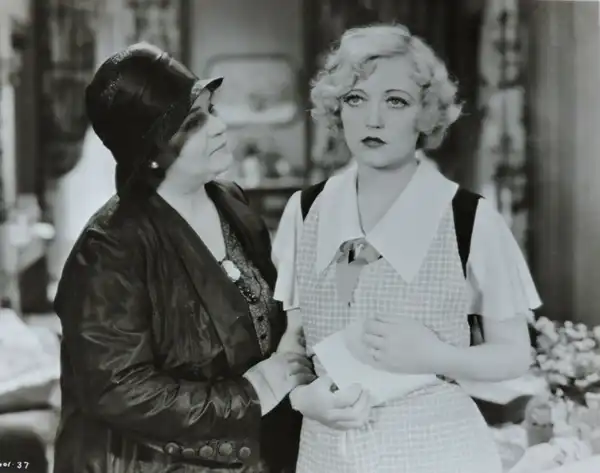
Then she's injured, and the tone shifts hard. Moving her into the minister's house feels like dropping a bright parrot into a very quiet, beige room. And Gable, well, he’s not quite the 'King of Hollywood' yet here. He’s handsome, sure, but he plays John Hartley with such a rigid solemnity for most of the film. You can almost feel the movie trying to make him a bit stuffy.
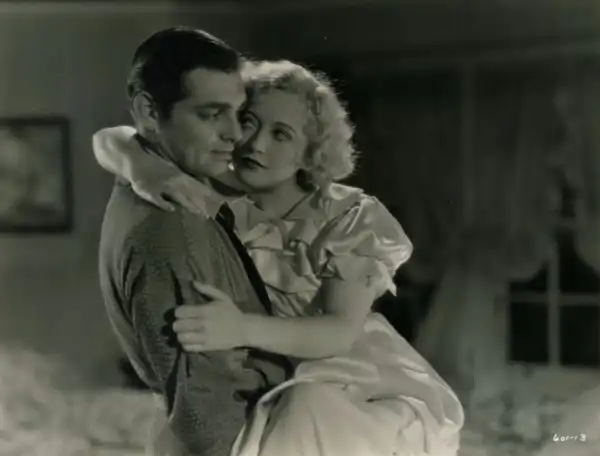
Their falling in love? It feels a little forced in spots. He's supposed to be this pillar of the community, and she's from the circus, which everyone seems to think is just _scandalous_. The way they keep reminding us of this societal disapproval gets a little heavy-handed. There’s a scene where the church ladies are just *gossiping* in whispers about Polly being in his house. It’s almost comical, honestly.
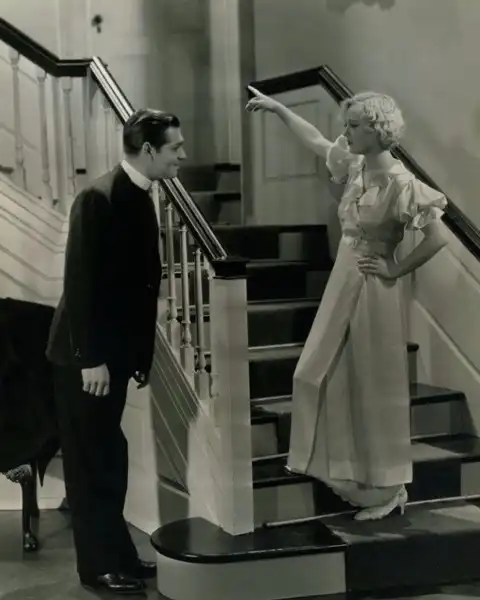
The pacing is… interesting. Sometimes it zips, especially when Polly is doing her thing. Other times, it slows way down, particularly when they're wrestling with the 'sin' of their love. You get the sense they wanted to milk every bit of dramatic tension out of this clash of worlds, and they really, really lean into it.
One specific detail: the costumes for the circus performers are just fantastic. So over-the-top, but in a totally charming way. Like, Polly has this one sequined number that just *shimmers* even in black and white. Then she's in the minister's house, wearing these plain dresses, and it's such a visual representation of her trying to fit in, or not fit in.
Gable's character is often just standing there, looking conflicted. You want him to break out a bit more, but he’s really reined in for most of this. It’s not the roaring Gable we know. When he finally does loosen up a little, it’s a relief. There's a particular scene where he actually laughs, and you think, **"Ah, there he is!"** 😌
The ending, without giving too much away, tries to tie everything up a bit too neatly after all that build-up. It's like the filmmakers ran out of steam or decided they needed a very specific kind of resolution. You spend all this time with them struggling, and then… well, it just kind of happens.
All in all, Polly of the Circus is a curious watch. It shows you how different movie storytelling was back then. It's not perfect, but Davies really makes it worth seeing for her energy alone. Gable is still finding his feet, but his presence is undeniable even then. Just go in knowing it's a bit of a historical piece, and you'll probably enjoy the ride. Just don't expect a modern rom-com. Not even close. 🍿
IMDb —
1921
Community
Log in to comment.