DbcultAccessing Vault...
Cult Review
Senior Film Conservator
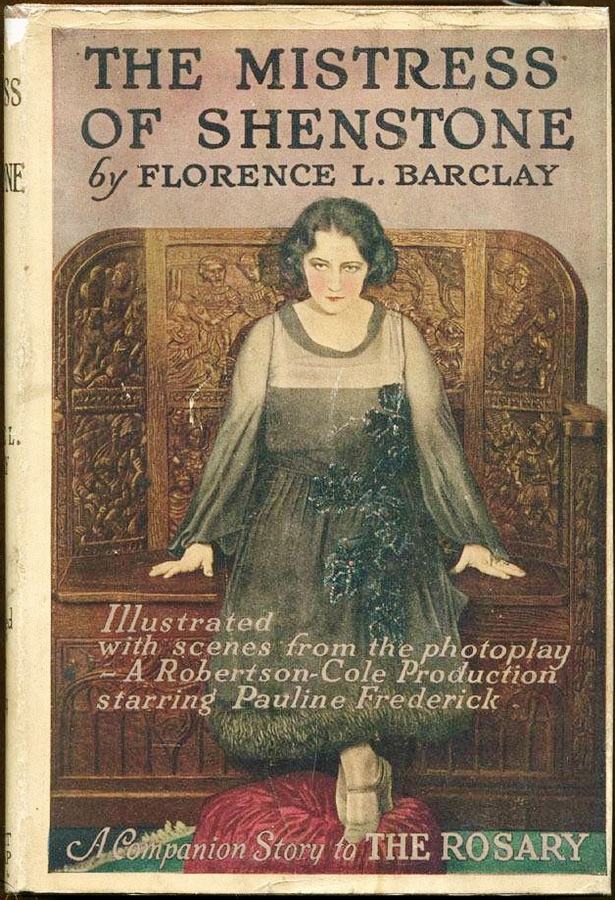
The silent era of cinema often found its most resonant chords within the corridors of high melodrama and the vast, unyielding landscapes of human emotion. The Mistress of Shenstone (1921), an adaptation of Florence L. Barclay’s evocative novel, stands as a testament to the power of visual storytelling before the advent of the synchronized voice. Directed with a keen eye for atmospheric tension, the film serves as a vehicle for the incomparable Pauline Frederick, whose ability to convey profound internal turmoil through a mere shift in gaze remains unparalleled.
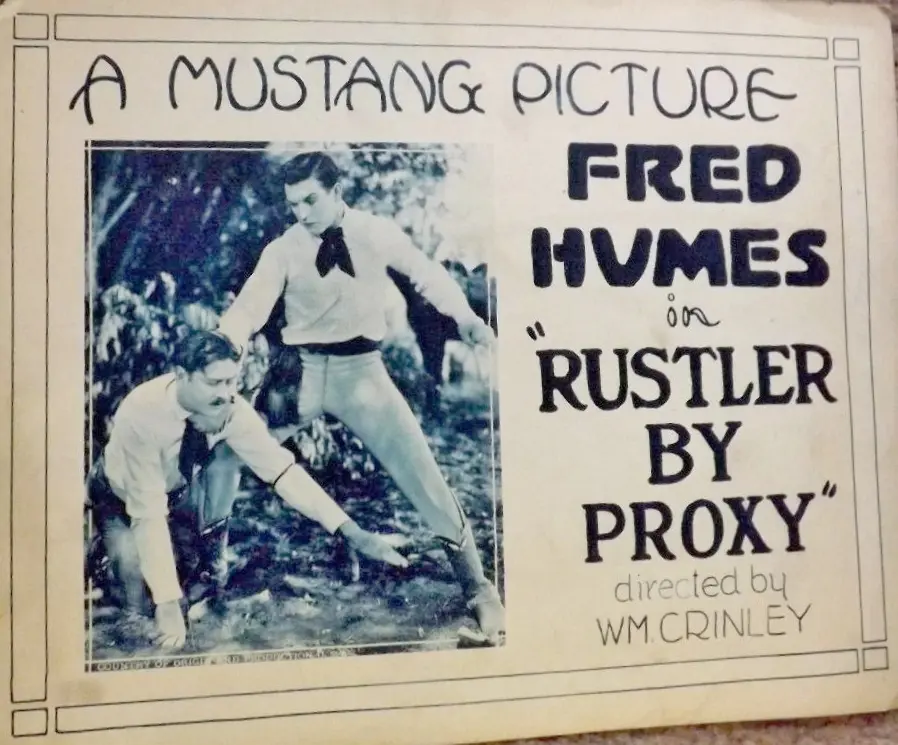
In the role of Lady Ingleby, Frederick navigates the treacherous waters of widowhood with a gravitas that avoids the pitfalls of histrionics. While some contemporary films like Respectable by Proxy toyed with the nuances of social standing, The Mistress of Shenstone plunges headlong into the psychological fallout of war. Frederick’s portrayal is one of quiet desperation; she is a woman whose identity has been stripped away by a telegram, leaving behind a husk of nobility searching for a reason to persist.
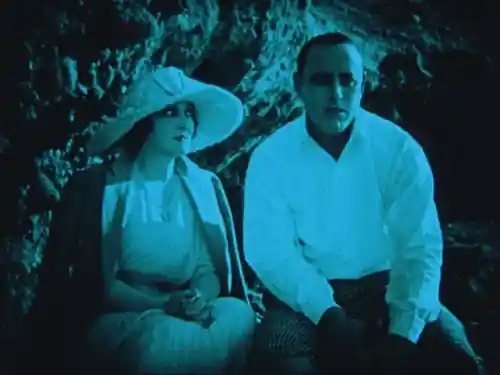
The cinematic grammar employed here relies heavily on the close-up. We see the micro-expressions of a woman who has lost her anchor. Unlike the more frantic pacing found in Riders of Vengeance, which utilized external conflict to drive the plot, this film internalizes the struggle. The Cornish coast, with its jagged edges and misty horizons, becomes a physical manifestation of Lady Ingleby's fractured psyche. The sea is both a threat and a sanctuary, a duality that mirrors the protagonist's own conflicting desires for peace and the painful truth.
The introduction of Jim Airth, played with a rugged sincerity by Roy Stewart, provides the necessary catalyst for the film's central conflict. Their encounter on the beach is a masterclass in silent-era romantic tension. When Stewart saves Frederick from the rising tide, it is not merely a physical rescue; it is the symbolic resuscitation of her spirit. However, the script—penned with a literary flair by Barclay herself—refuses to grant them easy happiness. The revelation that Airth was the officer responsible for the fatal order that killed Lord Ingleby is a narrative pivot that feels both inevitable and devastating.
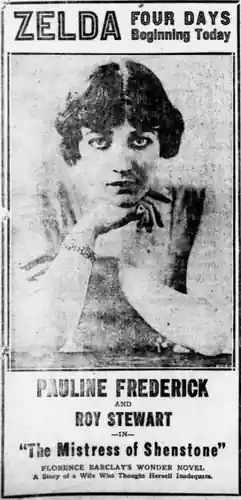
This thematic exploration of guilt and unintentional culpability places the film in a different league than the lighthearted escapades of Back to the Kitchen. Here, the stakes are existential. Can one love the instrument of their own destruction? The film grapples with this question through a series of beautifully composed sequences where the characters are framed against the vastness of the ocean, highlighting their insignificance in the face of destiny. The cinematography captures the play of light on the water with a sensitivity that reminds one of the early experiments in Your Fighting Navy at Work and at Play, yet with a much more focused emotional intent.
When comparing The Mistress of Shenstone to other works of the period, its sophistication becomes even more apparent. While Wanted - $5,000 relies on the tropes of the Western and the thrill of the chase, Frederick’s film is a slow-burn character study. It shares more DNA with the psychological depths of Who Am I?, yet it possesses a romantic lyricism that is entirely its own. The film avoids the slapstick or situational comedy of In and Out or Nobody Home, choosing instead to dwell in the uncomfortable spaces between grief and joy.
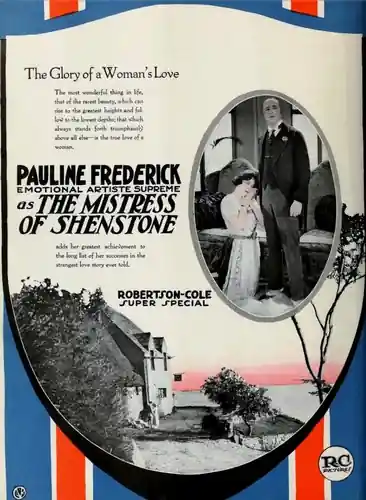
Interestingly, the film’s handling of the "fatal order" mirrors the tragic ironies found in international cinema of the time, such as the Russian epic Zhizn i smert leytenanta Shmidta. Both films deal with the weight of military duty and the personal cost of command. However, The Mistress of Shenstone remains firmly rooted in the personal sphere. It is less about the politics of war and more about the ecology of the heart. The supporting cast, including Emmett King and Arthur Clayton, provide a solid foundation, ensuring that the world around the central pair feels inhabited and authentic, much like the ensemble in The Millionaire.
One cannot discuss this film without acknowledging the artistry of its intertitles. In an age where text was the only way to convey dialogue, the writers of The Mistress of Shenstone used language that was as evocative as the imagery. The prose is lush, almost Victorian in its complexity, which complements the high-society setting. This is a sharp contrast to the functional titles of The Range Boss. In this film, the words are chosen to linger, to echo the sentiments of a lost generation.
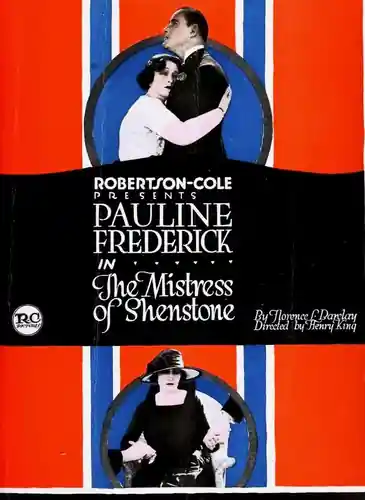
The use of shadows and lighting also deserves mention. There are moments where the darkness seems to swallow the characters whole, particularly when Lady Ingleby is alone in her mourning. This noir-ish aesthetic, while not as pronounced as in Satanas or the German expressionist movement, suggests a creeping realization of the darker aspects of human existence. The "mistress" of the title is not just a woman in charge of an estate, but a woman attempting to master her own destiny in a world that has suddenly become unrecognizable.
The final act of the film, where Lady Ingleby returns to the coast, is a powerful assertion of agency. In many films of this era, like Ill Starred Babbie or So ein Mädel, female protagonists were often at the mercy of external circumstances or the whims of men. Here, Frederick’s character makes a conscious choice. She acknowledges the pain, she understands the history, and she chooses love regardless. It is a radical act of forgiveness that transcends the melodrama of the plot.
The film doesn't shy away from the complexity of this decision. It doesn't offer a simple "happily ever after" but rather a hard-won peace. The cinematography in these final scenes shifts; the harsh contrasts of the earlier segments give way to a softer, more diffused light, suggesting a healing process has begun. It is a visual journey from the cold, clinical reality of loss to the warm, albeit complicated, embrace of a new life. Even when compared to the mysterious allure of The Invisible Hand, the resolution here feels more grounded in human truth.
In the grand tapestry of 1920s cinema, The Mistress of Shenstone occupies a unique space. It is a film that demands patience and rewards the viewer with a profound emotional payoff. Pauline Frederick remains the soul of the production, her performance a masterclass in the art of silence. She captures the essence of a woman caught between two worlds—the past she cannot change and the future she is afraid to embrace.
For the modern viewer, the film offers a window into a time when the wounds of the first global conflict were still fresh. It reflects a collective need for stories of reconciliation and the belief that even the most grievous errors can be forgiven. While the pacing may feel deliberate to those accustomed to modern blockbusters, the depth of feeling on display is timeless. It is a poignant reminder that cinema has always been a medium for exploring the most intimate corners of the human heart, and The Mistress of Shenstone does so with a grace and dignity that remains as striking today as it was over a century ago.
Reviewer's Note: To fully appreciate the nuances of Frederick's performance, one must look past the technical limitations of the era and engage with the raw emotion that permeates every frame. This is not just a relic of the past; it is a living piece of art that continues to speak to the universal experience of love and loss.
IMDb 5.4
1916
Community
Log in to comment.