DbcultAccessing Vault...
4.6/10
Senior Film Conservator
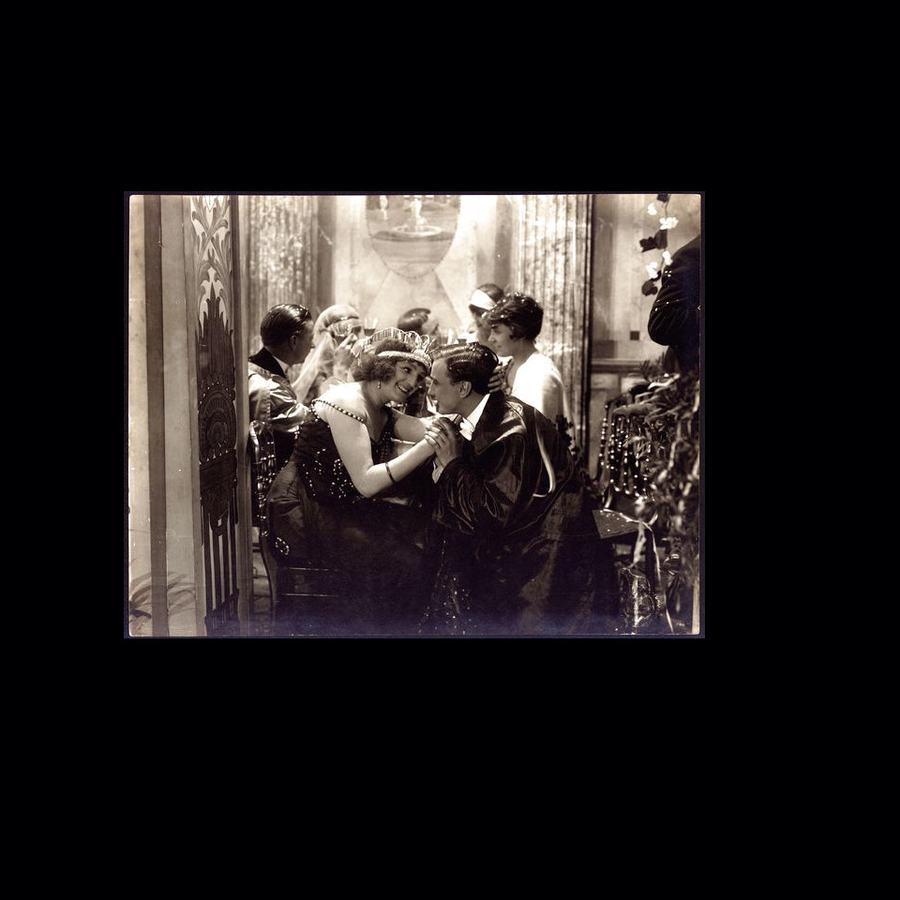
A definitive 4.6/10 rating for a film that redefined the boundaries of cult cinema. Poor Karin remains a cornerstone of transgressive art.
Stepping back into the nascent years of cinema, one often finds narratives that, despite their technological limitations, resonate with a profound, almost primal emotionality. Such is the case with 'Poor Karin' (1913), a Danish silent film that, with a deceptively simple plot, delves into the harrowing landscape of unrequited love and artistic exploitation. It’s a testament to the power of early filmmaking that even with minimal intertitles and a reliance on exaggerated pantomime, the core tragedy of Karin's plight pierces through the veil of time, landing with an impactful thud in the viewer's heart. This isn't just a film; it's a stark, almost brutal examination of human vulnerability and the often-cruel indifference of the artistic temperament.
The cinematic tapestry of 'Poor Karin' is woven with threads of deep, almost melancholic, beauty. At its core lies the tragic figure of Karin, portrayed with a heartbreaking earnestness by Ellen Rassow. Rassow’s performance is a masterclass in silent-era acting, conveying a spectrum of emotions—from naive hope to crushing despair—with a subtle tilt of the head, a lingering gaze, or the slight tremble of a hand. She embodies the very essence of a woman whose world revolves around the man she adores, a man utterly undeserving of such devotion. Her eyes, often wide with a mixture of admiration and trepidation, become the primary conduit for the film's emotional weight, drawing the audience into her increasingly desperate situation.
Arne Weel, as the painter Otto Werner, delivers a performance that is equally compelling, albeit in a far more chilling manner. Weel crafts a character who is not overtly villainous, but rather an embodiment of self-absorption and emotional detachment. Werner is the quintessential artist, consumed by his craft, viewing human connections through a transactional lens. Karin is not a lover to him; she is a muse, a model, a convenient source of inspiration and affection. His interactions with her are marked by a casual indifference, a subtle condescension that speaks volumes without a single word. He toys with her emotions not out of malice, but out of a profound lack of empathy, a self-centeredness that blinds him to the devastation he wreaks. It’s a portrayal that feels disturbingly contemporary, reflecting the timeless struggle between the artist's pursuit of beauty and their often-fraught human relationships.
The narrative, penned by A.V. Olsen, is a streamlined study in emotional erosion. Karin, a model for Werner, falls deeply in love with him, her heart laid bare for his artistic and personal consumption. He, however, sees her merely as a temporary fixture, a fleeting fancy. The re-entry of an old flame, portrayed by Stella Lind, serves as the catalyst for Karin's inevitable downfall. Lind’s character, while given less screen time, serves as a stark contrast to Karin—perhaps more worldly, more experienced, and certainly more adept at navigating Werner's fickle affections. Her presence immediately shifts the dynamic, relegating Karin to an unwanted past, a discarded sketch in Werner’s ever-changing gallery of desires. The ease with which Werner discards Karin for his former mistress is perhaps the most gut-wrenching aspect of the film, highlighting the brutal reality of his emotional superficiality.
The thematic richness of 'Poor Karin' extends beyond mere romance. It’s a poignant commentary on the power dynamics inherent in creative partnerships, particularly when one party holds the reins of artistic and emotional control. Karin's vulnerability is exploited, her emotional labor unacknowledged and uncompensated. This echoes the struggles of many women in early 20th-century society, where their value was often tied to their relationships with men, and their emotional well-being was frequently sacrificed at the altar of male ambition or caprice. The film, in its quiet desperation, becomes a lament for the unacknowledged suffering of those who love too deeply and are loved too lightly.
While specific directorial choices by the uncredited director (common in early cinema) are hard to pinpoint definitively, the visual storytelling is remarkably effective. The use of close-ups on Karin’s face, particularly as her hopes dwindle, draws the audience into her internal anguish. The contrast between the vibrant, creative atmosphere of Werner's studio and the desolate loneliness that engulfs Karin's personal life is subtly but powerfully conveyed. The mise-en-scène, though simple, speaks volumes, with Karin often framed in ways that emphasize her isolation even when physically close to Werner. The costumes and sets, typical of the era, provide an authentic backdrop without distracting from the raw emotional drama unfolding on screen.
Comparing 'Poor Karin' to other films of its time reveals its unique place within the silent canon. While films like The Love Hunger might explore similar themes of romantic yearning, 'Poor Karin' distinguishes itself through its unflinching portrayal of emotional abandonment, devoid of the melodramatic flourishes often seen in contemporary dramas. It lacks the adventurous spirit of something like Peg of the Pirates or the historical grandeur of How We Beat the Emden, choosing instead to focus on the intimate, devastating landscape of a broken heart. Its quiet intensity aligns more with the psychological depth found in some European dramas of the period, rather than the more action-oriented or overtly moralistic American films like The Boss of the Lazy Y.
The film’s lasting impact lies in its timeless depiction of a universal human experience: the pain of loving someone who cannot, or will not, love you back with the same intensity. It’s a narrative that transcends its silent film origins, speaking to audiences across generations. The simplicity of its storytelling allows for a direct emotional connection, bypassing the need for complex dialogue or intricate subplots. This directness is, in many ways, its greatest strength, ensuring that Karin’s sorrow feels palpable, her heartbreak undeniably real.
One cannot help but reflect on the societal context in which 'Poor Karin' was created. The early 20th century was a time of significant social change, yet many traditional gender roles persisted. Women, particularly those in professions like modeling, often occupied a precarious position, susceptible to the whims of powerful men. The film subtly critiques this dynamic, showcasing the imbalance of power and the emotional toll it exacts. It’s not an overt feminist statement, but rather a somber observation of a societal truth, rendered with a quiet, devastating power that lingers long after the final frame.
The performances by Ellen Rassow and Arne Weel are truly the anchors of this film. Rassow's ability to convey profound sadness and vulnerability without uttering a single word is remarkable. Her physical portrayal of Karin's emotional decline is subtle yet powerful, from the initial blush of hope to the crushing weight of despair. Weel, on the other hand, masterfully portrays a character whose charm is as superficial as his affections. He embodies the 'starving artist' archetype, but with a twist – his hunger is not for food or recognition, but for fleeting inspiration, regardless of the emotional cost to those around him. Their dynamic creates an uncomfortable, yet utterly captivating, tension on screen.
In a cinematic landscape often dominated by grand spectacles or clear-cut heroes and villains, 'Poor Karin' offers a more nuanced, albeit tragic, perspective. It’s a film that doesn't offer easy answers or a cathartic resolution. Instead, it presents a slice of life, raw and unvarnished, forcing the viewer to confront the uncomfortable realities of human relationships. The emotional journey it takes you on is one of quiet desperation, a slow, agonizing descent into the abyss of unreciprocated love. This makes it a profound and memorable viewing experience, even for those accustomed to the more elaborate storytelling of modern cinema.
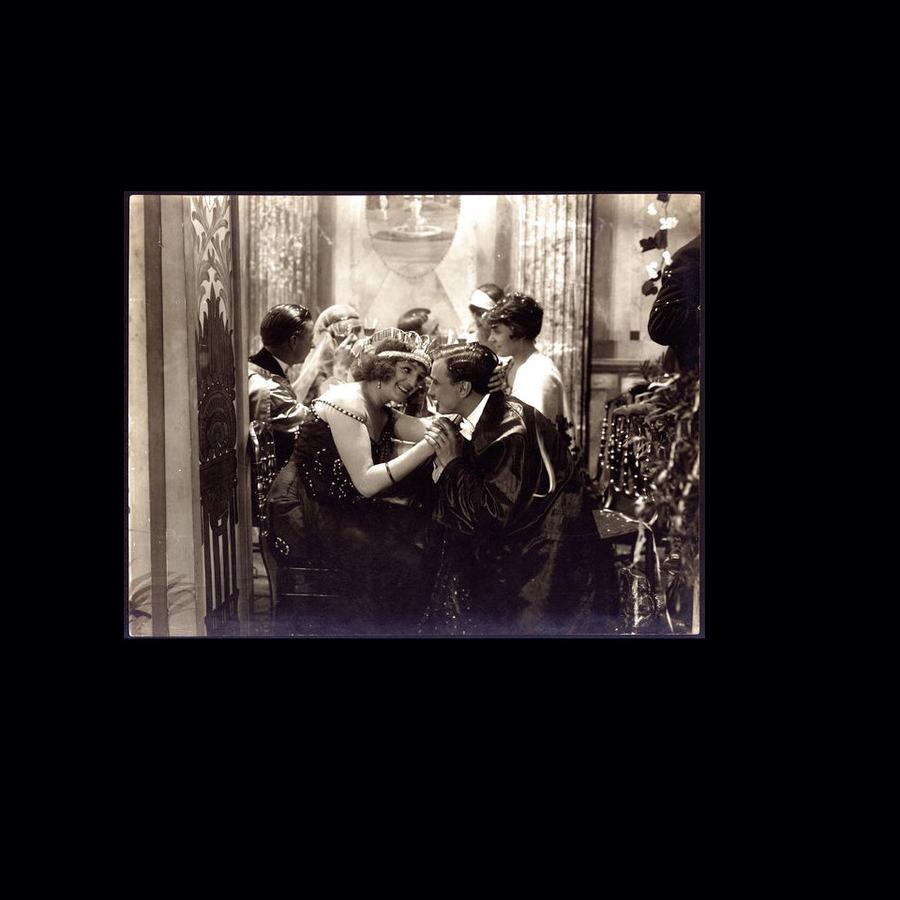
The film’s enduring relevance lies in its exploration of themes that remain pertinent today: the commodification of emotion, the artist's often-unethical pursuit of their muse, and the timeless agony of a heart broken by indifference. It serves as a stark reminder that even in the absence of spoken dialogue, cinema possesses an unparalleled capacity to communicate the deepest human emotions. 'Poor Karin' is not a film to be watched for its plot twists or thrilling sequences; it is a film to be experienced for its raw emotional honesty, its quiet power, and its profound understanding of the human heart's capacity for both immense love and immense sorrow. It’s a quiet masterpiece, a gem from the early days of cinema that deserves to be rediscovered and appreciated for its timeless artistry and emotional depth. It stands as a powerful, albeit melancholic, testament to the enduring power of silent storytelling.
For those who appreciate the historical significance and emotional resonance of early cinema, 'Poor Karin' offers a compelling and deeply moving experience. It’s a film that, despite its age and simplicity, manages to evoke a powerful sense of empathy for its protagonist, leaving a lasting impression of the fragility of love and the harsh realities of human nature. It's a journey into the heart of a woman abandoned, a journey that resonates with an authenticity rarely matched, even in more elaborate productions. The film's understated tragedy is its greatest triumph, cementing its place as a significant, if often overlooked, piece of cinematic history.
The subtle use of visual cues, the deliberate pacing, and the evocative performances combine to create a narrative that speaks volumes without a single uttered word. This is the magic of silent film, and 'Poor Karin' harnesses it with exceptional skill. It is a film that demands quiet contemplation, inviting the viewer to fill in the unspoken gaps, to feel the weight of Karin’s unspoken pain. It is a profound exploration of the human condition, stripped bare of all artifice, revealing the raw, often painful, truth of unrequited affection.
In conclusion, 'Poor Karin' is far more than a historical artifact; it is a living, breathing testament to the enduring power of cinema to capture and convey the complexities of the human heart. It is a film that, despite its brevity and age, leaves an indelible mark, reminding us of the timeless nature of love, loss, and the silent suffering that often accompanies both. A truly impactful piece of early cinematic art, it invites deep reflection on the nature of artistic creation and the often-unseen sacrifices made in its pursuit.
The narrative arc, while seemingly straightforward, is imbued with a deep psychological current. Karin's descent into despair is not abrupt but a gradual, agonizing process, painted with the subtle brushstrokes of disappointment and dawning realization. Her initial effervescence slowly gives way to a quiet resignation, a transformation that Rassow portrays with devastating accuracy. The film doesn't rush this emotional unraveling; instead, it allows the viewer to witness each painful step, making Karin’s ultimate abandonment all the more impactful. This thoughtful pacing is a hallmark of effective silent storytelling, allowing the audience to truly connect with the character's internal world. It’s a masterclass in conveying profound human emotion through visual means, a skill that feels increasingly rare in the fast-paced narratives of contemporary cinema.
The contrast between the two women in Werner's life is also worth noting. While Karin represents innocence and unadulterated devotion, Stella Lind's character, the former mistress, embodies a more worldly, perhaps even cynical, understanding of Werner's nature. Her re-entry isn't just a plot device; it’s a reflection of Werner's cyclical patterns of affection, his inability to sustain genuine emotional depth. This cyclical nature underscores the tragic inevitability of Karin's fate, suggesting that she was merely another fleeting inspiration, destined to be replaced. The film doesn't demonize the mistress; rather, it uses her presence to highlight Werner's inherent flaw, his emotional shallowness that ultimately leaves a trail of broken hearts in his wake.
Ultimately, 'Poor Karin' is a profound and melancholic meditation on the ephemeral nature of affection and the enduring pain of unfulfilled love. It’s a silent scream against indifference, a poignant elegy for a heart given too freely to one undeserving. Its power lies in its simplicity, its ability to strip away all distractions and focus purely on the raw, unadorned emotional landscape of its protagonist. It's a film that resonates because its central conflict — the yearning for love met with cold detachment — is a timeless human experience. A true classic, not just for its historical value, but for its unwavering emotional honesty.
Ellen Rassow’s portrayal of Karin is nothing short of captivating. Her ability to communicate vulnerability and a burgeoning, then shattered, spirit without dialogue is a testament to her skill. Every gesture, every facial expression, contributes to a portrait of a woman whose entire being becomes consumed by an unrequited love. Her performance elevates the film from a simple melodrama to a profound character study. One can almost feel the weight of her unspoken words, the silent pleas for affection that fall on deaf ears. It is through her lens that the audience experiences the full tragedy of the narrative, making her performance the emotional cornerstone of the film.
Arne Weel, as Otto Werner, provides the perfect counterpoint. His detached, almost clinical approach to Karin is infuriating yet utterly believable. He embodies the archetype of the self-absorbed artist, a figure often romanticized but here shown in a more unvarnished, less flattering light. Weel’s subtleties are masterful; a fleeting glance, a dismissive wave of the hand, a slight turn away from Karin's earnest gaze—all these small actions build a character whose emotional unavailability is his defining trait. He’s not a villain in the traditional sense, but his emotional negligence proves far more destructive than any overt malice could be.
Stella Lind, though with less screen time, makes a significant impact as the former mistress. Her presence is a stark reminder of Werner's past and his predictable patterns. She carries an air of knowing, perhaps even a weariness, that suggests she understands Werner better than Karin ever could. Her re-entry into his life is effortless, almost preordained, further emphasizing Karin's expendability in Werner's eyes. Lind's subtle portrayal ensures that she is not merely a plot device, but a character who, by her very existence, highlights the cyclical nature of Werner’s shallow affections. Thorleif Lund's role, likely a supporting character, though less prominent in the existing plot summary, would have contributed to the film's overall atmospheric realism, grounding the central drama within a believable social context.
The collective performances, under the likely guidance of A.V. Olsen as writer, and the uncredited director, create a cohesive and deeply affecting cinematic experience. The film’s reliance on visual storytelling necessitates strong performances, and 'Poor Karin' delivers on this front, ensuring that its emotional impact remains potent even over a century later. The cast, though working within the stylistic conventions of early cinema, manages to convey universal truths about love, desire, and heartbreak, making 'Poor Karin' a timeless piece of art.
IMDb 7.1
1931
Community
Log in to comment.