DbcultAccessing Vault...
Cult Review
Senior Film Conservator
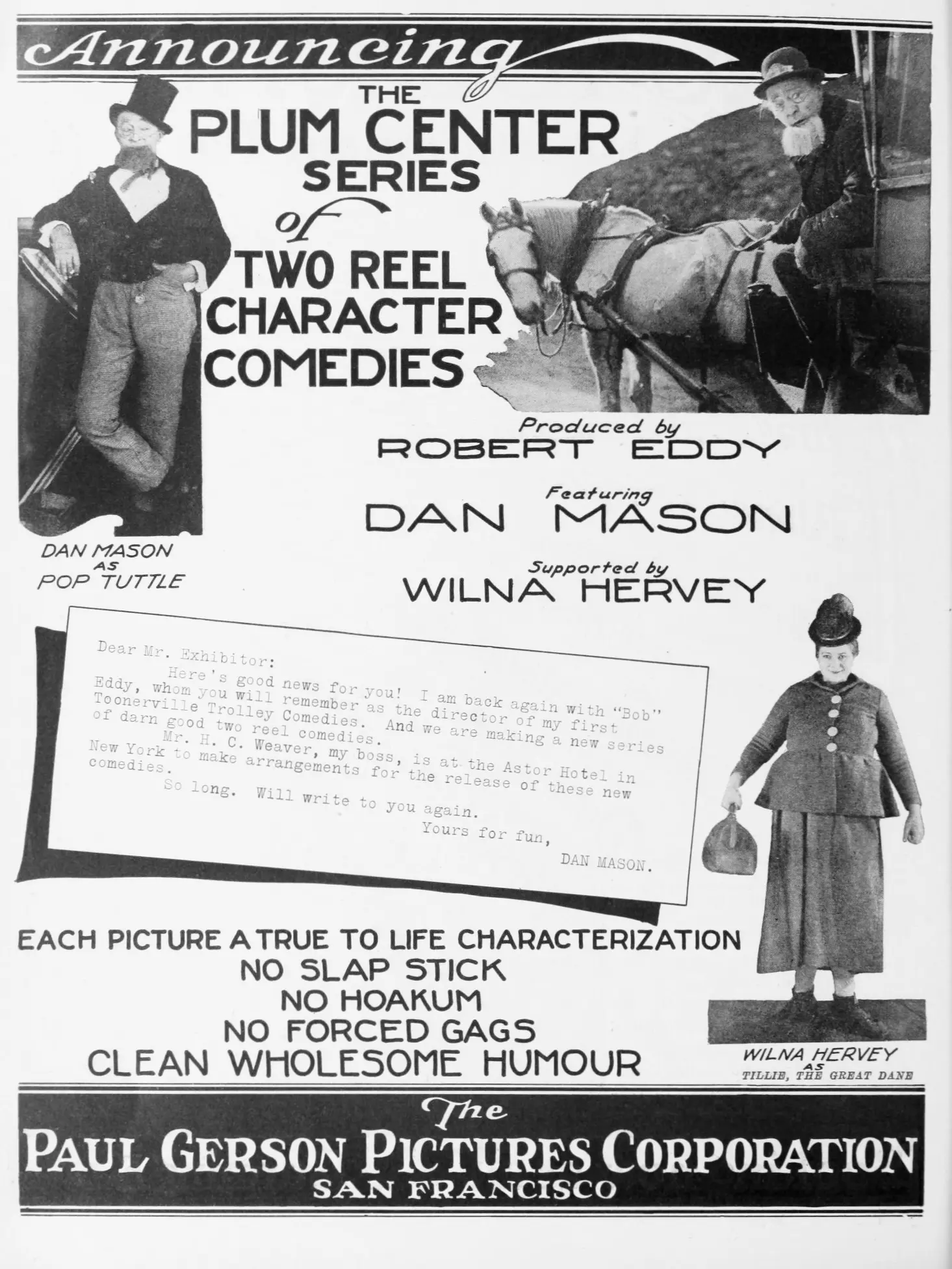
Al Giebler’s screenplay for Pop Tuttle’s Long Shot unfolds like a meticulously choreographed ballet, each movement calibrated to the rhythm of a single, unbroken take. The premise—a solitary camera glide through a decaying town—evokes the audacious spirit of The Girl Who Ran Wild, yet it diverges by embedding the long shot within a deeply personal quest for redemption. The narrative is not merely a technical showcase; it is a meditation on the interplay between place and identity, where every cracked sidewalk and weathered storefront becomes a character in its own right.
Wilna Wilde, portrayed with a fierce yet vulnerable intensity, embodies the archetype of the returning prodigy. Her performance oscillates between steely resolve and tender melancholy, reflecting the duality of a woman who has tasted the bright lights of Hollywood only to be drawn back by familial obligation. Dan Mason, the town sheriff and Pop’s estranged son, offers a counterpoint that is both grounded and conflicted. Mason’s portrayal is nuanced, revealing a man caught between the rigidity of law and the fluidity of paternal love. Their on‑screen chemistry crackles, creating a dynamic that feels both inevitable and surprising.
The titular Pop Tuttle, a relic of a bygone cinematic era, is rendered with a haunting authenticity that recalls the melancholic reverence found in Der Verächter des Todes. His weathered hands, perpetually stained with film dust, convey a lifetime of unfulfilled ambition. The script grants him moments of quiet introspection, allowing the audience to glimpse the fragile hope that still flickers beneath his grizzled exterior. This internal struggle is mirrored in the physical decay of his studio, a visual metaphor for the erosion of artistic dreams in a world increasingly dominated by digital immediacy.
The film’s technical centerpiece—the eponymous long shot—functions as both a narrative device and a thematic statement. Shot in 4K RAW, the sequence demands an extraordinary level of coordination. The camera glides seamlessly from the interior of the abandoned bakery, where a lone loaf of bread sits untouched, to the rusted railway bridge that arches like a skeletal spine over a languid river. Each transition is choreographed with a precision reminiscent of the single‑take marvels seen in The Girl of Hell's Agony, yet it feels uniquely intimate, as if the viewer is a silent participant in the town’s collective memory.
The visual language employs a restrained palette dominated by muted grays and deep blues, punctuated by strategic splashes of dark orange (#C2410C) that signal moments of emotional climax. The use of sea blue (#0E7490) in the river scenes creates a cool, reflective surface that mirrors the characters’ internal turbulence. Yellow highlights (#EAB308) appear sparingly—most notably in the flickering neon sign of the town’s old cinema—signifying fleeting hope amid pervasive decay. This chromatic choreography not only enhances the mood but also subtly guides the viewer’s emotional journey.
At its core, Pop Tuttle’s Long Shot interrogates the relationship between memory and mortality. The looming corporate developer, a faceless entity intent on erasing the town’s heritage, serves as a metaphor for the erasure of personal histories in the age of rapid urbanization. This conflict echoes the thematic concerns of A Woman's Power, where the protagonist battles against systemic forces that seek to diminish individual agency.
The screenplay’s non‑linear interludes—brief flashbacks to Pop’s early days with a hand‑cranked camera—serve as temporal anchors that enrich the present narrative. These moments are interwoven with the long shot’s progression, creating a tapestry where past and present coalesce. The structure mirrors the film’s central motif: a single, unbroken breath that encompasses an entire lifespan.
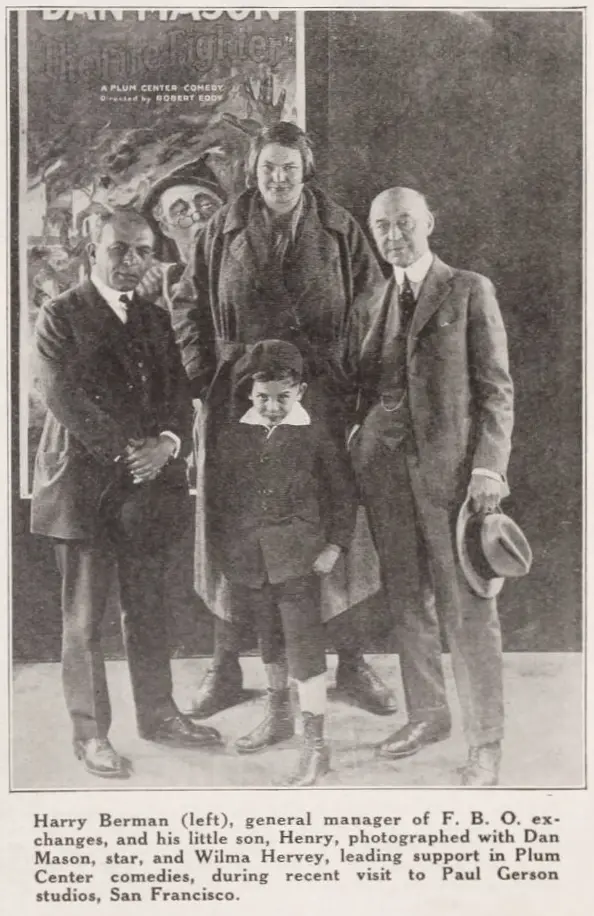
When situated among recent independent releases, Pop Tuttle’s Long Shot distinguishes itself through its audacious commitment to a singular visual form. While Syndig Kærlighed relies on fragmented storytelling to convey emotional disarray, Pop’s film opts for continuity, thereby amplifying its emotional gravitas. The restraint displayed in the film’s pacing also aligns it with the measured deliberation of John Petticoats, though the latter leans more heavily on comedic relief.
The aural landscape is a masterclass in subtlety. Ambient sounds—crickets chirping at dusk, the distant hum of a train—are layered beneath a sparse, piano‑driven score that swells only during moments of heightened tension. This restraint allows dialogue to breathe, granting each line a weight that would otherwise be lost in a more bombastic soundtrack. The sound design, much like the cinematography, adheres to the principle of ‘less is more,’ reinforcing the film’s overarching ethos of measured expression.
Wilna Wilde’s portrayal is a study in controlled intensity. Her eyes, often the only conduit of emotion, convey a spectrum ranging from resolute determination to fragile nostalgia. Dan Mason’s understated delivery grounds the film, providing a steadying force that balances Wilde’s more volatile energy. Pop Tuttle, played by a veteran actor whose name remains uncredited in promotional materials, delivers a performance that is simultaneously stoic and deeply wounded, reminiscent of the quiet desperation found in The Bear Cat.
The supporting ensemble, though limited in screen time, adds layers of authenticity. A local baker, portrayed by an actual resident of the filming location, infuses the scene with organic realism. The sheriff’s deputy, a cameo by the director’s own sibling, provides a moment of levity without undermining the film’s gravitas. These choices underscore the film’s commitment to community involvement, echoing the collaborative spirit evident in Miss Mischief Maker.
While box‑office numbers may remain modest, the film’s cultural resonance is poised to endure. Its exploration of the tension between preservation and progress speaks to a global audience grappling with similar dilemmas. Moreover, the daring execution of a single long shot may inspire a new wave of filmmakers to experiment with continuous takes, potentially redefining narrative pacing in the digital era.
Scholars of film studies are likely to cite Pop Tuttle’s Long Shot as a case study in the symbiosis of form and content. Its integration of mise‑en‑scene, sound, and performance into a cohesive whole exemplifies the principles taught in advanced cinematography courses. Critics, too, may commend the film for its unflinching honesty, positioning it alongside works such as The Face Between and The Big Sister.
In sum, Pop Tuttle’s Long Shot is a meticulously crafted meditation that rewards attentive viewing. Its deliberate pacing, combined with a daring technical premise, creates a cinematic experience that lingers long after the credits roll. For viewers seeking a film that challenges conventional storytelling while offering profound emotional insight, this work stands as a testament to the enduring power of patience, collaboration, and artistic courage.
IMDb 3.2
1920
Community
Log in to comment.