DbcultAccessing Vault...
Cult Review
Senior Film Conservator
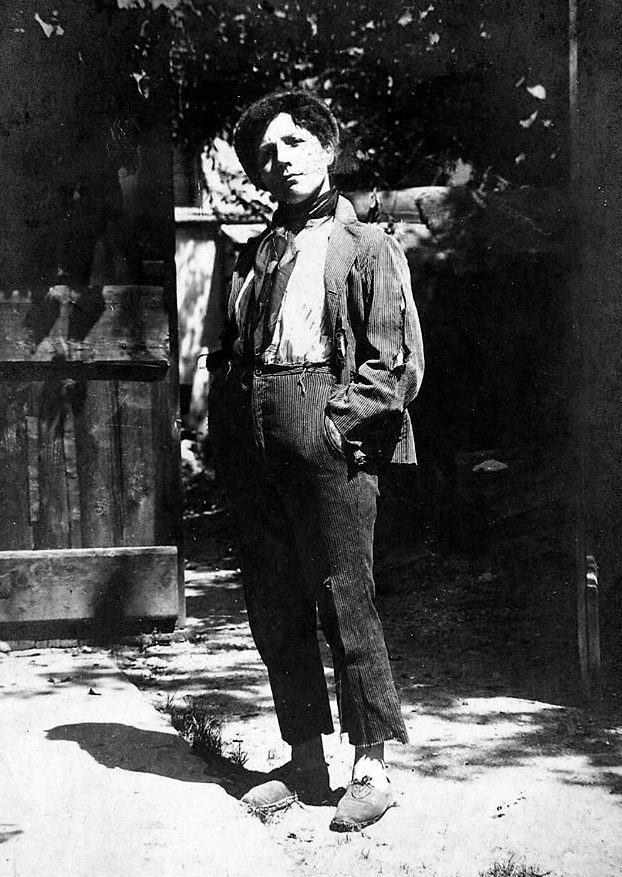
There are films that merely tell a story, and then there are those that seep into the very marrow of your being, leaving an indelible imprint long after the final frame fades. Il Campo Maledetto, a cinematic artifact from an era when silent gestures spoke volumes and shadows held more terror than any elaborate special effect, unequivocally belongs to the latter category. This isn't just a film; it's an experience, a visceral journey into the heart of rural dread and the insidious power of the land itself. Penned with a profound understanding of human frailty and supernatural menace by Carlo Dadone and Ennio Grammatica, this narrative transcends its initial premise to become a meditation on fate, familial bonds, and the unyielding grip of history.
From its very title, "The Cursed Field," the film establishes a foreboding atmosphere. It plunges us into the lives of Elara, portrayed with breathtaking gravitas by the incomparable Paola Pezzaglia, and her spirited son, Marco, brought to vivid life by the earnest Ettore Piergiovanni. Their existence is one of relentless struggle, a quiet desperation etched into their faces and their worn surroundings. The promise of inherited land, even one burdened by such an ominous reputation, becomes a beacon of hope, a cruel trick of fate designed to lure them into a deeper despair. Marco, embodying youthful ambition and a pragmatic dismissal of ancient superstitions, sees only opportunity where others see doom. His initial success with the field, a fleeting period of bountiful harvests, serves as a poignant reminder of what could have been, making the subsequent descent into horror all the more heartbreaking.
What truly elevates Il Campo Maledetto beyond a simple ghost story is its masterful personification of the land. The field itself is not merely a setting; it is the primary antagonist, a malevolent entity whose ancient sorrow manifests in tangible, terrifying ways. The inexplicable blighting of crops, the sudden, horrifying demise of livestock, and the omnipresent, chilling mist that defies natural explanation all contribute to a palpable sense of dread. This is not a jump-scare driven horror; it's a slow, creeping terror, a psychological erosion born from the constant, subtle assault of an unseen force. The film expertly leverages the audience's innate fear of the unknown, of nature turned hostile, and of the weight of history that can linger in a place. It reminds us that some wounds in the earth never truly heal, echoing the powerful, almost primal fear found in films like Das verwunschene Schloß, where the environment itself embodies a pervasive, inescapable curse.
The writers, Dadone and Grammatica, meticulously craft a narrative where the field's influence is insidious, gradually eroding Marco's rationality and Elara's stoicism. The transformation of Marco from an eager, ambitious young man into a gaunt, haunted figure obsessed with conquering the land is a testament to the power of this unseen enemy. His descent is not merely physical; it is a spiritual unraveling, a testament to how deeply the 'curse' penetrates. Elara, on the other hand, represents the ancient wisdom, the intuitive understanding of the land's spiritual currents. Her character arc is one of escalating despair as she witnesses her son's losing battle, her pleas becoming increasingly frantic, her maternal love warring with the overwhelming power of the field.
Paola Pezzaglia's portrayal of Elara is nothing short of magnificent. Her face, a canvas of profound emotion, conveys more through a single glance or a slight tremor of the lip than pages of dialogue ever could. Her grief, her fear, her unwavering maternal love, and her resigned acceptance of the inevitable are communicated with an authenticity that is both heart-wrenching and awe-inspiring. She embodies the archetype of the suffering mother, a figure of immense strength constantly on the precipice of collapse. Her performance here stands shoulder to shoulder with the most emotive portrayals of the era, reminiscent of the raw vulnerability seen in stars of similar melodramas like The Better Woman or The Heart of Jennifer, yet imbued with a uniquely gothic intensity.
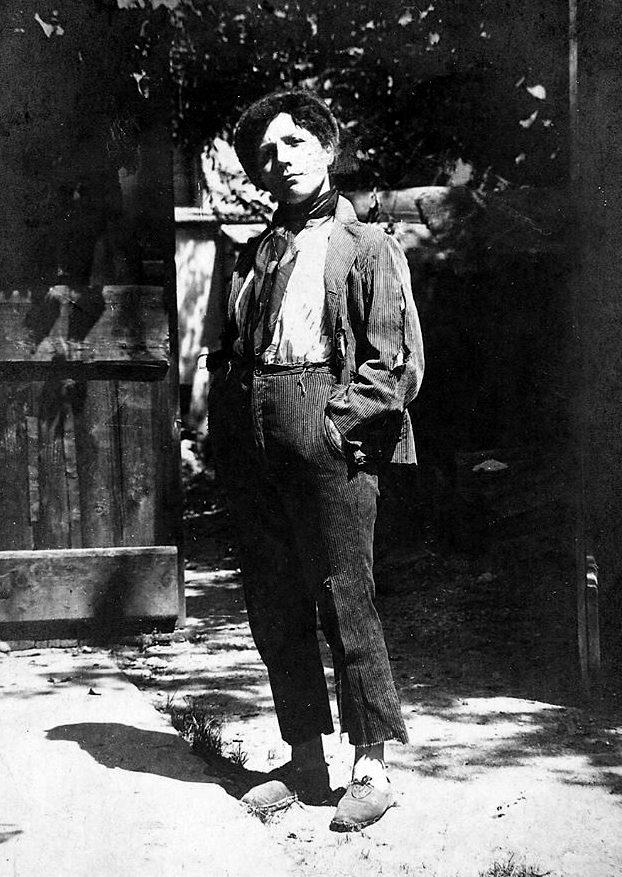
Ettore Piergiovanni, as Marco, delivers a compelling counterpart. His initial youthful vigor and unbridled optimism provide a stark contrast to his eventual haggard, haunted state. The audience witnesses his spirit being slowly crushed, his rationality succumbing to the inexplicable. His desperate struggle against the field's curse is both tragic and compelling, a man fighting a battle he cannot possibly win. The dynamic between Pezzaglia and Piergiovanni is the emotional core of the film, their silent exchanges brimming with unspoken anxieties and a love that ultimately proves both a shield and a vulnerability. Their performances elevate what could have been a mere genre piece into a profound human drama.
The directorial vision (attributed implicitly to the collaborative efforts of Dadone and Grammatica in shaping the visual narrative) of Il Campo Maledetto is nothing short of masterful. The cinematography, even when viewed through the lens of early film technology, is breathtakingly effective. Shadows are not mere absences of light; they are characters, lurking presences that amplify the pervasive sense of unease. The use of stark contrasts between the fleeting moments of sunlit hope and the overwhelming gloom of the cursed field is particularly striking. The visual language of the film speaks volumes: the gnarled trees at the field's edge appearing like skeletal sentinels, the swirling mists that obscure and distort reality, and the close-ups on the actors' faces, revealing the raw depths of their emotional turmoil. The pacing is deliberate, allowing the dread to slowly build, much like the creeping dread in films such as The Mystery of the Black Pearl, which relies on atmospheric tension rather than overt scares.
The climax, set against a raging storm, is a tour de force of visual storytelling. The tempest mirrors the internal turmoil of the characters and the violent nature of the curse itself. The unearthing of the locket, a tangible link to the past tragedy, is handled with a delicate balance of horror and profound sadness. The spectral figure that rises from the earth is not a grotesque monster, but a manifestation of pure, unadulterated sorrow, a poignant reminder that some spirits seek not vengeance, but understanding and release. This nuanced approach to the supernatural elevates the film, providing a more complex and ultimately more unsettling resolution than a simple battle between good and evil.
Beyond its surface-level horror, Il Campo Maledetto delves into a rich tapestry of thematic concerns. It explores the eternal conflict between human ambition and the unforgiving power of nature, the clash between rationalism and ancient superstition, and the enduring strength of familial love in the face of overwhelming adversity. The curse itself is a metaphor for unresolved trauma, for the way past injustices can poison the present and haunt future generations. The film subtly suggests that true redemption lies not in conquering or defying these ancient sorrows, but in acknowledging and offering solace to them. This profound message resonates deeply, making the film's 'curse' feel less like a fantastical element and more like a psychological truth.
The film's ending, ambiguous and haunting, refuses to offer easy answers. It leaves the audience to ponder the true cost of breaking a curse, the sacrifices required, and the lingering scars left by such an ordeal. It's a testament to the film's artistry that it continues to provoke thought and discussion decades after its creation. In an era often characterized by simpler narratives, Il Campo Maledetto stands as a sophisticated piece of storytelling, a testament to the power of early cinema to explore complex human emotions and profound existential fears. It's a film that deserves to be rediscovered and celebrated, a poignant reminder of the enduring power of a well-crafted tale and the indelible mark left by a truly cursed field.
In conclusion, Il Campo Maledetto is a masterclass in atmospheric horror and poignant drama. Its ability to weave together supernatural dread with deep human emotion, driven by the stellar performances of Paola Pezzaglia and Ettore Piergiovanni, makes it a timeless classic. It challenges viewers to confront not just the monsters of the unknown, but the lingering shadows of history and the profound sorrow that can permeate the very earth beneath our feet. A truly unforgettable cinematic experience.
IMDb 6.8
1926
Community
Log in to comment.