DbcultAccessing Vault...
7.1/10
Senior Film Conservator
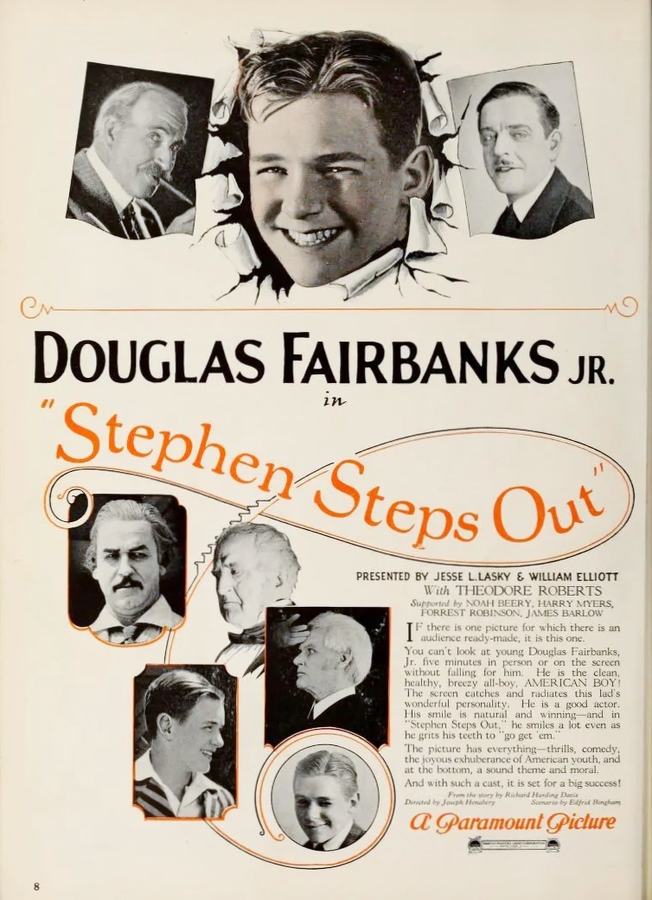
A definitive 7.1/10 rating for a film that redefined the boundaries of cult cinema. Stephen Steps Out remains a cornerstone of transgressive art.
Stephen Steps Out, directed by the seasoned hand of Bertram Johns and penned by the literary duo Richard Harding Davis and Edfrid A. Bingham, unfolds as a curious hybrid of coming‑of‑age drama and exotic adventure. The narrative premise—an indolent heir sent to the Ottoman Empire after flunking a history exam—might appear contrived, yet the film leverages this contrivance to interrogate notions of privilege, accountability, and cultural immersion.
\n \nDouglas Fairbanks Jr., in his early screen forays, delivers a surprisingly nuanced performance as Stephen Jr., oscillating between entitled swagger and genuine contrition. His chemistry with the venerable James O. Barrows (the stern patriarch) is palpable, each scene a study in generational tension. Fanny Midgley as the matriarch provides a grounding presence, her eyes conveying the silent anguish of a mother watching her son’s folly. The supporting cast—Noah Beery as the menacing conspirator, Harry Myers as the comic sidekick—populate the film with archetypes that feel both familiar and freshly textured.
\n \nThe film’s visual composition is a study in chiaroscuro, a deliberate nod to German Expressionism that underscores the protagonist’s internal conflict. Nighttime bazaars are bathed in a sepia‑tinged glow, while the Sultan’s palace interiors shimmer with gilded accents, evoking an otherworldly opulence. The cinematographer’s use of deep focus allows the bustling crowd to remain in sharp relief, reinforcing the theme of Stephen’s isolation amid a sea of strangers.
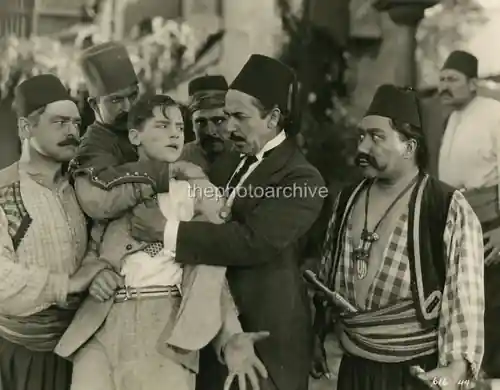
At its core, Stephen Steps Out follows a classical three‑act structure. Act One establishes the protagonist’s hubris; Act Two thrusts him into an alien environment where his superficial confidence is stripped away; Act Three culminates in a redemption arc that feels earned rather than contrived. The film’s pacing is deliberate, allowing the audience to savor the cultural tableau—call to prayer echoing across the Bosphorus, the clatter of horse‑drawn carriages, the scent of spices wafting through narrow alleys—before the narrative accelerates toward its climactic rescue.
\n \nThe dismissal of Gilman (portrayed with stoic dignity by Fred Warren) serves as a critique of educational systems that prioritize nepotism over merit. Stephen’s eventual advocacy for Gilman’s reinstatement mirrors his personal transformation: he learns that true leadership is predicated on integrity, not lineage. This motif resonates with contemporary debates about academic accountability, rendering the film surprisingly prescient.
\n \nWhile Stephen Steps Out occupies a niche within the silent adventure canon, its thematic concerns echo those of Eastward Ho!, where Western protagonists confront Eastern cultures with both curiosity and condescension. Unlike the latter’s satirical edge, Stephen Steps Out adopts a more earnest tone, aligning more closely with the moral earnestness of The Country Cousin. The film also shares a narrative kinship with The Lamb, particularly in its portrayal of a youthful protagonist whose missteps catalyze personal growth.
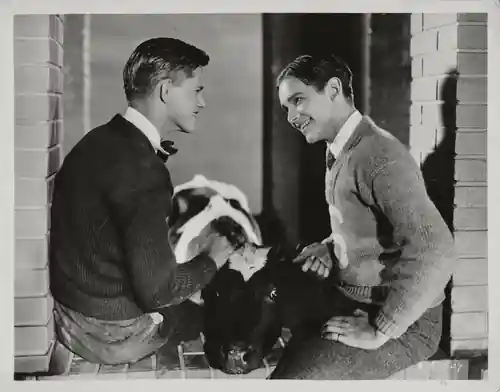
Fairbanks Jr.’s physicality—graceful yet grounded—imbues Stephen with a kinetic energy that propels the film’s action sequences. The rescue of the Sultan’s son is choreographed with a balletic fluidity, the camera tracking Stephen’s sprint through marble corridors in a single, uninterrupted take that was technically ambitious for its era. Meanwhile, Frank Nelson delivers a subtly comic turn as the bumbling aide, his deadpan delivery providing a necessary levity amidst the tension.
\n \nThe production team’s commitment to authenticity is evident in the meticulous recreation of Ottoman architecture. Set designers consulted historical texts to replicate the intricate tilework and archways of the Topkapi Palace, while costume designers sourced fabrics reminiscent of 19th‑century Turkish attire. This attention to detail not only enriches the visual experience but also demonstrates a respect for the culture being portrayed—an aspect often neglected in contemporaneous Western productions.
\n \nAlthough a silent film, Stephen Steps Out employs a live orchestral accompaniment that weaves Turkish motifs into its leitmotif, underscoring the protagonist’s immersion into an unfamiliar world. The occasional use of the oud and ney adds an auditory authenticity that complements the visual tableau, creating a multisensory tapestry that elevates the narrative.
\n \nUpon its 1924 release, the film garnered mixed reviews; critics praised its ambitious set pieces but questioned its melodramatic inclinations. Modern scholarship, however, has reevaluated the work, recognizing its early attempt at cross‑cultural dialogue and its subversive critique of elitist education. Film historians now cite Stephen Steps Out as a precursor to later adventure epics that blend personal growth with exotic locales, such as The Texan.
\n \nStephen Steps Out endures as a compelling artifact of silent cinema, offering a layered narrative that rewards repeat viewings. Its synthesis of adventure, moral introspection, and cultural reverence makes it a valuable study for cinephiles and scholars alike. Whether you are drawn to its daring set pieces, its nuanced performances, or its earnest exploration of responsibility, the film invites you to step beyond the familiar and contemplate the transformative power of travel and education.

IMDb —
1936
Community
Log in to comment.