DbcultAccessing Vault...
Cult Review
Senior Film Conservator
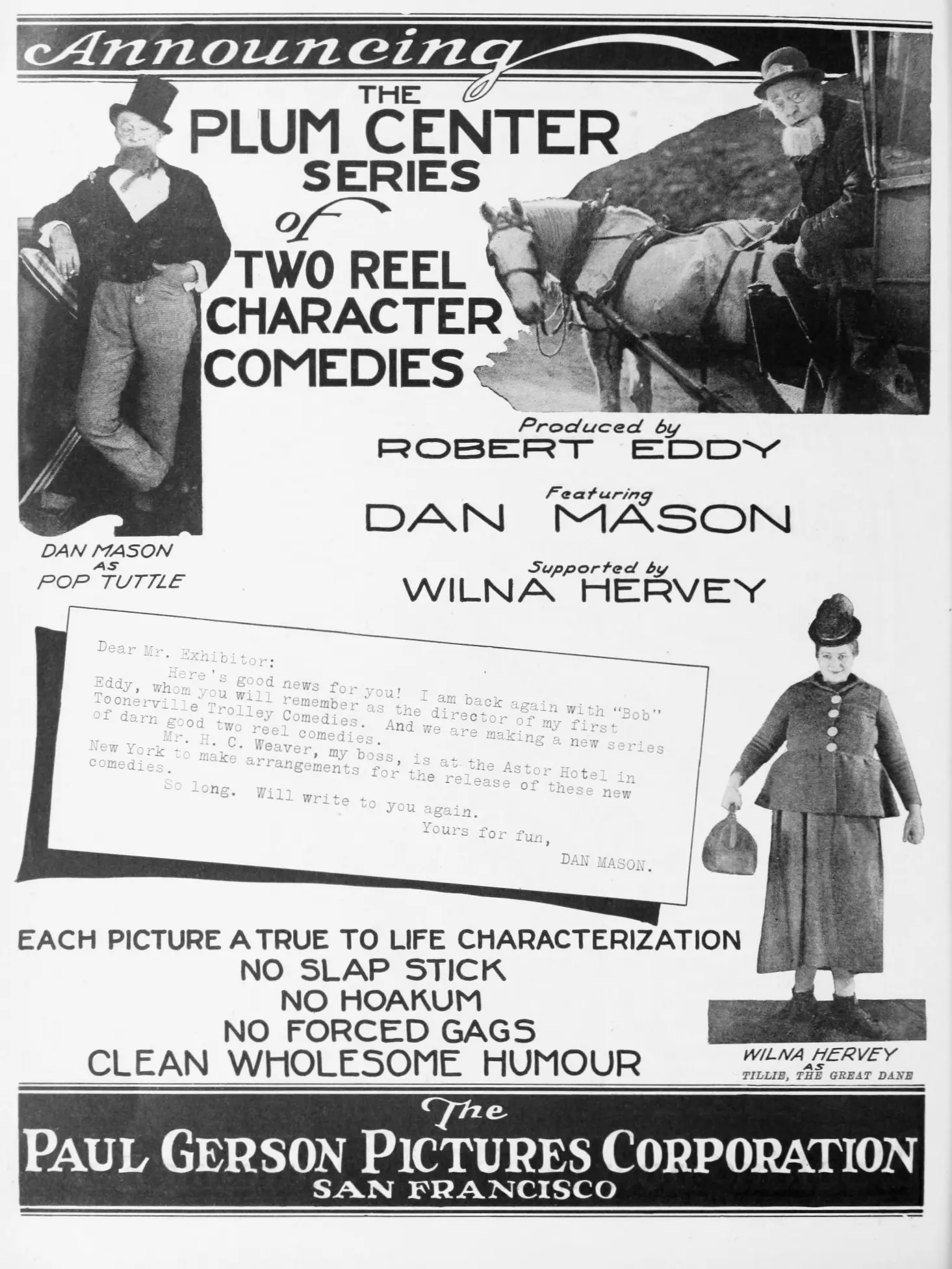
To witness Pop Tuttle's Russian Rumors is to observe the delicate intersection of early cinematic slapstick and a surprisingly cynical observation of the human condition. Released in an era where the silent screen was the primary laboratory for physical comedy, this Al Giebler-penned narrative transcends the simple 'gag-a-minute' structure. It presents a world where the thin veneer of social decorum is instantly vaporized by the mere suggestion of wealth. The film doesn't just invite laughter; it demands a reckoning with our own susceptibility to the 'get-rich-quick' ethos that defined much of the early 20th-century American psyche.
The premise is deceptively simple, yet it functions as a perfect engine for escalating mayhem. When a Russian Count breathes his last in Pop Tuttle’s struggling hotel, the protagonist—played with a marvelous, jittery energy by Dan Mason—finds himself at a crossroads. He can either report the death and face the stigma of a 'haunted' or 'unlucky' establishment, or he can pivot. Tuttle chooses the latter, spinning a yarn of hidden treasures that would make even the protagonist of Scrooge blush with envy. This lie, intended to attract a few paying guests, becomes a self-replicating virus of greed.
Dan Mason’s performance is a revelation of kineticism. Unlike the more refined comedic sensibilities seen in Ruggles of Red Gap, Mason embraces a more visceral, almost desperate physicality. His Pop Tuttle is a man perpetually on the brink of total collapse, a character who feels as though he might vibrate off the screen at any moment. His interactions with Wilna Wilde provide a necessary grounding, though Wilde herself is swept up in the escalating absurdity of the hotel’s disintegration.
The chemistry between the leads is less about romantic tension and more about the shared experience of surviving a self-inflicted catastrophe. As the townspeople begin to arrive, the film transitions from a character study into an ensemble of destruction. The way Mason moves through the collapsing set—ducking under falling beams and navigating through clouds of plaster—mirrors the chaotic energy found in the legendary Tillie's Punctured Romance, yet there is a darker, more localized edge to the violence here. This isn't just a romp; it’s a systematic demolition of the very thing Tuttle was trying to save.
Al Giebler’s writing deserves significant praise for its economy and impact. In an era where many comedies relied on disparate vignettes, Pop Tuttle's Russian Rumors maintains a singular focus. Every joke, every pratfall, and every broken piece of furniture serves the central theme of the 'Russian Rumor.' The script functions as a satirical mirror to the speculative bubbles of the 1920s. The hotel becomes a microcosm of the stock market—built on air, sustained by rumors, and ultimately destroyed by the very people hoping to profit from it.
When we compare this to the more somber explorations of fate in The Gods of Fate, we see a fascinating parallel. While the latter treats the whims of destiny with a heavy hand, Giebler treats them as a cosmic joke. The 'fate' of the hotel isn't written in the stars; it’s written in the avaricious hearts of the neighbors. The destruction is meticulously paced, starting with small acts of vandalism—peeling wallpaper, moving furniture—and culminating in the structural collapse of the entire building. It’s a masterclass in 'escalation comedy' that predates the more famous examples of the genre by decades.
Visually, the film is a fascinating artifact. The cinematography captures the claustrophobia of the hotel with an almost documentary-like precision before the chaos erupts. The use of space is critical; the hotel must feel like a labyrinth where treasure could plausibly be hidden, yet it must also feel flimsy enough to be torn apart by hand. This aesthetic of 'fragile permanence' is something we also see in the European sensibilities of Das Land der Sehnsucht, though redirected here toward comedic ends.
The special effects—largely practical stunts and set-piece collapses—are executed with a level of timing that is nothing short of miraculous. There is a specific sequence involving a chimney that rivals the best work of the period. The dust and debris aren't just props; they are characters in their own right, constantly obscuring the vision of the treasure hunters and adding a layer of gritty realism to the farce. This isn't the clean, sterile comedy of modern times; it’s a dirty, sweaty, and physically taxing form of art that requires the audience to feel the weight of every falling brick.
In the broader context of silent cinema, where does this film sit? It lacks the overt sentimentalism of The Grass Orphan or the melodramatic weight of Sinners. Instead, it occupies a space of pure, unadulterated cynicism. It has more in common with the absurdist humor of Tu ten kámen than with the traditional American moral plays of the time. While films like Where's My Wandering Boy This Evening? focused on the domestic sphere and the preservation of the home, Pop Tuttle's Russian Rumors is about the gleeful destruction of the home for the sake of a phantom profit.
Even when compared to the high-society satires like Les grands, Tuttle’s story feels more grounded and perhaps more dangerous. The 'townspeople' are not caricatures of the elite; they are the working class, driven to madness by the prospect of a shortcut to the American Dream. There is a poignant irony in the fact that they destroy a functional business in pursuit of a non-existent treasure—a theme that resonates as much today as it did in 1923.
What remains after the dust settles in the final frame? A sense of profound absurdity. Pop Tuttle stands amidst the wreckage, a victim of his own ingenuity. The film avoids a tidy moral conclusion, opting instead for a finish that emphasizes the futility of the entire endeavor. It’s this refusal to offer a 'happily ever after' that gives the film its lasting power. It acknowledges that once the rumor is out, the damage is irreversible. Unlike the redemption arcs found in Through Fire to Fortune, Tuttle’s fortune is found only in the lessons of his failure.
The film also serves as a testament to the durability of the 'Pop Tuttle' character. Dan Mason played this role across multiple shorts, but Russian Rumors stands as a high-water mark for the series. It captures a specific moment in cinematic history where the grammar of the gag was being perfected, yet the writers were still willing to experiment with darker, more complex themes. It is a work that deserves to be viewed not just as a relic of the past, but as a vibrant, breathing piece of social commentary that happens to be exceptionally funny.
Final Thoughts: For those who appreciate the intersection of high-stakes farce and the dismantling of social norms, this film is an essential watch. It occupies a unique niche, far more aggressive than Worlds Apart and more focused than the ensemble chaos of Girls. It is a jagged, brilliant gem of the silent era that proves greed is, and always has been, the ultimate wrecking ball.

IMDb —
1922
Community
Log in to comment.