DbcultAccessing Vault...
6.4/10
Senior Film Conservator
A definitive 6.4/10 rating for a film that redefined the boundaries of cult cinema. Asleep at the Switch remains a cornerstone of transgressive art.
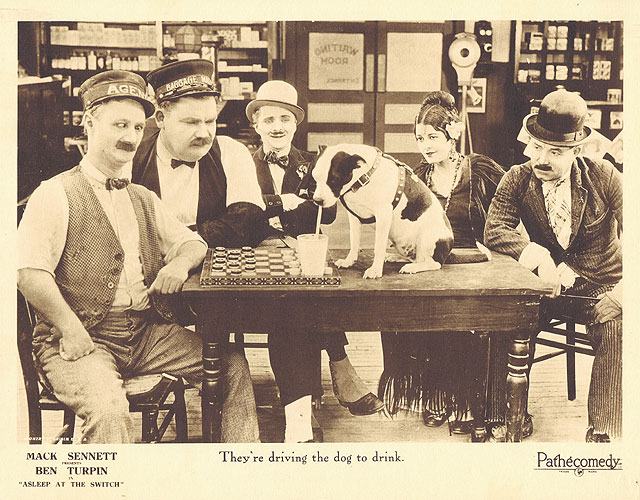
The world of silent cinema is replete with tales of forgotten gems, and Asleep at the Switch is no exception. This partially lost film, with its remnants showcasing a dog as the undeniable star, offers a fascinating glimpse into the early days of cinema. The dog, with its array of tricks including smoking, drinking, and engaging in a game of checkers, is a marvel to watch, its antics captivating the viewer with a simplicity and charm that transcends time.
The cast, which includes Marvin Loback, Fanny Kelly, and the incomparable Ben Turpin, provides a rich tapestry against which the canine's performances are set. Each actor brings their unique brand of comedy and charisma to the screen, blending seamlessly with the dog's natural talents to create a truly unforgettable viewing experience. The presence of Teddy the Dog and Cameo the Dog further underscores the film's emphasis on showcasing animal talent, a theme that was not only novel for its time but also speaks to the enduring appeal of animals in entertainment.
In comparing Asleep at the Switch to other films of the silent era, such as Lola Montez and The World and the Woman, it becomes clear that the use of animal actors was a bold move, one that added a fresh dynamic to the storytelling process. This innovation, while not unprecedented, as seen in films like Words and Music by and An Arabian Knight, was certainly noteworthy for its execution and impact. The blend of human and animal performances creates a narrative that is both engaging and historically significant, offering insights into the evolving nature of cinematic storytelling during the silent film era.
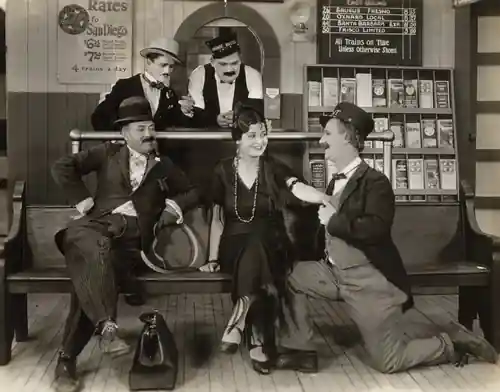
The historical context of Asleep at the Switch is also worthy of consideration, particularly when viewed alongside other films of the period, such as The Mysterious Pearl and The Hazards of Helen. These films, each in their own way, contribute to our understanding of the cinematic landscape of the time, a landscape that was marked by experimentation, innovation, and a relentless pursuit of entertainment. The inclusion of Heidi, Treason, and The Breaker in this discussion further highlights the diversity of themes and approaches that characterized silent cinema, a diversity that Asleep at the Switch embodies with its unique blend of comedy and pathos.
Moreover, films like Emerald of Death, Winner Takes All, Winning Grandma, The Little Terror, and The Feast of Life demonstrate the wide range of genres and themes that were explored during this period. The comedy and drama present in Asleep at the Switch find echoes in these films, underscoring the versatility of silent cinema and its ability to cater to diverse audience preferences. Even The Girl from Nowhere, with its distinct narrative, contributes to this mosaic, illustrating the creative depth and breadth of filmmakers during the silent era.
In conclusion, Asleep at the Switch stands as a fascinating artifact of the silent film era, a testament to the creativity and innovation that defined this pivotal moment in cinematic history. With its talented canine star and supporting cast of human actors, the film offers a unique viewing experience that is at once entertaining and enlightening. As we reflect on the significance of Asleep at the Switch and its place within the broader context of silent cinema, we are reminded of the importance of preserving our cinematic heritage, ensuring that films like this one continue to delight and educate audiences for generations to come.
IMDb 5.2
1923
Community
Log in to comment.