DbcultAccessing Vault...
Cult Review
Senior Film Conservator
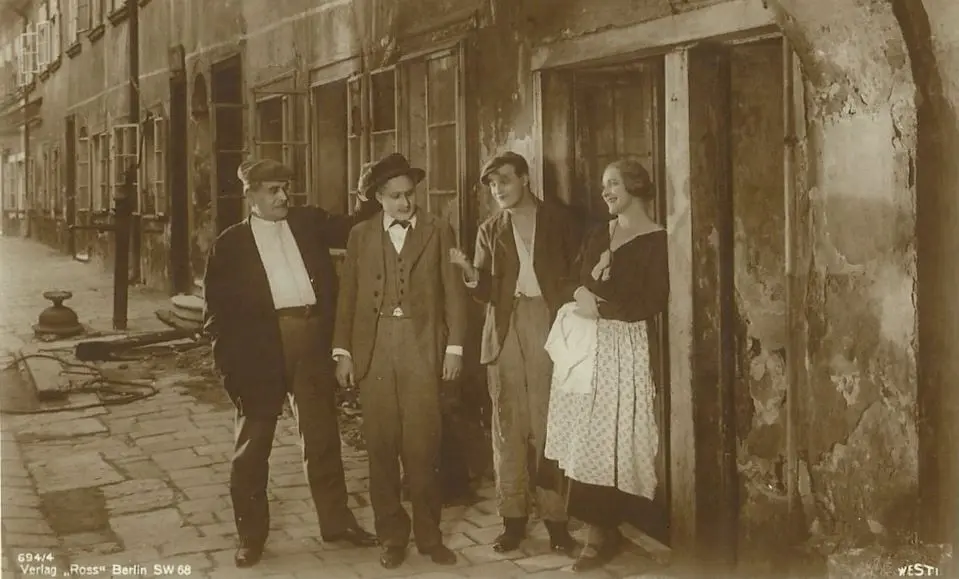
Prater is a cinematic masterpiece that captures the essence of urban life and the intricate web of human connections that unfold within the vibrant atmosphere of the Prater amusement park in Vienna. The film, a slow, methodical exploration, delves into the lives of various characters, each carrying their unique burdens and aspirations. Auguste Prasch-Grevenberg, a struggling artist, finds solace and inspiration in the people he encounters, particularly Osip Runich, a Jewish shopkeeper navigating the complexities of his identity in a society fraught with tension.
The narrative unfolds with a poetic touch, weaving through the day-to-day activities of the amusement park and its visitors. The characters are brought to life with a depth that resonates with authenticity, making their journeys both relatable and deeply moving. The visual storytelling is a highlight, with the Prater park serving as a backdrop that is both a character in its own right and a symbol of the transient nature of human existence.
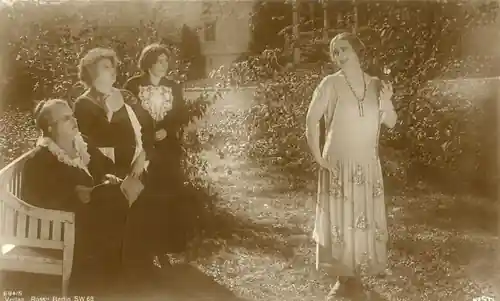
Auguste Prasch-Grevenberg, played with subtlety and nuance by Auguste Prasch-Grevenberg, is a complex character whose journey is both artistic and personal. His struggle to find his place in the world is mirrored in the film's overall structure, which is as much about the search for meaning as it is about the exploration of the human condition. The interactions between Auguste and Osip Runich, played by Osip Runich, are particularly poignant, reflecting the broader themes of connection and understanding.
Osip Runich, a Jewish shopkeeper, is a character whose story is deeply intertwined with the historical context of the time. His journey is one of resilience and perseverance, as he navigates the challenges posed by his identity in a society that is rapidly changing. The film's exploration of Osip's character is a powerful commentary on the human capacity for adaptation and survival, even in the face of adversity.
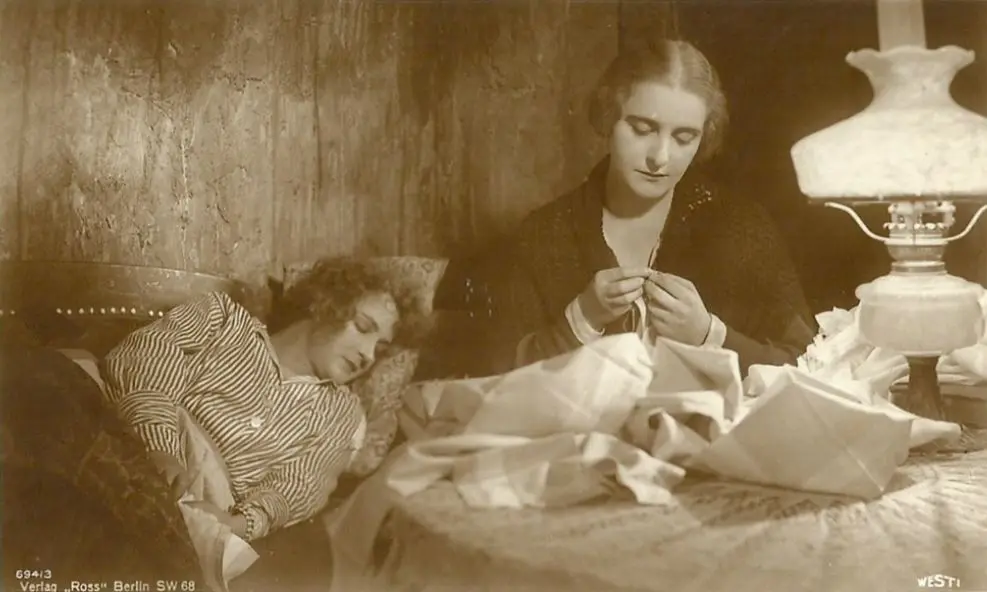
The supporting cast, including Griebel, Henny Porten, Carl de Vogt, Claire Lotto, M. Fering, Friedrich Lobe, Angelo Ferrari, Alice Hetsey, Alfred Schreiber, Johannes Riemann, Lilian Jaernefelt, Friedrich Kühne, and Gertrud de Lalsky, bring a range of emotions and experiences to the screen. Each character's story contributes to the rich tapestry of the film, creating a multi-layered and immersive experience for the viewer.
The film's visual style is a testament to its artistic vision. The use of natural light and the vibrant colors of the Prater park create a visually stunning atmosphere that enhances the emotional impact of the narrative. The cinematography, by [C. Lyn and Peter Paul Felner], is particularly noteworthy for its ability to capture the essence of the characters and the setting. The attention to detail in the set design and costume choices further enriches the viewer's experience, making the Prater park feel like a living, breathing entity.
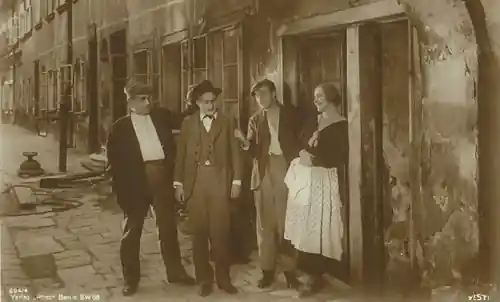
The pacing of the film is deliberate and measured, allowing the audience to fully immerse themselves in the world of Prater. The slow, methodical pace creates a sense of intimacy and connection with the characters, making their journeys feel both personal and universal. The film's narrative structure is non-linear, with flashbacks and present-day scenes interwoven in a way that highlights the interconnectedness of the characters' lives. This non-linear approach adds depth and complexity to the story, making it a rich and rewarding viewing experience.
Themes of connection, identity, and the search for meaning are central to the film. The characters' journeys are not just personal but also reflect broader societal issues, such as the impact of historical events on individual lives. The film's exploration of these themes is both poignant and thought-provoking, encouraging viewers to reflect on their own experiences and the ways in which they connect with the world around them.
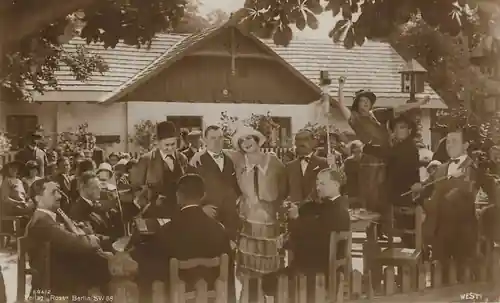
Comparisons can be drawn with other films that explore similar themes, such as Squire Phin and The Little Intruder. These films, like Prater, delve into the complexities of human relationships and the ways in which people navigate the challenges of their lives. However, Prater stands out for its unique visual style and its ability to create a sense of intimacy and connection with the characters.
The film's exploration of the Prater amusement park is also a key element of its artistic vision. The park serves as a microcosm of the larger world, with its rides, games, and attractions reflecting the fleeting nature of human experiences. The characters' interactions within the park are imbued with a sense of wonder and excitement, mirroring the film's artistic approach to storytelling.

Prater is a film that demands attention and engagement from the viewer. Its slow, methodical pace and rich visual storytelling create a multi-layered and immersive experience that rewards close attention. The film's exploration of human connections and the search for meaning is both poignant and thought-provoking, making it a must-watch for cinephiles and art enthusiasts alike.
Ultimately, Prater is a cinematic masterpiece that captures the essence of urban life and the intricate web of human connections that unfold within the vibrant atmosphere of the Prater amusement park. Its artistic vision, combined with its rich visual storytelling and deep exploration of human experiences, make it a film that will resonate with viewers long after the credits roll.
IMDb —
1919
Community
Log in to comment.