DbcultAccessing Vault...
Cult Review
Senior Film Conservator
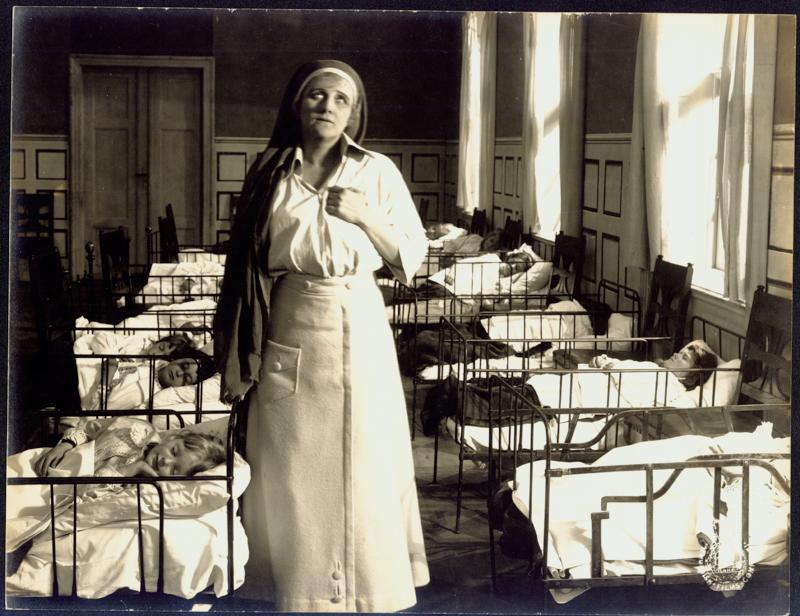
In the annals of early cinematic endeavors, where the moving image was still finding its voice, certain films emerged with a resonant power, their narratives transcending the limitations of silence to speak directly to the human condition. A prime example of this enduring artistry is A.W. Sandberg's compelling Danish drama, Den retfærdiges hustru (The Righteous Wife). This isn't merely a film; it's a meticulously crafted moral tableau, a searing examination of integrity, betrayal, and the relentless pursuit of truth in a world too eager to condemn. It stands as a testament to the emotional depth and narrative sophistication achievable in the silent era, a period often unfairly dismissed as primitive. Sandberg, a master of his craft, orchestrates a symphony of human emotion, drawing performances from his ensemble that are both nuanced and profoundly impactful, particularly given the reliance on visual storytelling and exaggerated gestures inherent to the medium. The film doesn't just present a story; it invites the viewer into a complex web of societal expectations and personal torment, making it a profoundly engaging experience even today.
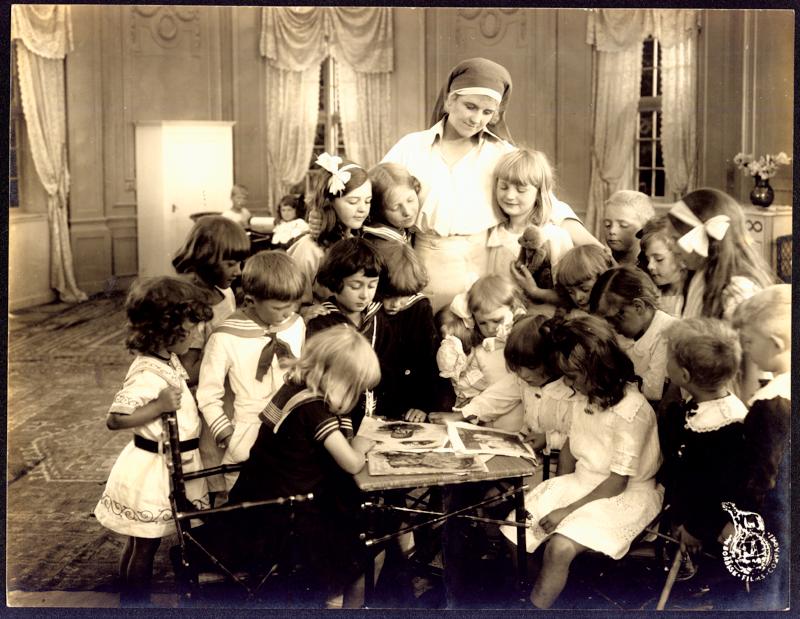
At its core, Den retfærdiges hustru is a melodrama of the highest order, but one imbued with a psychological acuity that elevates it beyond mere histrionics. We are introduced to Elin, portrayed with breathtaking vulnerability and strength by Ulla Nielsen, a woman whose life is defined by her unwavering devotion to her husband, Frederik (Gunnar Tolnæs), a magistrate of impeccable standing. Their world, seemingly unassailable in its domestic bliss and public respectability, is brutally invaded by the malevolent presence of Baron von Hagen (Philip Bech). Bech's portrayal of von Hagen is a study in calculated villainy; he is not a caricature, but a man consumed by a thirst for vengeance, a dark echo of Frederik's past judicial decisions. The baron's machinations are chillingly precise, targeting Elin not out of personal animosity towards her, but as the most vulnerable point through which to inflict maximum suffering upon Frederik. He crafts a narrative of infidelity, leveraging Elin's innocent patronage of a young artist, Henrik (Arne Weel), into a scandalous affair. This plot device, while familiar in melodramatic narratives, is handled with such intricate detail that it feels fresh and terrifyingly plausible. The film expertly builds tension, showing the subtle erosion of Frederik's trust, the insidious whispers of society, and Elin's growing isolation. It’s a masterclass in how easily reputations can be shattered and how difficult it is to reclaim one's honor once it has been impugned. The film's brilliance lies not just in the unfolding of the plot, but in its exploration of the psychological toll such an ordeal takes on its characters, particularly Elin, who must navigate a world that has suddenly turned against her.
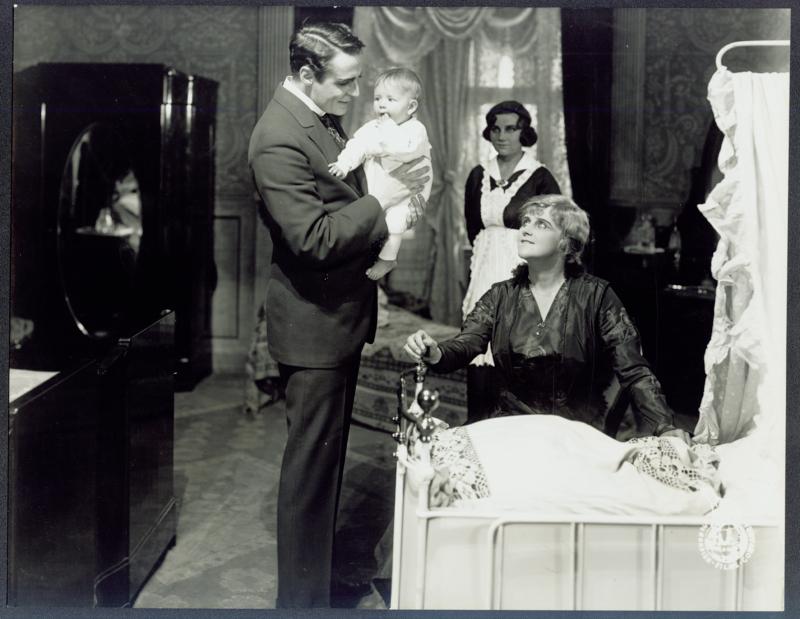
The efficacy of any silent film rests heavily on the shoulders of its performers, and in Den retfærdiges hustru, the cast delivers with an astonishing intensity. Ulla Nielsen, as Elin, is nothing short of transcendent. Her eyes, often brimming with unshed tears or flashing with defiant resolve, convey more emotion than pages of dialogue ever could. She embodies the film's title, not just as a virtuous woman, but as one who actively fights for her righteousness against overwhelming odds. Her performance is a tour de force, a deeply moving portrayal of dignity under duress. Contrast this with Gunnar Tolnæs's Frederik, a man whose initial strength and conviction slowly give way to doubt and a prideful blindness. Tolnæs skillfully navigates this transformation, making Frederik's descent into suspicion both understandable and tragically flawed. Philip Bech, as Baron von Hagen, is deliciously malevolent. His performance is restrained yet menacing, a testament to the power of a villain who operates with chilling intellect rather than overt theatricality. The supporting cast, too, contributes significantly to the film's rich tapestry. Arne Weel, as the innocent Henrik, projects a youthful vulnerability that makes his unwitting involvement in the plot all the more poignant. Else Frölich, in a role that could easily have been forgettable, brings a quiet strength and loyalty as Elin's confidante, a much-needed anchor in Elin's turbulent world. Lauritz Olsen, as the inspector, provides a grounding presence, his methodical investigation serving as the audience's guide through the labyrinth of deceit. Each actor, through carefully modulated gestures and expressive countenances, crafts a character that feels fully realized, contributing to the film's profound emotional resonance.
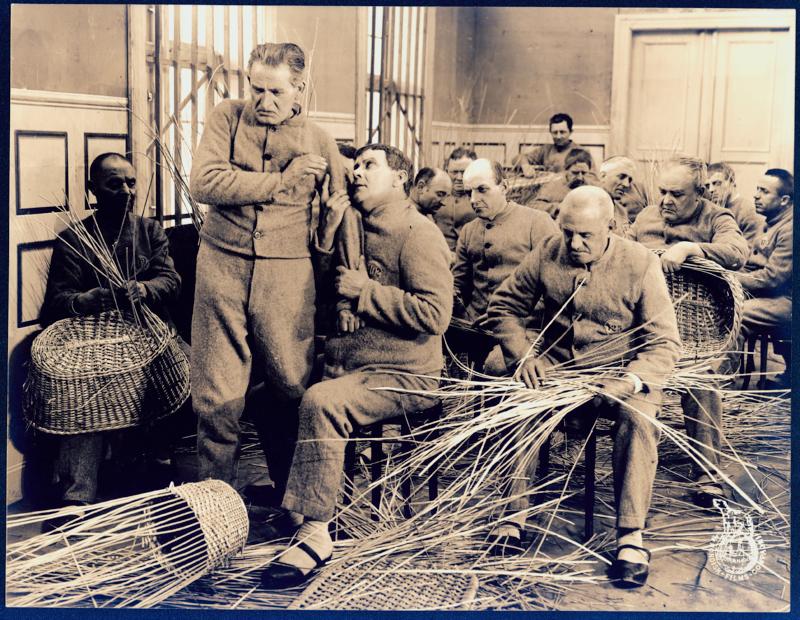
A.W. Sandberg's influence, both as a writer and presumably in his directorial vision (given his significant role in Danish cinema of this period), is palpable throughout Den retfærdiges hustru. The narrative structure is remarkably tight, with each scene building inexorably towards the climax. Sandberg understands the power of visual storytelling, utilizing close-ups to capture the raw emotion of his actors and employing dramatic lighting to heighten the mood. His writing, even when translated into intertitles, possesses a poetic gravitas, grounding the melodrama in a sense of realism. The pacing is deliberate, allowing the audience to fully absorb the emotional weight of each revelation and betrayal. Sandberg doesn't rush the narrative; instead, he allows the tension to simmer, building to an almost unbearable crescendo before the eventual, cathartic resolution. This meticulous craftsmanship distinguishes the film from many of its contemporaries, imbuing it with a timeless quality. It's a testament to Sandberg's ability to transcend the technical limitations of early cinema, using them instead as parameters within which to create truly innovative and emotionally profound works. His understanding of human psychology, moral dilemmas, and societal pressures shines through, making the film not just a period piece, but a resonant exploration of universal themes.
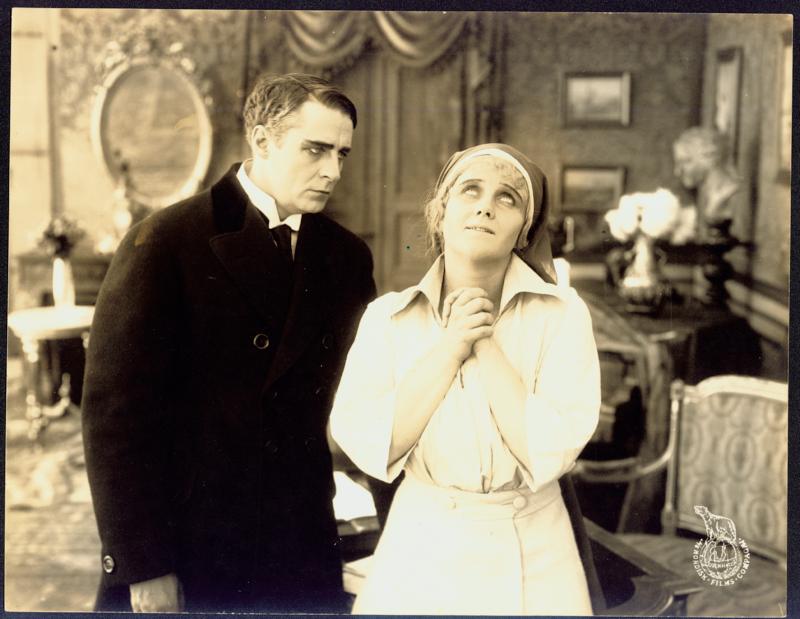
To fully appreciate the nuanced brilliance of Den retfærdiges hustru, it's helpful to consider it within the broader landscape of silent cinema, particularly those films that grappled with similar themes of marital strife, societal judgment, and the quest for justice. One might draw parallels to films like A Wife on Trial, which similarly explores the public and private tribulations of a woman accused, or My Official Wife, where questions of identity and loyalty within a marriage are paramount. However, Den retfærdiges hustru often feels more intensely personal, less concerned with grand societal pronouncements and more focused on the intimate agony of its protagonist. Its portrayal of a woman’s struggle against a male-dominated legal and social system can also be seen in contrast to the more lighthearted, albeit still challenging, narratives found in films like The Beautiful Adventure, which often explored women navigating romantic and social complexities with a different tone. The film's exploration of virtue under siege resonates with the thematic underpinnings of works like Unto the End, where characters face profound moral tests. While films like The Blue Envelope Mystery might offer a more straightforward detective narrative, Den retfærdiges hustru layers its mystery with an emotional intensity that transcends mere puzzle-solving. It’s less about who committed the crime and more about the devastating impact of false accusations on an innocent soul. The depth of character exploration here sets it apart, allowing for a more profound engagement with the human cost of injustice. The film's ability to maintain suspense and emotional investment without relying on overt action sequences is a testament to its sophisticated narrative design, placing it among the more psychologically astute melodramas of its era.
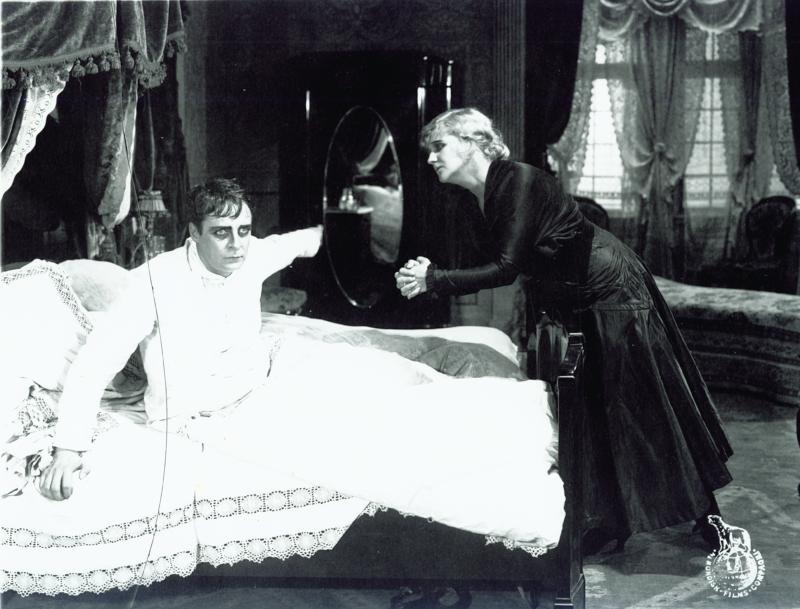
Visually, Den retfærdiges hustru is a masterclass in silent film aesthetics. The cinematography, while constrained by the technology of the era, is remarkably expressive. The use of deep focus in certain shots creates a sense of spatial depth, drawing the viewer into the meticulously designed sets. The production design, though perhaps not as lavish as some Hollywood epics, is perfectly attuned to the film's intimate, domestic drama. The homes of the protagonists feel lived-in and authentic, reflecting their social standing and emotional states. The stark contrast between the opulent, yet morally corrupt, world of Baron von Hagen and the initially serene, then increasingly somber, abode of Frederik and Elin, is conveyed through subtle details in set dressing and lighting. Shadows are not merely an absence of light; they are characters in themselves, hinting at hidden motives and lurking dangers. Close-ups are employed judiciously, amplifying the emotional impact of key moments, allowing the audience to witness the subtle shifts in expression that convey a wealth of unspoken thoughts. The use of natural light, whenever possible, adds a layer of realism, grounding the melodrama in a tangible world. Even the costumes, carefully chosen for each character, speak volumes about their personality and social standing, further enhancing the film's visual narrative. This attention to visual detail ensures that every frame contributes to the overarching story, making the film a truly immersive experience despite its lack of spoken dialogue.
More than a century after its creation, Den retfærdiges hustru retains a startling relevance. Its themes of false accusation, the fragility of reputation, and the arduous path to truth are as potent today as they were in the early 20th century. The film serves as a powerful reminder of the dangers of mob mentality and the corrosive effects of unchecked vengeance. It champions the quiet strength of integrity, illustrating that true righteousness often manifests not in grand pronouncements, but in steadfast endurance in the face of adversity. For students of cinematic history, it offers invaluable insight into the narrative sophistication and emotional depth achievable in the silent era, standing proudly alongside international contemporaries. It is a vital piece of Danish film heritage, showcasing the talents of A.W. Sandberg and his remarkable cast. The film’s narrative arc, though deeply rooted in its period, speaks to universal human experiences, making it accessible and moving for modern audiences willing to engage with its unique form of storytelling. Its exploration of moral quandaries, the complexities of human relationships, and the relentless pursuit of justice ensure its place not just as a historical artifact, but as a compelling piece of cinema that continues to resonate, provoking thought and eliciting empathy. It stands as a powerful argument against the simplistic notion that silent films are merely quaint relics; rather, they are often profound works of art, capable of articulating the deepest facets of the human spirit with an eloquence that transcends spoken language.
In conclusion, Den retfærdiges hustru is far more than a historical curiosity; it is a profound and emotionally charged drama that speaks to the timeless struggle for truth and honor. Ulla Nielsen's performance alone is worth the price of admission (or the effort of seeking out a restored print), but the film's cumulative power, derived from Sandberg's meticulous direction, A.W. Sandberg's compelling narrative, and the uniformly excellent performances of the entire cast, elevates it to the status of a true classic. It is a film that demands to be seen, studied, and appreciated for its artistic merit and its enduring message. It reminds us that even in silence, the human heart can roar with passion, despair, and ultimately, triumph. This is a film that will linger in your thoughts long after the final frame fades, a testament to the righteous power of a story well told and exquisitely performed.
IMDb —
1918
Community
Log in to comment.