DbcultAccessing Vault...
Cult Review
Senior Film Conservator
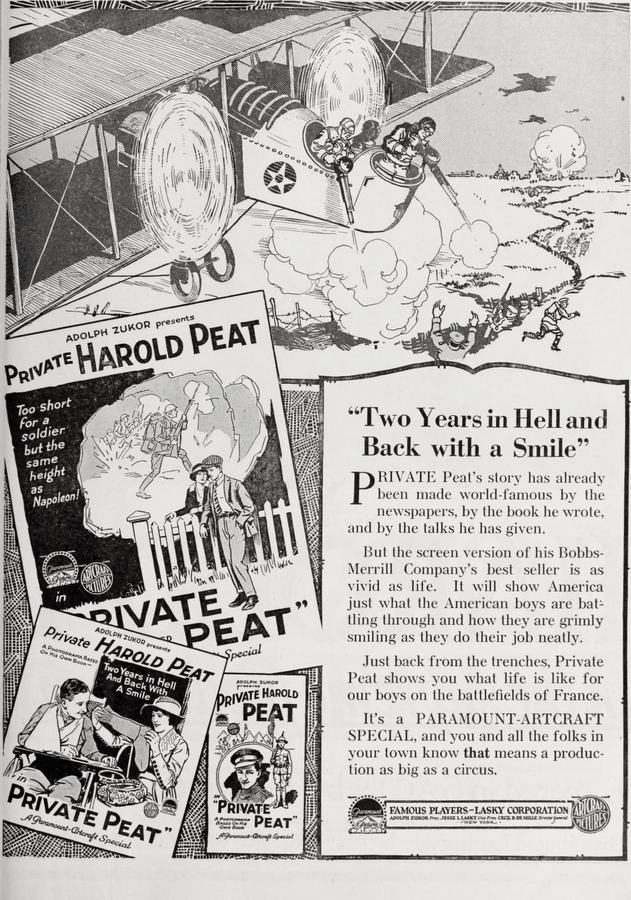
When the first silent war dramas emerged, they were often dominated by grandiose battle scenes and sweeping patriotic epics. *Private Peat* sidesteps the spectacle, opting instead for an intimate tableau that places the viewer in the throes of personal sacrifice. The film’s narrative arc is a masterclass in restraint, with each frame carefully calibrated to elicit an emotional response that resonates long after the credits roll.
\nHarold R. Peat’s initial attempt to enlist is met with a curt dismissal from a recruiting officer who questions the young man's resolve. The scene, filmed in stark monochrome, underscores the theme of denial that permeates the film. Harold’s disappointment is palpable; his eyes, framed by the low light of the tent, betray a quiet desperation that speaks louder than words. It is here that Old Bill, a seasoned soldier with a mischievous grin, steps in. Their partnership is forged in the crucible of shared frustration, and the duo concocts a scheme that leverages deception to secure their place in the ranks.
\nWhat follows is a testament to human ingenuity. The film captures the clandestine operation with a subtle humor that balances the gravity of the war backdrop. Their plan is simple yet audacious: present themselves as seasoned veterans, complete with forged documents and fabricated war stories. The scene is shot with a handheld camera that gives the audience the sensation of being in the midst of the chaos, a technique that was ahead of its time in 1915.
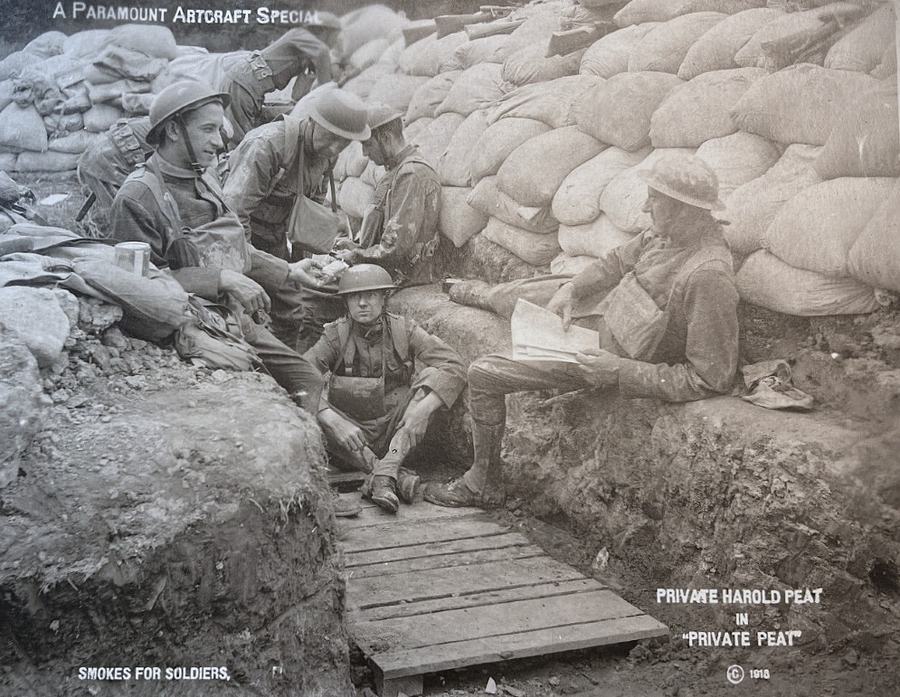
Once accepted, Harold and Bill find themselves in a cramped training camp where discipline is enforced by a stern drill sergeant. The claustrophobic environment, accentuated by the low ceiling and the hum of artillery drills, becomes a character in its own right. The camaraderie between the two men is palpable; their laughter echoes through the barracks, a stark contrast to the looming threat of war. The director’s decision to intercut scenes of the soldiers’ training with flashbacks of their hometown life creates a poignant juxtaposition between innocence and impending doom.
\nThe film’s cinematography in this segment is noteworthy. The use of chiaroscuro lighting—sharp contrasts between light and shadow—mirrors the moral ambiguities that the soldiers confront. The camera lingers on Harold’s hand as he tightens his bootlace, a small but symbolic act of preparation for the trials ahead.
\nHarold’s farewell to Mary is one of the film’s most emotionally charged moments. The scene is set in a dimly lit room, the soft glow of a single lamp casting long shadows across the couple’s faces. The silence between them is thick, punctuated only by the distant rumble of artillery. Mary’s eyes, glistening with unshed tears, speak of a love that is both tender and fragile. Harold’s departure is not a grand gesture but a quiet, almost imperceptible act of leaving a life behind to face an uncertain future.
In this intimate setting, the film captures the fragility of hope. The camera focuses on the small details—a trembling hand, a lingering look—allowing the audience to feel the weight of the moment. The director’s choice to forgo a romantic montage in favor of a simple, unembellished farewell lends authenticity to the narrative.
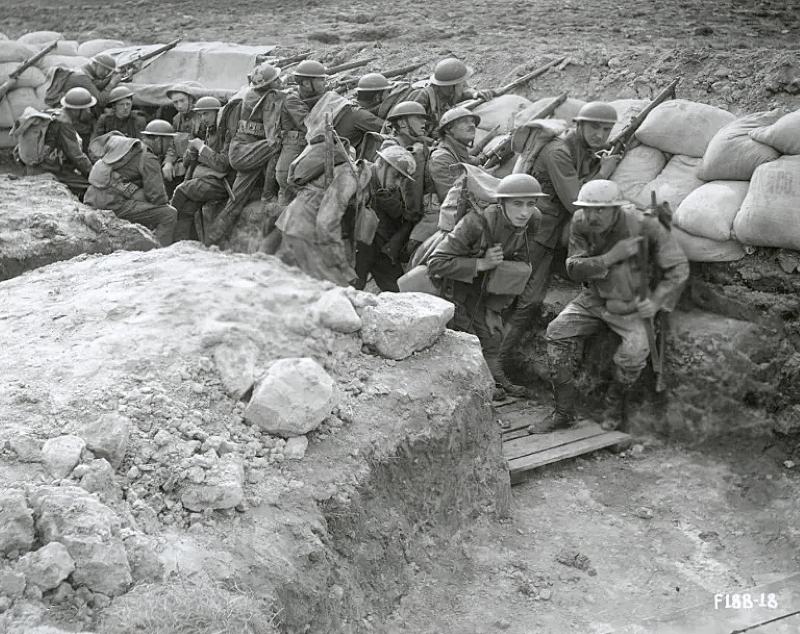
\nUpon arrival in France, the film plunges into the visceral reality of trench warfare. The battlefield is a chaotic tapestry of mud, gunfire, and the constant threat of death. The director’s use of wide-angle shots captures the scale of the conflict, while close-ups reveal the terror etched on the soldiers’ faces. Harold’s bravery is showcased in a scene where he attempts to rescue a critical load of ammunition from a collapsed trench. The sequence is a masterclass in tension, with the camera cutting between the frantic movement of the soldiers and the slow, deliberate steps of Harold.
\nBill’s death is a turning point that reverberates throughout the film. The moment is depicted with stark realism: a sudden burst of gunfire, the shockwave of pain, and the silent acceptance of mortality. The film does not sensationalize the event; instead, it presents it as an inevitable part of the soldier’s journey. Harold’s reaction—his silent grief and resolve—underscores the emotional depth of the narrative.
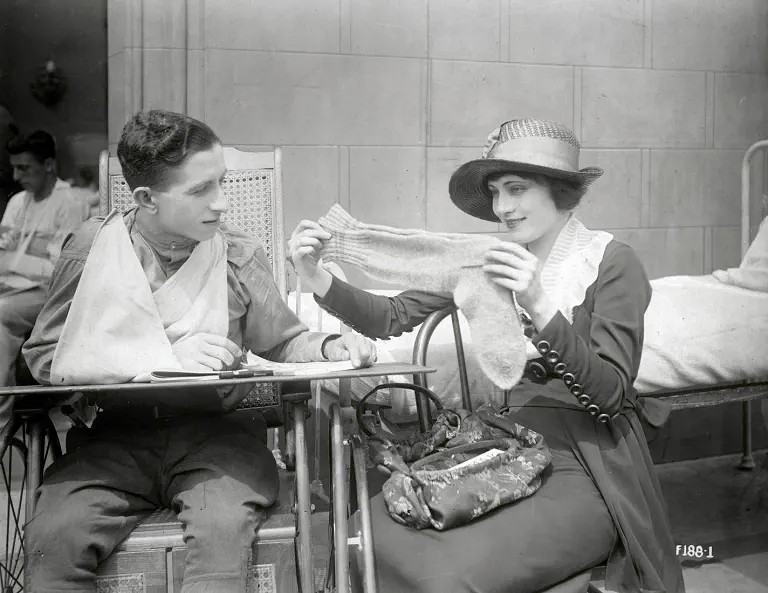
The film’s interlude in a French hospital is a poignant reminder of war’s human toll. Harold, wounded and disoriented, is treated by a compassionate nurse whose gentle presence offers a glimmer of hope. The hospital’s cramped corridors, illuminated by flickering lamps, create a haunting atmosphere that contrasts sharply with the open fields of the front. The director’s decision to focus on the small acts of kindness—such as the nurse’s reassuring touch—highlights the resilience of the human spirit amid devastation.
\nThe narrative here is subtle. The camera lingers on Harold’s face as he processes the reality of his injuries, capturing the slow dawning of acceptance. The hospital scene serves as a narrative bridge, connecting the battlefield’s brutality with the eventual return home.
\nMary’s arrival in France is a cathartic moment that encapsulates the film’s central theme of homecoming. The scene is bathed in a soft, golden light that contrasts with the bleakness of the war-torn landscape. The camera follows Mary as she navigates the foreign terrain, her steps echoing a longing for familiarity. Harold’s reaction—his eyes widening in disbelief—underscores the emotional payoff of the film’s long arc.
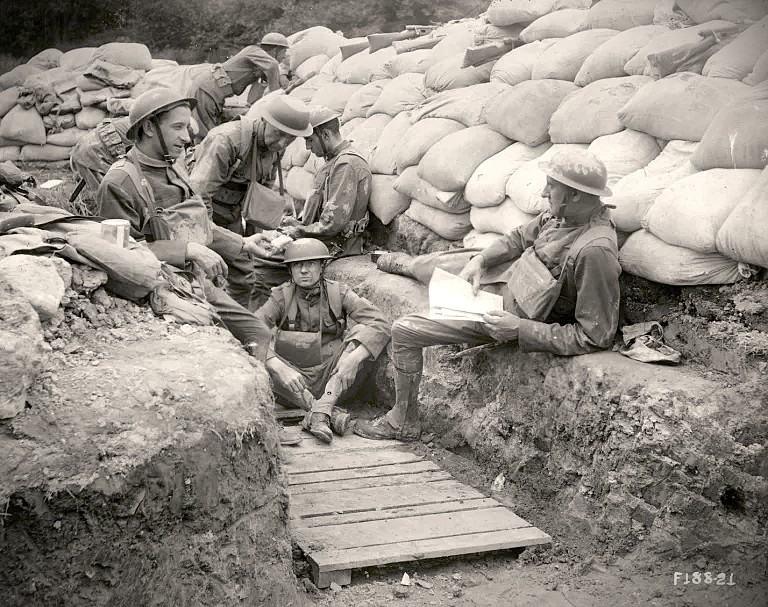
In this final act, the director masterfully balances the triumph of survival with the lingering shadows of loss. The film concludes not with a triumphant victory but with a quiet, reflective closure that invites the viewer to contemplate the costs of war and the enduring power of love.
\nFrom a technical standpoint, *Private Peat* showcases a nuanced use of lighting, composition, and pacing. The director’s choice to employ natural lighting in the trench scenes lends an air of authenticity, while the controlled use of shadows in the hospital sequences heightens the emotional stakes. The film’s score, though minimal, is strategically placed to amplify key moments without overpowering the visuals.
\nArtistically, the film is a study in contrasts. The juxtaposition of the soldiers’ camaraderie against the backdrop of a merciless war creates a layered narrative that is both engaging and thought-provoking. The film’s pacing is deliberate; each scene is given the space to breathe, allowing the audience to absorb the emotional weight of the story.
When placed alongside contemporaries such as Fedora (1918) and They’re Off, *Private Peat* stands out for its understated storytelling. While films like 500 Pounds Reward focus on action and spectacle, *Private Peat* opts for a more intimate exploration of the soldier’s psyche. The film’s subtlety aligns it more closely with El protegido de Satán, where personal narratives eclipse grandiose battle scenes.
\nFurthermore, the film’s thematic focus on sacrifice and love resonates with Sin and The Mischief Maker, which also delve into the human condition during turbulent times. By weaving a narrative that balances the harsh realities of war with the tender threads of personal relationships, *Private Peat* offers a unique cinematic experience that remains relevant to contemporary audiences.
\nAlthough *Private Peat* may not have achieved the commercial acclaim of its contemporaries, its influence on the silent war drama genre is undeniable. The film’s focus on character development over spectacle set a precedent for future war narratives that prioritize emotional depth. Its depiction of the soldier’s internal struggle prefigured the psychological realism that would later dominate war cinema.
\nThe film’s enduring relevance lies in its capacity to humanize the abstract concept of war. By centering on a young soldier’s personal journey, it invites viewers to reflect on the universal themes of courage, loss, and resilience. The narrative’s timeless quality ensures that *Private Peat* remains a touchstone for filmmakers seeking to balance historical context with human storytelling.
\n*Private Peat* is a quiet, powerful testament to the human spirit’s capacity to endure in the face of overwhelming adversity. Its restrained storytelling, coupled with meticulous technical execution, creates a cinematic experience that is both emotionally resonant and intellectually stimulating. While the film may not boast the grandeur of its peers, its nuanced portrayal of love, sacrifice, and the human cost of war secures its place in the annals of early American cinema. For those seeking a film that transcends the battlefield to explore the depths of the human heart, *Private Peat* offers an unforgettable journey that remains as relevant today as it was over a century ago.\n
IMDb 5.1
1936
Community
Log in to comment.