DbcultAccessing Vault...
5/10
Senior Film Conservator
A definitive 5/10 rating for a film that redefined the boundaries of cult cinema. The Squaw Man remains a cornerstone of transgressive art.
Stepping back into the nascent days of Hollywood, one encounters a cinematic landscape still finding its footing, yet already capable of producing narratives of profound emotional resonance and sweeping ambition. Cecil B. DeMille’s 1918 rendition of 'The Squaw Man' stands as a towering testament to this era, a film that, despite its century-old vintage and the inherent limitations of silent cinema, continues to captivate with its grand scope and deeply human drama. It’s more than just a historical artifact; it’s a vibrant, if sometimes problematic, exploration of cultural clash, personal sacrifice, and the relentless pursuit of honor against a backdrop of untamed wilderness. This film isn't merely a predecessor; it's a foundational text for the Western genre, a blueprint for the epic narratives that would define DeMille's illustrious career.
DeMille, ever the showman, understood the power of spectacle, even in the infancy of film. Here, he takes a popular stage play by Edwin Milton Royle and translates its theatricality into cinematic grandeur, leveraging the vast, sun-drenched landscapes of the American West to create a visual counterpoint to the rigid social structures of old England. The narrative begins with an act of noble self-immolation: Captain James Wynnegate, portrayed with understated dignity by Elliott Dexter, accepts culpability for an embezzlement scheme orchestrated by his cousin, Sir Henry (Thurston Hall). This initial premise immediately establishes Wynnegate as a figure of inherent moral uprightness, a man willing to sacrifice his reputation and future for the sake of familial honor, even when that family proves unworthy. This selfless act, a dramatic fulcrum, propels him from the staid drawing-rooms of the British aristocracy into the rugged, lawless expanse of Montana.
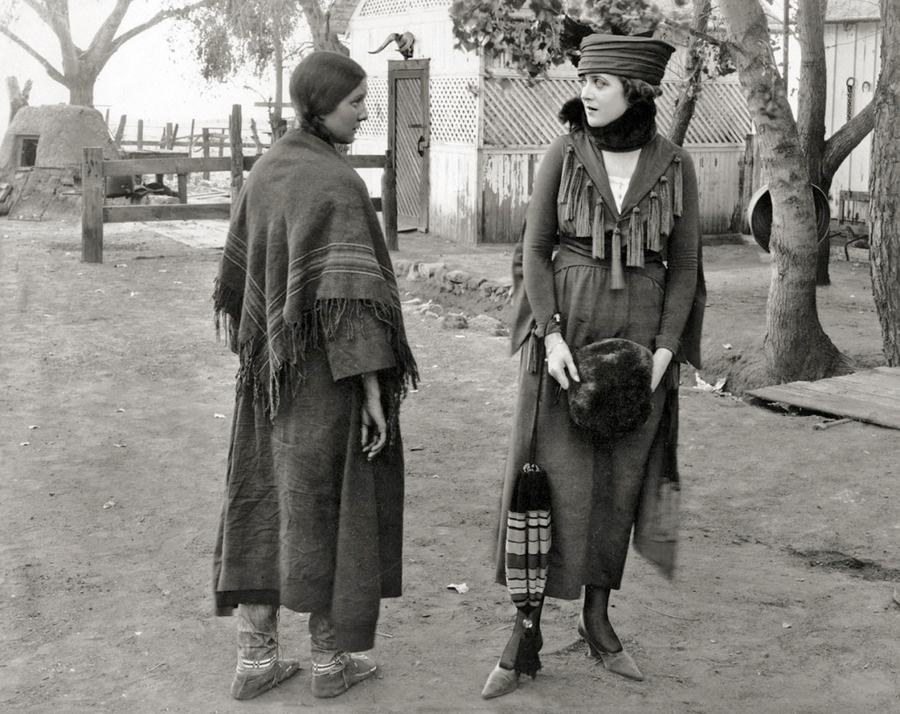
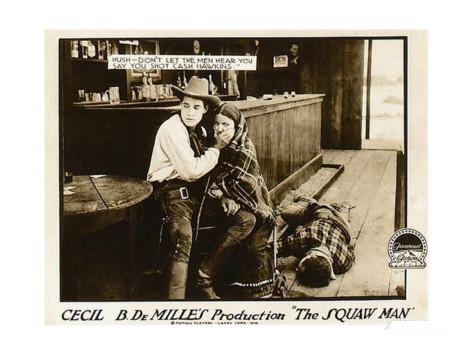
The journey westward is not merely geographical; it's a profound metamorphosis. Wynnegate sheds his English identity, adopting the moniker 'Jim Carston' and embracing the harsh realities of cowboy life. This transition is deftly handled, allowing the audience to witness his assimilation into a world devoid of the societal niceties and rigid class distinctions he once knew. It's in this new, unforgiving environment that he encounters Nat-U-Rich, a Ute woman, brought to life with a compelling blend of vulnerability and fierce independence by Ann Little. Their initial meeting is fraught with peril, a classic Western trope of mutual rescue from the clutches of the villainous Cash Hawkins (Noah Beery, in a role that foreshadows his later iconic villains). This shared crucible of danger forges an unbreakable bond, a connection that transcends language and cultural barriers.
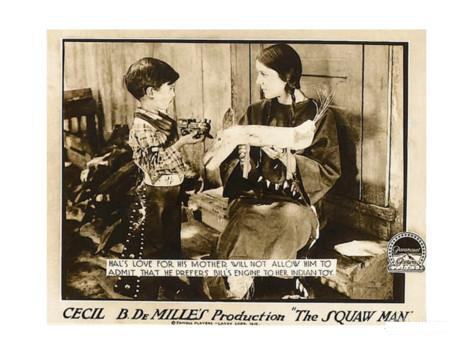
The romance between Wynnegate and Nat-U-Rich is, for its time, remarkably bold, though viewed through a contemporary lens, it carries the undeniable weight of the 'squaw man' trope, a narrative device often steeped in racial and cultural stereotypes. Yet, DeMille and writers Beulah Marie Dix and Edwin Milton Royle attempt to imbue their relationship with genuine affection and respect. Nat-U-Rich is not merely a conquest; she is a partner, a protector, and ultimately, a tragic figure caught between two worlds. Her devotion to Wynnegate and their half-breed son, Hal, becomes the emotional core of the film, a tender, fragile heart beating within a robust, adventurous frame. The film dares to depict an interracial marriage, an audacious move for 1918, reflecting a nascent, albeit often naive, exploration of cultural integration in American cinema.
DeMille’s direction, even in this early feature, exhibits a nascent mastery of visual storytelling. He uses the expansive Western vistas not just as a backdrop, but as an active participant in the drama. The vastness of the landscape mirrors Wynnegate’s isolation and the boundless freedom he finds, even as it underscores the cultural chasm between his past and present. The action sequences, particularly those involving Cash Hawkins, are executed with a kinetic energy that belies the film’s age, demonstrating DeMille's flair for exciting spectacle. The camera work, while rudimentary by modern standards, is effective in conveying emotion through close-ups and establishing shots that immerse the viewer in the narrative. In many ways, one can see the foundational elements of later, more polished DeMille epics taking shape here, a director learning to wield the nascent power of the medium.
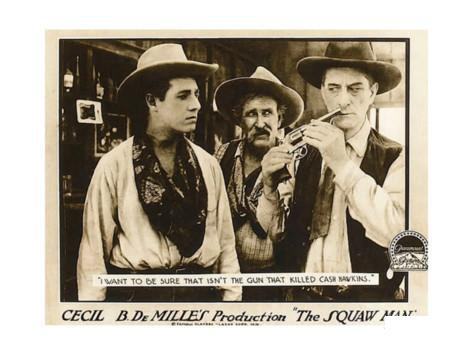
The supporting cast, though often overshadowed by the central tragedy, delivers strong performances that contribute significantly to the film’s texture. Theodore Roberts as the gruff but ultimately benevolent rancher, Big Bill, provides a foil to Wynnegate's aristocratic sensibilities, embodying the pragmatic spirit of the West. Noah Beery’s portrayal of Cash Hawkins is particularly memorable, a scowling, avaricious figure whose presence injects a tangible sense of menace into the frontier narrative. His villainy is uncomplicated, yet effective, serving as a catalyst for much of the film's early conflict and the formation of Wynnegate and Nat-U-Rich's bond. The ensemble works cohesively, creating a believable world, even when the narrative itself ventures into heightened melodrama.
The equilibrium of Wynnegate’s new life is irrevocably shattered by the arrival of Lady Diana (Katherine MacDonald), who brings news of Sir Henry’s death, making Wynnegate the new Earl of Kerhill. This plot twist, a classic device of inherited fortune and social obligation, forces Wynnegate to confront the past he so desperately tried to escape. The conflict between his love for Nat-U-Rich and his son, and the demands of his English heritage, becomes the central tragic dilemma. The film masterfully builds tension around this impending clash, allowing the audience to feel the weight of Wynnegate's impossible choice. Lady Diana, initially a harbinger of disruption, ultimately becomes a sympathetic figure, caught in the wake of Wynnegate's complicated life.
Nat-U-Rich’s ultimate sacrifice – her suicide – is a profoundly moving, albeit deeply unsettling, climax. It is a moment steeped in the tragic conventions of its era, where the 'othered' woman often meets a sorrowful end to facilitate the hero's return to his 'proper' place. Her act is born of a heartbreaking love for her son, a belief that her removal from the equation will grant him a better life in the English aristocracy. This is where the film’s problematic elements are most acutely felt; while the film attempts to portray her decision as one of agency and selflessness, it also reinforces a narrative where interracial love, particularly with a Native American woman, cannot ultimately be sustained within the dominant societal structures. It’s a gut-wrenching scene, rendered with a quiet desperation that transcends the lack of spoken dialogue, relying instead on Ann Little’s expressive performance and DeMille’s evocative staging.
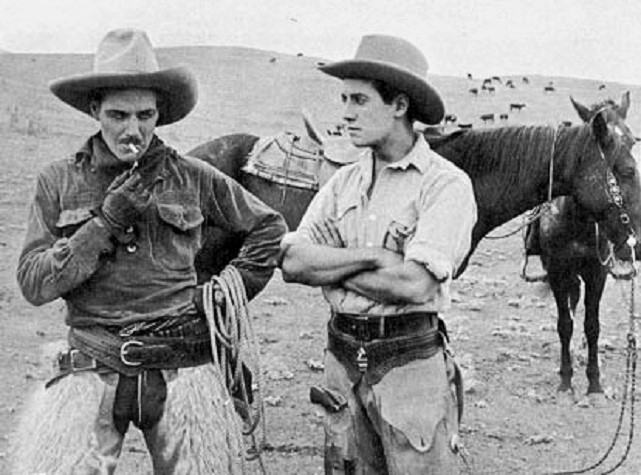
The film’s conclusion, with Wynnegate returning to England with his son and Lady Diana, is bittersweet. He has reclaimed his title, but at an immeasurable personal cost. The West, which offered him both refuge and love, also exacted a devastating price. The final images are imbued with a sense of melancholic resignation, a stark contrast to the initial escape. This ending, while perhaps conforming to the social expectations of the time, leaves a lingering question: what truly constitutes honor and happiness when one must sacrifice so much to attain a semblance of either? The film doesn't offer easy answers, instead opting for a complex, emotionally charged resolution that stays with the viewer long after the final fade to black.
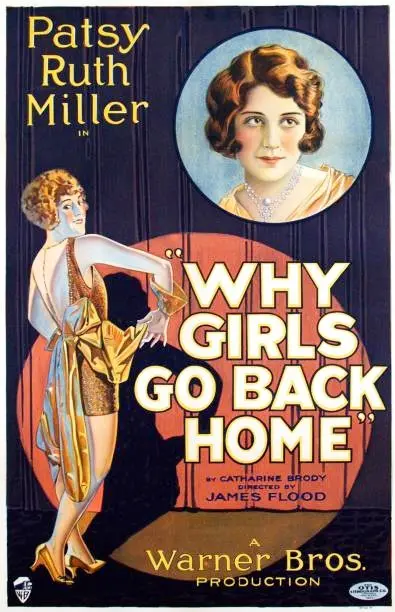
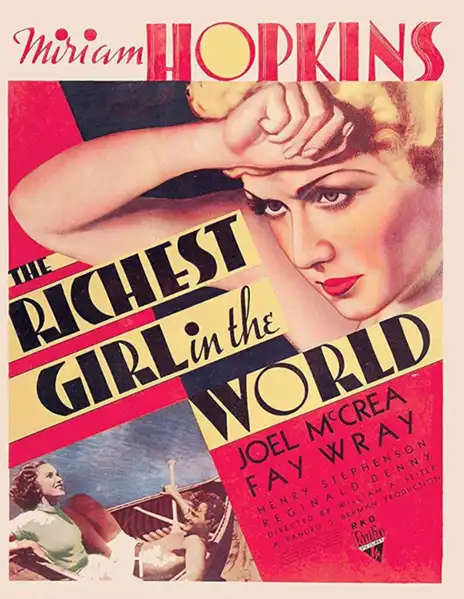
Comparing 'The Squaw Man' to other silent era films reveals its significant standing. While it lacks the sheer, unbridled chaos and anarchic spirit of a film like Hell's Hinges (1916), which revels in its Western grit and moral ambiguity, DeMille's film offers a more refined, if equally dramatic, exploration of similar themes of civilization versus wilderness and personal redemption. It shares with contemporary dramas like The Greatest Thing in Life (1918) a focus on profound human emotion and sacrifice, though DeMille's canvas is decidedly larger, encompassing both international and frontier settings. Its ambition in tackling such a sprawling narrative, complete with its cultural complexities and tragic romance, sets it apart from more straightforward melodramas of the period such as The Beautiful Lie (1917) or Silks and Satins (1916), which largely confined their dramatic stakes to more conventional domestic or social spheres. 'The Squaw Man' truly tried to bridge worlds.
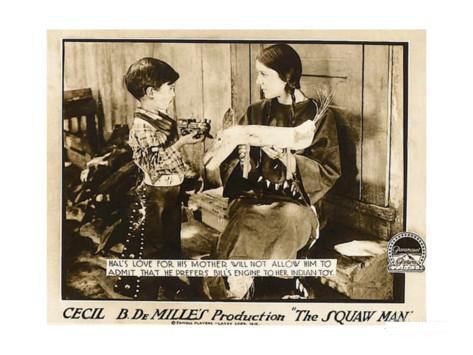
The film's legacy is multifaceted. As DeMille's first feature film, it not only launched one of the most prolific and successful directorial careers in Hollywood history but also established many of the narrative and stylistic conventions that would define the Western genre for decades. It demonstrated the commercial viability of feature-length films and the power of adapting popular stage plays to the screen. Furthermore, it sparked a fascination with the American frontier that would become a cornerstone of cinematic storytelling. The film's depiction of Native Americans, while progressive for its time in attempting to portray Nat-U-Rich with dignity, still operates within the confines of early 20th-century racial attitudes, a point that is crucial for modern viewers to acknowledge and critically assess. It's a lens through which we can understand not just the entertainment of the past, but also its social consciousness, or lack thereof.
The performances are a cornerstone of the film's enduring appeal. Elliott Dexter, as Wynnegate, conveys a quiet strength and moral fortitude that anchors the entire narrative. His internal struggle between duty and desire is palpable, communicated through subtle gestures and expressive eyes, a hallmark of skilled silent acting. Ann Little’s Nat-U-Rich is equally compelling, her character's journey from spirited independence to tragic resignation is rendered with an emotional depth that transcends the limitations of intertitles. Her performance is a powerful reminder of the artistry that flourished in the silent era, capable of conveying complex emotions without uttering a single word. The chemistry between Dexter and Little, though muted by the film's tragic trajectory, is undeniable, making their eventual separation all the more poignant.
From a technical perspective, DeMille’s early work here showcases a developing understanding of film grammar. The use of natural light in the outdoor sequences lends an authenticity to the Western setting, while the interior scenes, though more theatrical in their staging, are carefully composed. The editing, while not as rapid-fire as later films, is deliberate, allowing scenes to breathe and emotions to register. The intertitles, which served as the narrative voice of silent films, are well-crafted, providing necessary exposition and character insight without overwhelming the visual storytelling. One can almost imagine the live orchestra that would have accompanied the film, its swells and crescendos amplifying the on-screen drama, particularly during moments of high tension or profound sadness.
In retrospect, 'The Squaw Man' is a fascinating study in early cinematic ambition. It attempts to blend the genteel drama of British aristocracy with the rugged adventure of the American frontier, creating a narrative tapestry that is rich in contrast and conflict. The film grapples, however imperfectly, with themes of racial prejudice, social ostracization, and the relentless pull of destiny. It highlights the often-impossible choices individuals face when caught between disparate cultural expectations and personal desires. While some aspects of its storytelling may feel dated, particularly its handling of indigenous characters, its core themes of honor, sacrifice, and the search for belonging remain timeless and universally resonant.
The enduring power of 'The Squaw Man' lies not just in its historical significance as DeMille's inaugural feature, but in its ability to evoke strong emotional responses even today. It's a film that asks profound questions about identity and belonging, about the price of integrity and the limits of love. It’s a testament to the fact that even in its earliest forms, cinema possessed the capacity to transport audiences to other worlds, to stir their emotions, and to reflect, however imperfectly, the complex tapestry of the human experience. Watching it now is to witness a pivotal moment in film history, a grand, sweeping narrative that laid crucial groundwork for the cinematic epics that would follow, forever shaping how stories are told on the silver screen. It's a journey worth taking, a poignant reminder of where it all began, and how far we’ve come.
IMDb —
1926
Community
Log in to comment.