DbcultAccessing Vault...
Cult Review
Senior Film Conservator
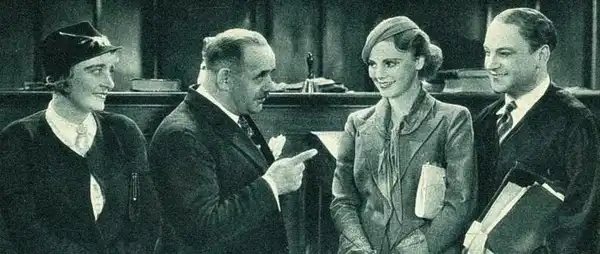
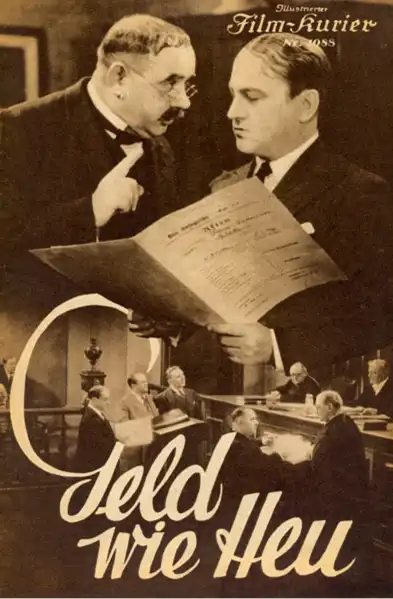
"Prosperity Crooks" might not be everyone's cup of tea for a casual Tuesday night. If you're the kind of person who enjoys digging into really old movies, especially those German dramas from the late 1920s, then yeah, there's definitely something here to peek at. But if you're looking for modern pacing or just, you know, talking? This one's probably going to feel like a bit of a slog. 🕰️
The core idea here, two shady real estate types trying to pin a theft on some poor law clerk, is pretty classic. It's that old-school villainy, where you just know who the bad guys are from the moment they smirk at the camera. One of them, I think it was Walter Steinweg's character, had this over-the-top sneer that just lingered. You could practically hear the evil organ music. 😈
Then there's the framed clerk, played by Hans Adalbert Schlettow. He has that classic wide-eyed innocence, almost too much so. Every time he looked confused or hurt, it felt like the director was trying to dial up the pathos to eleven. It’s hard to tell if he’s genuinely bewildered or just a bit slow on the uptake.
The real heart of the film, though, kicks in when Heinrich Schroth's attorney character steps up. He's not flashy, no big speeches, but he moves with this quiet determination. There’s a scene where he’s just looking at some documents, and the camera just stays on his face. He's thinking, really putting the pieces together. It’s a moment that really makes you feel the stakes, even without any dialogue.
You can tell they were really trying to make the stakes feel heavy for the poor framed guy. One shot of him, just sitting in what looks like a holding cell, head in hands. It’s a short shot, but it really hammers home the injustice. Maybe a little too on-the-nose, but it works.
The real estate agents, they're not exactly subtle. Their office looks pristine, almost too clean, which is a nice touch for people doing dirty work. There’s a bit where one of them glances nervously at the door, and that small movement, that twitch, actually tells you more about their guilt than any intertitle could.
And the courtroom scene? It's not the rapid-fire arguments we see today. It’s more about the slow reveal. Schroth's character just lays out the facts, one by one. The camera cuts to the faces of the jurors, then back to the agents, whose smugness slowly cracks. It’s satisfying, but boy, does it take its time getting there.
Sometimes the pacing feels a bit... stiff. Like, someone walking across a room takes a good five seconds. You get used to it, but then you wonder what other bits they could've packed in if they sped up. It's a reflection of the era, I guess, but still.
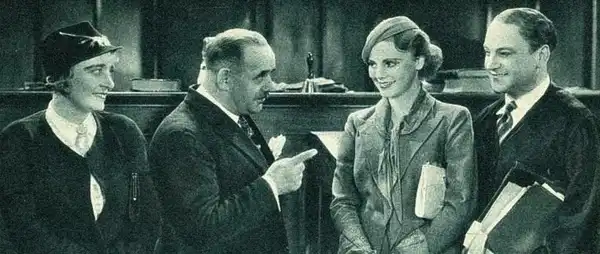
Sabine Peters, as a supporting character, doesn’t get a ton to do but her presence is quite sweet. She offers this hopeful counterpoint to all the legal drama. Her smile, even in a quick shot, just brightens things up a bit. A small, but nice, anchor.
What really stuck with me was a weird little detail: the way people handed over papers. Every time a document exchanged hands, it was this very deliberate, almost theatrical gesture. It happened like three or four times, and by the end, it was kinda funny. 😂
The ending is a bit neat, maybe too neat. Everything wraps up with a bow. But you know, for a film from the 20s, you almost expect that kind of clear-cut justice. It leaves you feeling good, even if it feels a little rushed after all that slow build-up.
It’s an interesting peek into how stories were told back then. Not always smooth, definitely has its quirks, but it's got a certain charm if you're patient enough to find it.
IMDb 6.4
1916
Community
Log in to comment.