DbcultAccessing Vault...
5.1/10
Senior Film Conservator
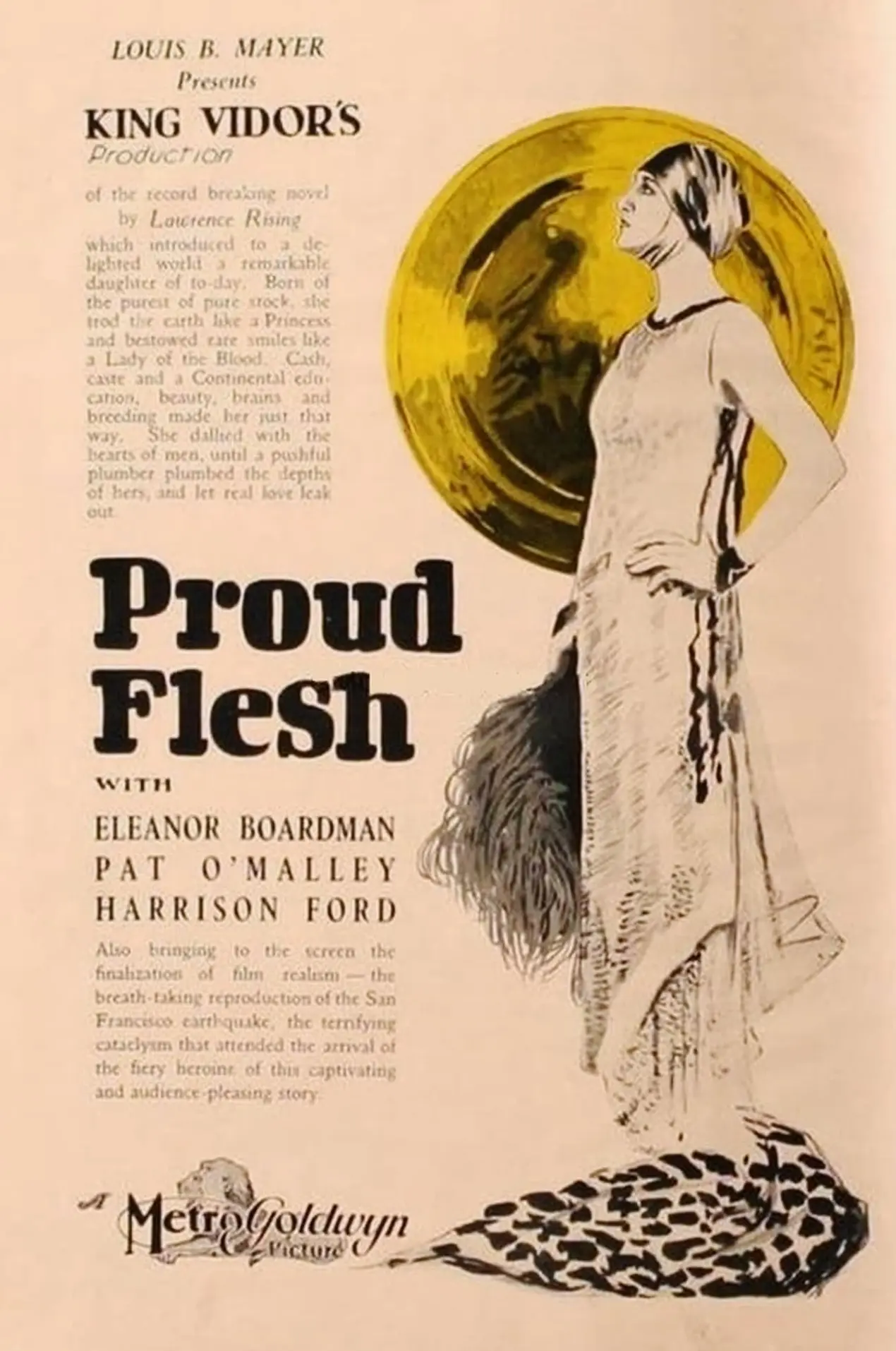
A definitive 5.1/10 rating for a film that redefined the boundaries of cult cinema. Proud Flesh remains a cornerstone of transgressive art.
Set in the transitional period of early 20th-century America, Proud Flesh presents a nuanced exploration of class dynamics and personal aspirations through the lens of a romance that defies the conventions of its time. The film, directed with a blend of elegance and social satire, stars Rosita Marstini and Priscilla Bonner, whose chemistry as the aristocrat and the plumber, respectively, is palpable and engaging.

The narrative unfolds against a backdrop of societal upheaval, with the protagonist, played by Rosita Marstini, returning to the United States after a formative period in Spain. Her arrival is marked by a sense of both alienation and curiosity as she navigates the stark contrasts between her European upbringing and the bustling, industrial American landscape. Marstini’s performance is particularly noteworthy for its subtlety, capturing the protagonist’s emotional turmoil and inner strength without resorting to melodramatic flourishes.

Priscilla Bonner, as the plumber, brings a grounded and relatable quality to the role. Her character’s resilience and practicality serve as a counterpoint to the aristocrat’s initial disorientation and discomfort. The chemistry between the two actors is a testament to the film’s ability to create a believable and compelling on-screen relationship. Their interactions often highlight the film’s central theme of bridging the gap between different social classes, a poignant reflection of the era’s shifting values and evolving societal norms.

The supporting cast, including notable figures such as Joan Crawford, adds depth to the narrative. Crawford’s role, although less prominent, contributes to the film’s rich tapestry of characters. The screenplay, penned by Agnes Christine Johnston, Joseph Farnham, Marian Ainslee, Harry Behn, and Lawrence Irving Rising, is a masterclass in subtext and character development. It delves into themes of love, independence, and the struggle to reconcile personal desires with the expectations of one’s social status.

The film’s visual aesthetics are as timeless as its narrative. The cinematography captures the stark contrasts between the opulence of the aristocrat’s past and the everyday realities of the plumber’s present. The use of natural light and shadow creates a sense of depth and emotion, enhancing the film’s ability to convey the characters’ internal struggles. The set designs, reminiscent of the period, provide a tangible sense of the era, immersing the viewer in the film’s world.
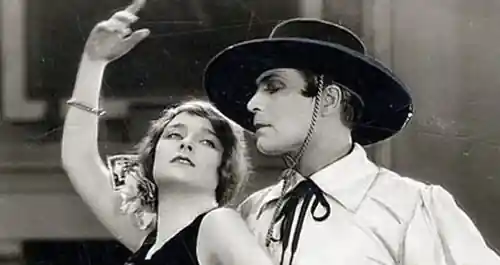
One of the film’s most striking aspects is its social commentary. It subtly critiques the rigid class structures of the time, suggesting that true love and happiness are not bound by social status. This theme is reinforced through the characters’ interactions and the subtle nods to the societal norms of their era. The film’s dialogue is sharp and insightful, often touching on the complexities of human relationships and the challenges of bridging class divides.
Technically, Proud Flesh is a remarkable achievement. The editing is precise, allowing for seamless transitions between scenes and maintaining a consistent flow throughout the narrative. The score, although perhaps not groundbreaking, complements the film’s tone and adds an emotional layer to the proceedings. The film’s pacing, while maintaining a balance between exposition and character-driven moments, ensures that the audience remains engaged from start to finish.
When compared to contemporaneous films such as Going Straight, The Little Diplomat, and In the Spider's Grip, Proud Flesh stands out for its more introspective and character-centric approach. While these films often focus on action and external conflicts, Proud Flesh prioritizes internal struggles and the development of relationships. This focus on emotional depth and character growth is a hallmark of the film and sets it apart from its peers.
Moreover, Proud Flesh offers a unique perspective on the early 20th-century American experience. It provides a window into a time of significant social and economic change, capturing the hopes, fears, and aspirations of its characters. The film’s ability to blend historical context with personal narratives creates a powerful and enduring work of art.
Overall, Proud Flesh is a film that resonates on multiple levels. It is a love story, a social commentary, and a snapshot of a pivotal moment in American history. Its enduring appeal lies in its ability to connect with audiences across generations, offering a timeless exploration of human emotions and the universal quest for fulfillment and happiness.
IMDb 5.3
1921
Community
Log in to comment.