DbcultAccessing Vault...
Cult Review
Senior Film Conservator
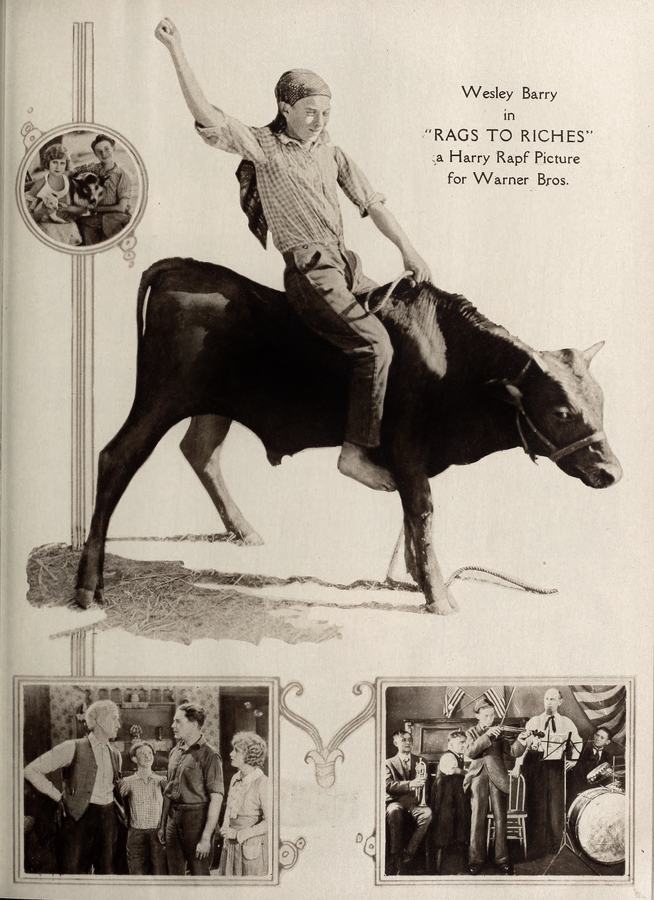
A champagne flute hurled into a back-alley bonfire—Rags to Riches is that shatter, that hiss, that upward curl of smoke you can almost smell.
Picture 1923: Wall Street swells jitterbug across mahogany bars while newsboys hawk headlines about bootleggers and body-snatchers. Into this chiaroscuro steps our unnamed protagonist, played by James Quinn with the porcelain arrogance of a prince who has never been refused a second helping. The camera loves the way his ivory spats hesitate at a puddle—an entire cosmology of entitlement in one pristine pause. Then the iris-in closes like a carnivorous flower and spits him onto Essex Street where Dick Sutherland’s hulking street-king measures worth not by trust funds but by the bruises you’re willing to absorb for the pack.
The film’s visual grammar is a restless child: superimposed tenement shadows crawl across Quinn’s linen collar; negative flashes during the kidnap sequence invert his face into a death-mask, hinting that identity itself is reversible.
Eulalie Jensen, as a missionary socialite trying to drag souls up from the gutter, drifts through frames like an exhaled prayer. She mistakes Quinn’s fall for redemption-in-progress, but the movie is too cynical for Sunday-school uplift. Every act of charity carries the stench of self-congratulation; every coin she presses into a ragamuffin’s palm clangs like a judge’s gavel condemning the poor to stay picturesque.
Meanwhile Snitz Edwards—that pocket-sized gargoyle of silent comedy—pilfers scenes as a pickpocket who teaches Quinn the etiquette of larceny: how to caress a watch-chain the way a violinist strokes a Stradivarius. Their tutorial unfolds inside a shuttered trolley car, windows fogged by breath and larceny, while Russell Simpson’s hobo philosopher chalks epigrams on the wood: "Wealth is fear with cufflinks."
But the crucible arrives when the gang, suspecting fifth-column treachery, votes to test the aristocrat with a sham kidnapping orchestrated by corrupt riverfront cops. Cue the most expressionistic passage in William Nigh’s direction: a moonlit pier, ropes that snake like copperheads, a burlap hood swallowing the last glint of Quinn’s privileged smirk. The Hudson’s black water becomes a liquid obsidian mirror reflecting nothing—nihilism at 18 frames per second.
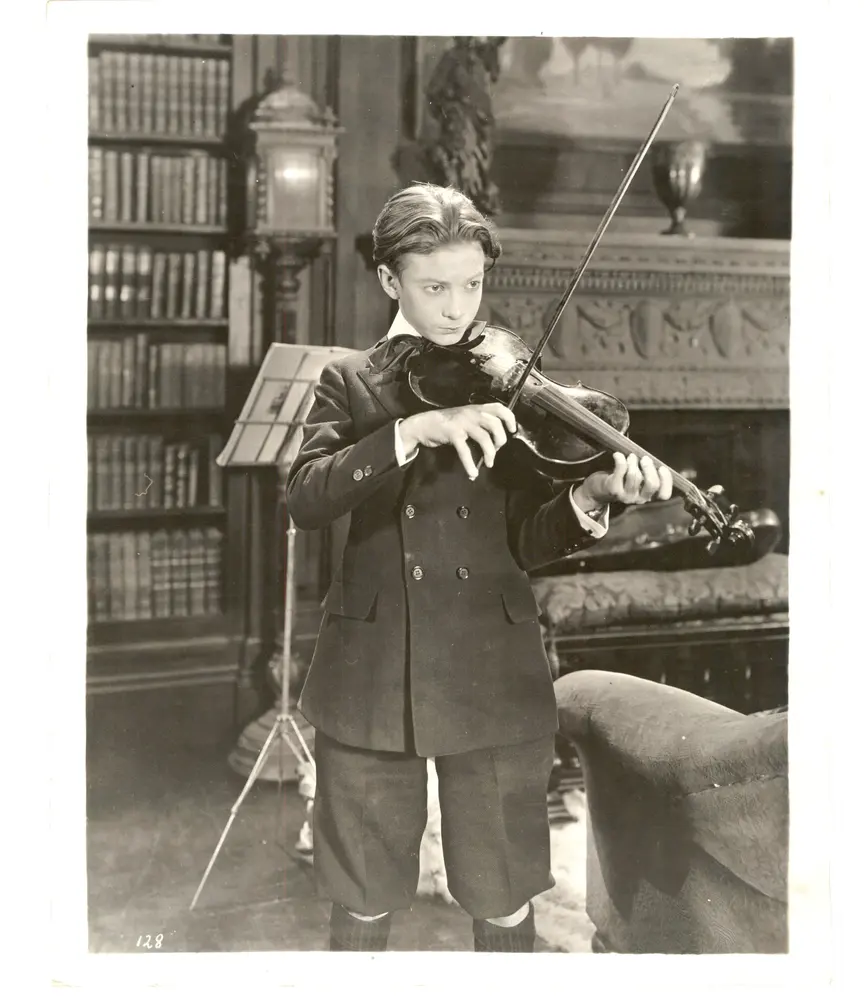
Editors splice in documentary footage of actual harbor lights, creating a flicker so jarring it feels like the celluloid itself is hyperventilating.
What rescues the picture from mere social melodrama is its refusal to grant catharsis. Quinn escapes not because noble blood prevails but because Wesley Barry’s newsboy—eyes like spent matchheads—chooses solidarity over bounty. Their handshake at the end is so tentative it seems to question whether alliance across classes is anything more than a temporary cease-fire.
Compare it to The Ransom where abduction becomes a moral ledger balancing saintly parents against snarling villains, or to Fate’s Frame-Up whose every misfortune feels predestined by a smug omniscient narrator. Rags to Riches offers neither absolution nor cosmic punchline, only the chill recognition that survival is an artisanal craft honed by those who can’t afford failure.
Performances oscillate between stylized pantomime and proto-neorealist abrasion—Quinn’s eyebrows arch like cathedral flying buttresses while Jensen’s eyelids flutter with the fatigue of someone who has read too many social-work pamphlets.
The screenplay, credited to a quartet of scribes including pulp maestro Walter DeLeon, crackles with Jazz-Age argot that predates Sunset Sprague’s hard-boiled vernacular by a good three years. Intertitles appear on scraps of cardboard, butcher paper, even a flattened cigarette tin—each texture a reminder that words themselves are scavenged from the city’s detritus.
Cinematographer Charles A. Taylor lenses tenement corridors with wide-angle lenses that distort brick into shark teeth; then, without warning, he swaps to telephoto compression during rooftop chases so chimney pots seem to jostle like commuters. The result is visual vertigo, a metropolis that respires menace.
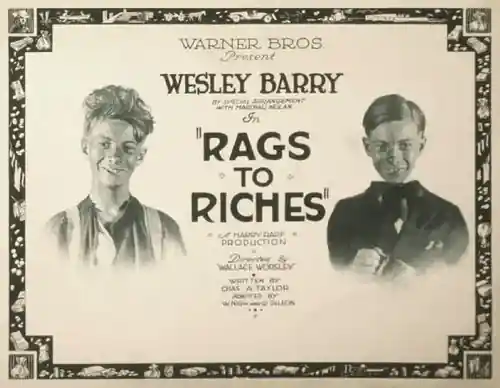
Note the amber tint of the surviving 16 mm print—probably struck for the South American market—where shadows glow like cognac held to candlelight, lending each scratch the aura of antiquarian manuscript.
As for gender politics, Ruth Renick’s waterfront bar-girl is no pearl-clutching ingénue; she negotiates desire with the transactional bluntness of a stockbroker. When Quinn fumbles a kiss she slaps him so hard the intertitle simply reads: "Tuition." Yet the film stops short of feminist triumph—her agency is solvent only within the gang’s phallic economy, a limitation the narrative exposes without correcting.
Sound-era viewers who stumble across this artifact often complain about its lack of musical cue sheets. I counter: the silence is orchestral. Listen to the projector’s mechanical heartbeat, the faint crackle of nitrate decay—it is the city’s pulse, the same arrhythmia that haunts Jesse James Under the Black Flag and Harakiri. The absence of orchestrated violins forces you to supply your own inner dissonance.
Restoration geeks should hunt the 2018 Eye Filmmuseum 4K; their digital plumbing reveals background graffiti reading "Coolidge owes us"—a sly editorial from projectionists unpaid during the Harding recession.
Is the finale redemptive? Quinn, now coatless, returns to his Park Avenue townhouse only to bolt from the butler’s obsequious bow. He rides the El back downtown, pressed against window glass like a specimen slide. The last shot freezes on his reflection superimposed over the gang’s cellar door—two geographies occupying the same celluloid plane, identity split rather than synthesized. No violins, no iris-out, just a slow fade to black that feels like a door slamming on your own fingertips.
To dismiss Rags to Riches as a moralistic fable about slumming patricians is to ignore its corrosive intelligence. It anticipates Das Phantom der Oper’s tragic masquerade and Dukhovnye ochi’s spiritual vertigo, yet roots its existential dread in the prosaic cruelty of American inequality. The film doesn’t preach; it corrodes. Long after the credits—well, the final intertitle—you taste rust on your tongue, as if your own silver spoon has begun to oxidize.
Seek it out not for historical footnote but for visceral disquiet. Let the gutter water soak your spats. Let the burlap hood blot your reflection. And when the lights rise, notice how the exit sign glows like a copper coin dropped in a beggar’s hat—payment for a truth you didn’t want to own.
IMDb 6.8
1932
Community
Log in to comment.