DbcultAccessing Vault...
6/10
Senior Film Conservator
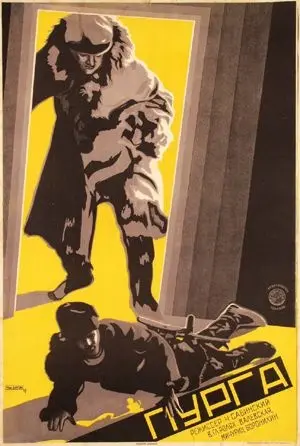
A definitive 6/10 rating for a film that redefined the boundaries of cult cinema. Purga remains a cornerstone of transgressive art.
Is 'Purga' a film that demands your attention in the crowded landscape of modern cinema? Short answer: yes, but with significant caveats. This early 20th-century Russian drama is a challenging, often bleak experience, yet it offers a raw intensity and a depth of psychological exploration that remains compelling.
It’s a film for those who appreciate slow-burn character studies, stark realism, and the power of atmosphere over overt action. However, if you seek fast-paced narratives, clear-cut resolutions, or uplifting themes, 'Purga' will likely test your patience and leave you cold.
'Purga,' a title evocative of both a blizzard and a cleansing, throws its audience headfirst into the merciless grip of a Siberian winter. The narrative unfolds within the claustrophobic confines of a remote outpost, where a disparate group of individuals finds themselves trapped. There's Mikhail (Michael Putyata), the stoic, almost unreadable local guide whose silence speaks volumes; Gennadiy (Gennadiy Michurin), the pragmatic engineer, whose calculated demeanor slowly gives way to desperation; Yelena (Zoya Valevskaya), a young woman shrouded in mystery, whose presence adds a layer of emotional fragility; and Boris (Fyodor Bogdanov), an aging prospector whose cynical wisdom offers grim comfort.
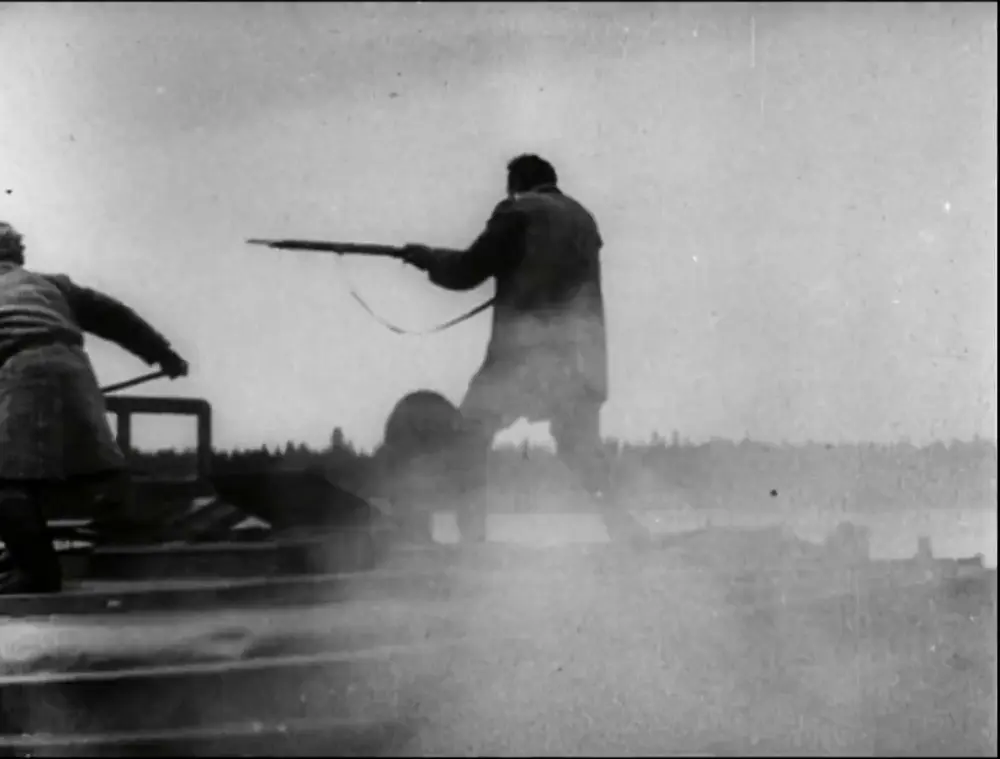
The initial conflict is simple: survival against the overwhelming forces of nature. Food dwindles, fuel runs low, and the blizzard rages outside, a constant, tangible threat. But Scheglov, with a keen eye for human frailty, quickly pivots. The true drama isn't just about outlasting the storm; it's about enduring each other.
As days bleed into weeks, the outpost transforms from a sanctuary into a pressure cooker. Old prejudices simmer, suspicions fester, and the psychological toll of isolation begins to manifest in subtle, then overt, ways. The film delves deep into themes of human resilience, the erosion of civility, and the terrifying realization that the greatest danger might not be the cold outside, but the darkness within.
Scheglov masterfully uses the setting not merely as a backdrop, but as an active antagonist. The vast, empty whiteness outside mirrors the internal desolation of the characters. It's a bleak canvas upon which the struggle for sanity and connection is painted with stark, unforgiving brushstrokes. The story is less about plot twists and more about the slow, agonizing unraveling of individuals pushed to their absolute limits.
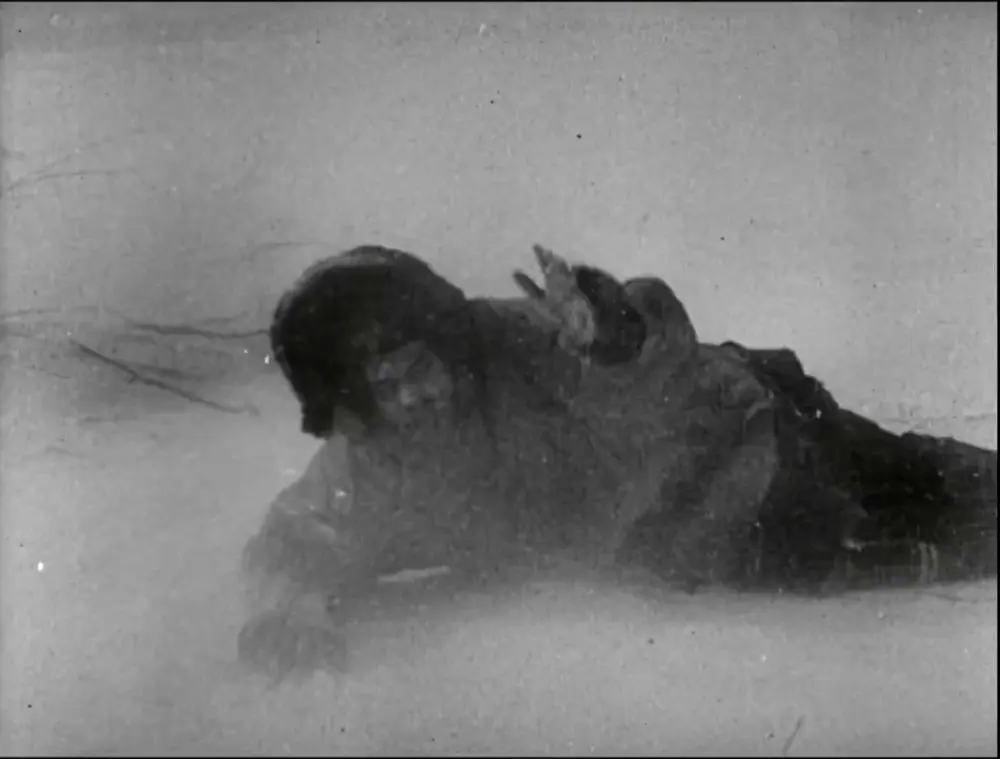
One particularly striking element is the film's portrayal of hope – or the lack thereof. Unlike many survival narratives that build towards a triumphant rescue, 'Purga' often flirts with nihilism, suggesting that some situations are simply beyond human control. This makes for an unsettling, yet profoundly honest, viewing experience. It's a film that asks uncomfortable questions about what truly defines us when everything else is stripped away.
The success of 'Purga' hinges almost entirely on the shoulders of its small ensemble cast, and they deliver performances that are nothing short of captivating. Without the benefit of extensive dialogue or overt emotional displays, these actors convey a world of inner turmoil through subtle gestures, haunted eyes, and the sheer weight of their screen presence.
Michael Putyata, as Mikhail, is the film's silent anchor. His portrayal is a masterclass in understated power. He rarely speaks, yet his every glance, every slow movement, communicates a deep understanding of the unforgiving environment and a quiet, weary resolve. There's a scene where he simply stares out into the blizzard, his face etched with a lifetime of hardship, and in that moment, he encapsulates the entire struggle of man against nature. It's a profoundly human performance that grounds the more volatile emotions of the other characters.
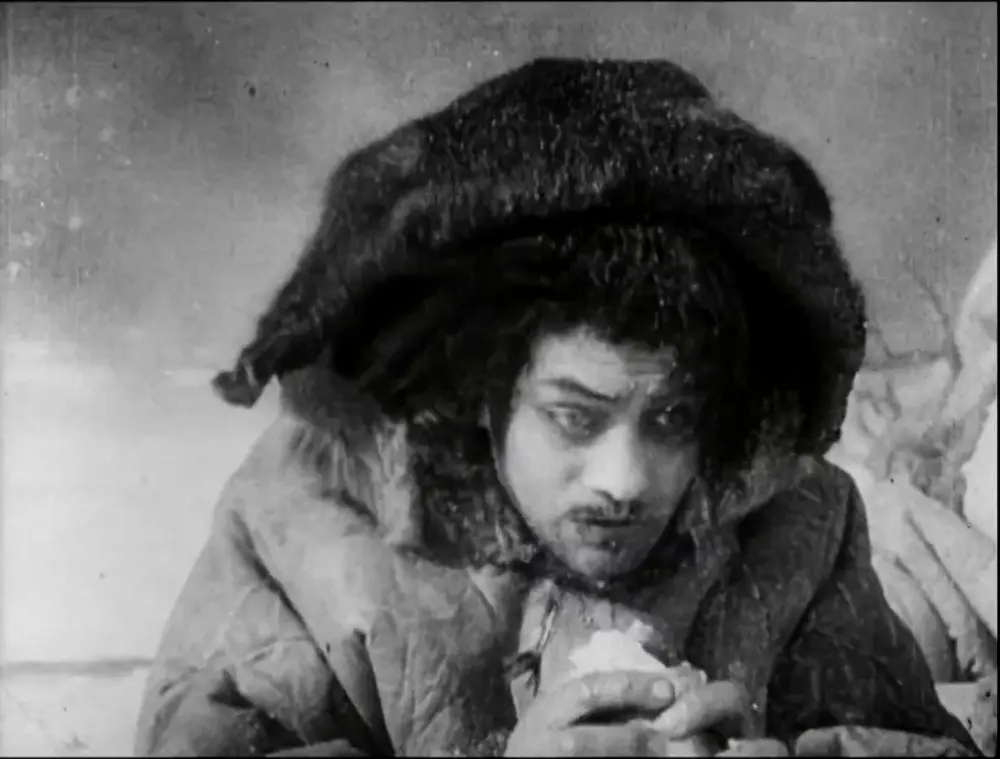
Gennadiy Michurin, as the engineer Gennadiy, provides a compelling counterpoint. He begins as the voice of reason, the man of science, but as the situation deteriorates, his composure cracks. Michurin expertly navigates this descent, showing the quiet desperation that gnaws at a logical mind when logic offers no solutions. His increasingly frantic attempts to ration supplies, juxtaposed with the growing futility of his efforts, are heartbreaking to witness.
Zoya Valevskaya, as Yelena, brings a much-needed vulnerability and a touch of enigma to the group. Her performance is delicate yet impactful, hinting at a past that haunts her, even as the present threatens to consume her. There’s a particular moment where she attempts to sing a lullaby, her voice thin and trembling against the howl of the wind, which serves as a stark reminder of the humanity being lost in the white void. It's a brave, unvarnished portrayal of fragility.
Fyodor Bogdanov, as Boris, injects a dose of weary cynicism that, surprisingly, often provides a strange form of comfort. His fatalistic pronouncements, initially grating, gradually become a stark, if unpleasant, truth. Bogdanov imbues Boris with an almost philosophical resignation, a man who has seen too much and expects too little. His dry delivery, even in the face of despair, is a testament to his character's enduring, if bleak, spirit.
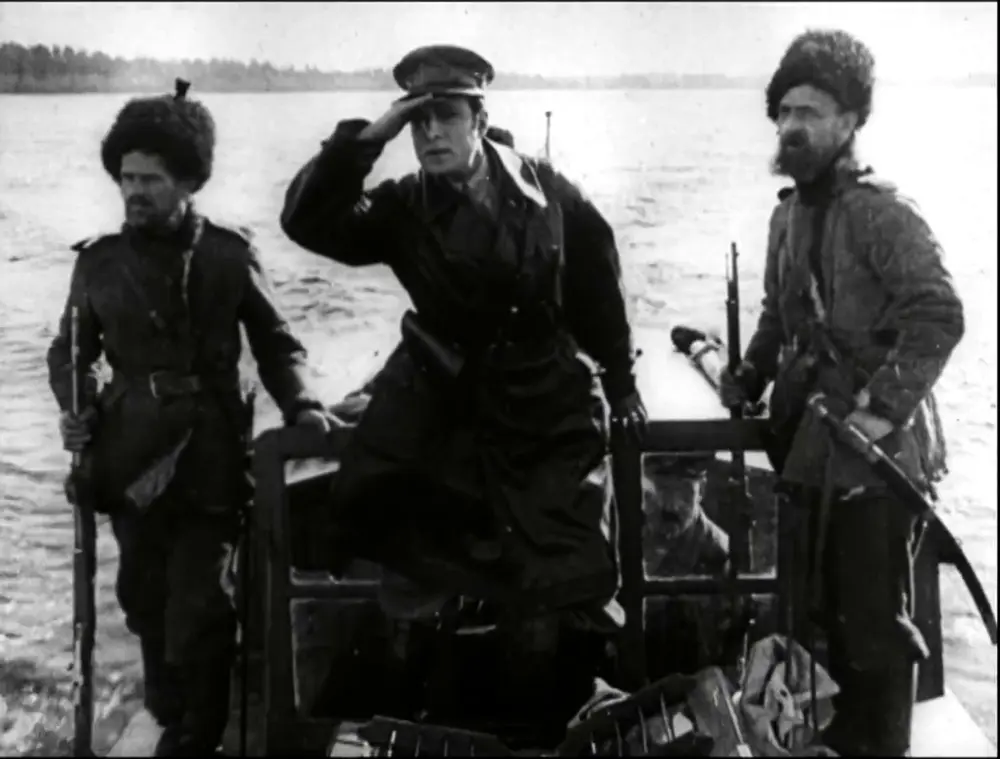
The ensemble’s chemistry, or rather the deliberate lack of it, is what makes their dynamic so compelling. They are not friends, not family, but strangers bound by circumstance. Their interactions are often tense, punctuated by long silences and unspoken grievances. This uncomfortable realism is a hallmark of the film and a testament to the actors’ ability to inhabit their roles completely, making their struggles feel incredibly authentic.
Dmitry Scheglov, as both writer and director, crafts a vision that is as bleak as it is beautiful. 'Purga' is a masterclass in atmospheric filmmaking, where the environment itself becomes a character, dictating the mood and pace of the entire narrative.
The cinematography is stark and unforgiving, utilizing the vast, desolate landscapes of Siberia to emphasize the characters' isolation. There are wide shots that dwarf the human figures against towering snowdrifts and endless skies, making them seem insignificant, almost swallowed by the elements. Conversely, close-ups within the cramped outpost heighten the sense of claustrophobia and tension. The use of natural light, often dim and shadowy, contributes to the oppressive, desperate tone, making every flicker of a lamp feel like a precious, fleeting victory against the encroaching darkness.
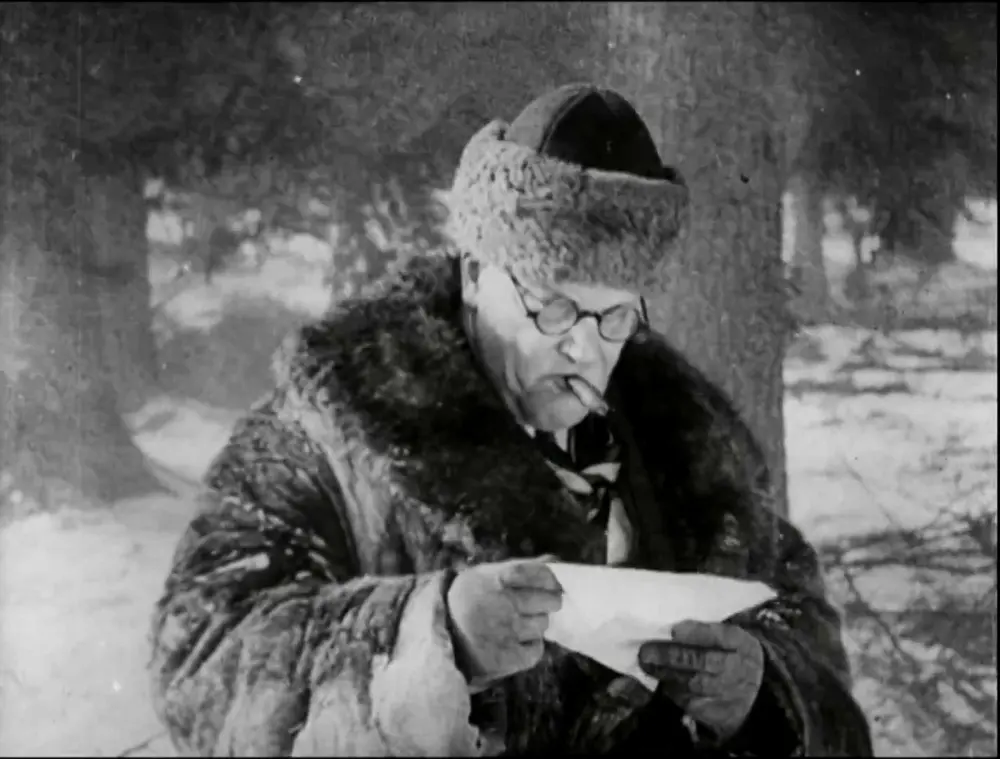
Pacing is perhaps the most defining characteristic of Scheglov's direction. 'Purga' is not a film that rushes. It takes its time, allowing moments of silence and stillness to linger, forcing the audience to sit with the characters in their discomfort. This deliberate, almost meditative, pace can be challenging for modern viewers accustomed to rapid-fire editing, but it is essential to the film's impact. It allows the psychological dread to build organically, slowly tightening its grip, much like the blizzard itself.
The tone is consistently grim, yet never entirely devoid of humanity. Scheglov avoids cheap scares or melodramatic outbursts, opting instead for a quiet, creeping sense of despair. Even in moments of extreme tension, the film maintains a grounded realism that makes the characters' struggles feel deeply authentic. This isn't a Hollywood survival tale; it’s a raw, unvarnished look at human endurance.
One unconventional observation is how Scheglov uses sound, or the lack thereof, to great effect. Beyond the howl of the wind, the film is often remarkably quiet, amplifying the smallest sounds within the outpost – the creak of wood, the scrape of a spoon, the heavy breathing of a sleeping man. This auditory minimalism draws the viewer deeper into the characters' isolated world, making their shared silence almost deafening. It's a brave choice in an era often defined by grand orchestral scores.
Scheglov's direction is confident. He trusts his actors and his audience to engage with the material on a deeper level, to appreciate the nuances of a story told through mood and suggestion rather than explicit exposition. While it may not be for everyone, his vision for 'Purga' is undeniably singular and impactful, proving that a powerful story doesn't always need an elaborate plot, but rather a profound understanding of the human condition.
This film isn't just about surviving; it's about the erosion of the self under an unbearable weight. It works. But it’s flawed.
'Purga' is not an easy film to recommend universally, nor is it one that will leave you feeling particularly uplifted. It is, however, a profoundly affecting and remarkably crafted piece of early cinema that deserves its place in the canon of survival dramas. Dmitry Scheglov's vision is uncompromising, delivering a raw, unvarnished look at human endurance against both the brutal forces of nature and the insidious erosion of the human spirit.
Its greatest strength lies in its ability to immerse you completely in its bleak world, making you feel the biting cold, the gnawing hunger, and the creeping paranoia alongside its characters. The performances, particularly from Putyata and Michurin, are compelling studies in stoicism and desperation, elevating the material beyond a simple struggle for life.
While its deliberate pacing might deter some, those willing to surrender to its rhythm will find a rich, thought-provoking experience. It’s a film that lingers long after the credits roll, its icy grip on your imagination proving surprisingly tenacious. If you are prepared for a journey into the heart of darkness, wrapped in a blanket of snow, then 'Purga' is an essential, if chilling, watch. It reminds us that sometimes, the most terrifying monsters are not those in the shadows, but those we carry within ourselves, brought to light by the stark reality of survival.
IMDb 7.4
1927
Community
Log in to comment.