DbcultAccessing Vault...
Cult Review
Senior Film Conservator
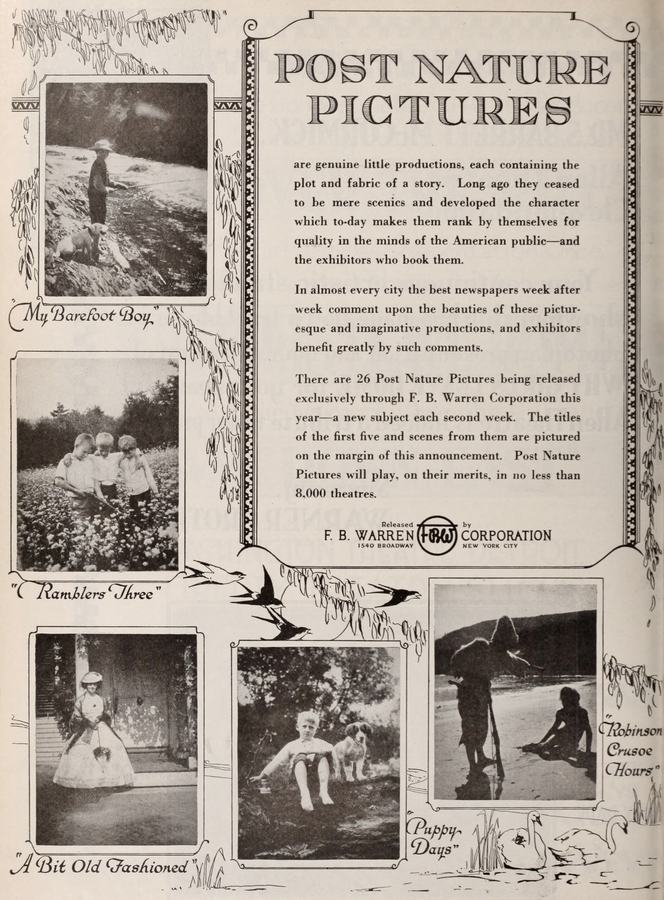
There’s a moment—forty-three minutes in—when the camera simply stares at a peach pit spinning on a dashboard. Sunlight knocks the windshield into cathedral shards; the boys argue whether the kernel resembles a brain or a tiny heart. That hush, pregnant with cicadas and possibility, is the marrow of Ramblers Three, a film that refuses to behave like anything currently streaming between rehashed capes and algorithmic jump scares.
Director Linden Jaye, previously a graffiti artist turned ethnographer, treats Twain’s template the way jazz cats treat My Funny Valentine: he fractures the melody until only the ghost of river rebellion remains. The screenplay—credited to the pseudonymous duo C.L. & Q.—reads like found poetry: half shoplifted detention notes, half whispered bedtime lies. Their boys never namedrop Huck; they inhabit him, the way kids once inhaled radio serials, the way pixels now inhale them.
Jaye’s camera language is deliriously tactile: Super-8 grain swarms every frame like gnats; focus drifts so depth of field becomes a moral stance—backgrounds liquefy while faces stay shard-sharp, as if childhood itself were the only reliable aperture.
Casting is witchcraft. The three leads—Ramon O’Connell (Pete), Juno Park (Jamie), and first-timer Lyle Santos (Finch)—were discovered in a Kansas City skate park. Their dialect is pure flyover elastic: “yessir” stretches into ironic opera; cusswords arrive with hesitant vowels, like they’re testing hot water. They negotiate risk the way other kids trade Pokemon, and every failed stunt leaves a metaphysical bruise.
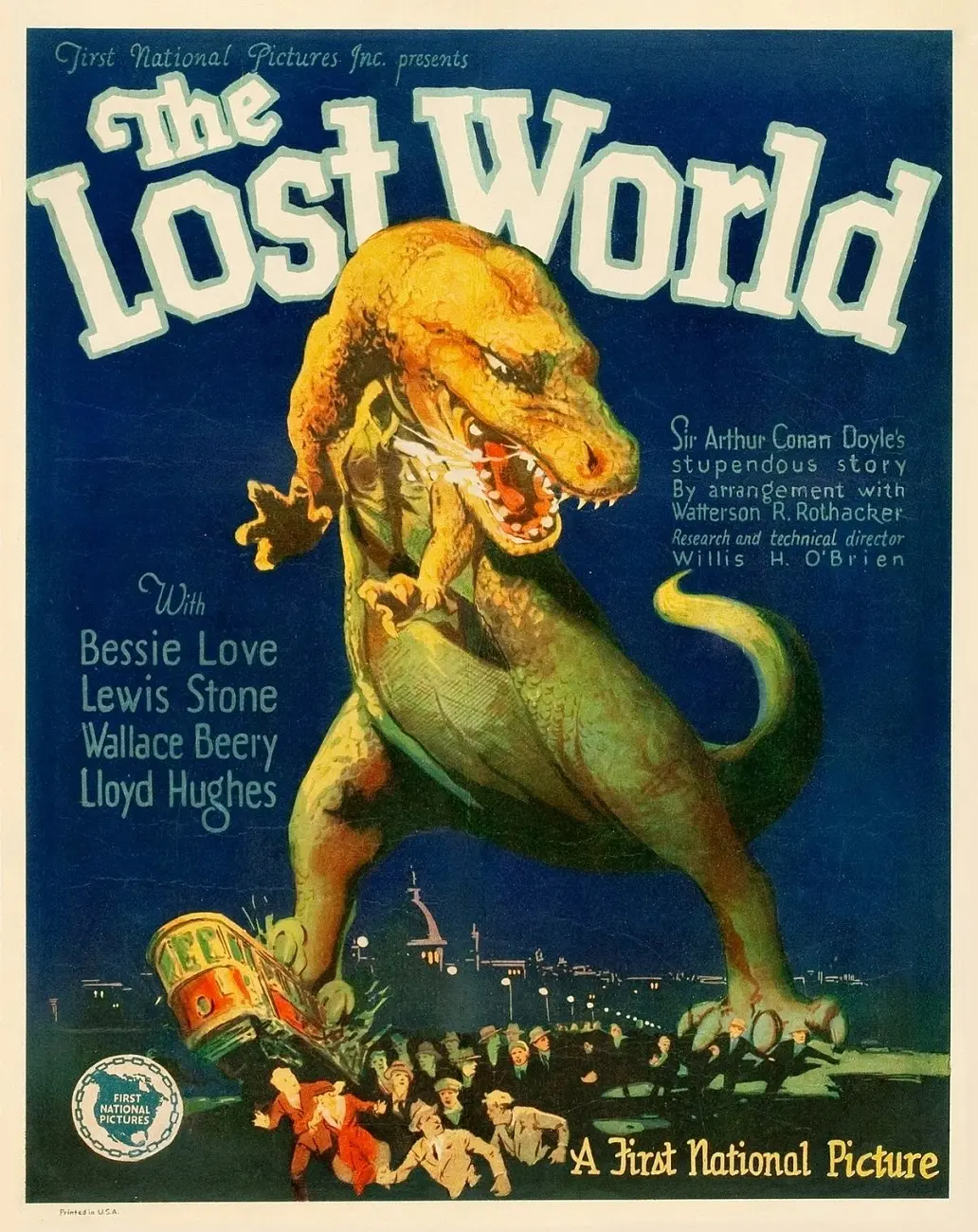
Compare it to The Adventurer and you’ll see how far cinema has back-flipped: where that 1917 short flattened morality into custard pies, Ramblers Three thickens it. The boys’ theft of a golf cart isn’t slapstick; it’s a referendum on private property shot at golden hour, wheels squealing like capitalist pigs. Later, when they trespass a foreclosure, the camera lingers on a realtor’s sign flapping like a surrendering flag—an echo of Other People’s Money but stripped of boardroom cigar stink.
Sound design deserves its own essay. Crickets are pitch-shifted until they mimic dial-up modems; distant trains become Gregorian chants. Silence, when allowed, falls like verdicts.
Narrative spine? Ostensibly a road movie minus the road: the boys’ orbit is ten square miles of strip-mall cosmos. Yet each location mutates into mythic topology—Target parking lot = Black Sea; drainage tunnel = Cyclops cave. Twain’s river is replaced by infrastructure: culverts, fiber-optic trenches, the ghosted Interstate that was never finished because the county ran out of bond money. In that aborted concrete serpent the kids discover what might be the last undiscovered country in America.
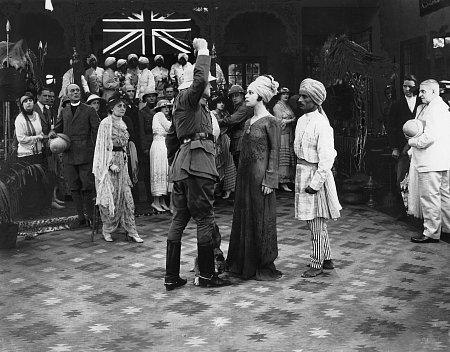
Gender politics simmer rather than preach. Jamie (female, but the boys never treat her “female”—she’s just Jamie) engineers their most baroque heist: swapping price tags so a big-box scanner sells a 4K TV for $7.11. When a security guard grabs her wrist, she spits out a line worthy of Wollstonecraft: “Your badge is plastic; my pulse isn’t.” The moment vibrates with 2020s anxieties yet stays rooted in character, unlike the didactic pamphleteering that hobbled Believe Me, Xantippe.
Critics will compare the finale to Stand by Me—kids finding a corpse—but Jaye pulls a darker, more generous sleight. The corpse they stumble upon is a drowned coyote, ribs blooming like white piano keys. They bury it, hold a funeral with fireworks instead of hymns. No epiphany, no tearful group hug—just the recognition that the world too is a runaway, barefoot and blistered.
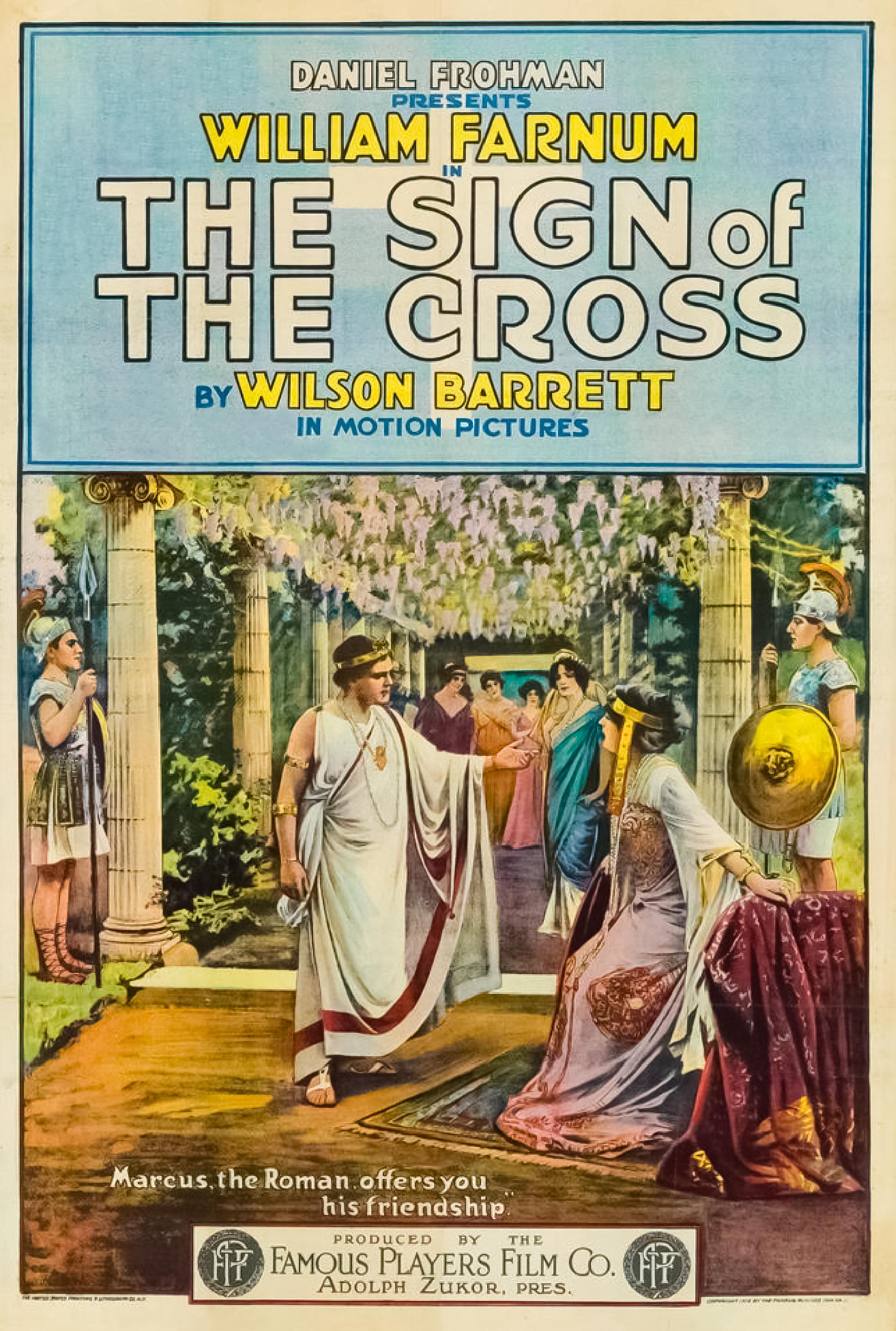
Visually, the palette is rust, nicotine, and pops of popsicle. Cinematographer Béla Farkas shoots dusk as if it were a chemical equation: orange vapor plus sodium streetlights equals bruised lavender. The aspect ratio toggles between 1.33 and 1.85 depending on the boys’ emotional altitude; when they feel caged, black bars squeeze like parental hands. Compare this elasticity to the static tableaux of Marriage and you’ll grasp how form can throb with content.
Score? Glitch-folk: banjo loops fractured through Max/MSP, heartbeat kick drums, field recordings of arcade cabinets flat-lining. Composer Mitsuko Yui cites Harry Partch and early Nintendo cartridges; the resulting pastiche makes you feel nostalgia for a memory you never lived, a trick also attempted—less successfully—by Louisiana.
Performances oscillate between improvisation and surgical precision. Ramon O’Connell’s Pete carries a pendant made from his dead dog’s license tag; when he tongues it during silences, grief becomes palpable without exposition. Lyle Santos delivers a six-minute monologue about tornado preparedness that would make Tarkovsky swoon—camera inches from his sweat, world shrinking to the uvula’s tremor. Juno Park, meanwhile, wields deadpan like a switchblade; when she says “Growing up is just gentrification of the soul,” the line hangs, lethal.
Script structure is Möbius: the first scene replays at the end, but now we know the peach pit was once a full fruit, shared four ways including the camera. That re-contextualization hits harder than any twist Shyamalan ever microwaved.
Social commentary? Embedded, not stapled. A vignette involving an ICE billboard becomes a throwaway gag—Finch sharpies a mustache on the model’s face—yet the image festers. Later, the boys encounter a migrant worker camp; they trade soda for tamales, language barriers dissolved by courtesy. No white-savior redemption arc, just transactional dignity. Contrast that with the preachy histrionics of Who’s Your Brother? and Jaye’s restraint feels revolutionary.
Editing rhythms mirror short-attention-span TikTok culture without enslaving themselves to it. Cuts stutter like buffering streams, then stretch into 30-second oners where dragonflies steal focus. The effect is synesthetic: you taste aluminum, feel humidity swell your socks. It’s the antithesis of the polite grammar governing The Price of Silence.
What flaws exist? A mid-film fantasy sequence—boys piloting a cardboard spaceship—winks too hard at Michel Gondry, yanking us from the vérité pact. And the sheriff subplot, though minimal, carries whiffs of Netflix algorithm: “Add stakes—maybe cop chase?” Yet these are mosquito bites on a rhino haunch.
By the time the credits crawl, white font on black, you realize you haven’t checked your phone for 104 minutes. That alone constitutes miracle. The film doesn’t bid you depart with a moral; instead it passes you a peach, half-eaten, sticky with June. Juice runs down your wrist, and you’re certain it’s the river, still arguing with itself, syllable after syllable.
Verdict: mandatory viewing for anyone who once was, or still is, a trespasser in their own hometown. Five errant stars, or better—three boys sailing a shopping cart into the long neon nowhere.
IMDb —
1934
Community
Log in to comment.