Summary
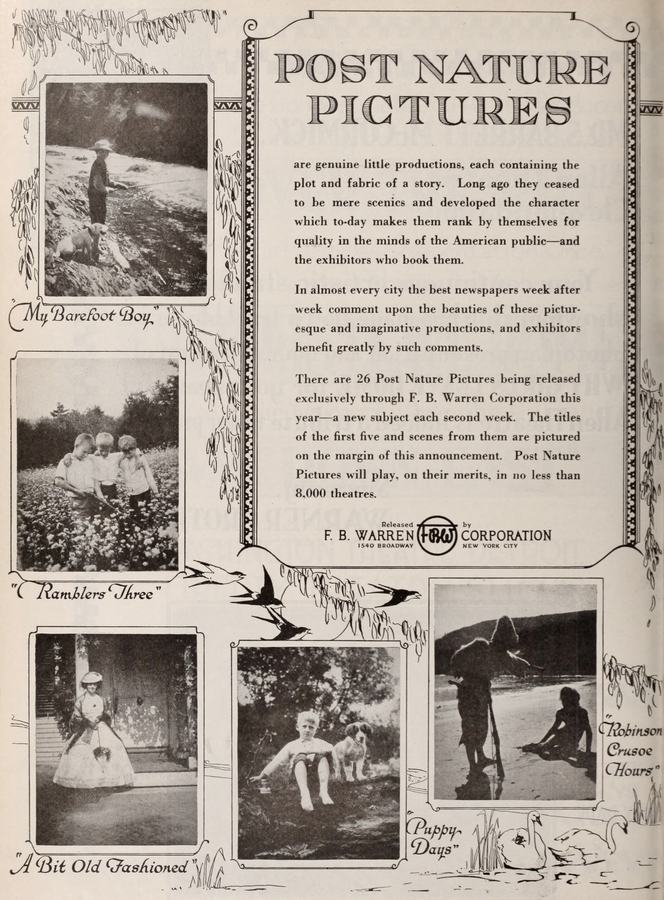
A sun-bleached raft of celluloid drifts down a contemporary Mississippi of the mind: three boys—lungs still sticky with milk and metaphysics—devour Twain’s mildewed gospel, then bolt from the cul-de-sac cathedral of homework and helicopter parents. Their pilgrimage begins in a suburban junkyard where chrome fenders glint like crusader shields; they cobble a go-cart christened The Widow Douglas, its wheels wobbling like drunk astrolabes. Across scorched cornfields and echoing overpasses they careen, stealing peaches, sabotaging golf-course sprinklers, bartering VHS tapes for night-campfire beans. Each prank is a stanza in a homemade epic: they forge railroad tickets, bamboozle a rent-a-cop with Shakespearean flourish, release shelter dogs in a mall at midnight so kennel-kennel-kennel becomes hallelujah-hallelujah-hallelujah. When the eldest—freckles constellated like Cassiopeia—confesses he can’t swim, the trio builds a secret pier of stolen lumber, dunking themselves into moon-silvered water until fear unclenches. Yet the adult world, that rusted machine, rumbles closer: truant officers, mothers wielding cellphones like pistols, a local news van hungry for cautionary tales. The final gambit is pure Twain inverted: instead of lighting out for the territory, they tunnel backward, burrowing beneath their own homes to plant time-capsules—marbles, comic books, a Polaroid of the sky—sealing childhood like a letter never meant to be mailed. The closing shot freezes on three silhouettes against sodium dusk; the raft is gone, but the river keeps arguing with itself, syllable after syllable, long after the projector clicks off.
The influence of "Huckleberry Finn" is shown by three boys who, after reading pages of "Huck" decide to emulate him in his adventurous and mischievous pranks.
Review Excerpt
"
There’s a moment—forty-three minutes in—when the camera simply stares at a peach pit spinning on a dashboard. Sunlight knocks the windshield into cathedral shards; the boys argue whether the kernel resembles a brain or a tiny heart. That hush, pregnant with cicadas and possibility, is the marrow of Ramblers Three, a film that refuses to behave like anything currently streaming between rehashed capes and algorithmic jump scares.
Director Linden Jaye, previously a graffiti artist turned ethnogra..."