DbcultAccessing Vault...
6.6/10
Senior Film Conservator
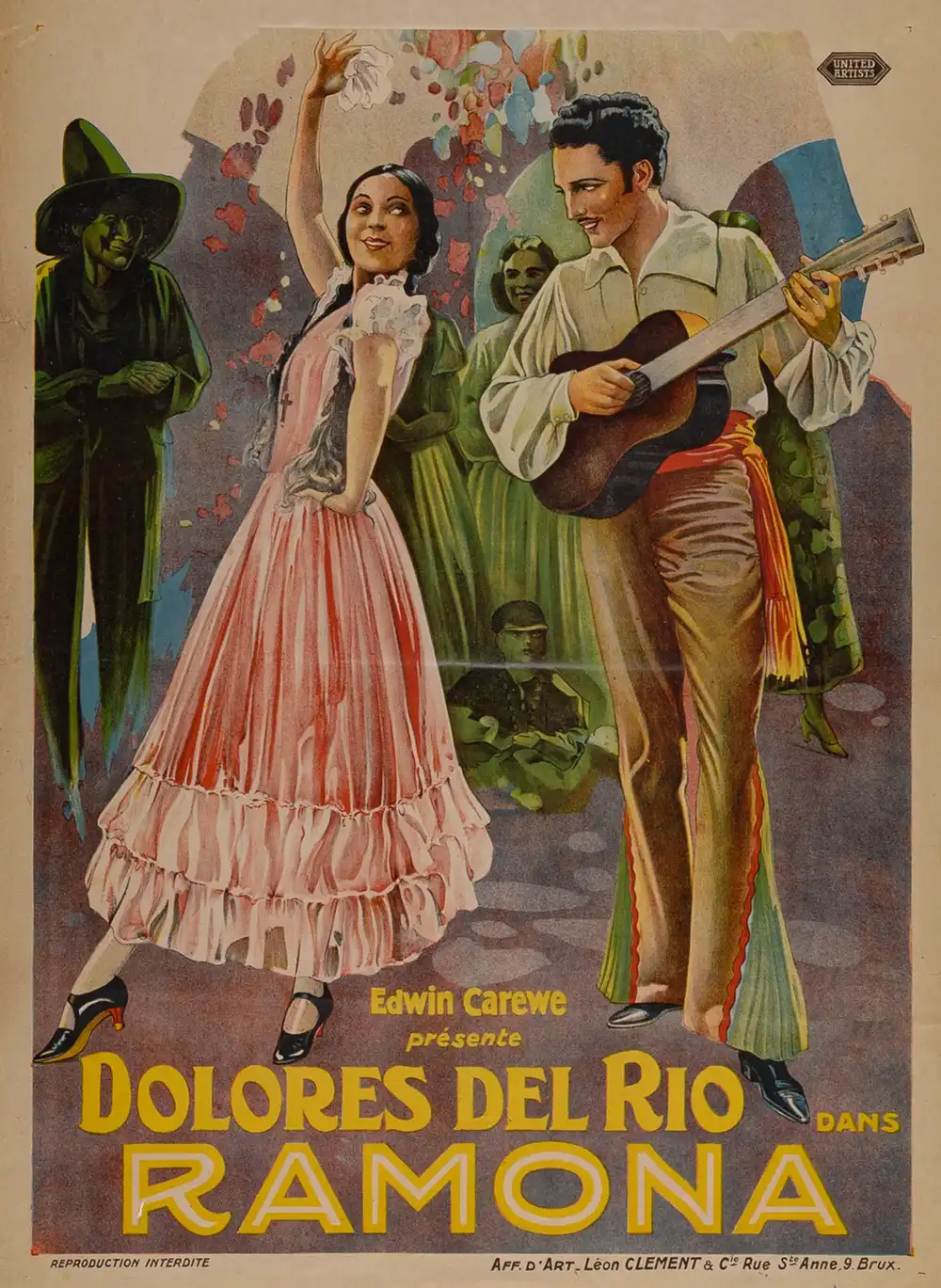
A definitive 6.6/10 rating for a film that redefined the boundaries of cult cinema. Ramona remains a cornerstone of transgressive art.
Is Ramona (1928) worth watching today? For most casual viewers, probably not. This silent melodrama, one of several adaptations of Helen Hunt Jackson’s influential novel, moves at a pace that will test modern patience, and its portrayal of Native American life, while attempting sympathy, is inescapably filtered through a problematic early 20th-century lens. However, for silent film enthusiasts, students of early Hollywood’s engagement with social issues, or those interested in the career of the captivating Dolores Del Río, there’s a compelling, if flawed, experience to be had. Those expecting a fast-paced narrative or nuanced cultural commentary will likely find it a challenging watch.
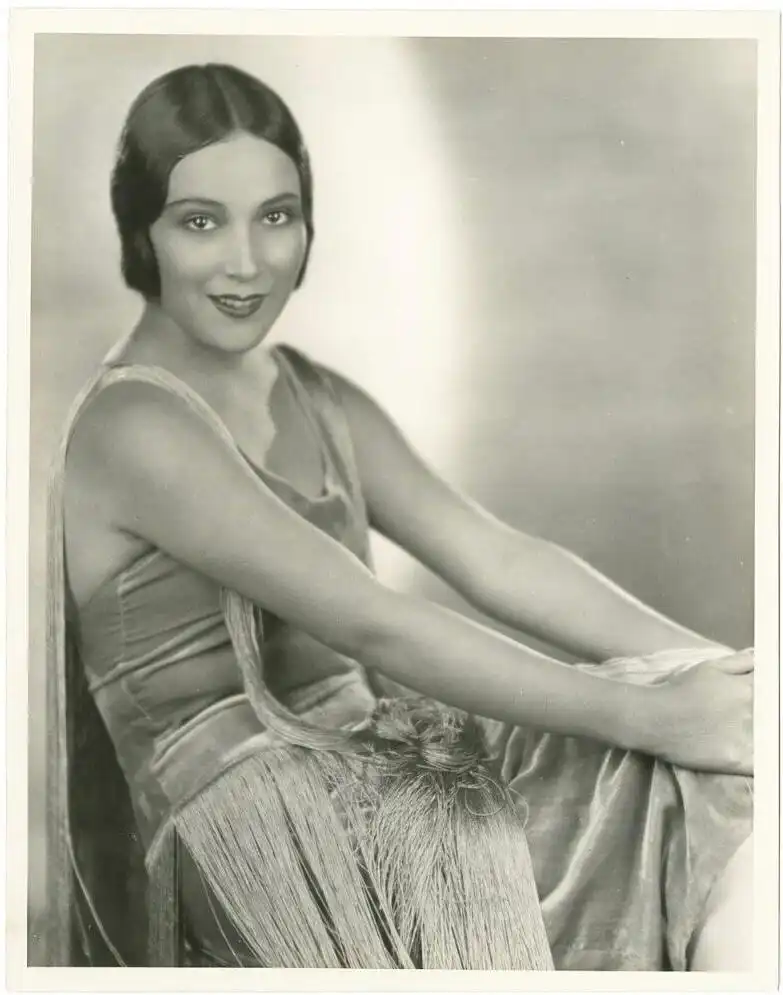
The clear anchor of Ramona is Dolores Del Río. Even without spoken dialogue, her presence is magnetic. She carries the film’s emotional weight with a grace and intensity that transcends the sometimes-stiff conventions of silent acting. Her Ramona is a figure of quiet defiance, her expressive eyes conveying a world of longing, sorrow, and determination. In the film’s opening scenes, living in her adoptive home, her constrained posture and subtle glances betray an inner turmoil even before the central conflict is explicitly stated. You see her discomfort in the opulent settings, a stark contrast to the freedom she finds later.
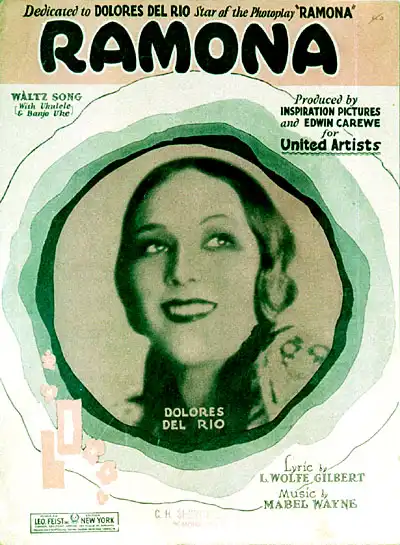
When she first encounters Alessandro, played by Warner Baxter, the chemistry, though communicated through glances and gestures, is palpable. Del Río’s performance during their courtship, particularly in scenes where they share quiet moments outdoors, feels genuinely tender. There's a recurring visual motif, subtle but effective, of Ramona's hands – often clasped, wringing, or reaching – that Del Río uses to communicate her internal turmoil in a way that goes beyond her expressive face. This is particularly noticeable in the scene where she first confesses her love for Alessandro, her fingers almost dancing with anxiety against her shawl, adding a layer of physical vulnerability.
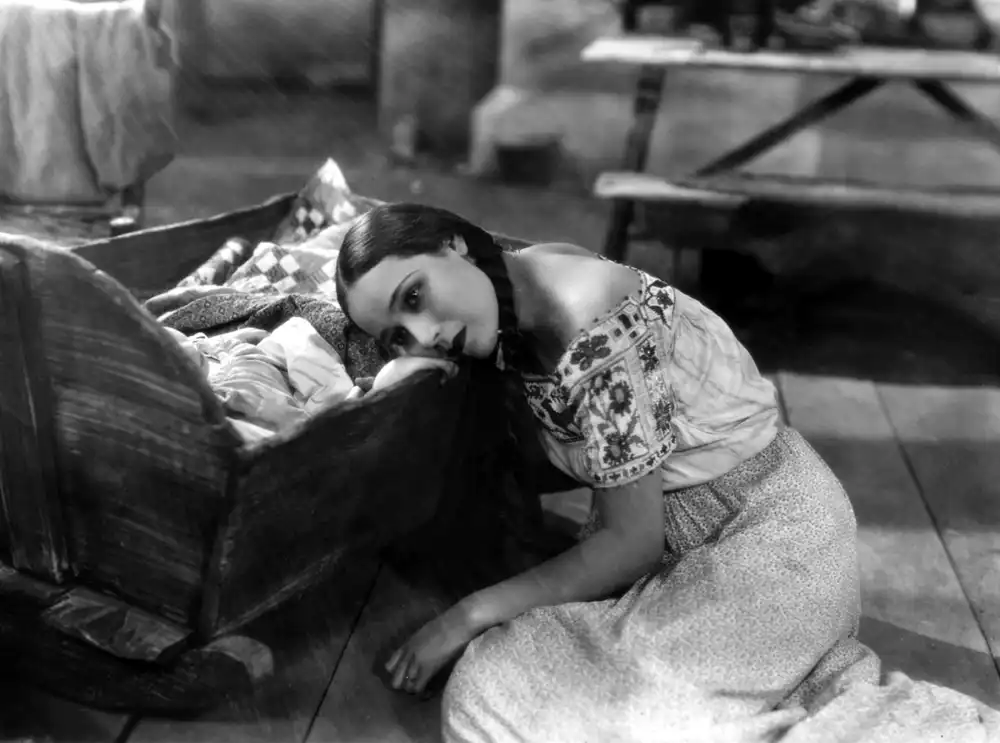
Warner Baxter, as Alessandro, delivers a performance that, while earnest, feels less layered than Del Río’s. He embodies the noble, wronged hero effectively, but his expressions often lean towards a broader, more theatrical style typical of the era. The supporting cast largely serves their dramatic functions without much depth, though the sternness of Vera Lewis as Ramona’s foster mother, Señora Moreno, is effectively chilling without resorting to outright villainy. And of course, Jean the Dog, a canine star of the era, makes a memorable appearance, providing a few moments of genuine warmth and loyalty that cut through the melodrama.
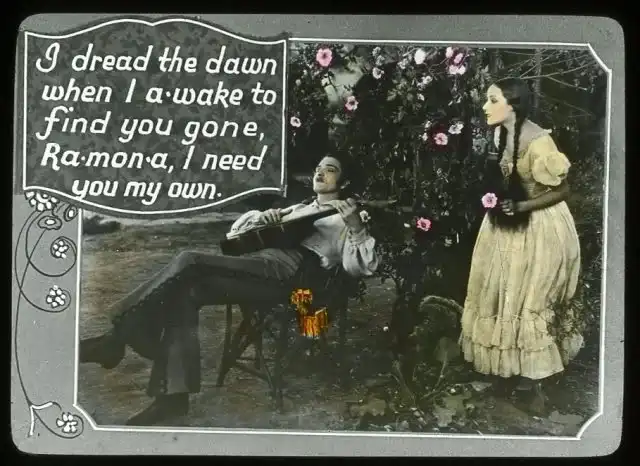
As with many films from the silent era, Ramona demands patience. The pacing is deliberate, allowing scenes to unfold with extended reaction shots and dramatic pauses that modern audiences are unaccustomed to. This isn't necessarily a flaw, but a characteristic of the period. However, there are moments where the narrative momentum flags, particularly in the middle section of the film as Ramona and Alessandro face repeated displacements. The sequence of their forced moves from one meager dwelling to another, while narratively important, stretches out, making the hardship feel more repetitive than cumulative.
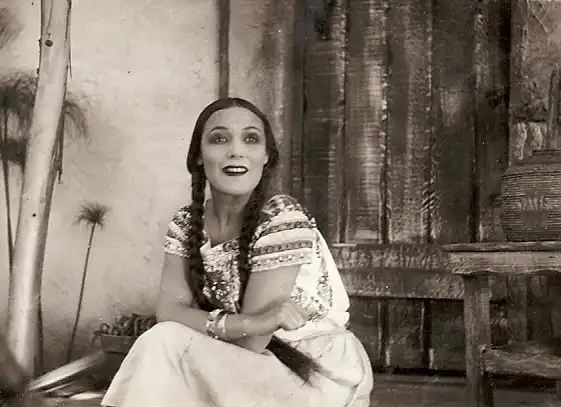
The film’s tone shifts between idyllic romance and stark social commentary. The early scenes at the Moreno rancho have a pastoral beauty, establishing a world Ramona must abandon. The shift to the harsher realities of life for Native Americans is abrupt and often heartbreaking. The film doesn't shy away from depicting the injustices – land theft, violence, and the systemic oppression – but it frames these issues primarily through the lens of Ramona and Alessandro’s personal tragedy. The melodrama works best when it focuses on their emotional struggle against these external forces, rather than when it attempts broader social critiques, which feel somewhat superficial despite the earnest intent.
Visually, Ramona benefits from its Southern California setting. The cinematography often captures the sweeping landscapes and sun-drenched vistas with an impressive scope, particularly in outdoor shots of horseback riding or the wide-open spaces that symbolize both freedom and vulnerability. The contrast between the grandeur of the Moreno estate and the humble, often dilapidated, dwellings of Alessandro’s people is visually striking and effectively conveys their diminishing circumstances.
However, the film’s depiction of Native American culture is, predictably, a product of its time. While there's an attempt to portray Alessandro’s people with dignity, the costumes and set designs for the tribal encampments often feel like theatrical approximations rather than authentic representations. The visual language relies heavily on exaggerated gestures and facial expressions, a necessary component of silent film acting, but one that occasionally pushes scenes into unintentional camp for contemporary viewers. The intertitles, while generally clear, sometimes break the flow of the visual narrative, pulling you out of the moment. One particular scene, involving a confrontation with a group of white settlers, suffers from slightly awkward staging and editing, making the escalating tension feel less organic than intended.
The undeniable strength of Ramona lies in Dolores Del Río’s performance. She elevates the material, making Ramona’s plight genuinely moving. The film also serves as an important historical document, reflecting both the progressive intentions of its source material (to highlight injustices) and the limitations of its era in terms of representation. There are moments of genuine emotional impact, particularly in the quieter scenes between Ramona and Alessandro, or the tragic climax that underscores the futility of their struggle.
Its primary weakness, for a modern audience, is its dated sensibility. The pacing, as mentioned, can be a hurdle. More significantly, the film’s romanticized and often stereotypical portrayal of Native Americans, while perhaps sympathetic for its time, feels simplistic and problematic today. The melodrama occasionally veers into excess, and certain plot developments rely on contrivance rather than organic character choices. The film attempts to highlight the plight of indigenous peoples but ultimately frames it through a tragic romance, which can feel like it sidesteps deeper engagement with the systemic issues at hand.
Ramona (1928) is a film best approached with an understanding of its historical context. It is not a lost masterpiece, nor is it a film that will resonate universally today. However, for those willing to engage with the conventions of silent cinema and look past its dated elements, it offers a poignant, if imperfect, window into early Hollywood’s social conscience and the enduring star power of Dolores Del Río. If you’re a fan of silent-era melodramas or curious about the cinematic portrayal of this particular chapter of American history, it’s worth seeking out. Otherwise, there are more accessible and less problematic entry points into the silent film canon.
IMDb 5.6
1930
Community
Log in to comment.