DbcultAccessing Vault...
Cult Review
Senior Film Conservator
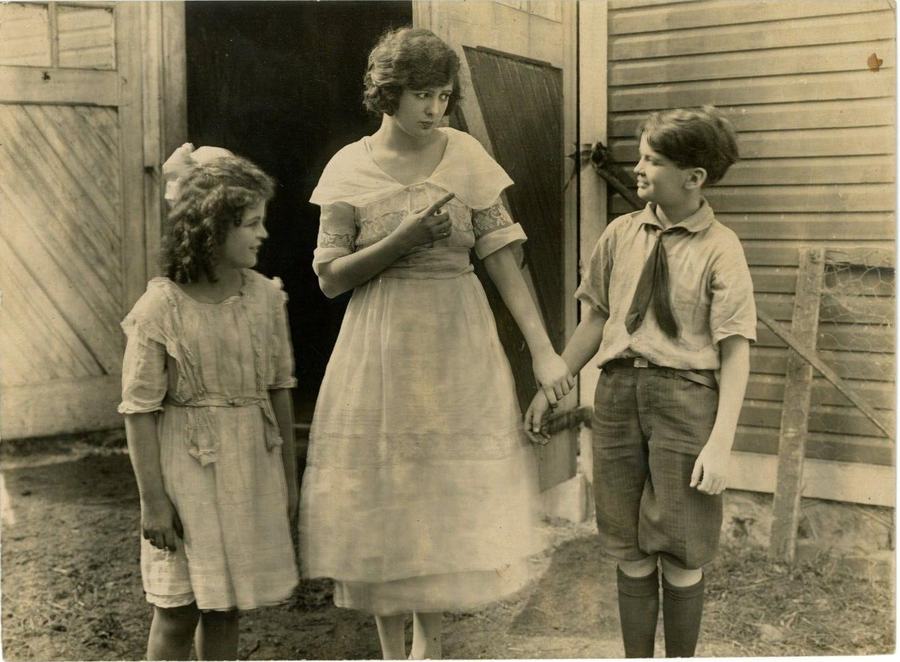
There is a moment—roughly two-thirds through The White Bottle—when the camera lingers on a tabletop scarred by boot heels and candle wax. The eponymous flask stands upright, yet because the set is built at a five-degree slant, the object appears to levitate, its chalky surface drinking the studio light until it becomes a miniature moon. No intertitle intrudes. We are left alone with the hush of nitrate and the knowledge that every human in the film has kissed this bottle, lied to it, tried to drown it. In that hush, cinema acquires the chill of a séance.
Director Whitney Stafford (never prolific, always peculiar) understood that the most frightening haunt is not a ghost but an unresolvable question—a container without a label. By refusing to codify whether the flask is sacred relic, smuggler’s decoy, or mass-produced pharmacy ware, the film weaponizes ambiguity better than any German Expressionist effort of the same year. Compare it to Stingaree: both trade in disguises, but where that operetta delights in unmasking, The White Bottle savors the vertigo of never knowing what lies beneath.
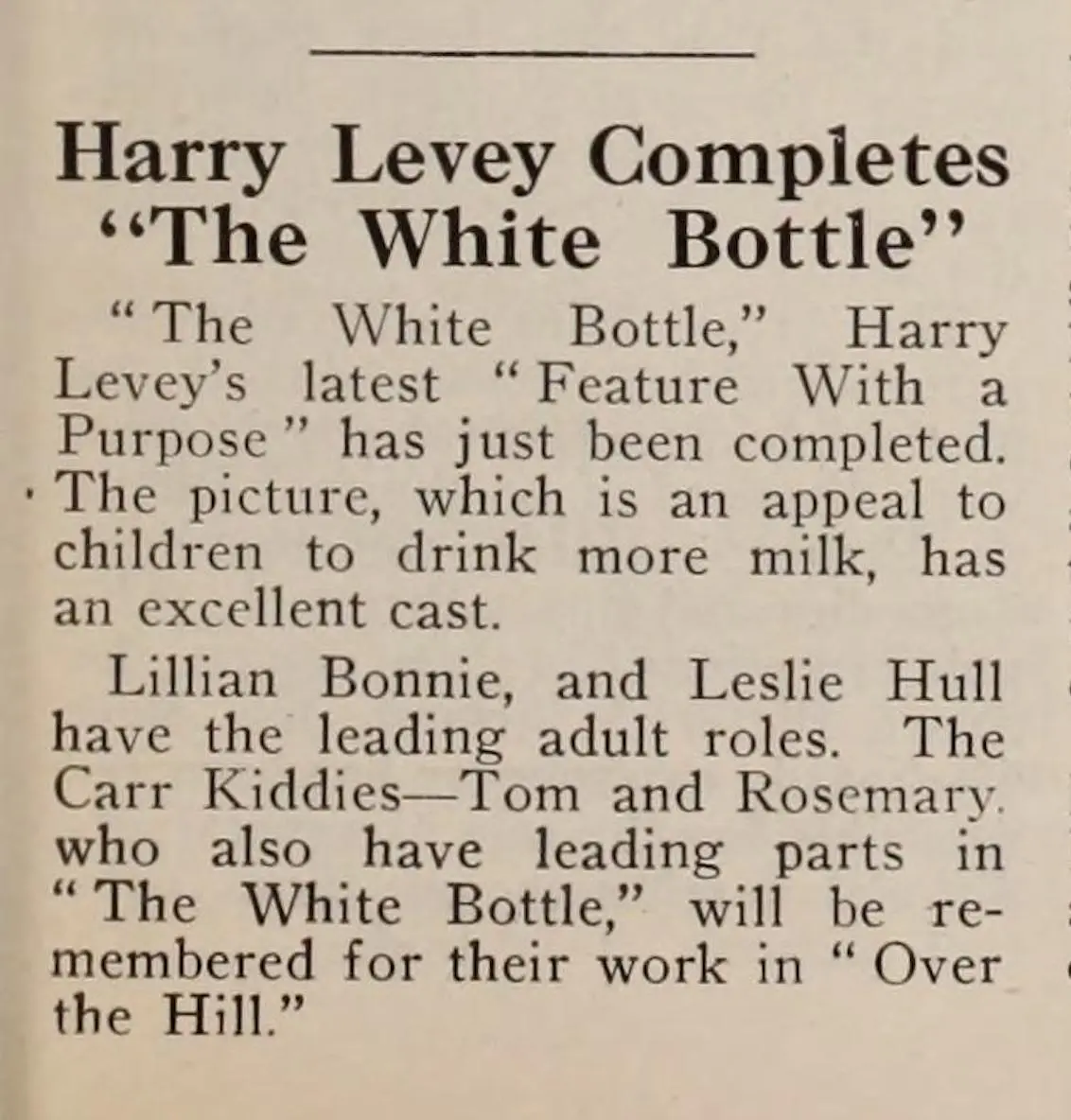
Thomas Carr, usually relegated to gum-chewing sidekicks, here sports cheekbones sharp enough to cut title cards. His bellboy—listed only as “the messenger” in souvenir programs—consumes the frame with tubercular urgency, every cough a small rebellion against the tyranny of continuity. When he presses the flask to his collarbone, the gesture is so intimate you half expect the celluloid to blister.
Archie Battista, real-life contortionist hired from Coney Island, folds himself into nursery shadows, his spine as liquid as the mercury once used to tint moonlit nights. Battista’s grin is all carny bravado until the instant he recognizes the bottle; the grin collapses into a rictus of infantile grief. No subtitle could carry that transmutation—only the image, and the memory of a sibling’s absence he once told a journalist “lives under my ribs like a second spine.”
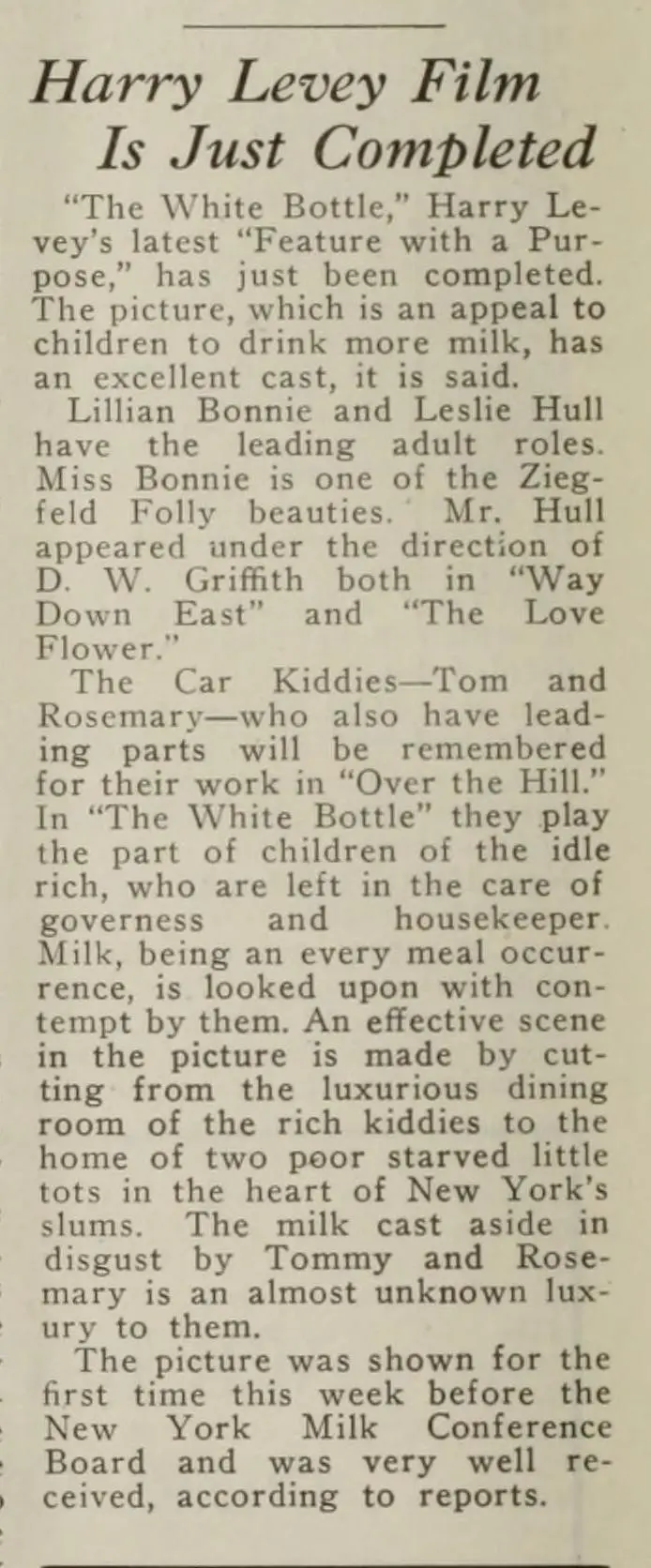
Billie Dove, marquee glamour incarnate, deglamorizes herself with a bravado that predates Dietrich. She sings La Paloma off-key in a dockside cantina thick with coal dust, her eyes two burnt-out lanterns. Dove’s addiction is not played for pity but for geology: layers of numbness stratified across her face until the moment she uncorks the bottle, sniffs nothing, and laughs—a laugh that starts in her diaphragm and ends in 1919, the year her career caught fire. One thinks of The River of Romance where she floated on a barge of pearls and spotlights; here she drowns in a shot glass, and the effect is infinitely more erotic.
Finally, child-actor Rosemary Carr (no relation to Thomas) haunts the periphery like a bedtime story that learned to walk. She speaks no title card yet bookends the film: first seen asleep under a moth-eaten quilt, last seen chasing the rolling flask through cinders while the city burns. Stafford keeps her face half-turned away, as though the camera itself were shy of witnessing so much innocence colliding with so much entropy.
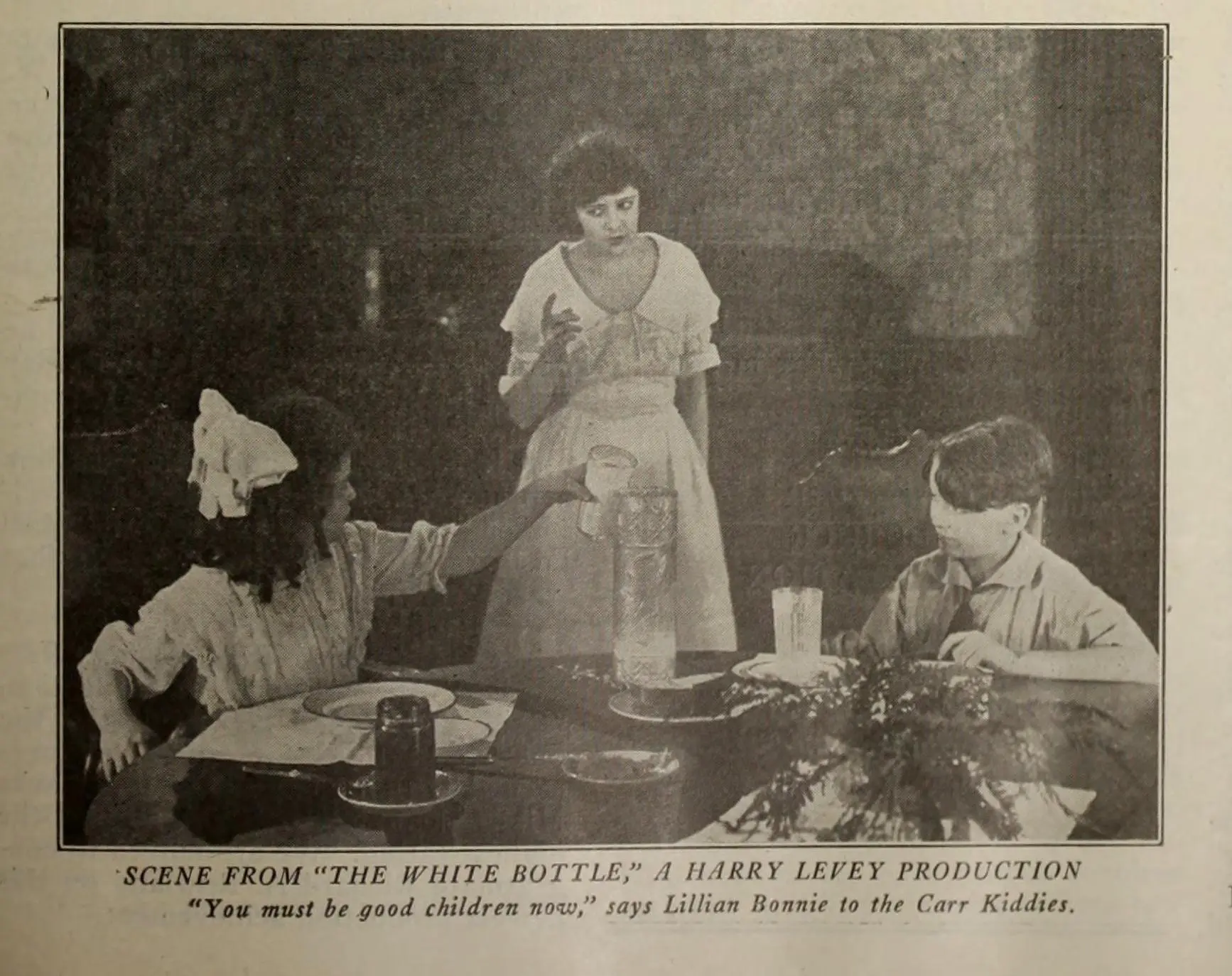
Shot for the cost of a modest Brooklyn brownstone, the picture nevertheless invents visual grammar that Hitchcock will later adopt. Note the dolly-in on the bottle while background actors freeze: a trick so subtle it feels like time, not camera movement. Or consider the double-exposure during the carnival sequence: Battista’s body curls around a memory of his sister on a carousel, the horses painted white to rhyme with the bottle, their ghostly gallop implying that childhood itself is a porcelain thing—easy to crack, impossible to mend.
Cinematographer Hal Janover lenses night-for-night exteriors that swallow streetlamps whole, bathing brickwork in a sodium-blue gloom that anticipates Nosferatu by months. Interiors, meanwhile, glow amber thanks to a reckless deployment of candle clusters; the wax melted so rapidly that gaffers had to slide replacement candles across the floor between takes, giving rise to the rumor that the production was haunted by “the ghost of continuous light.”
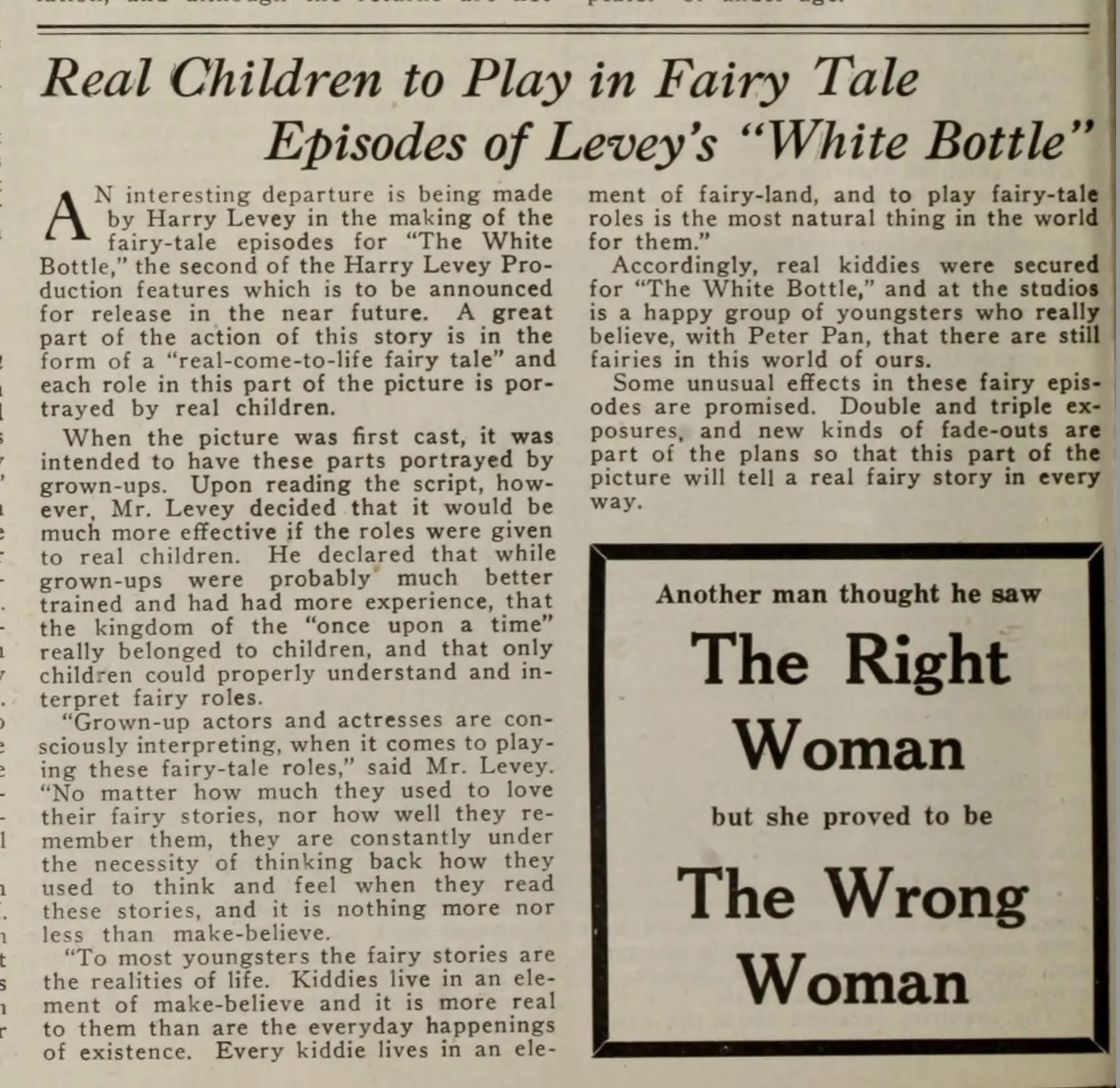
Though released without score, surviving prints bear pencil markings indicating intended musical cues: a celesta for the child, a wheezing harmonium for the contortionist, a muted trumpet for the chanteuse. Contemporary exhibitors often improvised, leading to wildly divergent receptions. A Chicago house paired it with a live tango band, turning tragedy into chic burlesque; a Kansas church basement accompanied it on pump organ, prompting three conversions and one fainting spell.
Modern restorations commissioned by Eye Filmmuseum added a restrained quintet that whispers rather than declaims. Listen during the final conflagration: violin strings are scraped below the bridge to mimic sirens, while a glockenspiel doubles for breaking glass. The result is not accompaniment but echo—an auditory mirror to the film’s obsession with vessels and voices.
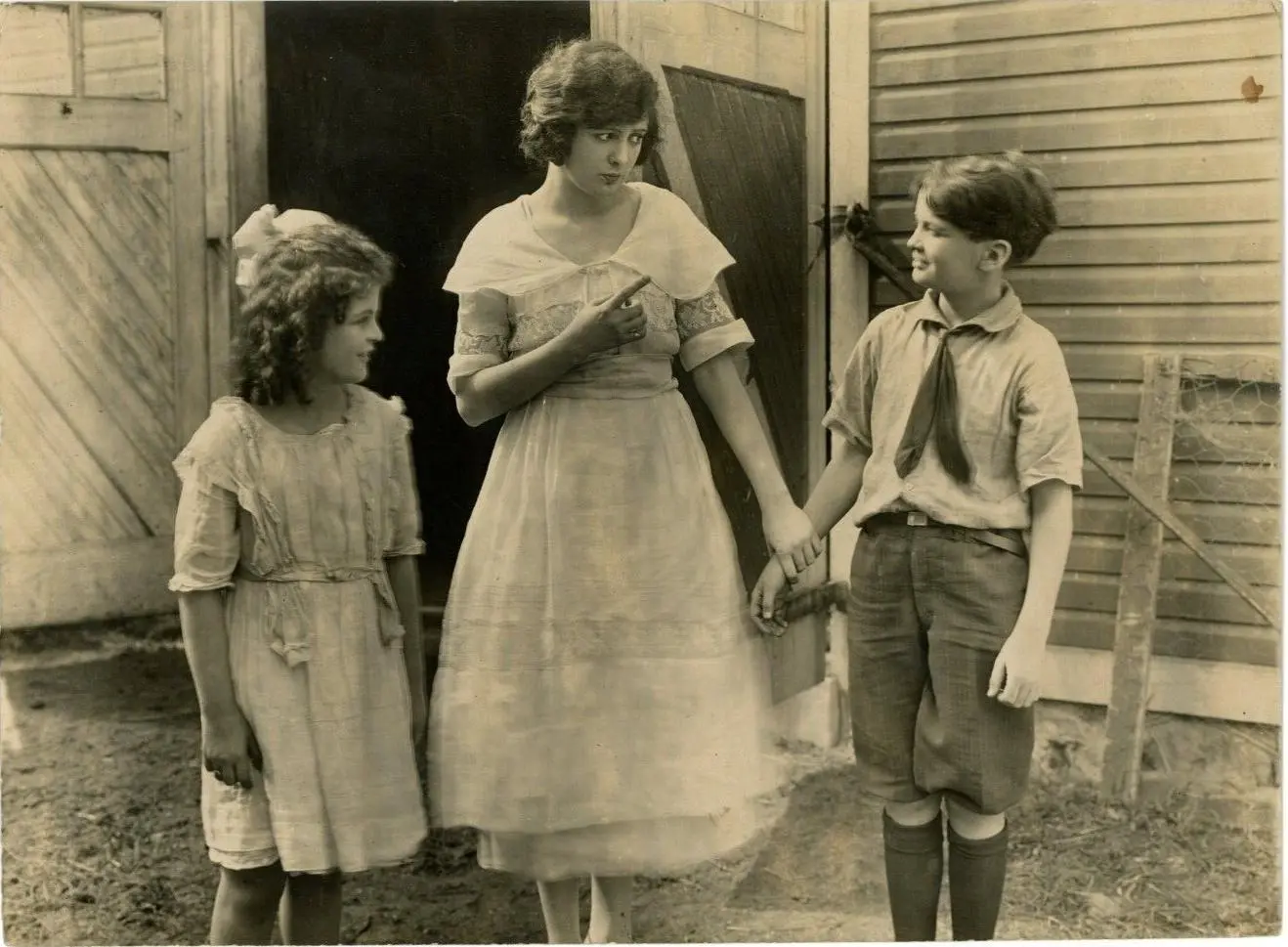
Stafford’s film converses with its cultural moment like a ventriloquist unsure whose throat owns the voice. The bottle’s pilgrimage from male to female to child and back again uncannily prefigures The Woman Under Cover’s circulation of a loaded pistol. Yet where that later thriller treats the gun as deterministic fate, The White Bottle treats its object as quantum possibility: observe it and you change it.
Critics often lump the picture with Hard Luck because both pivot on absurdera fatalism. The comparison limps; Buster Keaton’s short courts laughter in the abyss, whereas Stafford courts the abyss into which laughter has already vanished. A closer cousin is The White Dove, another tale of a bird (or bottle) meant to carry messages it never delivers. Together they form diptych of thwarted transmissions—one airborne, one earthbound.
If the film stumbles, it is in the middle reel where the bottle vanishes for twelve minutes while dockworkers debate labor strikes. The subplot, hastily inserted to placate financiers wary of “too much poetry,” now plays like a sociology lecture spliced into a fever dream. Contemporary viewers accustomed to the propulsive machinery of The Roaring Road may fidget. Yet even here, Stafford sneaks subversion: the strikers pass around a communal cup—a metal cousin to our porcelain MacGuffin—proving that every gathering, political or intimate, ritualizes its own holy crockery.
What lingers longest is the film’s ethical proposition: we are custodians, not owners, of the world’s fragility. Each character fails that custody, yet the film refuses contempt. When the bottle finally cracks, milky rivulets seep into soil, and from that stain a lone poppy blooms—an image so brief you could sneeze through it. The poppy is neither redemption nor moral; it is simply what happens when porcelain returns to earth, when stories return to listeners. In 2023 climate-crisis hindsight, the metaphor feels prophetic: civilizations, like bottles, are only on loan from the planet that fired them.
Trade papers of 1923 praised the “European moodiness” while complaining the story “meanders like a drunk sailor.” Box office was modest; a Broadway run lasted three weeks opposite a Ziegfeld revue. Revival festivals in the 1970s recast the work as proto-feminist, citing Dove’s self-destructive chanteuse as indictment of patriarchal consumption. Thirty years later, Lacanians celebrated the bottle as objet petit a; post-colonial scholars winced at its whiteness fetish.
Today, Letterboxd lists it among “most wanted restorations,” its entry page decorated with fan art of the bottle drifting through starfields or nestled among Klimt paintings. The cognitive dissonance is delicious: an artifact once deemed disposable now reborn as Tumblr moodboard, proving that history itself is a white bottle—emptied, filled, reinterpreted.
Masterpiece is a word I ration like wartime sugar, yet The White Bottle earns the last spoonful. It is the rare film whose flaws—narrative sprawl, tonal drift, even the fused final reel—feed its mystique, reminding us that beauty is not symmetry but the hairline crack where the light gets out. Seek it on 35mm if you can; the projector chatter becomes the bottle’s rattle, the audience’s breath its slosh. When the lights rise, you will find yourself staring at your own hands, wondering what fragile cargo you have agreed to carry for strangers you will never meet.
IMDb 6.1
1929
Community
Log in to comment.