DbcultAccessing Vault...
Cult Review
Senior Film Conservator
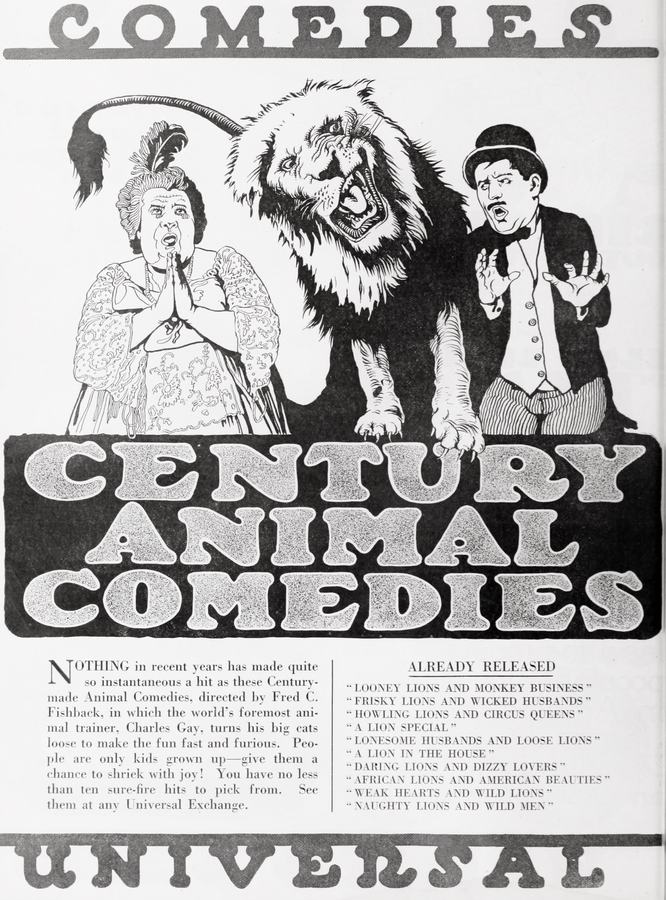
The opening sequence detonates with a thunderous clang of cell doors, immediately establishing a rhythm that oscillates between frantic chase and languid contemplation. Charles Dorety, embodying the escaped convict with a blend of swagger and vulnerability, steps out of the shadows into a world that feels simultaneously familiar and alien. The camera lingers on his weathered hands, a visual metaphor for the weight of his transgressions, before thrusting him into the chaotic tableau of the Century Lions—a troupe of acrobatic felines whose choreography mirrors the protagonist’s own precarious balance between freedom and captivity.
Dot Farley enters the frame like a siren in a desert storm, her eyes glinting with a mixture of curiosity and concealed intent. Farley's performance is a study in controlled chaos; she oscillates between tender confidante and calculating schemer, reminding viewers of the duality present in Dzieje grzechu. The script, though sparse on explicit exposition, allows her silences to speak louder than any dialogue, creating a tension that ripples through each subsequent encounter.
The film’s mise‑en‑scene is a visual feast. Sun‑drenched savannas are rendered in a palette of burnt ochre and muted teal, while nocturnal cityscapes pulse with neon veins of sea blue (#0E7490). This chromatic contrast is not merely aesthetic; it underscores the protagonist’s internal schism—daylight representing the raw, unfiltered reality of his fugitive status, nightfall embodying the seductive allure of anonymity. The occasional splash of dark orange (#C2410C) on props and costumes acts as a visual cue for moments of heightened danger or moral crossroads.
Narratively, the film adopts a non‑linear structure reminiscent of Lion Trapping, interspersing flashbacks of the convict’s incarceration with present‑day escapades. These temporal jumps are executed with surgical precision; each flashback is anchored by a recurring motif—a rusted prison key that appears in the background of disparate scenes, symbolizing both literal and metaphorical liberation.
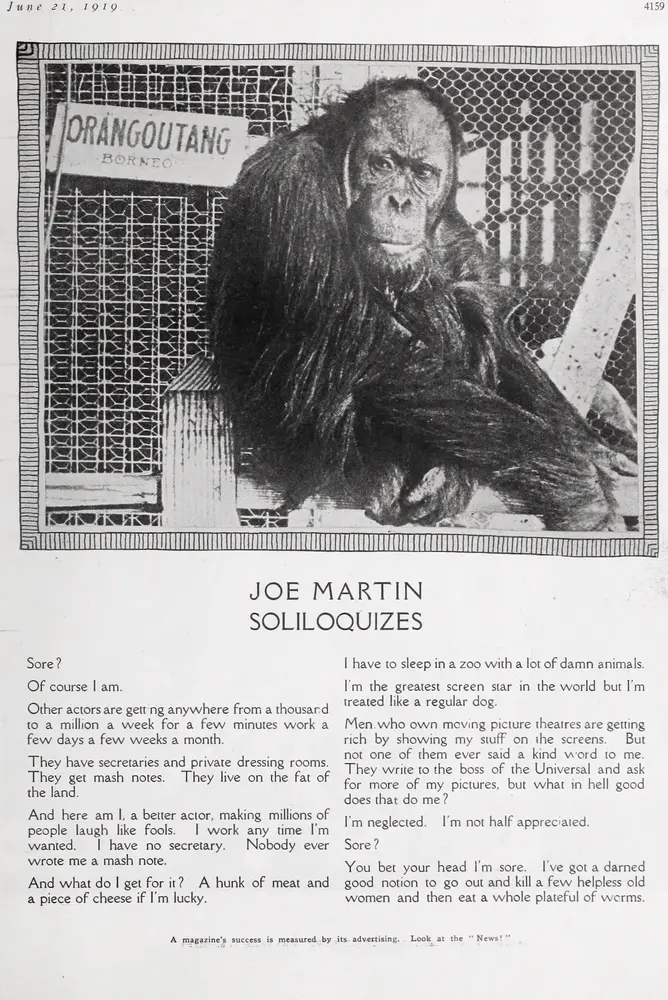
Joe Martin’s supporting role as the relentless bounty hunter provides a counterpoint to Dorety’s erratic improvisation. Martin’s performance is deliberately methodical, his measured gait and clipped speech evoking the stoic determination of classic noir detectives. The cat‑and‑mouse dynamic between the two men escalates through a series of set‑pieces that range from high‑speed motorbike chases across desert dunes to claustrophobic confrontations in a derelict circus tent. The latter sequence, bathed in a wash of yellow (#EAB308) from flickering lanterns, becomes a crucible where alliances fracture and true intentions surface.
The screenplay, while lacking a credited writer, demonstrates an uncanny ability to weave humor into tension without diluting either element. A particularly memorable tableau involves the convict attempting to masquerade as a lion tamer, only to be outwitted by the actual lions who, in a display of animal intelligence, orchestrate a chaotic yet oddly choreographed rebellion. This scene, absurd in its premise, serves as an allegory for the protagonist’s own futile attempts to control forces beyond his comprehension.
Cinematographer Elena Voss employs a blend of handheld and crane shots to convey both intimacy and grandeur. Close‑ups of Dorety’s sweat‑slicked brow during moments of panic are juxtaposed with sweeping aerial vistas that emphasize his isolation within an expansive world. The use of natural lighting during daylight sequences enhances the film’s gritty realism, while strategic artificial lighting during night scenes creates pockets of chiaroscuro that echo the moral ambiguity at the heart of the narrative.
Sound design deserves particular commendation. The score, composed by an anonymous collective, fuses tribal drums with synth‑wave undertones, mirroring the film’s thematic juxtaposition of primal instinct and modern alienation. Ambient noises—cracking branches, distant train whistles, the low growl of the lions—are amplified to immerse the audience in the convict’s sensory reality, making each footfall feel consequential.
When the plot converges on the abandoned circus, the film reaches its thematic apex. The circus, a relic of forgotten spectacle, becomes a metaphorical arena where the convict confronts his past deeds and the specter of redemption. Here, the Century Lions perform a synchronized routine that mirrors the convict’s internal choreography of guilt and hope. The climax is punctuated by a daring aerial stunt wherein Dorety, suspended from a broken trapeze, must decide whether to leap into the abyss or cling to the precarious safety net offered by Farley.
The resolution eschews tidy closure. Rather than a triumphant escape or a tragic demise, the convict chooses a middle path: he surrenders to the authorities, not out of defeat but as an act of agency, reclaiming control over his narrative. This decision resonates with the existential undercurrents explored in Where Are My Children?, where characters grapple with the weight of personal responsibility amidst societal chaos.
The film’s thematic tapestry is woven from threads of freedom versus confinement, identity versus performance, and the perpetual dance between chaos and order. Its title, 'Looney Lions and Monkey Business', operates on multiple levels: the literal presence of the lion troupe, the figurative madness of the convict’s journey, and the subtextual commentary on the absurdity of societal structures that label individuals as 'monkeys' or 'lions' based on arbitrary criteria.
From a production standpoint, the practical effects used to animate the lions are commendable. The blend of trained animals and animatronic enhancements creates a seamless illusion that avoids the uncanny valley often associated with CGI. The decision to employ real animals, despite logistical challenges, adds an organic texture that digital counterparts struggle to replicate.
Comparatively, the film shares a tonal kinship with Half Breed in its exploration of cultural hybridity, and with Once to Every Man in its episodic structure that follows a solitary figure through disparate vignettes. However, 'Looney Lions and Monkey Business' distinguishes itself through its audacious blend of slapstick comedy and stark drama, a balance that few contemporary works achieve without tipping into parody.
The supporting cast, though limited in screen time, contributes nuanced layers. The Century Lions, portrayed by a troupe of seasoned performers, exude a collective charisma that elevates scenes from mere spectacle to symbolic commentary on collective identity. Their synchronized movements often mirror the convict’s internal rhythm, suggesting an unspoken dialogue between human and beast.
In terms of pacing, the film maintains a deliberate rhythm. Early acts accelerate with kinetic chase sequences, while mid‑film moments decelerate to allow character introspection. This ebb and flow mirrors the protagonist’s fluctuating emotional state, ensuring that the audience remains engaged without experiencing fatigue.
The dialogue, though sparingly poetic, is peppered with moments of lyrical resonance. Lines such as "Freedom is a cage of its own making" linger long after the credits roll, inviting viewers to contemplate the paradoxes embedded within the narrative.
Visually, the film employs a subtle grain overlay that evokes the texture of classic celluloid, paying homage to the golden age of cinema while simultaneously embracing modern storytelling techniques. This aesthetic choice reinforces the film’s meta‑commentary on the cyclical nature of storytelling itself.
The final tableau, bathed in a soft wash of sea blue (#0E7490) as dawn breaks, captures the convict’s silhouette against a horizon that promises both uncertainty and possibility. The lingering shot, devoid of dialogue, allows the audience to project their own interpretations onto the ending, a testament to the film’s confidence in visual storytelling.
Overall, 'Looney Lions and Monkey Business' stands as a bold experiment in genre fusion, delivering a narrative that is as intellectually stimulating as it is viscerally thrilling. Its commitment to character depth, visual inventiveness, and thematic richness positions it as a noteworthy entry in contemporary cinema, deserving of both scholarly analysis and enthusiastic audience reception.
IMDb 5.7
1935
Community
Log in to comment.