DbcultAccessing Vault...
Cult Review
Senior Film Conservator
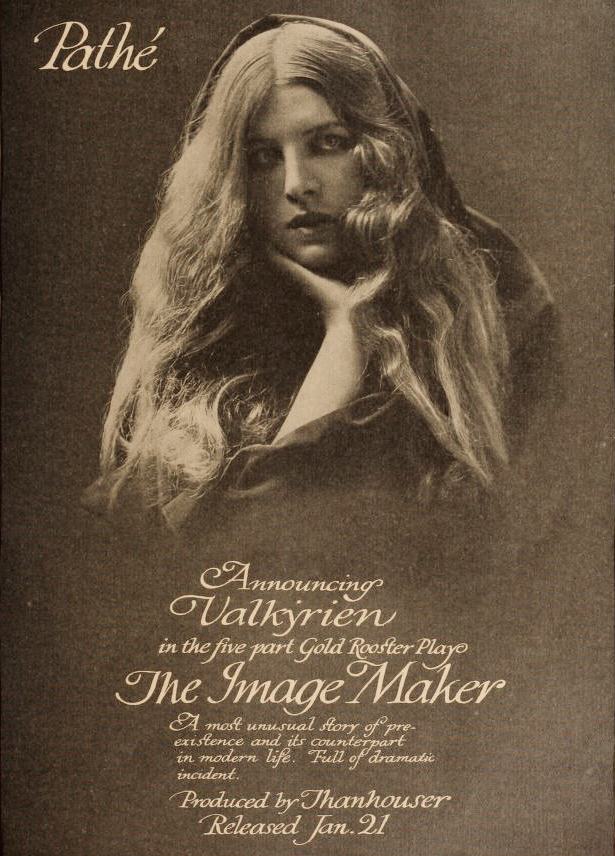
In the annals of early cinema, few narratives dared to stretch the fabric of time and destiny with the audacious sweep of The Image Maker. This 1916 silent epic, penned by the visionary Emmett Mixx, transcends mere storytelling to become a profound meditation on the persistence of love, the inexorable pull of fate, and the cyclical nature of human experience. It is a film that, even a century removed from its creation, speaks to the deepest yearnings of the human heart, proposing that some bonds are simply too potent, too primordial, to be severed by the fleeting passage of mortal existence. Far from being a simple romantic drama, it is a richly textured tapestry woven with threads of ancient mysticism and burgeoning modernism, challenging its audience to ponder the very essence of the soul's journey.
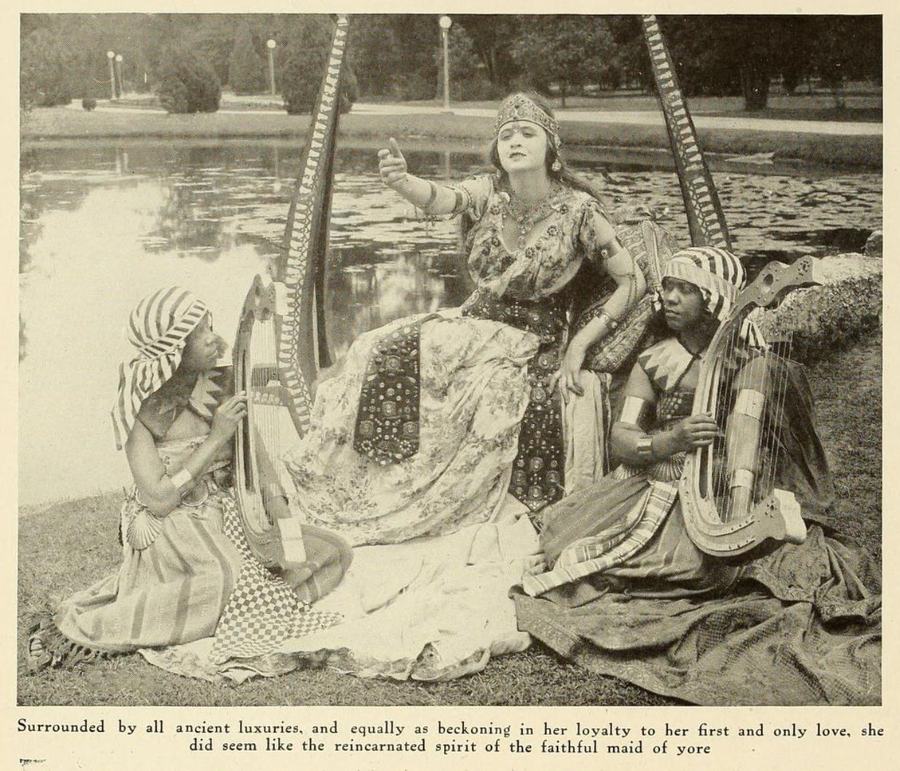
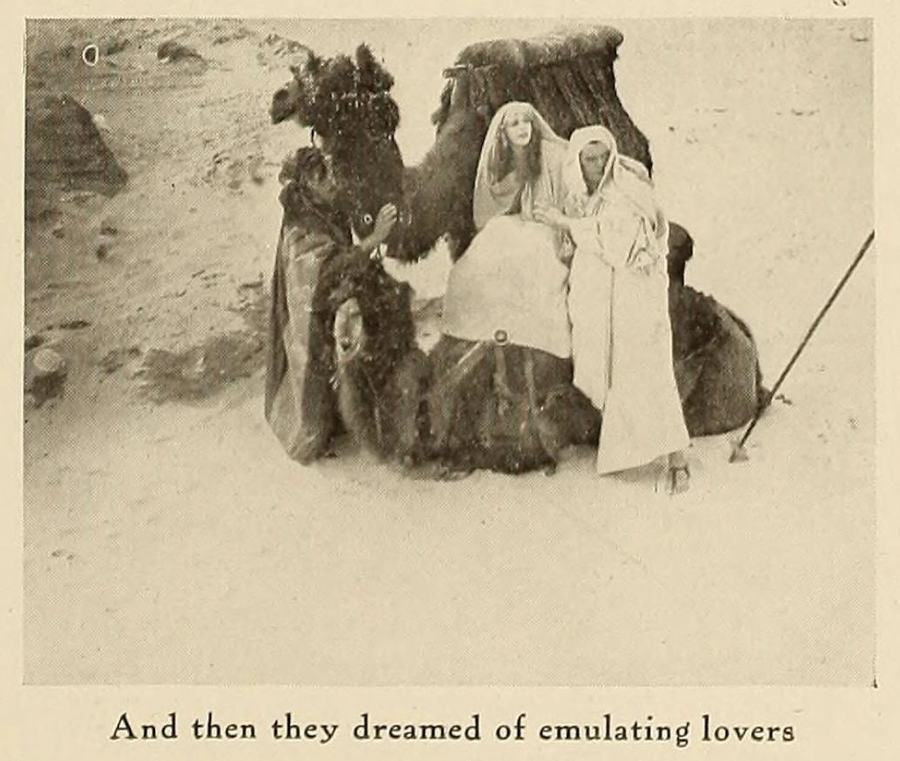
The film opens its grand narrative in the sun-drenched, dust-moted grandeur of ancient Egypt, a setting rendered with a visual poetry that must have been breathtaking for contemporary audiences. Here, we encounter the young Prince of Tsa, portrayed with a compelling blend of regal weariness and youthful yearning by Morgan Jones. Unlike his peers, who find contentment in the endless cycle of courtly revelry and prescribed duties, the Prince harbors a restless spirit, an insatiable curiosity that chafes against the gilded cage of his royal birthright. He yearns for authenticity, for a connection to the world beyond the palace walls, a desire so potent it compels him to shed his princely robes. Donning the humble garb of a Nile boatman, he embarks on a clandestine adventure, a quest not for conquest or glory, but for a truth that eludes him amidst the opulence of his station. This initial act of defiance sets the stage for a romance that is as ill-fated as it is incandescent.
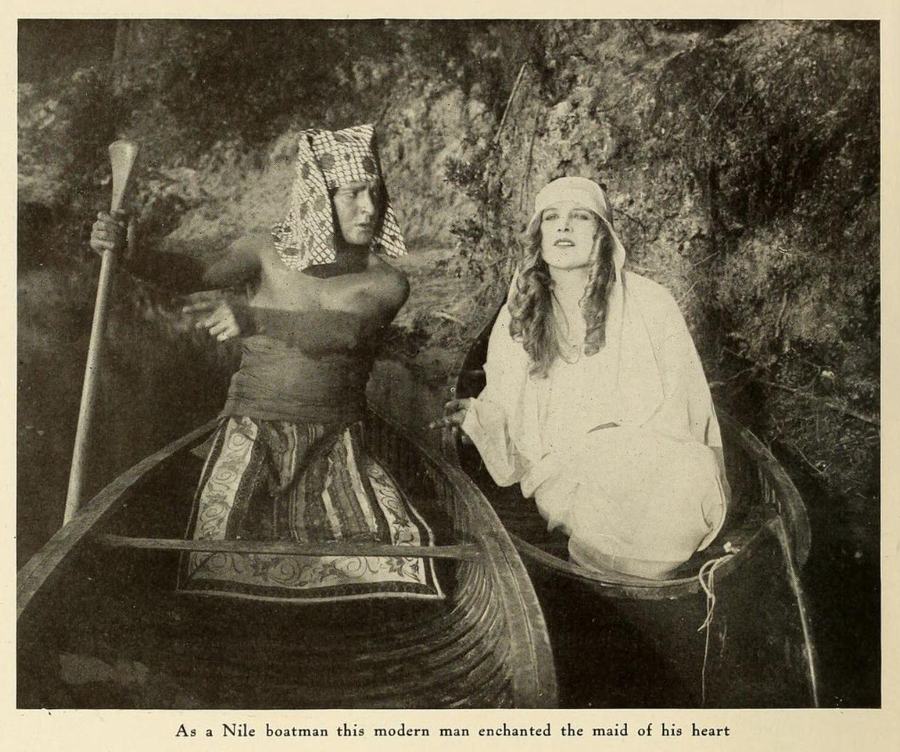
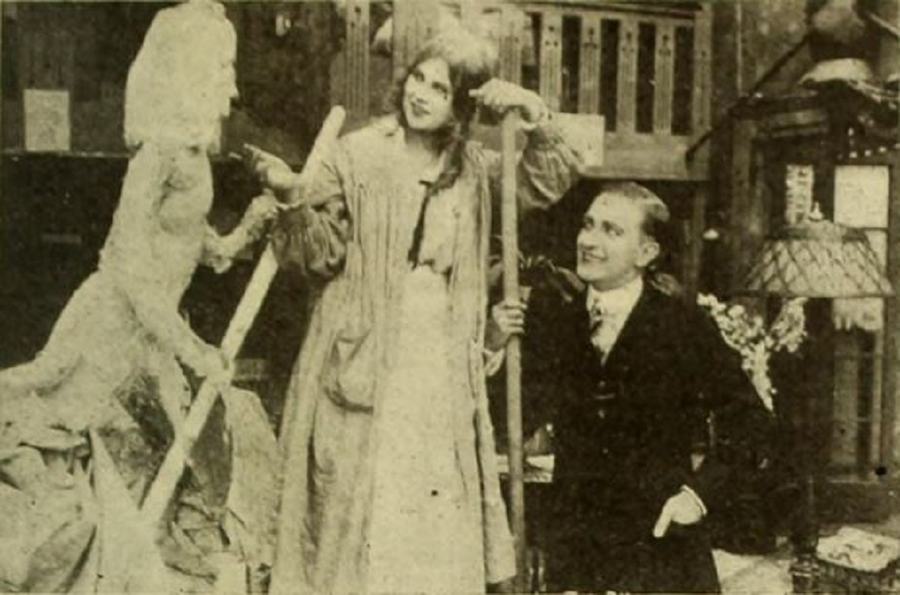
It is during this transformative escapade that destiny intervenes, guiding the disguised prince to Ashubetis, a woman of ethereal beauty and profound artistic talent, brought to life with captivating grace by Inda Palmer. Her designation as an "image maker" is no mere occupational detail; it is symbolic of her capacity to capture and immortalize beauty, a metaphor for the enduring power of art and, by extension, the indelible mark she leaves upon the Prince's soul. Their meeting is depicted not as a chance encounter, but as a recognition, an instantaneous spark between kindred spirits who have perhaps known each other across countless lifetimes. The unspoken language of their gazes, the subtle gestures of their hands, would have conveyed volumes in the silent medium, painting a portrait of love blossoming with an intensity that defies societal strictures and royal decrees. This burgeoning affection, however, is a dangerous transgression in a world rigidly defined by hierarchy and tradition.
The Pharaoh, the Prince's father, portrayed with formidable authority by Arthur Bauer, embodies the unyielding hand of power and societal expectation. His outrage upon discovering his son's forbidden liaison is palpable, a thunderous decree that echoes through the ancient halls. For him, the Prince's heart is a commodity to be bartered for political gain, a pawn in the intricate game of royal alliances. A predetermined marriage, designed to consolidate power and secure the dynasty's future, is paramount. The idea that his heir would choose a common artisan over a royal bride is not merely an affront; it is a direct challenge to his authority, a disruption of the cosmic order he believes he upholds. Thus, the Pharaoh's wrath descends like a desert storm, condemning Ashubetis to a cruel death and imprisoning his defiant son. This pivotal conflict between personal desire and dynastic duty propels the narrative into a harrowing crescendo of sacrifice and despair, reminiscent of other tragic tales of forbidden love like Anna Karenina, where societal conventions crush individual yearning.
The Prince, driven by an unshakeable love, stages a desperate escape, his sole objective to rescue his beloved from the Pharaoh's merciless decree. The ensuing struggle, undoubtedly rendered with dramatic tension and visual flair, showcases his courage and devotion. Yet, fate, or perhaps the sheer weight of imperial power, proves too formidable. His valiant efforts are ultimately in vain, culminating in a tragic confrontation where he is mortally wounded. The imagery of his final moments, a poignant tableau of fading life, must have been rendered with a heartbreaking solemnity. Ashubetis, through some twist of fate or perhaps sheer force of will, manages to reach him in his dying breaths. In a scene of profound emotional resonance, she swears an oath of eternal faithfulness, a vow that transcends the physical realm and promises continuity beyond the veil of death. But her grief-stricken vigil is short-lived. Discovered by the Pharaoh's guards, her ultimate punishment is swift and brutal: a horrifying descent into the waiting jaws of the crocodiles, a final, visceral act of cruelty that underscores the tragic finality of their ancient romance.
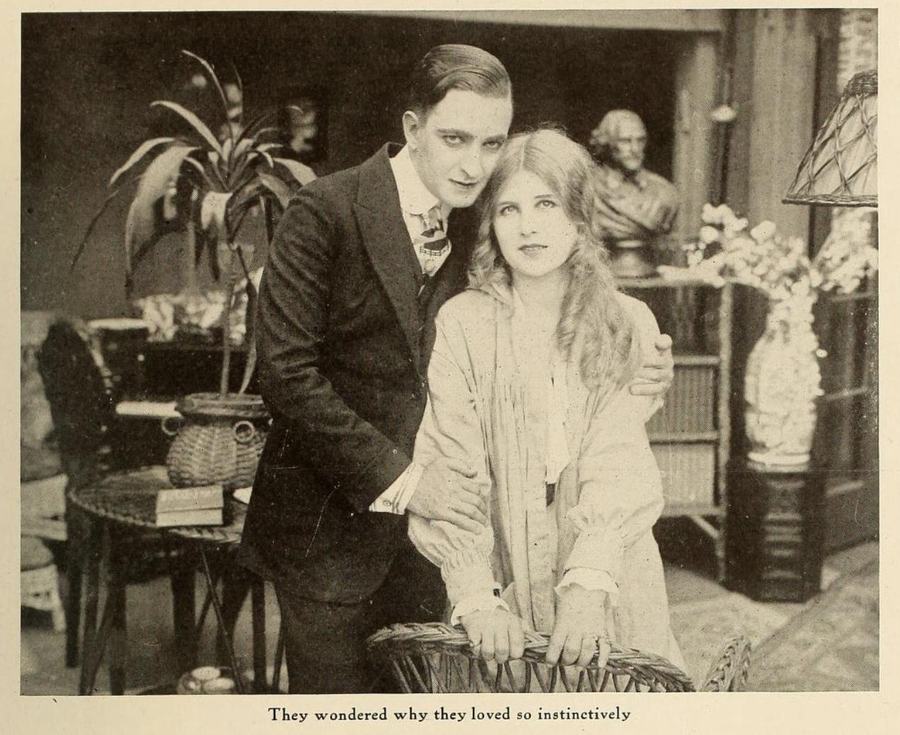
The narrative then undertakes a breathtaking leap across five millennia, transporting the audience from the sands of ancient Egypt to the burgeoning modernity of 1916 Florida. This temporal shift is not merely a change of scenery but a profound thematic device, introducing the concept of reincarnation with an elegance that must have been groundbreaking for its time. Here, a young couple, whose names are almost secondary to their archetypal roles, meet and fall into an instantaneous, undeniable love. The actors, particularly Valda Valkyrien and Boyd Marshall (assuming they portray the modern lovers, given the limited cast list and the narrative structure), would have been tasked with conveying a sense of profound déjà vu, an inexplicable pull that defies rational explanation. Their romance, while seemingly ordinary on the surface, carries an undercurrent of something ancient, something destined. This sense of preordained connection is vividly brought to light when they stumble upon an antique book – a relic, perhaps, detailing the very 'Royal Romance of Egypt' that unfolded millennia ago. As they read the tragic tale, a startling realization dawns: they see themselves, not just in the characters, but in the very souls of the ancient Prince and Ashubetis, their present love an echo of a passion that refused to die.
The film masterfully builds towards its climactic reunion, a moment imbued with both profound tragedy and triumphant hope. On the precise anniversary of the ancient Prince's death, the Florida couple is drawn, as if by an invisible thread, to the very tomb where his earthly remains repose. This is not merely a meeting; it is a convergence, a cosmic alignment where past and present momentarily fuse. The scene, witnessed by a passing party of incredulous tourists, introduces an element of external observation, grounding the mystical experience in a relatable human context. The tourists, hearing the extraordinary tale for the first time, turn to their lecturer, seeking an explanation for the uncanny spectacle before them. His profound, almost poetic reply – "It might be, who knows? Love is deathless. To love all things are possible." – serves as the film's philosophical anchor, a timeless statement on the enduring power of affection and the mysteries of existence. It leaves the audience not with a definitive answer, but with a question, an invitation to believe in the boundless capacity of love.
The thematic richness of The Image Maker extends far beyond its captivating plot. At its core, it is a pioneering exploration of reincarnation, a concept often touched upon in mythology and philosophy but rarely given such direct cinematic treatment in the early 20th century. The film posits that the soul, and specifically the profound connections forged by love, are not bound by the finite constraints of a single lifetime. This idea would have resonated deeply with audiences grappling with concepts of mortality and eternity, offering a comforting, albeit fantastical, vision of continuity. The contrast between the rigid, fate-driven world of ancient Egypt and the more open, yet equally fated, landscape of 1916 Florida underscores the universality of these themes. Despite the vast cultural and temporal chasm, the human heart's capacity for love, sacrifice, and yearning remains constant.
Moreover, the film delves into the eternal struggle between individual desire and societal expectation, a conflict that fuels the tragedy in both timelines. The Prince's rebellion against his father's decree, and Ashubetis's ultimate sacrifice, are powerful testaments to the strength of personal conviction against the crushing weight of tradition. In the modern era, while the societal stakes are less overtly life-threatening, the profound impact of discovering a past life suggests a different kind of societal pressure – the challenge of integrating an extraordinary truth into an ordinary existence. This interplay between the macrocosm of societal structure and the microcosm of individual choice is a recurring motif, adding layers of psychological depth to the romantic epic.
From a cinematic perspective, The Image Maker, as a silent film, would have relied heavily on visual storytelling, expressive performances, and perhaps intertitles to convey its complex narrative and emotional nuances. The success of the film hinges on the ability of actors like Morgan Jones, Inda Palmer, Arthur Bauer, Harris Gordon, Valda Valkyrien, and Boyd Marshall to embody their characters with a physicality and emotional intensity that transcended the lack of spoken dialogue. One can imagine the elaborate set designs for ancient Egypt, the costumes, and the sweeping cinematography required to capture both the grandeur of the past and the more intimate, contemplative mood of the present. The portrayal of Ashubetis as an "image maker" also subtly highlights the power of visual artistry, a meta-commentary on the medium of film itself, which, in its silent form, was essentially an 'image maker' for the masses.
Comparing The Image Maker to its contemporaries reveals its unique standing. While films like The Love Girl or The White Pearl explored romantic entanglements, they rarely ventured into the mystical realm of reincarnation with such conviction. The film's bold embrace of the supernatural, or rather, the super-temporal, puts it in a thematic lineage with works like The Soul of Satan or Venchal ikh satana, which also grappled with unseen forces shaping human destinies, albeit often through a more overtly malevolent lens. Here, the force is love, an eternal, benevolent, yet ultimately tragic, energy. Its exploration of forbidden passion and societal decree could also draw parallels with the intensity found in Idolators, where devotion borders on obsession, or the sweeping historical drama of something like Potop, though on a much more intimate, spiritual scale.
The enduring legacy of The Image Maker lies in its audacious vision and its profound emotional resonance. It is a cinematic testament to the idea that love, in its purest form, is not merely an emotion but a fundamental force of the universe, capable of spanning millennia and defying the very concept of death. Emmett Mixx crafted a narrative that is both epic in scope and deeply personal in its portrayal of two souls inextricably linked across time. The film invites us to question our own understanding of connection, of fate, and of the mysterious threads that bind us to one another. It leaves us with the powerful, lingering thought that perhaps, just perhaps, the loves we experience in this lifetime are merely echoes of ancient vows, promises whispered on the winds of forgotten eras. In a world increasingly fragmented and cynical, the timeless message of The Image Maker – that love is deathless, and to love all things are possible – remains as potent and necessary as ever, an incandescent beacon in the vast ocean of cinematic history.
IMDb 7.1
1929
Community
Log in to comment.