DbcultAccessing Vault...
Cult Review
Senior Film Conservator
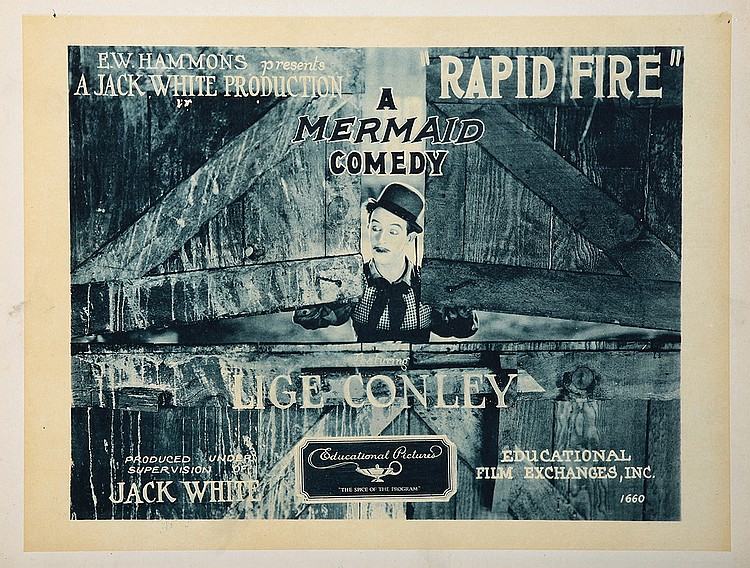
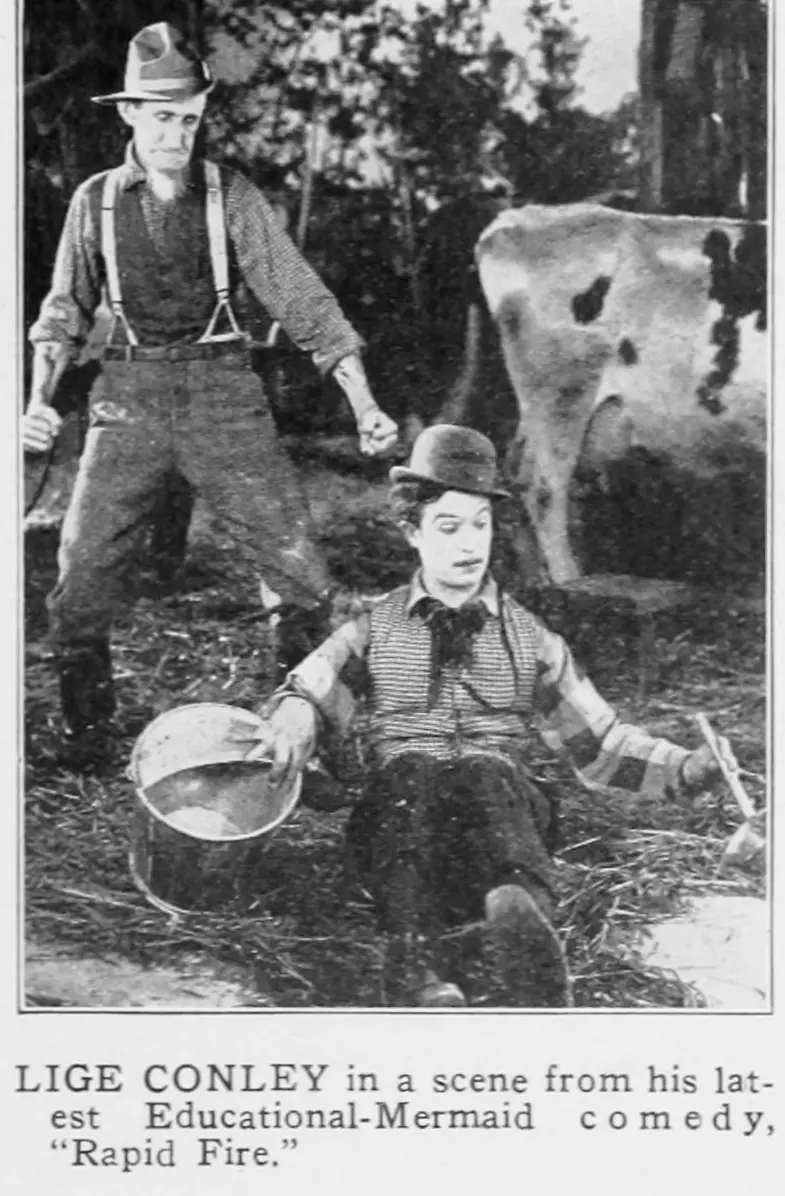
The film Rapid Fire is a thought-provoking exploration of the human experience, delving into the complexities of frustration, chaos, and the unpredictable nature of life. Through the lens of a beleaguered farmer and his intractable cow, the film masterfully weaves a narrative that is both poignant and humorous, inviting the viewer to reflect on the inherent messiness of human existence.
As the farmer's struggles to milk the cow reach a boiling point, the arrival of the landlord serves as a catalyst for further chaos, highlighting the often-disastrous consequences of ill-timed interventions. This pivotal moment in the film serves as a powerful commentary on the delicate balance between order and disorder, and the ways in which even the best-laid plans can quickly unravel in the face of unforeseen circumstances.
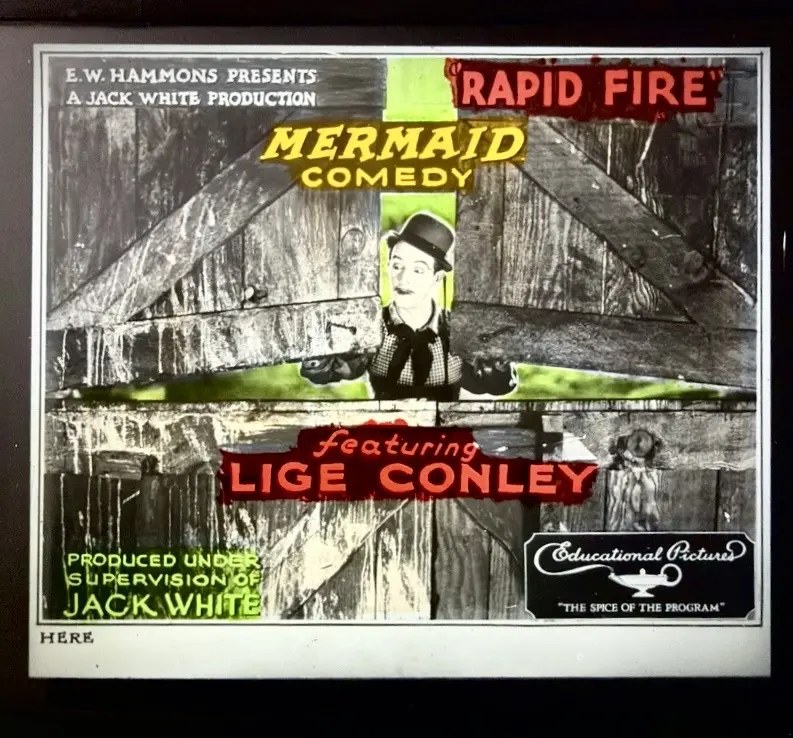
The cinematography in Rapid Fire is noteworthy, with a muted color palette that effectively captures the bleakness and desolation of the farm. The use of sea blue hues in the film's opening scenes serves to underscore the sense of melancholy and desperation that pervades the narrative, while the introduction of dark orange tones in later scenes adds a sense of urgency and tension to the proceedings.
In comparison to other films of the era, such as Homunculus and The Mysterious Mr. Browning, Rapid Fire stands out for its unflinching portrayal of the human condition. While films like The Social Pirates and American Game Trails offer more lighthearted and entertaining fare, Rapid Fire is a film that demands to be taken seriously, inviting the viewer to confront the complexities and challenges of real life.
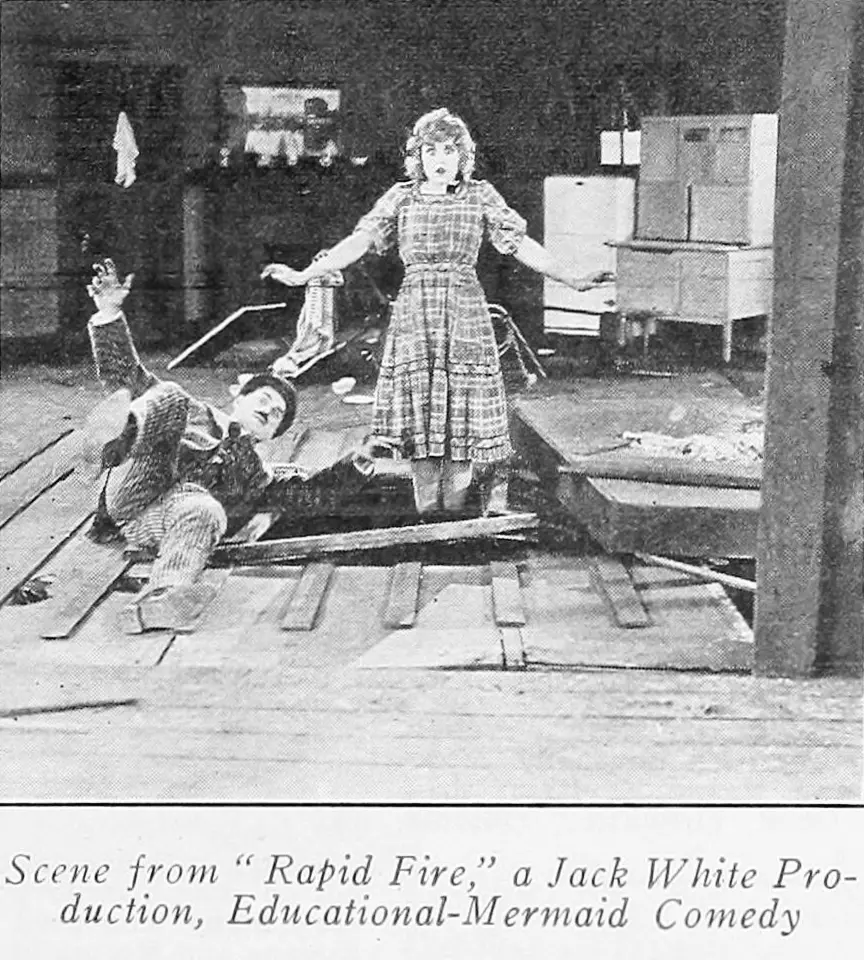
The performances in Rapid Fire are also worthy of note, with Frank Hayes delivering a standout performance as the beleaguered farmer. His portrayal of the character's growing frustration and desperation is both nuanced and compelling, and serves to anchor the film's narrative in a way that feels both authentic and relatable. The supporting cast, including Jack Lloyd and Lige Conley, also deliver strong performances that add depth and complexity to the film's narrative.
In terms of themes, Rapid Fire is a film that defies easy categorization. On the surface, it appears to be a straightforward comedy, with a bumbling farmer and a mischievous cow serving as the central sources of humor. However, as the film progresses, it becomes clear that Rapid Fire is also a powerful commentary on the human condition, exploring themes of frustration, chaos, and the unpredictable nature of life. This blend of humor and pathos is reminiscent of films like Her Life for Liberty and The Invisible Power, which also balance lighthearted and serious elements in innovative and thought-provoking ways.
The film's use of visual motifs is also noteworthy, with the recurring image of the cow serving as a powerful symbol of the unpredictability and chaos that pervades human existence. This motif is reminiscent of the use of visual symbolism in films like Het geheim van Delft and The Pearl of Paradise, which also employ visual motifs to explore complex themes and ideas.
In conclusion, Rapid Fire is a film that is both a product of its time and a timeless classic. Its exploration of the human condition, combined with its use of visual motifs and powerful performances, make it a must-see for fans of classic cinema. While it may not be as well-known as some other films of the era, such as Bull Arizona - The Legacy of the Prairie or Eternal Love, Rapid Fire is a film that deserves to be recognized and celebrated for its unique blend of humor, pathos, and visual innovation.
For viewers who enjoy films that challenge and subvert their expectations, Rapid Fire is a must-see. Its unique blend of humor and pathos, combined with its powerful performances and visual motifs, make it a film that will linger in the viewer's mind long after the credits have rolled. Whether you're a fan of classic cinema or simply looking for a film that will challenge and inspire you, Rapid Fire is a film that is sure to deliver.
In addition to its many other strengths, Rapid Fire is also a film that offers a fascinating glimpse into the social and cultural context of its time. The film's portrayal of rural life, combined with its exploration of themes such as frustration and chaos, provides a unique window into the experiences and challenges faced by people living in rural areas during the early 20th century. This aspect of the film is reminiscent of The House of Silence and The Girl from His Town, which also offer powerful portrayals of rural life and the challenges faced by people living in these areas.
The film's influence can also be seen in later films, such as Mr. Wu and The Girl Philippa, which also explore themes of frustration and chaos in innovative and thought-provoking ways. The use of visual motifs in Rapid Fire also anticipates the work of later filmmakers, such as those involved in the production of A Law Unto Himself, who also employed visual motifs to explore complex themes and ideas.
IMDb 5.9
1924
Community
Log in to comment.