DbcultAccessing Vault...
Cult Review
Senior Film Conservator
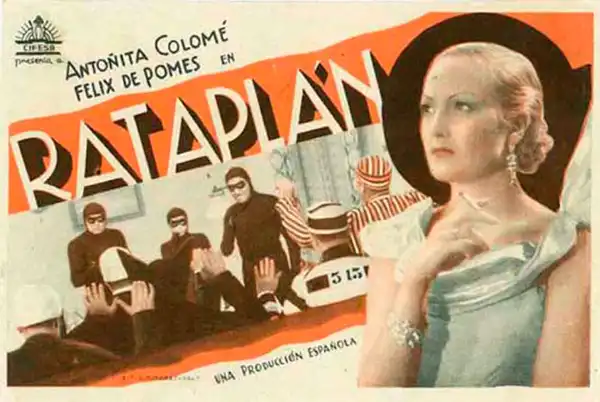
Alright, so you've found yourself scrolling, wondering what to watch, and stumbled upon something like _Rataplán_. Is it worth your time today? Honestly, for most folks just looking for a casual movie night, probably not. But if you’re someone who loves digging into film history, especially the early sound era or Spanish cinema, then yeah, this is a little treasure. It’s a bit slow, a bit clunky, but there’s a real charm to it. Anyone expecting modern pacing or high-octane drama will likely be frustrated. This one’s for the patient, the curious, the ones who appreciate a film for what it *is* rather than what it *could be* by today’s standards. 🕰️
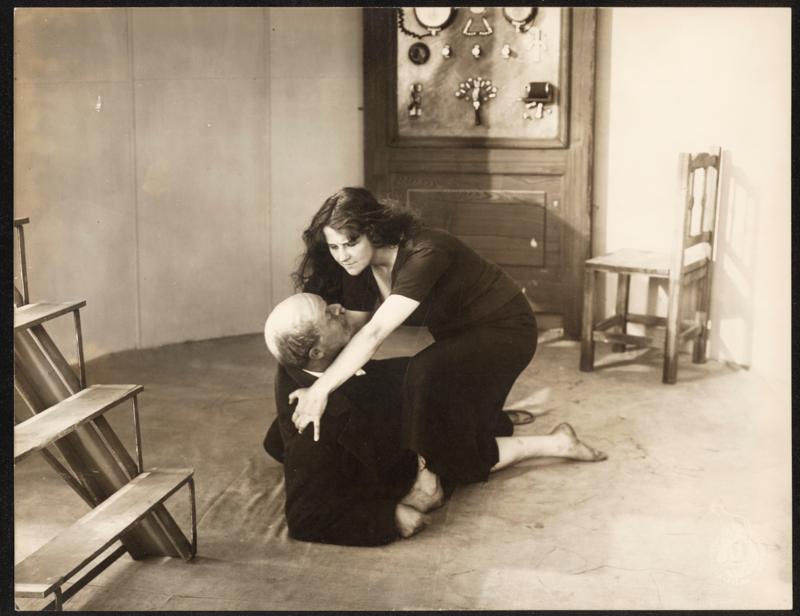
From the get-go, you can tell this is a film from a different age. The name itself, _Rataplán_, sounds like a drum beat, a quick rhythm. And there’s a certain energy to it, even when things are moving at a snail’s pace. It’s less about a grand plot that grabs you by the collar and more about observing life, almost like a moving photograph of 1930s Spain. The story, what there is of it, feels almost secondary to the atmosphere. You’re just sort of *there* with the characters. ✨
There’s this one sequence, I think it’s pretty early on, where the camera just sort of sits and watches a group of people in a plaza. Nothing much happens, really. Folks are walking, maybe someone's chatting. But the way the light hits the cobblestones, and the little details in the costumes… it’s captivating, in a quiet way. You can almost feel the air from that time. It’s these small, unforced moments that stick with you.
The acting style is… *different*. You see a lot of broad gestures. Teodoro Busquets, he has this way of looking at the camera, just for a split second, that makes you wonder if he knows he’s being filmed or if it’s just part of the performance. It’s not subtle, not by a long shot, but it’s genuine for its time. He’s got this _really_ expressive face.
And then there’s Antoñita Colomé. Her expressions are often so *big*. There's a scene where she’s supposed to be upset, and her whole body just sort of deflates. It’s almost comedic now, but back then, that was likely how you conveyed strong emotion without getting lost in the primitive sound recording. It's a window into how performers had to adapt. 🎭
The sound quality, if you’re watching a restored version, can be a bit all over the place. Sometimes it’s clear, sometimes it feels like they’re speaking through a pillow. It adds to the raw, almost documentary feel of the film. You’re hearing voices from almost a century ago, and it’s a little magical, even with the crackles. You notice the difference when the music kicks in; it usually comes through clearer. 🎶
I found myself really drawn to the sets. They don’t feel like elaborate, purpose-built stages. More like real rooms, real streets, just dressed up a bit. The cafes, the simple homes… they feel lived in. There’s a certain authenticity there that modern films sometimes miss, trying too hard to be *perfect*. Here, it’s all a little bit rough around the edges, and that’s its charm.
One particular moment, it’s brief, but Luis Villasiul just stops, looks out a window. No dialogue, just him, and a thoughtful look. And the camera lingers for a beat too long, or maybe just long enough. It’s the kind of shot that makes you pause. What’s he thinking? What’s outside that window? The film doesn’t give you answers, it just lets you sit with the question. It’s an interesting choice, almost art-house before art-house was really a thing. 🤔
The pacing of _Rataplán_ is not what you’d expect today. It meanders. It takes its time. There are moments where you might even think the film has paused. But then something small happens, a character moves, a door opens, and you’re gently pulled back in. It’s less about driving plot points and more about establishing a mood, a feeling. It's _very_ different from a film like Drácula from the same year, which has a clear, unfolding narrative. Here, it’s more episodic.
Overall, _Rataplán_ isn’t a film for everyone. It’s a specific taste. But for those who venture in, it offers a peculiar, endearing look at a forgotten corner of cinema history. It’s not polished, it’s not perfect, but it feels _real_, in a way that only old films can. It leaves you with a sense of having visited another time, not just watched a story. And sometimes, that’s more than enough. 🎬
IMDb —
1919
Community
Log in to comment.